
Marquetry Inlay China Cabinet
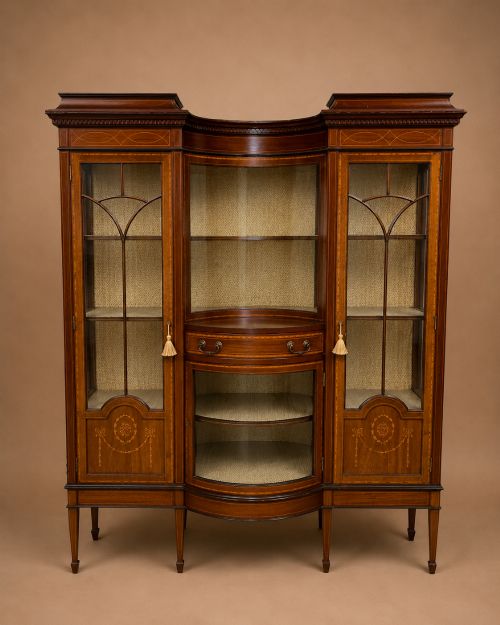
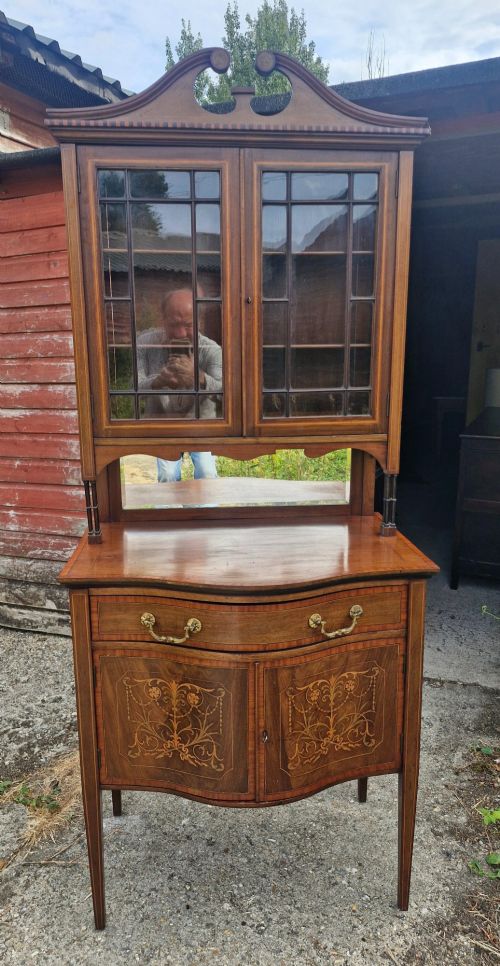
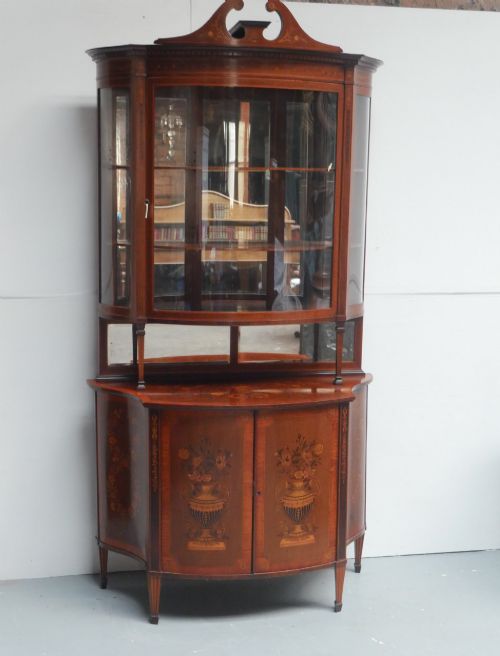
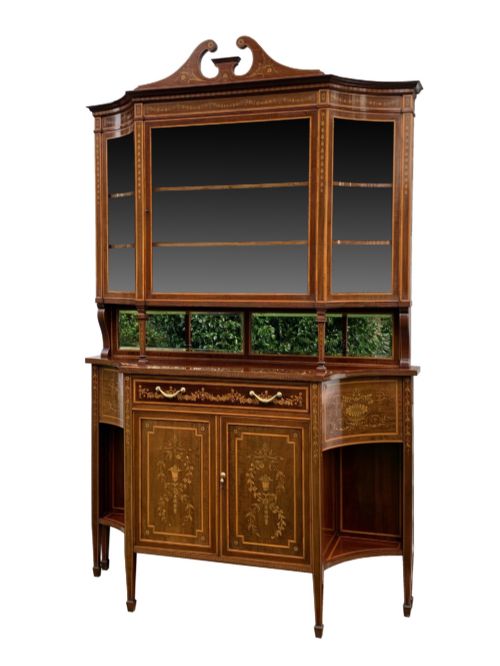
A marquetry inlay china cabinet is a glazed display piece patterned in contrasting wood veneers, bringing colour and decorative depth to a room.
Marquetry Inlay China Cabinet
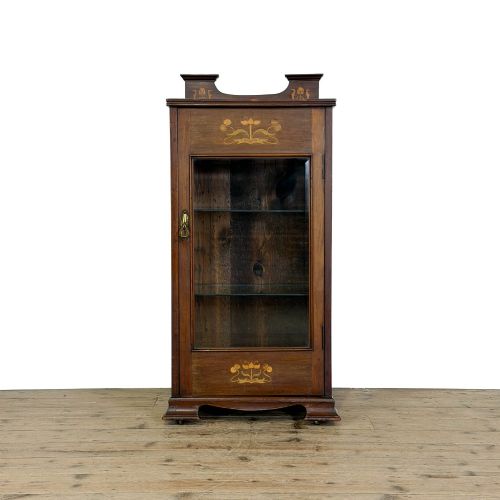
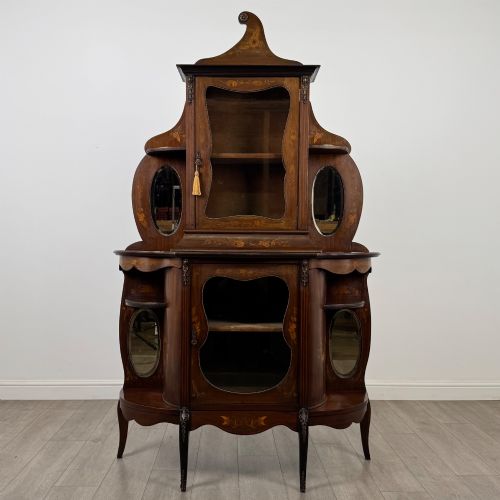
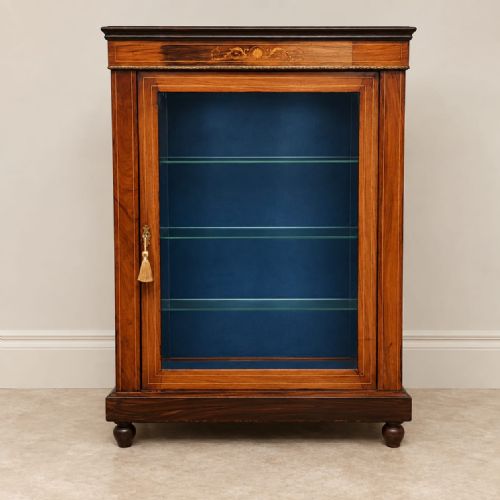
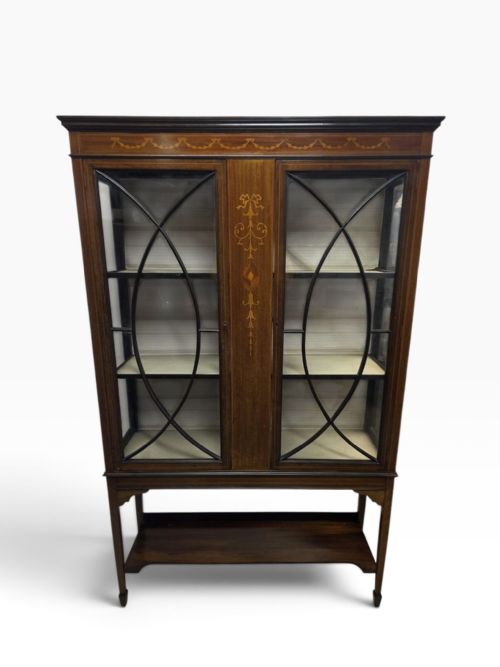
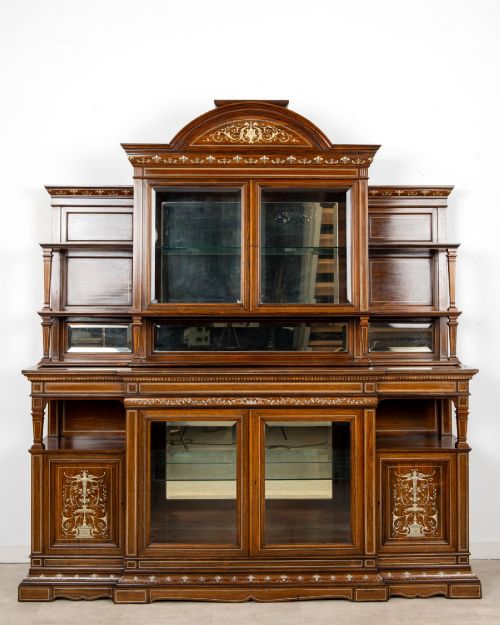
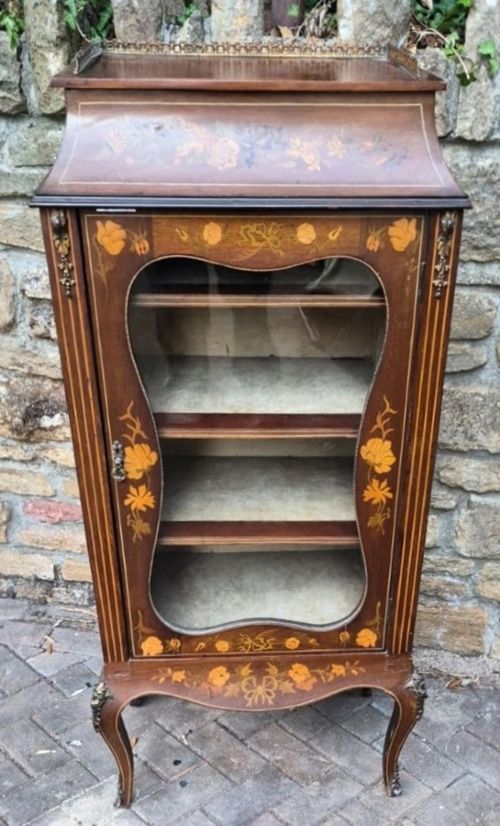
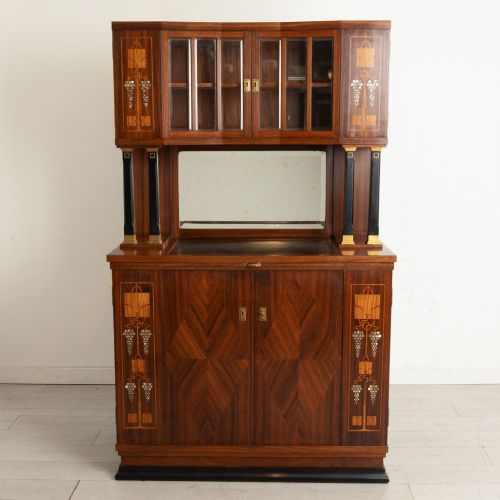
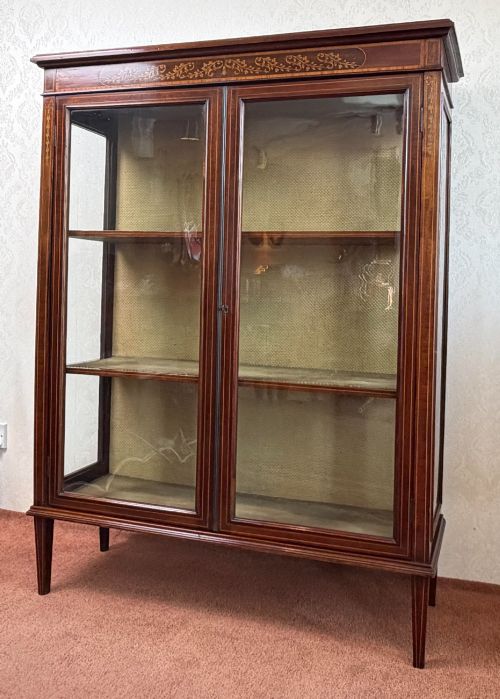
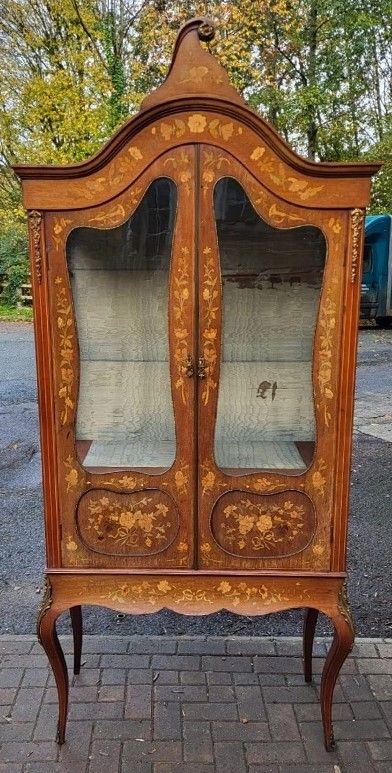
When you search for a marquetry inlay china cabinet, you encounter display cabinets, corner cabinets, and vitrines intended to showcase porcelain and decorative objects behind glass. The pieces seen here span from the eighteenth century through the Victorian and Edwardian eras, with a strong representation of Edwardian and late nineteenth-century examples.
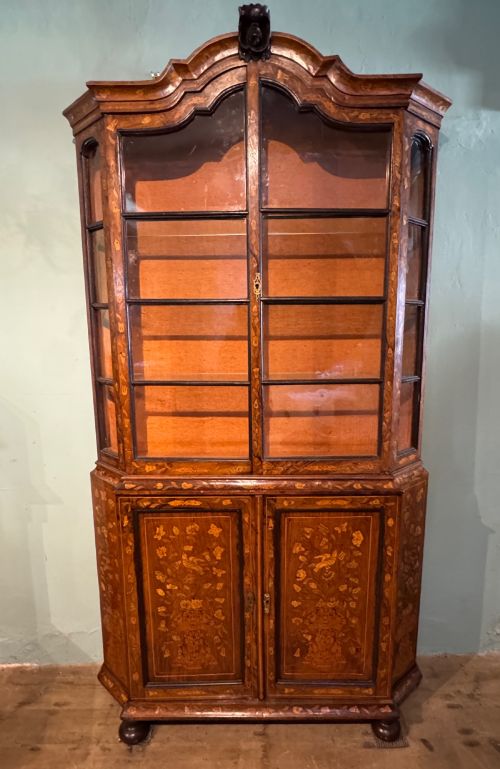
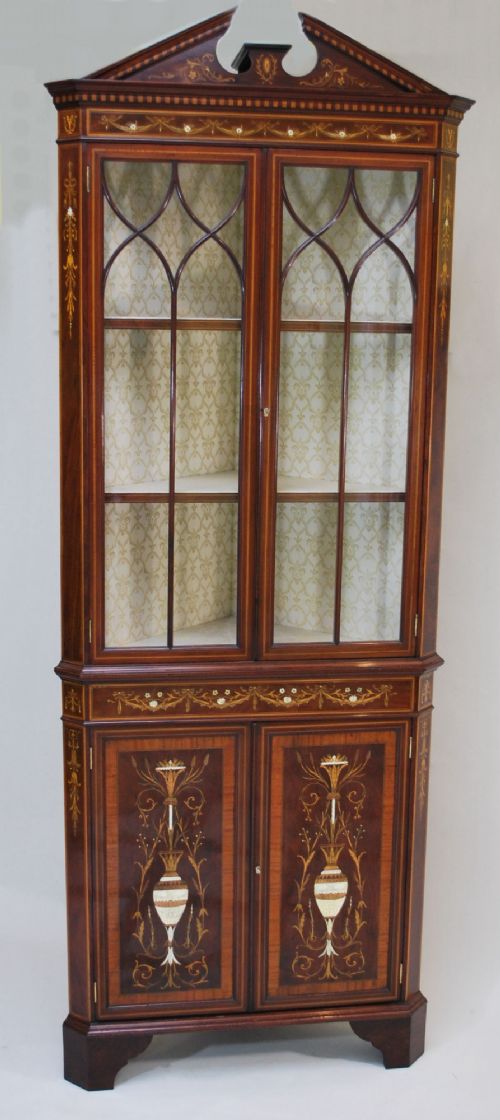
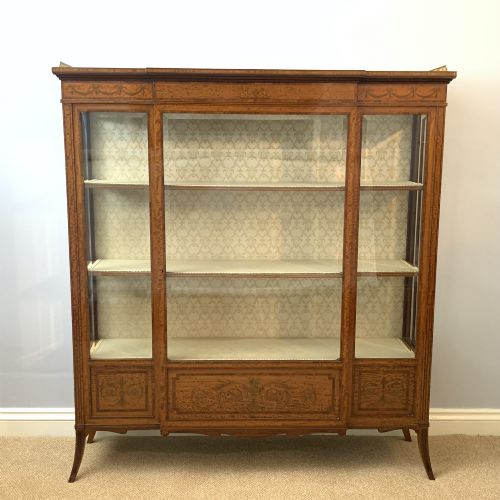
The most common forms on this page include mahogany and satinwood display cabinets, alongside corner cabinets and two-part bookcase combinations. Regional variants such as Dutch marquetry pieces in walnut also appear, reflecting broader European cabinet-making traditions.
How they were made
Cabinet-makers built these pieces using solid timbers and veneered carcases of mahogany, walnut, rosewood, and satinwood, often incorporating glass panels and brass fittings. The characteristic surface ornamentation relies on meticulous marquetry inlay, where fine veneers of contrasting woods are cut and fitted together to form floral or geometric pictorial scenes.
Structural elements include glazed doors with timber or astragal framing, sometimes paired with mirror backs and internal shelving to reflect light through displayed items. Workshops utilised hand-cut dovetails for drawers and traditional joinery methods to stabilise the large expanses of timber required for upright display furniture.
Materials span from brass and mirror glass to satinwood inlay, walnut veneers, and solid mahogany.
What varies in quality
The standard of a marquetry inlay china cabinet depends on the precision of the veneer work and the choice of secondary timbers. Finely executed pictorial marquetry with crisp shading and a rich variety of contrasting woods elevates a piece above simpler linear stringing.
Construction details also dictate distinction, such as the weight of the glass, the elegance of the glazing bars, and the harmony of the proportions between the cabinet body and its base or cornice. Maker attribution, particularly to prominent London firms, further influences the standing of individual examples.
Edwards & Roberts·Collinson & Lock·Maple & Co·August Ungethüm
The Marquetry Inlay China Cabinet Glossary
- Marquetry
- Decorative veneer work assembled to form pictorial patterns or designs on a wooden surface. This technique requires patience and precision to fit different wood species together seamlessly.
- Astragal
- A narrow moulding used to divide panes of glass within a cabinet door. These wooden bars add structural support while creating a refined grid pattern across the display window.
- Vitrine
- A glass-fronted cabinet designed specifically for the display of curiosities and porcelain. The term often describes pieces with glass panels on the sides as well as the front.
- Pier cabinet
- A low cabinet built to fit the narrow wall space between windows, known as a pier. Victorian examples frequently feature glazed doors and elaborate marquetry.
- Satinwood
- A durable, lustrous timber with a yellow-gold sheen used extensively for fine veneers and inlay work. It provides a bright contrast against darker woods like mahogany.
Marquetry Inlay China Cabinet: Frequently Asked Questions
What is a marquetry inlay china cabinet?
A marquetry inlay china cabinet is a glazed display piece decorated with patterned wood veneers, designed to hold and exhibit porcelain.
These pieces range from tall Edwardian two-part cabinets to eighteenth-century Dutch vitrines and Victorian corner units.
How do I date an inlaid cabinet?
Dating relies on identifying stylistic markers, timber choices, and construction techniques associated with periods like the Victorian or Edwardian eras.
Cabinet forms shifted from heavy rosewood and walnut designs in the nineteenth century to lighter satinwood and mahogany revival styles around nineteen hundred.
Where were these cabinets placed?
Cabinet-makers designed these pieces for principal reception rooms, parlours, and drawing rooms where guests gathered.
Corner cabinets utilised unused room angles, while pier cabinets occupied the wall spaces between large windows.
What woods were used for inlay?
Craftsmen used a variety of native and exotic timbers to create contrasting tones within the marquetry designs.
Satinwood, mahogany, walnut, and rosewood appear frequently, providing natural colour variations for floral and geometric motifs.