

Brown Inlaid Cabinet
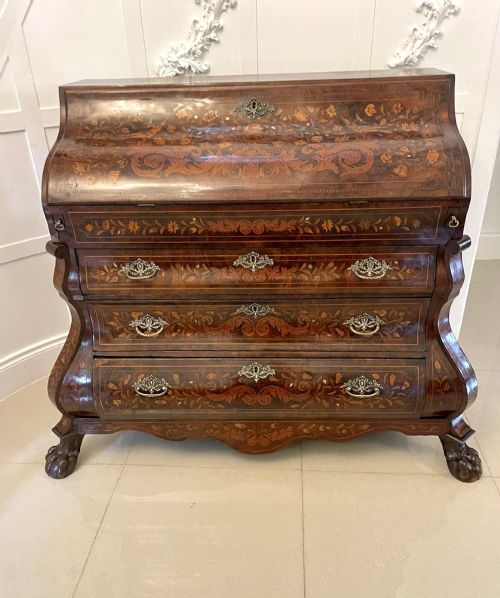
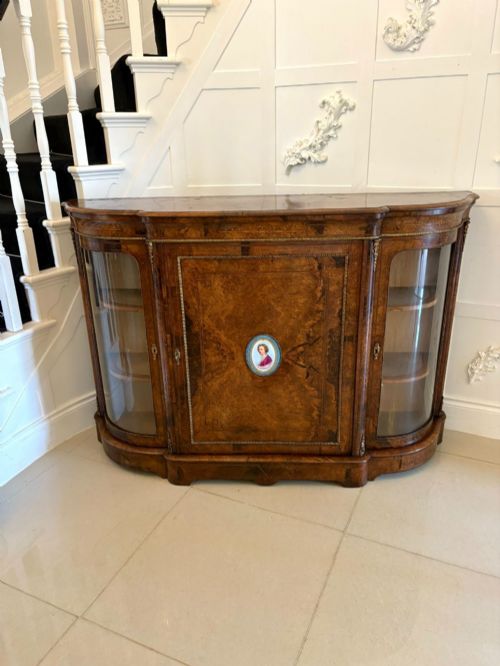
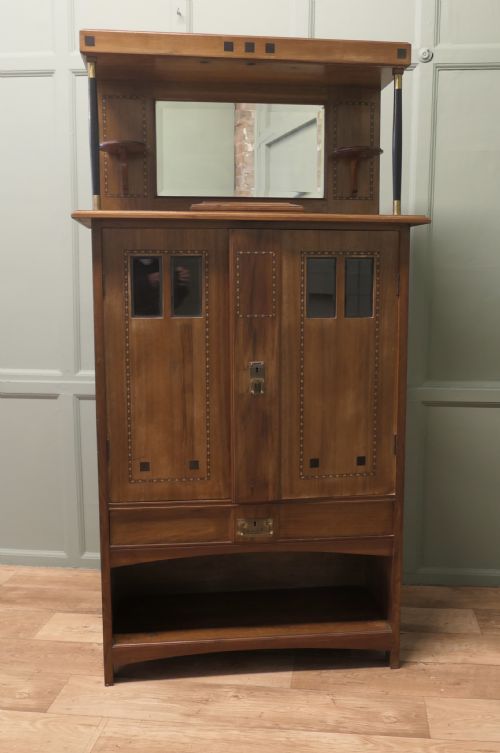
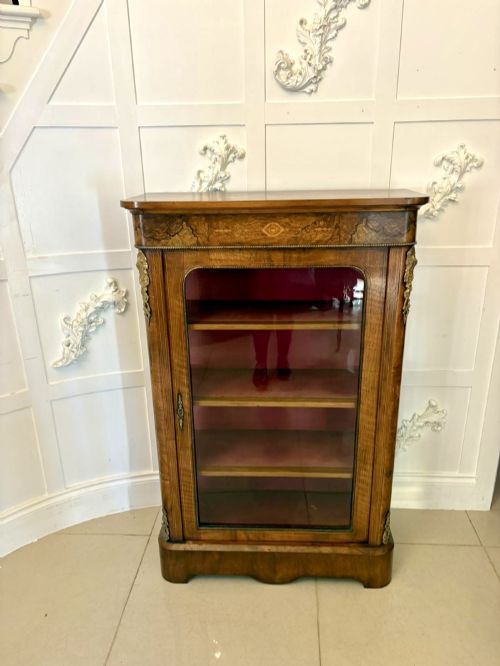
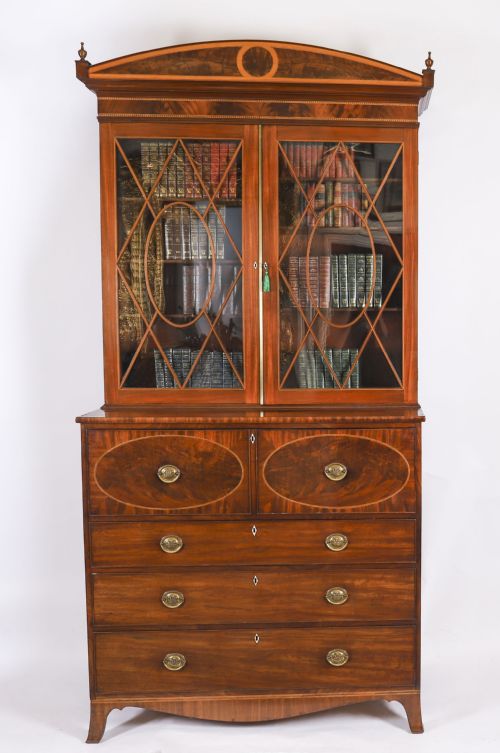
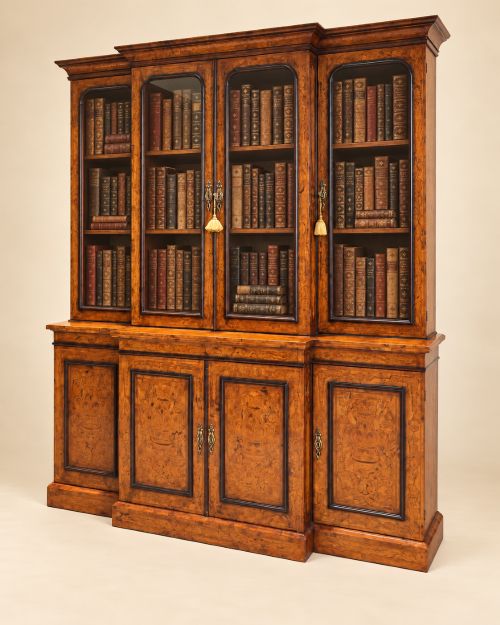
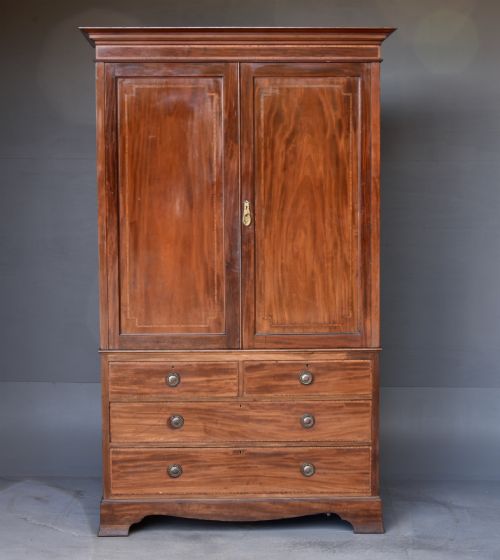
A brown inlaid cabinet combines rich timbers with delicate marquetry, offering both practical storage and decorative presence for the home.
Brown Inlaid Cabinet
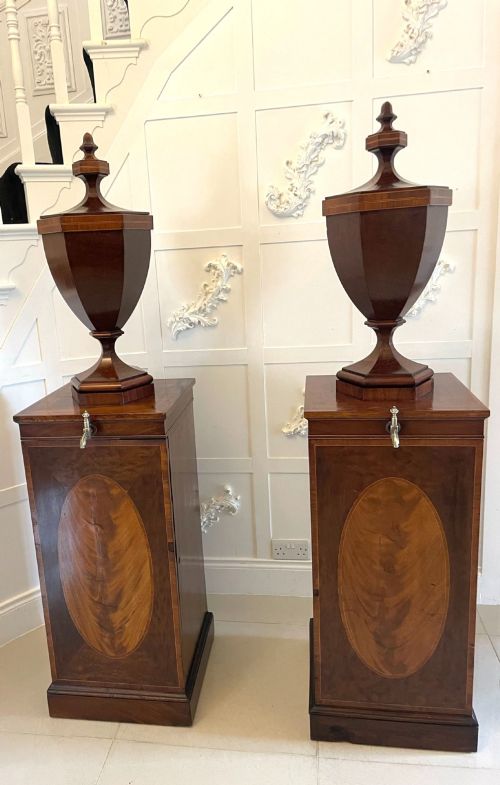
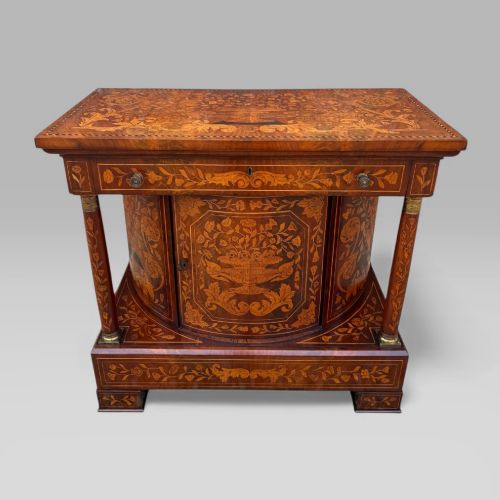
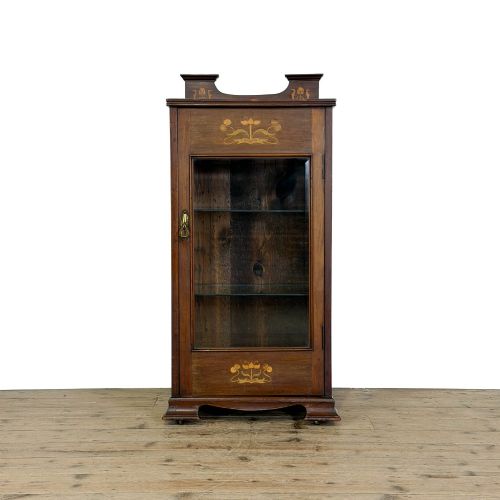
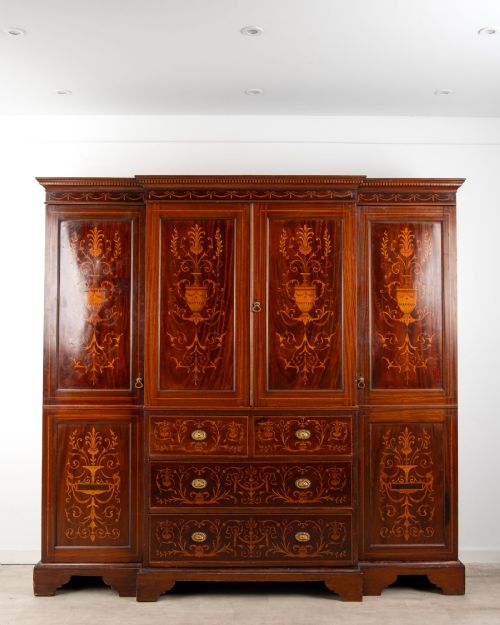
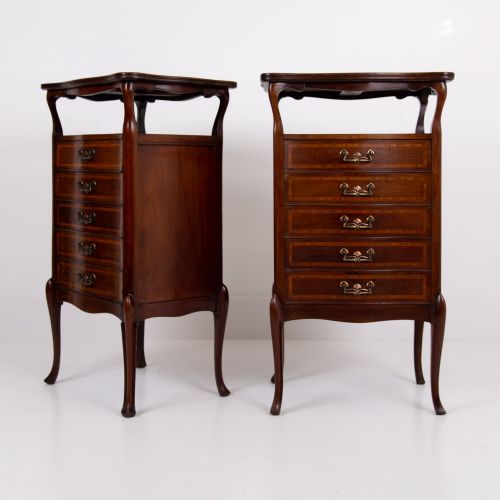
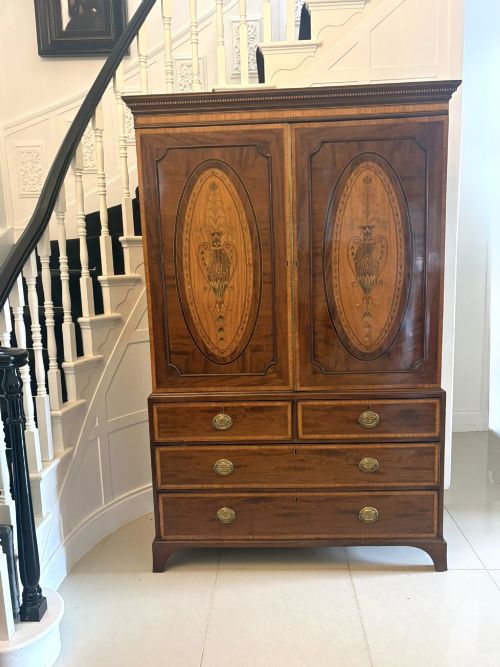
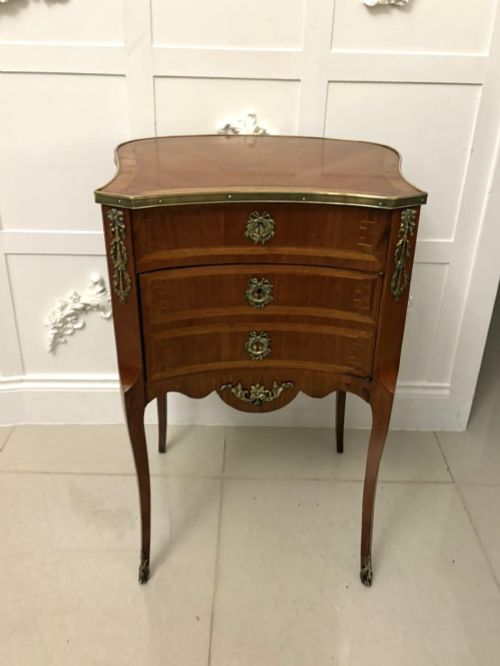
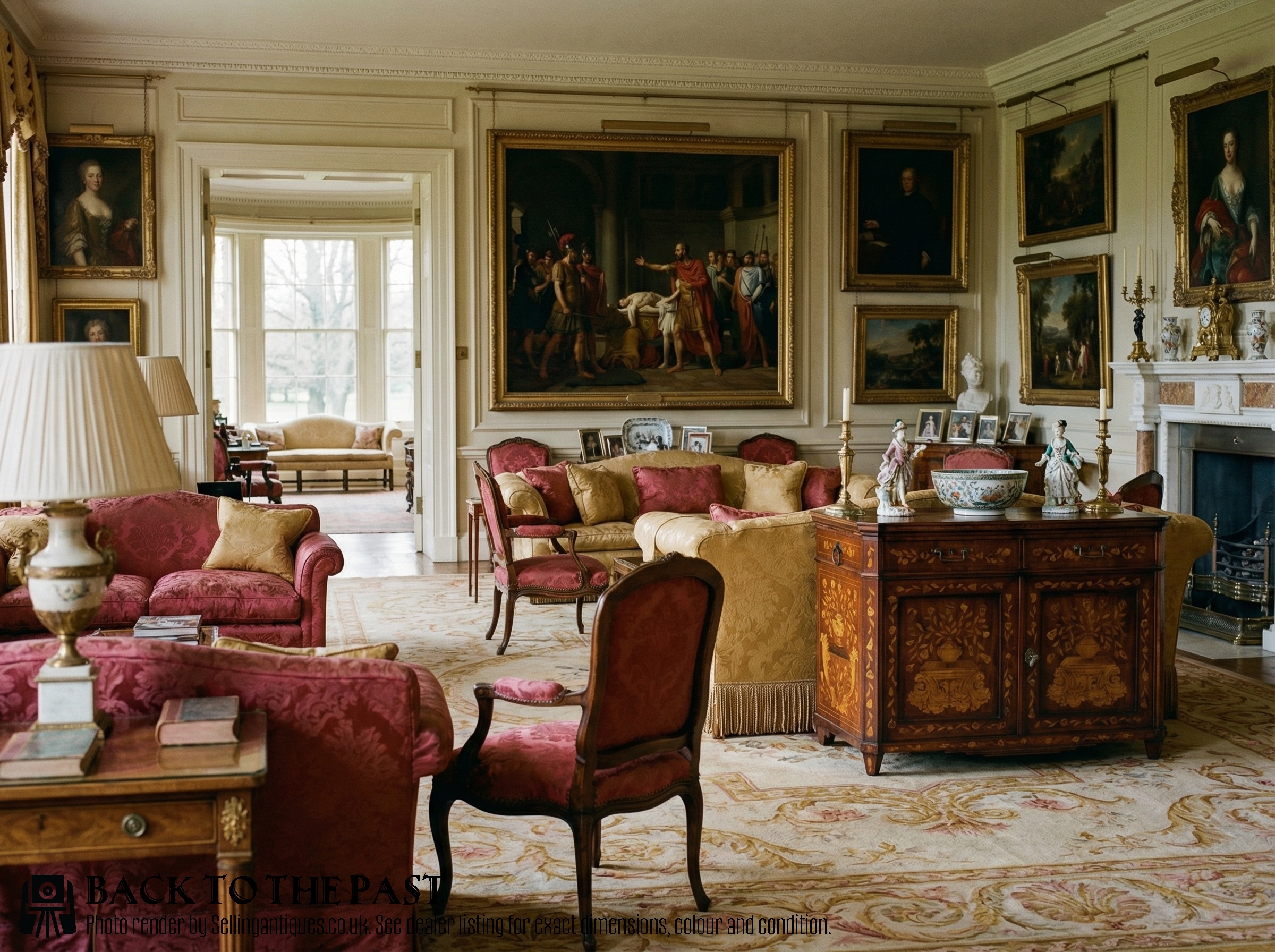
The selection includes Georgian pieces alongside continental styles such as Dutch Baroque and Dutch Rococo, often featuring contrasting timber inlay. Formats range from tall breakfront bookcases and linen presses down to compact bedside units and console wall table cabinets.
Materials and construction methods
Cabinet makers utilised dense primary woods including mahogany, walnut, burr walnut, and oak as the foundational carcass and visible surfaces. These timbers received contrasting lighter inserts and decorative veneers.
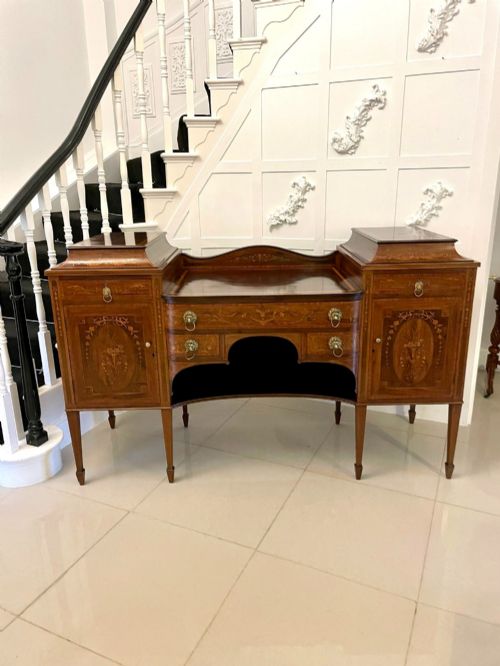
Inlay and marquetry relied on precision cutting of boxwood, satinwood, ebony, and harewood, sometimes accented with brass mounts and ormolu. Artisans also employed floral marquetry and herringbone patterns to create intricate surface detailing.
Periods represented span from the 17th century through the Georgian, Victorian, and Edwardian eras.
Assessing quality and craftsmanship
Quality rests upon the precision of the timber matching and the intricacy of the contrasting inlay work across the doors and panels. Superior pieces display seamless integration of boxwood or satinwood stringing into the primary mahogany or walnut grain.
Construction standards appear in the stability of the carcase, the choice of secondary timbers, and the retention of original hardware such as brass handles and glass panes. Finer examples exhibit meticulous attention to internal drawer linings and harmonious proportion.
Hewetsons London·Edwards and Roberts·Collinson and Lock
The Brown Inlaid Cabinet Glossary
- Marquetry
- A decorative technique where pieces of veneer are fitted together to form pictorial or geometric designs on a wooden surface.
- Stringing
- Thin lines of contrasting wood inlaid into the surface of a cabinet to form borders or geometric outlines.
- Credenza
- A sideboard or low cabinet designed for display and storage, often featuring glass panels and brass mounts.
- Compactum
- A large wardrobe featuring a combination of hanging space, shelves, and internal drawers.
- Ormolu
- Gilded bronze used for decorative mounts, feet, and keyhole escutcheons on period furniture.
Brown Inlaid Cabinet: Frequently Asked Questions
What periods do these cabinets date from?
The available selection spans from the seventeenth century through the Georgian, Victorian, and Edwardian eras up to the early twentieth century. Pieces from each period reflect distinct prevailing design movements, from Dutch Baroque to Sheraton Revival and Art Nouveau.
Craftsmen across these eras adapted native and exotic woods to suit changing domestic requirements, resulting in diverse forms ranging from large linen presses to delicate display cabinets.
How do I distinguish mahogany from walnut cabinets?
Mahogany typically exhibits a reddish-brown hue with a straight, uniform grain that deepens in colour over time. Walnut often displays a darker, richer brown tone accompanied by complex grain patterns and striking figuring.
Burr walnut, frequently seen on Victorian and Edwardian pieces, shows highly decorative swirling knots formed from tree growths. Both timbers provide durable surfaces for intricate boxwood and satinwood inlay.
Where were these cabinets placed in a historic home?
Larger pieces such as bureau bookcases, linen presses, and compactum wardrobes stood in principal bedchambers, libraries, and studies for storing garments and documents. Sideboards, credenzas, and display cabinets occupied dining rooms and reception spaces to showcase silver and porcelain.
Smaller side cabinets and bedside units served functional purposes in private chambers and hallways. Their versatile forms allowed them to adapt easily to domestic interiors across multiple centuries.
What is the difference between inlay and marquetry?
Inlay involves embedding pieces of contrasting material into cavities carved directly into the solid wood foundation of the cabinet. This method frequently creates linear borders and geometric patterns using woods like boxwood or ebony.
Marquetry assembles entire pictures or decorative motifs from thin veneers on a paper backing before gluing the complete composition onto the carcase. Both techniques frequently appear together on refined period furniture.