
Brown Hallway Table
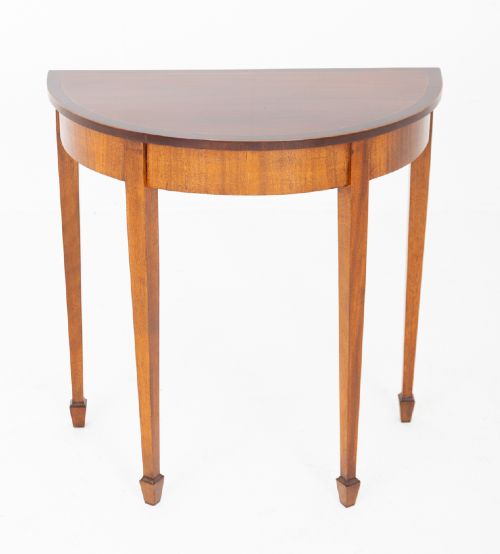
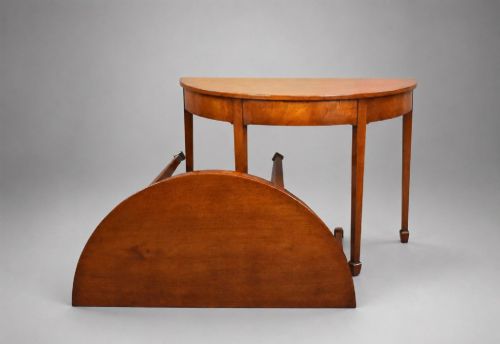
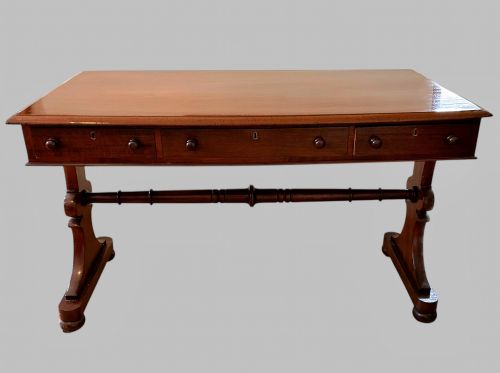
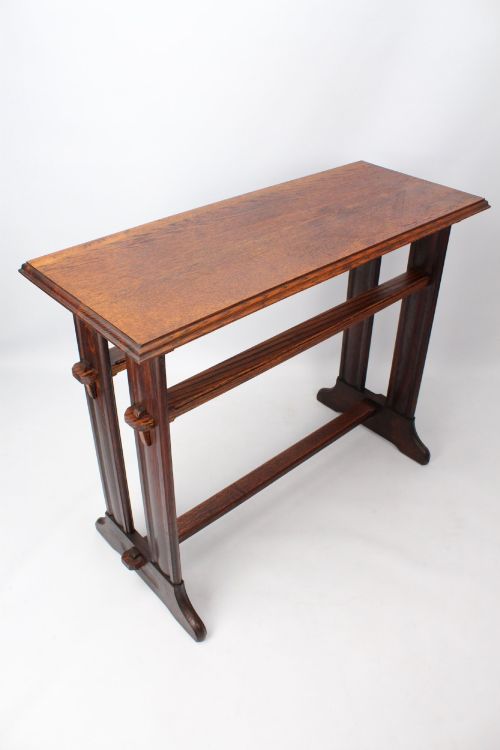
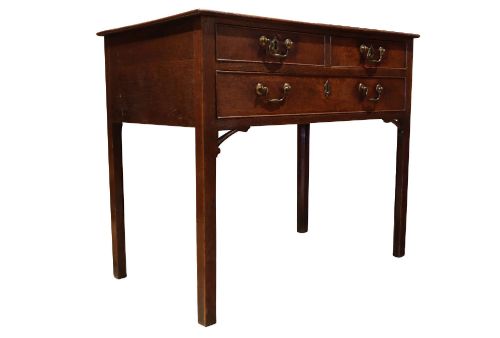
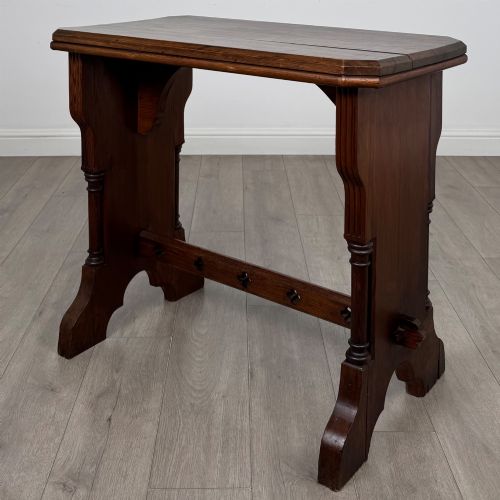
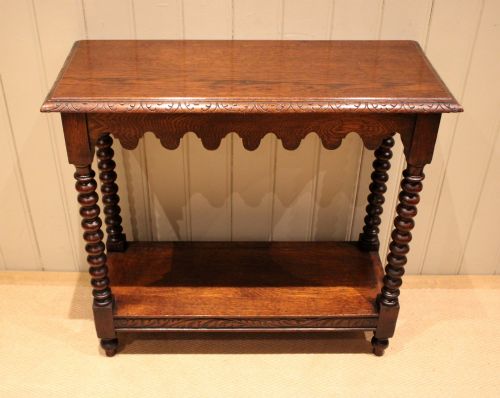
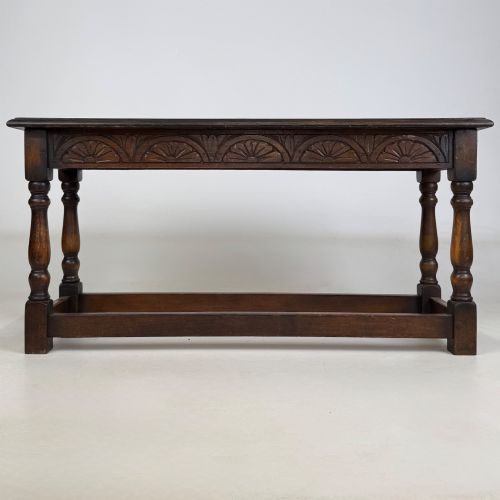
A brown hallway table grounds an entrance with practical surface space and period character, bringing timber warmth straight to the front door.
Brown Hallway Table
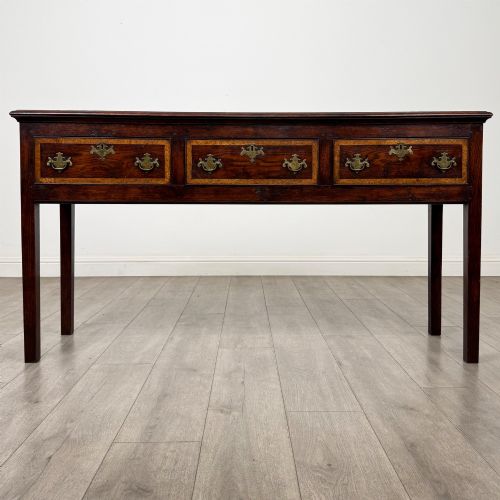
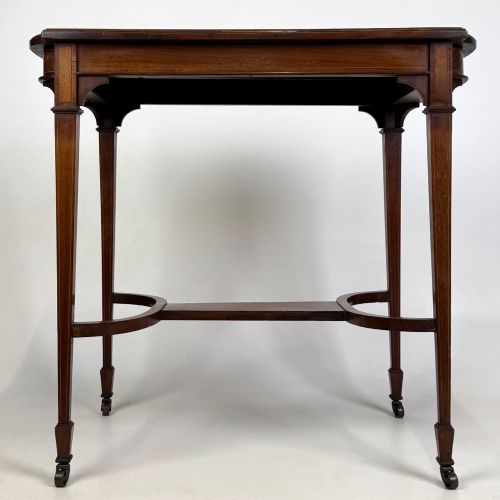
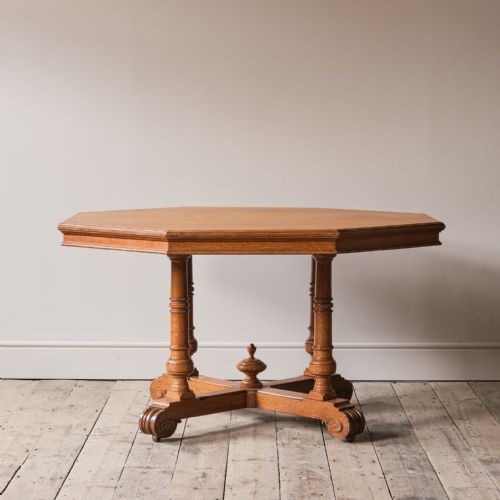
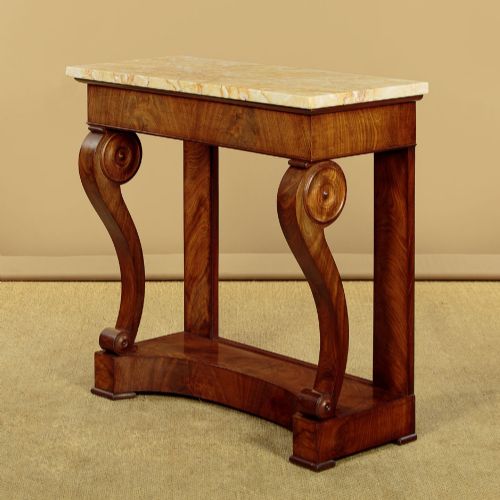
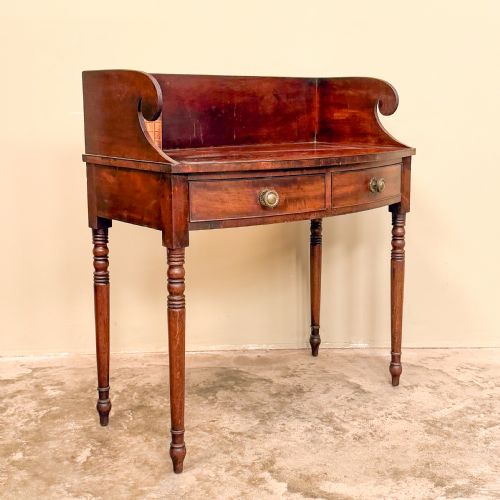
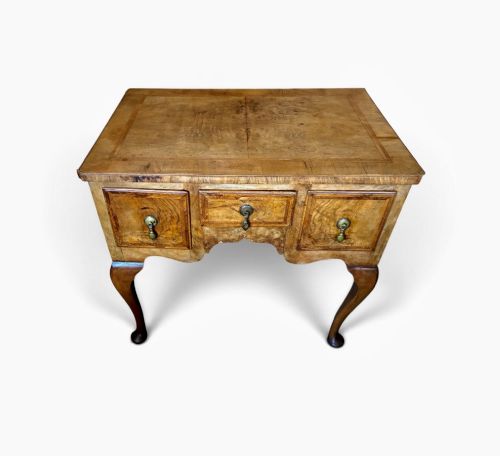
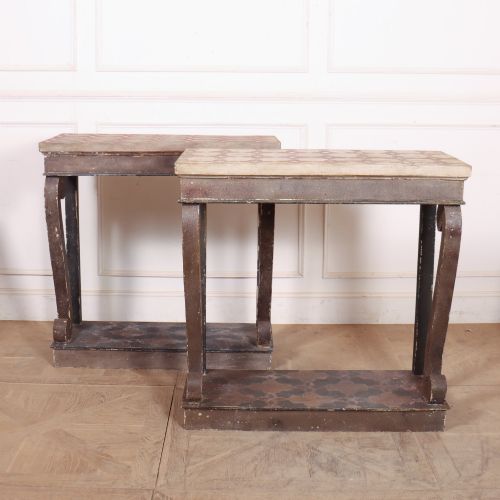
A brown hallway table typically takes the form of a console table, side table, or lowboy suited to narrow passages. These pieces span periods from the seventeenth century through the Edwardian era, taking shape in oak, mahogany, and walnut.
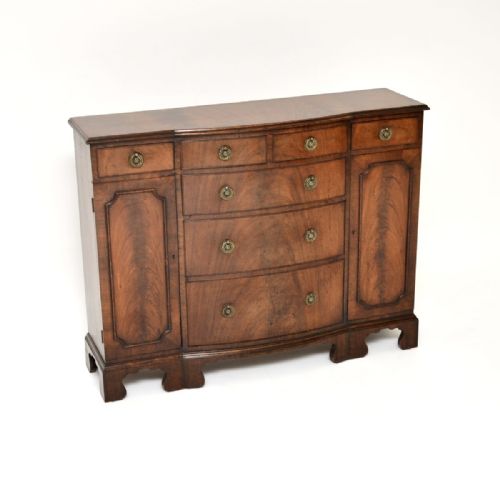
The selection ranges from Georgian mahogany tea tables and George III oak pieces to Edwardian inlaid side tables and Victorian library tables. Console tables and dresser bases appear frequently, offering various depths for narrow circulation spaces.
Materials and Construction
Timbers such as oak, mahogany, walnut, and burr walnut form the primary structure of these tables, often enhanced by wood inlay, brass fittings, or marble tops. Pitch pine and Spanish walnut also feature among regional and continental examples.
Joinery techniques span traditional hand-carving, wood inlay work, and solid construction methods seen in late Victorian and Edwardian workshops. Finishes rely on polished figured walnut or plain oak surfaces that highlight the natural grain of the wood.
Periods represented span from the seventeenth century through the Georgian, Victorian, and Edwardian eras.
Craftsmanship and Proportion
Quality rests upon timber selection and structural integrity, distinguishing solid mahogany or burr walnut constructions from simpler pine carcasses. Figured veneers and precise wood inlay denote higher workshop output.
Proportion dictates utility in a passage, separating bespoke console tables and smaller lowboys from bulkier sideboards. Refined carving and original brass hardware further elevate the standing of a piece.
M. D. Miller & Sons·Hubert Simpson of Kendal
The Brown Hallway Table Glossary
- Console table
- A table designed to stand against a wall, frequently fitted with brackets or slender legs. These forms suit entrance spaces where floor depth is restricted.
- Lowboy
- A small seventeenth or eighteenth-century table with drawers, resembling a low dressing table or side table. They provide compact storage beneath a flat top.
- Dresser base
- A robust lower sideboard or serving table featuring drawers and sometimes cupboards. Oak examples from the seventeenth and eighteenth centuries are common.
- Demi lune
- A half-moon shape used for console and side tables. This profile allows the piece to sit flush against a wall while projecting outward at the centre.
- Wood inlay
- The technique of inserting pieces of contrasting timber into a solid wood surface to create decorative patterns. Edwardian and Georgian tables frequently employ this method.
Brown Hallway Table: Frequently Asked Questions
What is a brown hallway table used for?
These tables provide a convenient surface in entrance halls for dropping keys, post, and small items upon arrival. Their shallow depth allows them to sit against narrow walls without obstructing pathways.
Larger versions with drawers or lower shelves also offer concealed storage for household sundries while anchoring the hallway decor.
How do I choose the right size?
Measure the available wall space and verify the depth of the passage to ensure unobstructed movement past the furniture. Narrow console tables and lowboys work best in restricted corridors.
Consider the height in relation to hallway mirrors or wall mouldings to maintain balanced proportions within the room.
How do I tell Georgian tables from Edwardian pieces?
Georgian tables from the eighteenth and early nineteenth centuries typically feature solid mahogany or oak construction with restrained classical lines. They rely on proportion and timber grain rather than heavy ornamentation.
Edwardian reproductions and original pieces from around 1900 frequently incorporate delicate wood inlay, lighter satinwood banding, and revival styles referencing earlier Queen Anne or Georgian eras.
How should I care for timber surfaces?
Maintain polished wood by dusting regularly with a soft, dry cloth and applying periodic coats of appropriate wax to nourish the grain. Avoid placing tables in direct sunlight or near heat sources to prevent wood splitting.
Use coasters under drinks and protective pads beneath objects to safeguard antique polishes and marble tops from rings and scratches.