

20th Century Console Tables
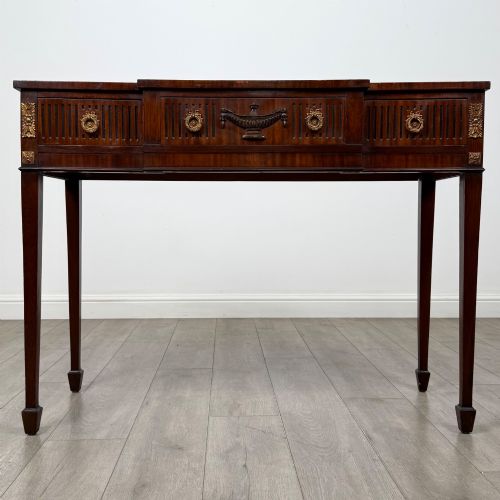
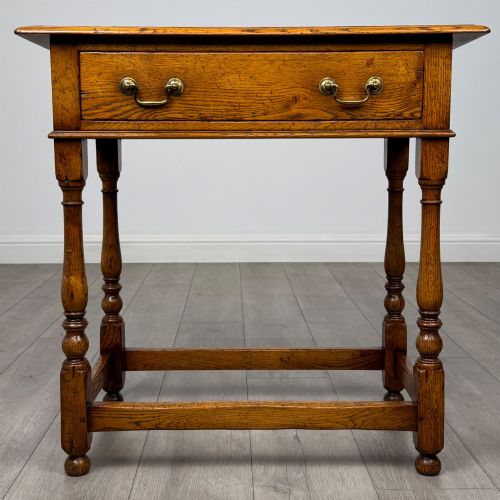
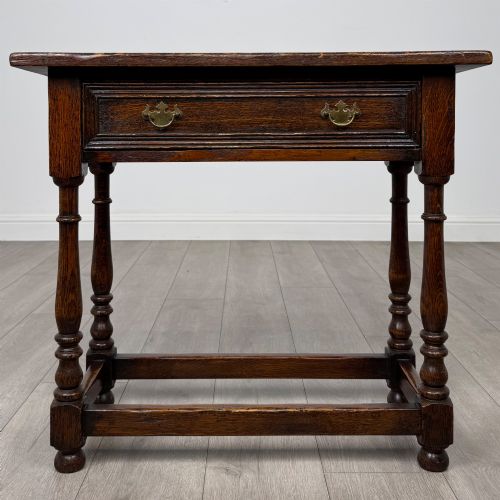
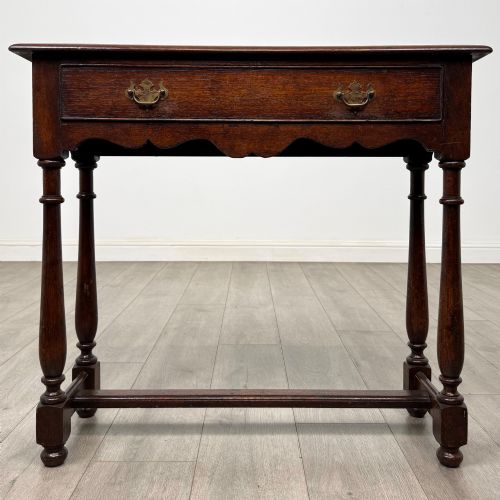
These 20th century console tables are versatile architectural surfaces crafted to anchor a hallway or reception room with period character.
20th Century Console Tables
When you search for 20th century console tables, you encounter a diverse array of narrow side tables, pier tables, and writing surfaces produced across the Edwardian era and into the 1930s. The most common forms on this page stem from Edwardian workshops, alongside earlier Victorian survivals and later revival pieces from the 1920s and 1930s.
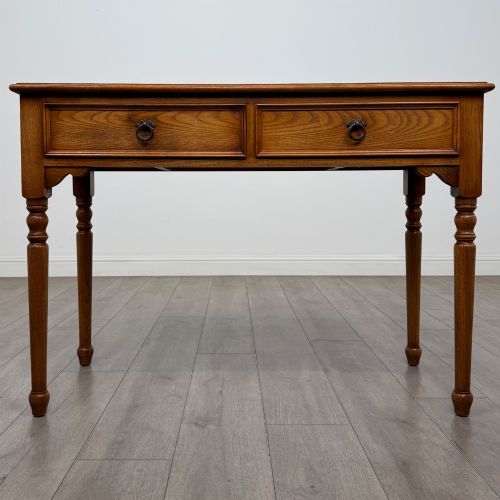
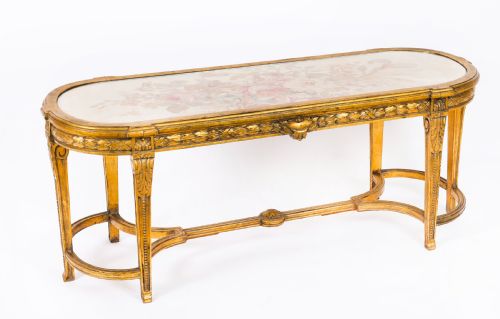
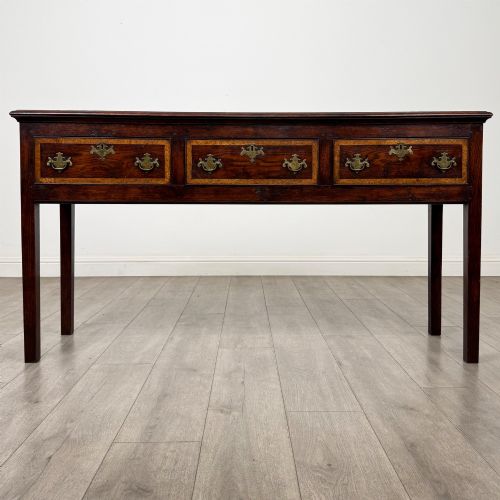
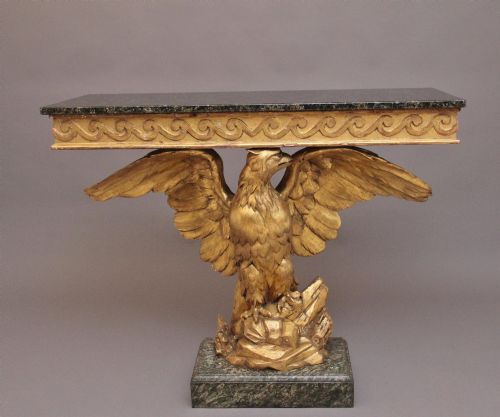
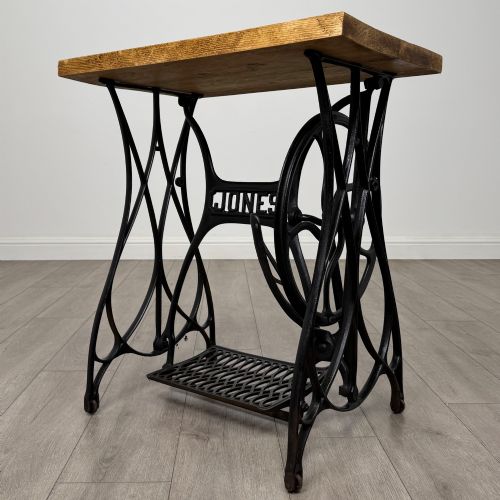
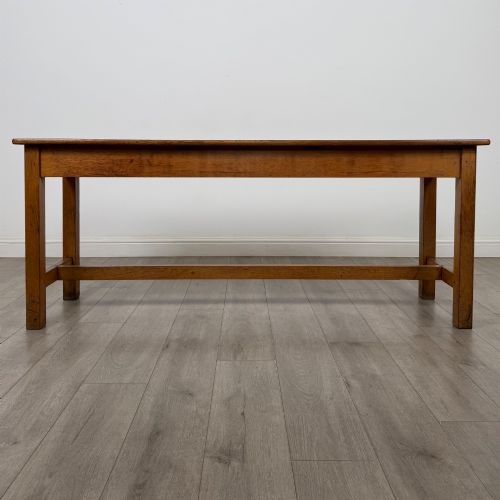
The selection ranges from rustic oak farmhouse pieces and industrial iron frames to highly decorative Italian and French giltwood designs with marble tops. Many examples adopt specific historical idioms, including Jacobean, Louis XVI, Chippendale, and Neoclassical revivals, blending utility with decorative theatricality.
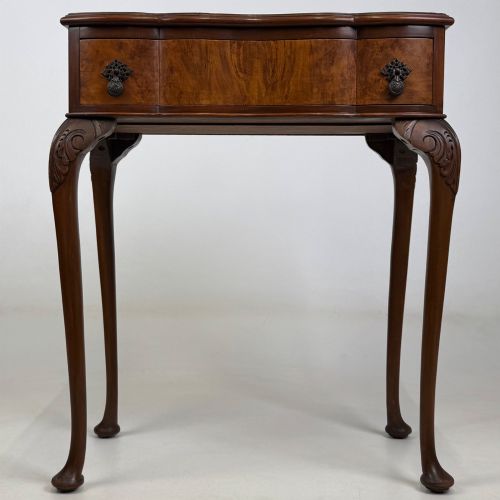
Makers utilised traditional forms such as serpentine fronts, demi-lune shapes, and drop-leaf mechanisms to fit narrow corridors and drawing rooms. These tables functioned variously as display surfaces, library tables, and games tables, adapting domestic spaces to changing social habits.
How they were made
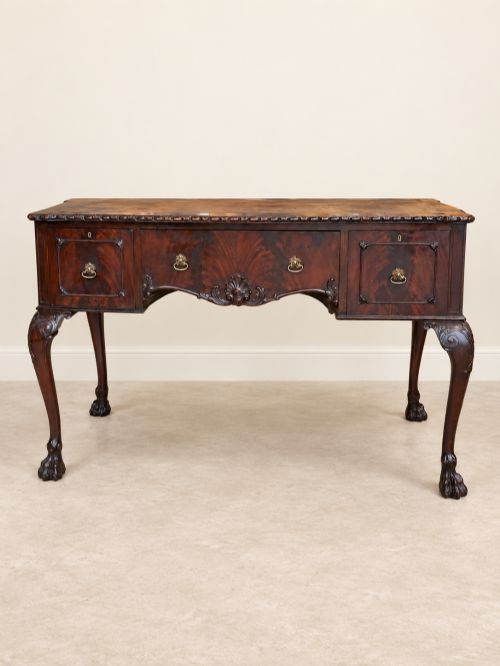
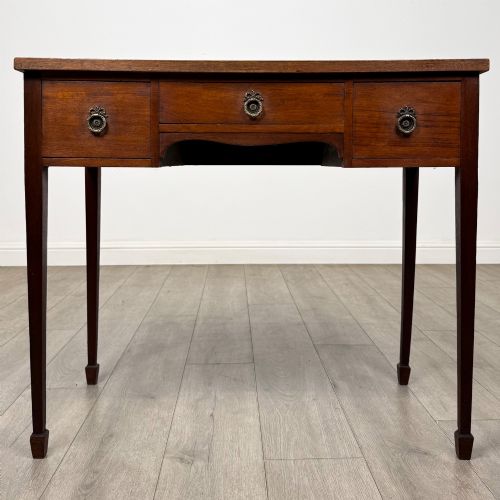
Cabinet makers relied predominantly on timber construction, employing solid oak, figured mahogany, walnut, and pine, frequently supplemented by applied carvings or turned legs. Workshops also integrated brass handles, cast-iron structures, and bamboo frameworks to achieve specific industrial or eclectic aesthetic goals.
Surface ornamentation defined many high-end pieces, utilising hand-painted finishes, red lacquered Chinoiserie, giltwood detailing, and parcel-gilt treatments. Marble tops, including specimen marble inserts, were integrated into heavy timber or gilded frames, particularly on French and Italian console tables.
What varies in quality
The distinction between standard utility items and top-tier exhibition pieces lies in the ambition of the design and the pedigree of the execution. Pieces originating from named makers or specialised continental workshops display superior hand-carved detailing, balanced proportions, and sophisticated surface treatments like parcel-gilding or detailed hand-painting.
Material selection and structural integrity further divide the range, separating everyday pine and standard oak tables from finely figured walnut, serpentine mahogany, and heavy, polished marble tops. The integration of matching mirrors or complex underframes points to a higher level of original commissioning.
Pietro Ferrario
The 20th Century Console Tables Glossary
- Console table
- A table designed to stand against a wall, frequently supported by decorative brackets or legs rather than a full four-legged freestanding frame. These surfaces historically held ornaments or lamps in hallways and reception rooms.
- Demi-lune
- A half-moon shape used for table tops and cabinet fronts, allowing the furniture to sit flush against a wall while projecting into the room. This profile is common in late neoclassical and revival console designs.
- Giltwood
- Timber that has been coated with a thin layer of gold leaf or gilt powder. It is frequently found on elaborate French and Italian revival frames.
- Specimen marble
- A decorative arrangement of various coloured marbles assembled in geometric or pictorial patterns. This technique appears on high-end table tops.
- Serpentine
- A furniture front or edge shaped with a curving line, featuring a convex centre flanked by concave sides. This contour requires advanced woodworking skill.
- Lowboy
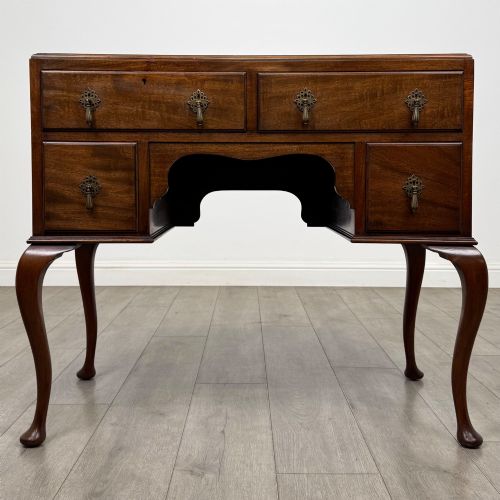
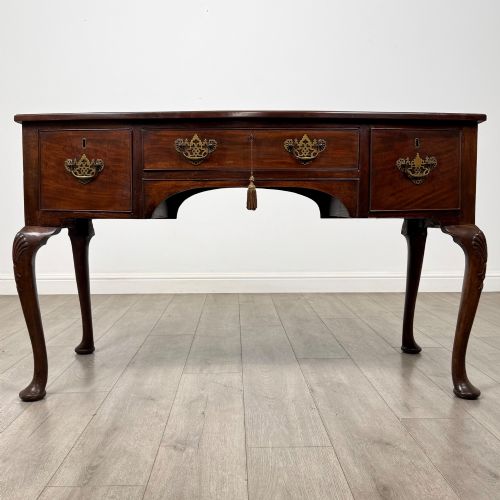
- A small oak or walnut table with drawers, resembling a low dressing table or side table. These pieces often feature cabriole legs and Queen Anne styling.
20th Century Console Tables: Frequently Asked Questions
What is a 20th century console table used for?
These tables served primarily as decorative and functional furniture placed against interior walls in hallways, drawing rooms, and libraries. They provided a stable surface for displaying ornaments, lamps, and clocks without obstructing narrow pathways.
In domestic settings, certain variations also doubled as writing surfaces, sideboards, or games tables for cards. Their narrow profile made them adaptable to transitional spaces where bulkier furniture would not fit.
How do I identify the period of a console table?
Dating relies on observing the combination of primary timbers, construction methods, and stylistic revival motifs. Edwardian and 1920s pieces frequently blend traditional forms with lighter proportions or specific revival idioms like Jacobean or Neoclassical.
Examine the secondary woods, fixings, and overall wear patterns to distinguish between original early century manufacture and later reproductions. Continental examples often reveal their era through specific painted finishes, gilt techniques, and marble selection.
Where should I place a console table at home?
Console tables sit naturally in entrance halls, living rooms, and dining spaces where floor space is limited. Their narrow depth allows them to line corridors or fill awkward wall spaces beneath artwork and mirrors.
Pairing a console table with a matching wall mirror, as seen in traditional continental drawing rooms, creates a cohesive focal point. They also function effectively behind sofas or as serving surfaces in dining areas.
What styles are common in 20th century console tables?
The inventory reflects a strong preference for historical revivals, including Georgian, Chippendale, Louis XVI, and Jacobean styles. Makers reinterpreted these classic aesthetic vocabularies using early twentieth-century woodworking techniques.
Alongside formal revival pieces, country house styles, industrial iron frames, and Chinoiserie lacquered finishes appear frequently. This mix reflects the eclectic interior design tastes prevalent during the Edwardian period and the 1920s and 1930s.