

Victorian Style Side Table
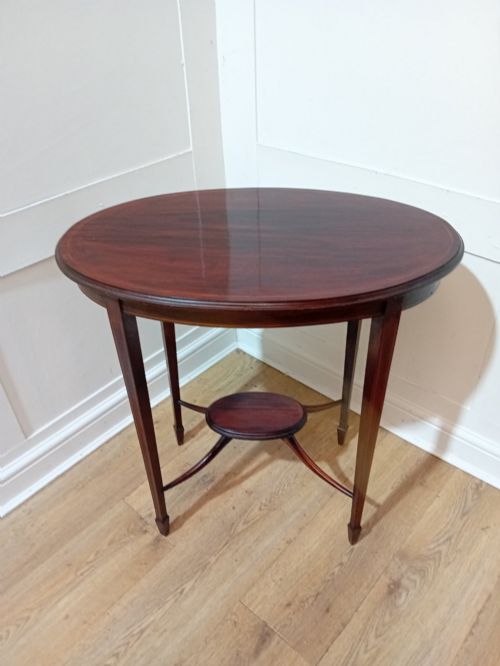
When you search for a victorian style side table, you are looking at small tables spanning the nineteenth century in woods like mahogany, walnut and kingwood.
Victorian Style Side Table
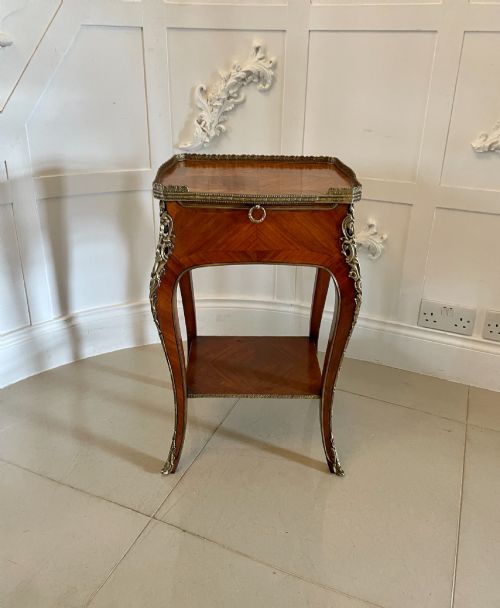
A victorian style side table encompasses occasional, centre, lamp and writing tables created during the nineteenth century and into the early twentieth century. These pieces appear in varied regional English tastes alongside continental revivals like Louis XV and French freestanding designs.
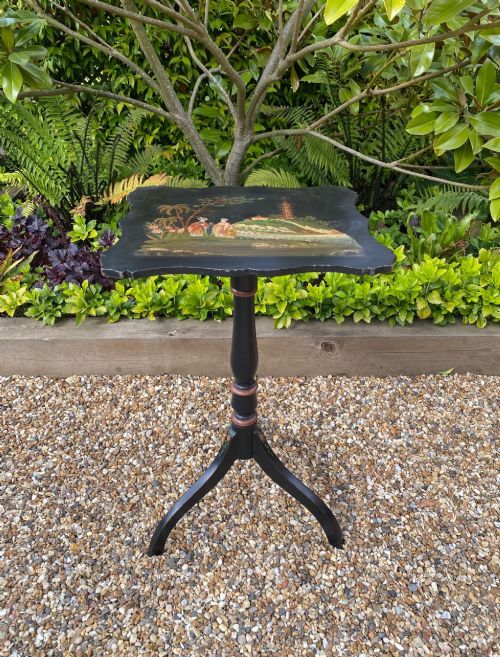
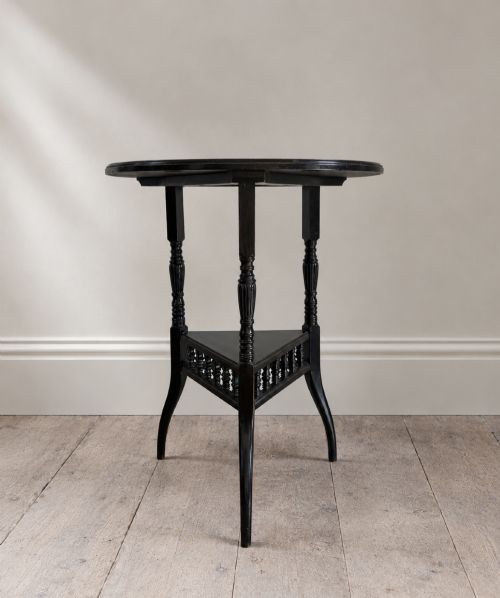
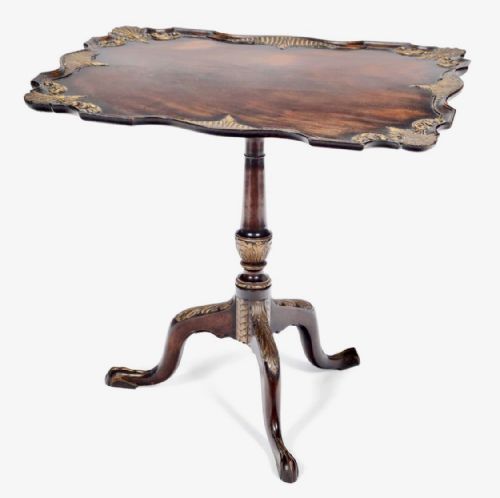
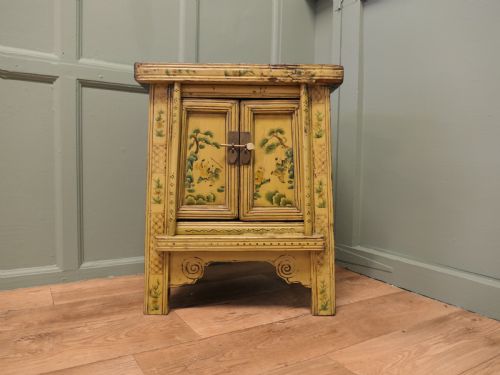
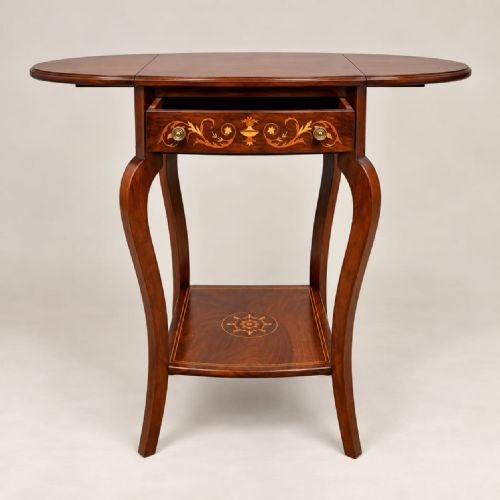
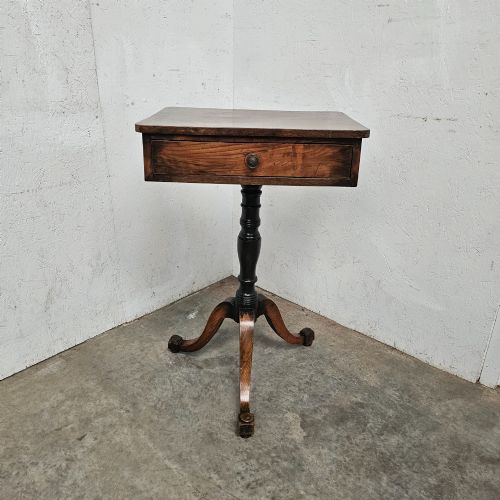
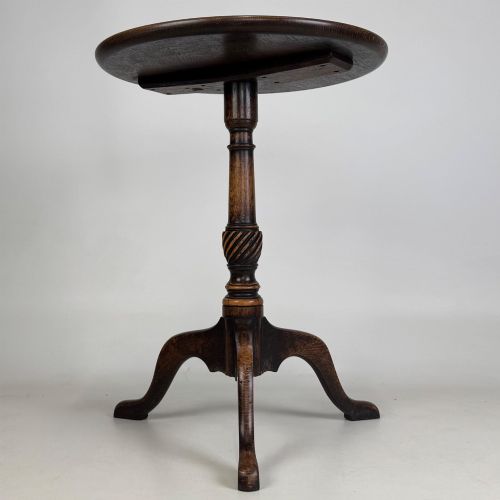
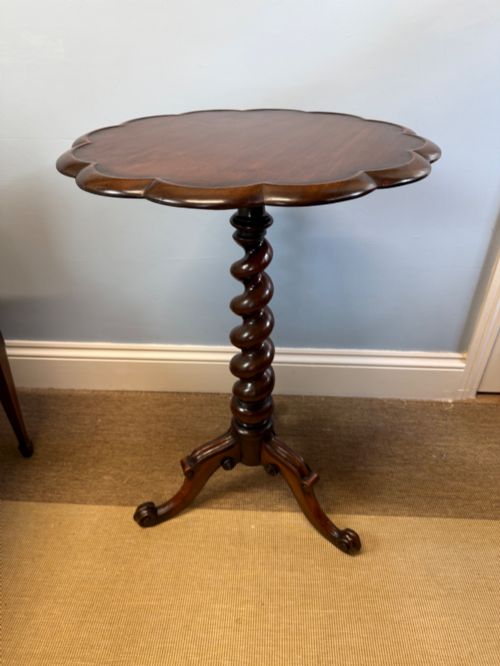
The most common formats on this page include mahogany tilt-top tripod tables, inlaid satinwood lamp tables and ebonised occasional pieces. Makers utilised diverse forms such as demi-lune consoles, drop-leaf occasional tables and carved oak or pine side tables with drawers.
Materials and Construction
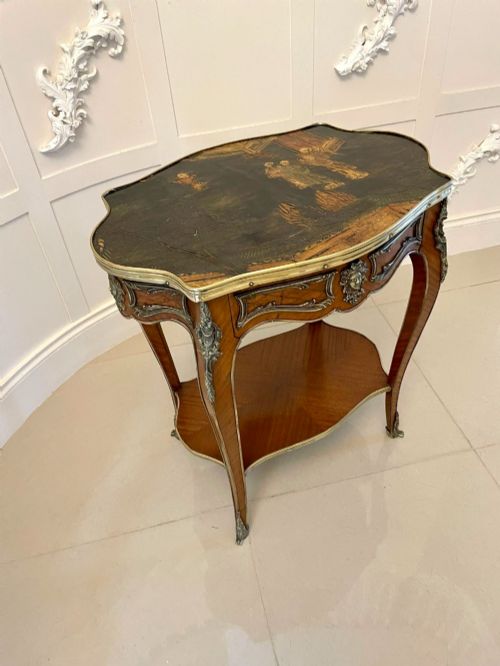
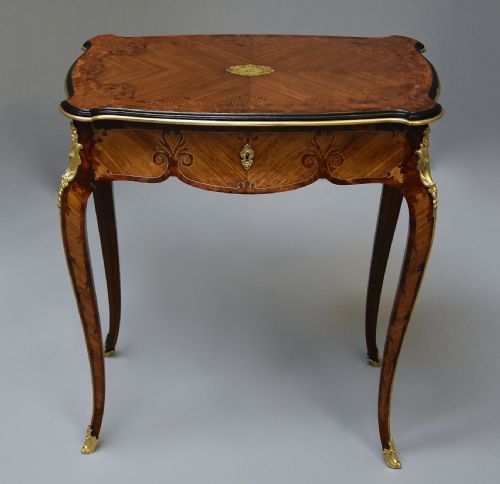
Cabinet makers utilised dense hardwoods including mahogany, walnut, rosewood and kingwood, often embellished with satinwood inlay, brass mounts or ormolu. Structural framing relies on solid oak or pine, while specialist finishes incorporate ebonising, parcel gilt, lacquer and painted chinoiserie decoration.
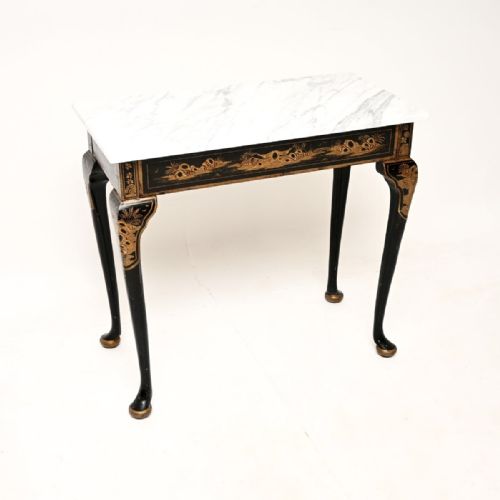
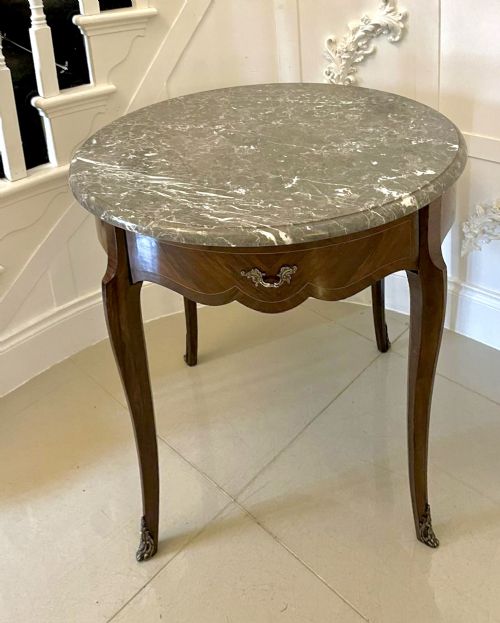
Top surfaces frequently pair timber frames with inset marble slabs, such as rouge marble, or employ sophisticated tilt mechanisms on tripod bases. Joinery methods range from simple drawer construction to intricate parquetry and bone inlay found in Anglo-Indian and Moorish revival pieces.
An eccentric late Victorian elephant table complete with painted wooden tusks demonstrates the era's taste for novelty furniture.
Craftsmanship and Proportion
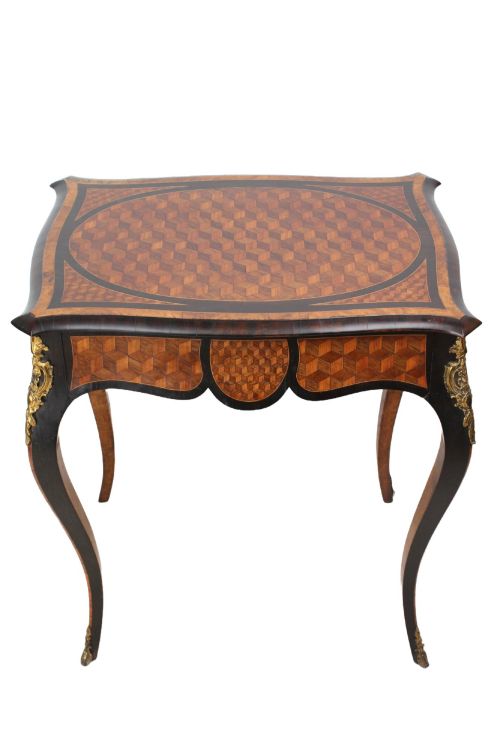
Quality separates through the crispness of carved details, such as parcel gilt foliage or chip-carved ebonising, and the precision of parquetry and satinwood marquetry. Superior examples display balanced proportions, sophisticated internal mechanisms on occasional tables, and high-grade gilt-bronze or ormolu mounts.
Lesser pieces rely on plain secondary timbers and simpler turned supports, whereas top-tier items reflect the refined joinery and material selection associated with notable cabinet makers and distinctive revival styles.
JAS Shoolbred·Gillows·Liberty & Co·Maple & Co·Edwards & Roberts
The Victorian Style Side Table Glossary
- Tilt top
- A table top hinged to the pedestal base so it can be tipped vertically when not in use. This mechanism saved space in nineteenth-century drawing rooms.
- Ormolu
- Gilded bronze mounts applied to furniture frames for decoration. It provided a bright metallic contrast against dark kingwood or mahogany.
- Parquetry
- Geometric patterns formed by small pieces of wood veneer fitted together on a surface. It required precise cutting to achieve seamless visual continuity.
- Chinoiserie
- European imitation of traditional Chinese artistic styles, typically featuring painted or lacquered scenes on cabinets and tables.
- Ebonised
- Timber treated with a dark stain or finish to imitate ebony. This technique gained popularity during the Arts and Crafts and aesthetic movements.
Victorian Style Side Table: Frequently Asked Questions
What is a Victorian side table used for?
These small tables served multiple domestic purposes across nineteenth-century interiors, acting as surfaces for lamps, writing or holding decorative objects in reception rooms.
Their compact sizes allowed them to sit beside seating or against walls in hallways and bedrooms without dominating the floor plan.
What woods were used for Victorian tables?
Cabinet makers predominantly worked with dense hardwoods like mahogany, walnut, rosewood and kingwood for visible surfaces and decorative veneers.
Secondary woods such as oak and pine formed internal framing, drawer linings and structural supports beneath the polished exteriors.
How do I live with antique side tables?
These tables adapt easily to modern rooms as lamp stands, bedside surfaces or accent pieces beside contemporary seating arrangements.
Protecting polished timber surfaces from direct heat and moisture preserves the original nineteenth-century finish and decorative inlays.