

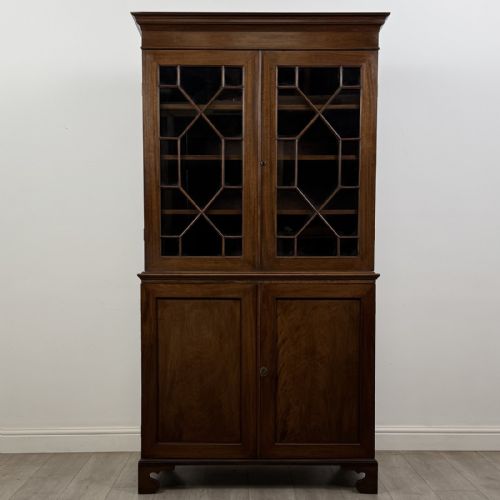
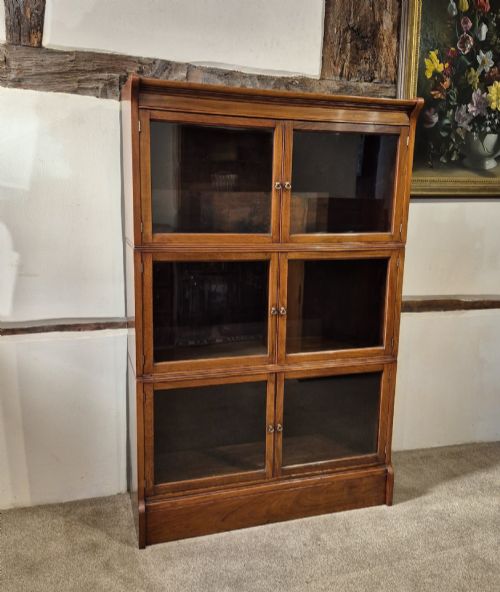
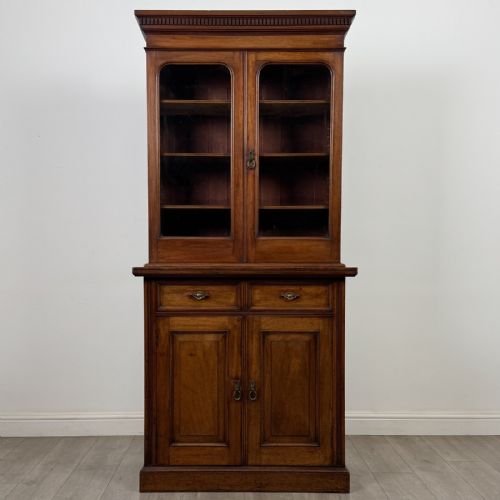
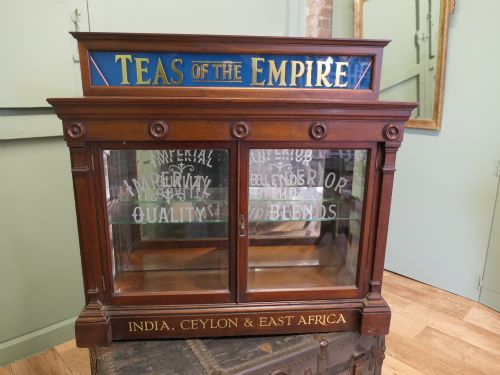
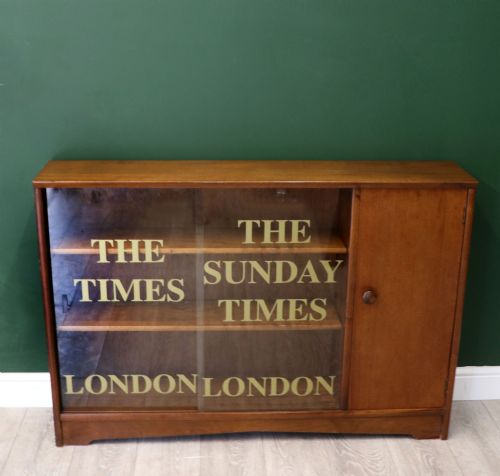
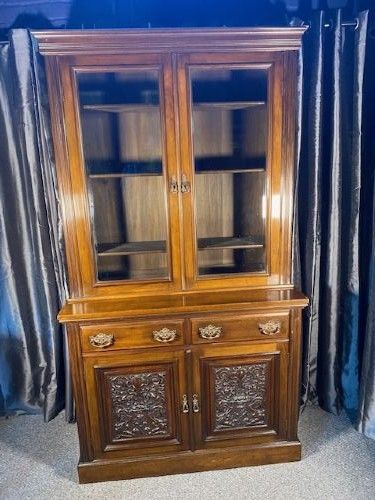
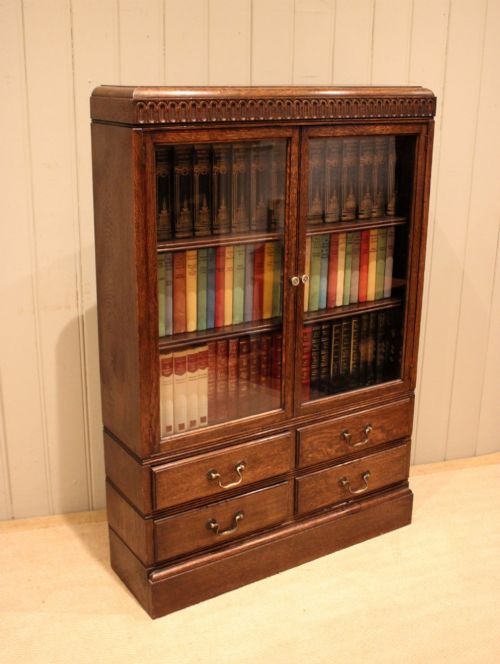
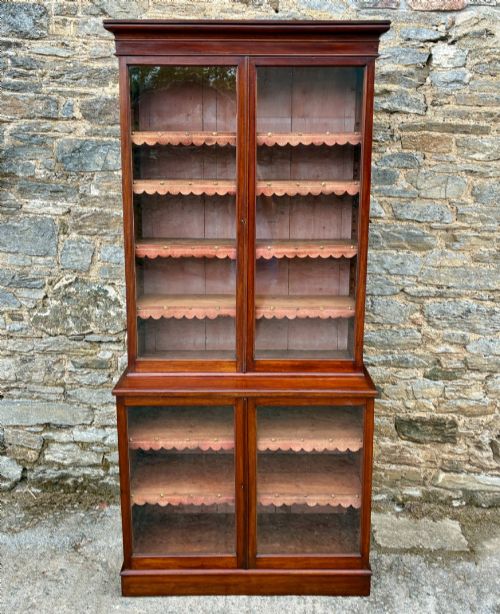
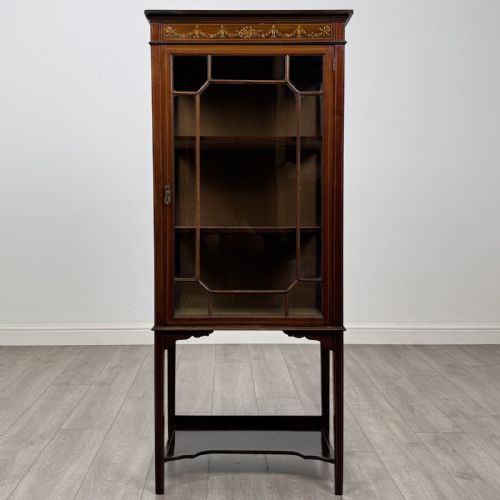
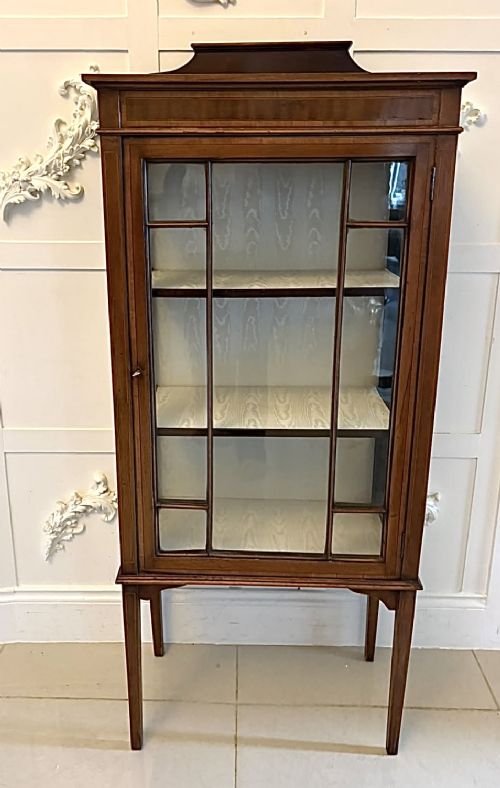
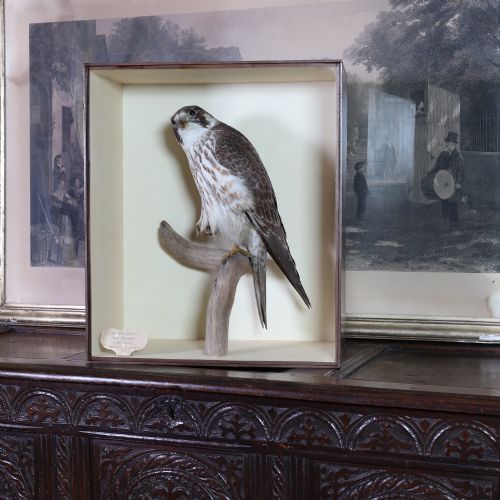
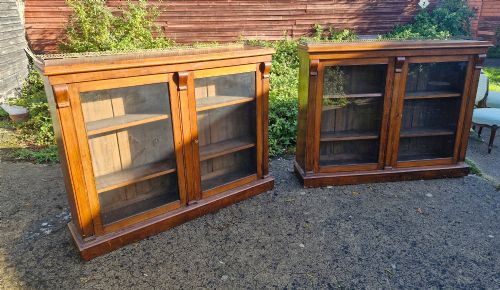
Brown Glass Display Cabinet
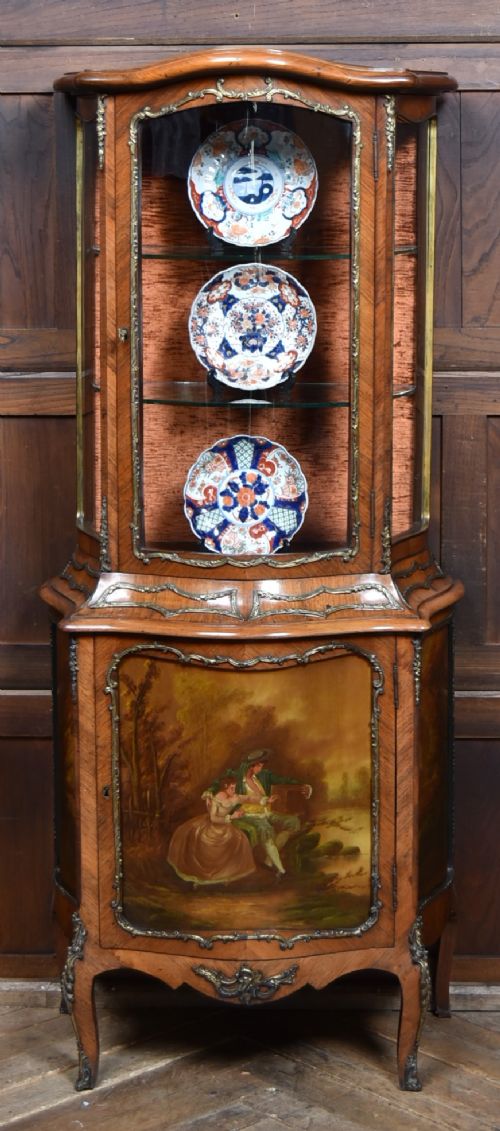
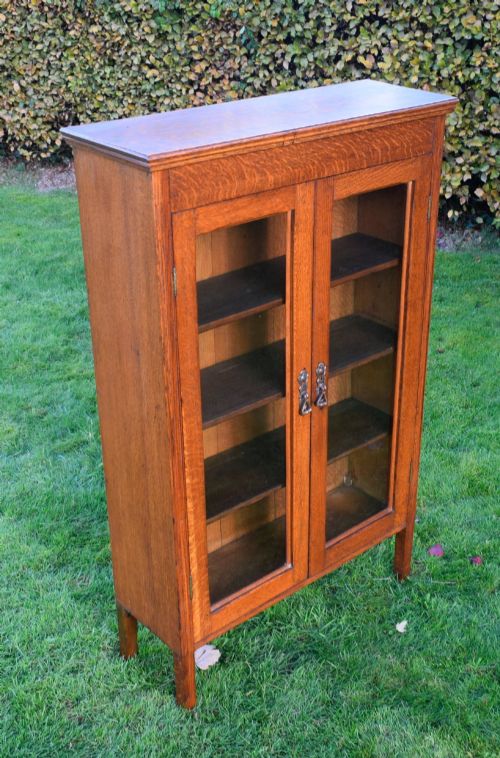
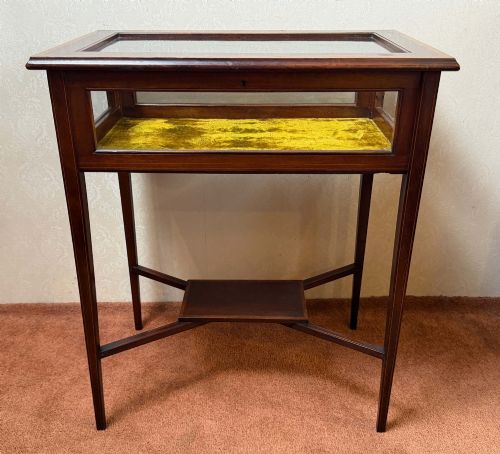
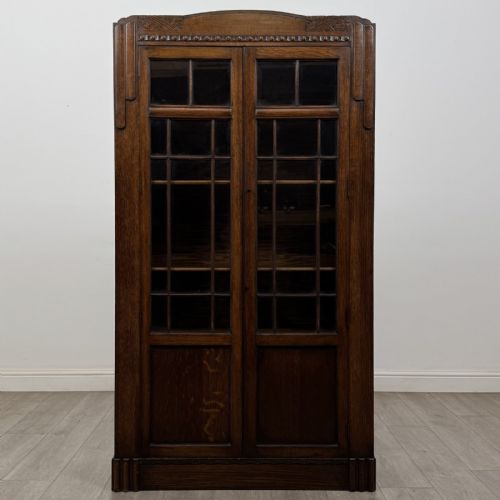
A brown glass display cabinet brings together timber frames and clear panes to hold objects safely.
Brown Glass Display Cabinet
A brown glass display cabinet spans forms such as tall bookcases, side cabinets, pier cabinets, credenzas, and vitrines.
The selections here range through Victorian, Edwardian, and Art Deco periods, alongside earlier 19th century and Georgian examples.
Makers utilised dark timbers and glass panes to construct pieces designed for domestic storage and exhibition.
Construction and timber
Workshops built these cabinets primarily using mahogany, oak, and walnut, often enhanced with burr veneers and marquetry inlay.
Glazing relies on timber frames or astragal bars, paired with brass, ormolu, or bronze mounts on select French and revival pieces.
Brown Glass Display Cabinet Retail Price Guide 2026
Typical asking prices for brown glass display cabinet among the pieces listed under this phrase on Sellingantiques today, from the lower quarter to the upper quarter. They describe what is for sale here now, not the wider market.
Listings feature Edwardian, Victorian, and 19th-century periods, constructed in mahogany, oak, walnut, and kingwood.
Craftsmanship and finish
Differentiation lies in the selection of figured wood veneers, the crispness of inlaid details, and the refinement of applied bronze or ormolu mounts.
Subtleties in the joinery of the timber frame and the proportion of the glazed doors distinguish standard domestic utility from finer cabinet-making.
Edwards & Roberts
The Brown Glass Display Cabinet Glossary
- Vitrine
- A glass-fronted cabinet used for displaying fine objects or porcelain.
- Pier cabinet
- A narrow cabinet designed to stand against a wall pier between windows.
- Astragal glazed
- A window or door partitioned by narrow wooden bars holding individual glass panes.
- Credenza
- A low dining-room sideboard or cabinet, sometimes featuring porcelain plaques.
- Marquetry
- Decorative patterns formed by fitting together thin slices of various coloured wood veneers.
Brown Glass Display Cabinet: Frequently Asked Questions
How do I date a cabinet?
Look to the timber, the style of the inlay, and the construction methods used in the frame. Periods range from Victorian walnut pieces to Edwardian mahogany designs.
Hardware details and the treatment of the glazed doors also offer strong clues to the decade of manufacture.
Where were these cabinets placed?
These pieces sat in parlours, drawing rooms, and libraries to hold books, ceramics, and valued possessions.
Narrow pier cabinets specifically filled wall spaces between large windows, while larger breakfront bookcases stood against principal walls.
What woods are most common?
Mahogany, oak, and walnut dominate the selection, appearing either as solid timber or as figured veneers over a secondary wood.
Satinwood and kingwood appear alongside marquetry inlay on specialised or revival pieces.
Are the glass panels original?
Many cabinets retain their early glass panes, identifiable by slight surface ripples or minor bubbles within the material.
Examination of the putty or wooden glazing bars can indicate whether the glass dates to the original construction of the piece.