



Regency Corner Cupboard
A regency corner cupboard brings architectural elegance to awkward angles, offering clever storage in rich timber.
Understanding the regency corner cupboard
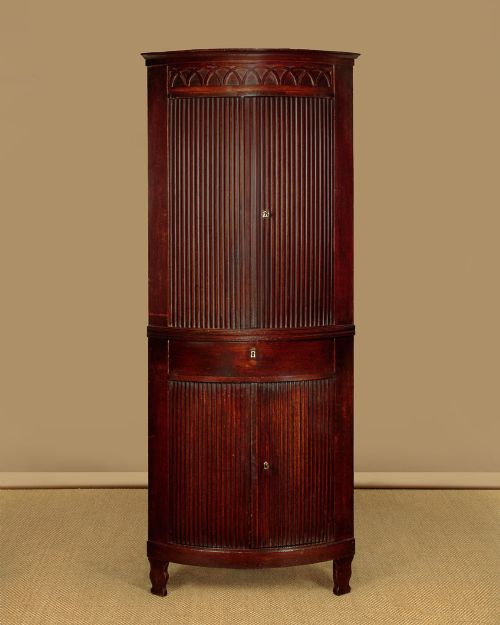
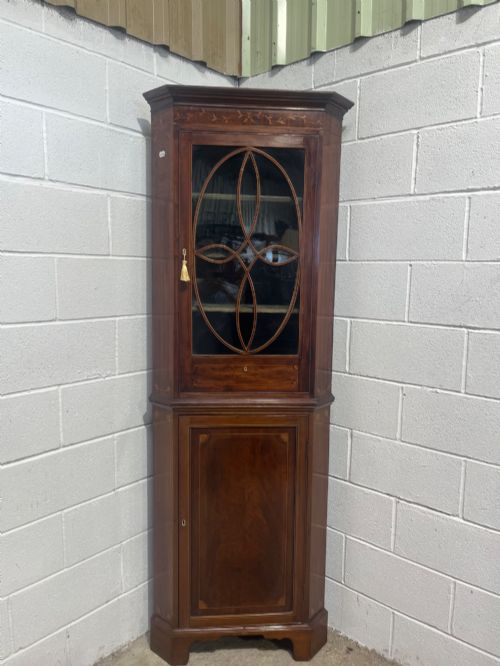
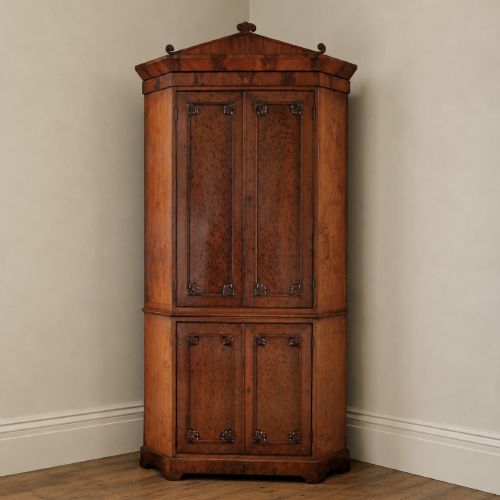
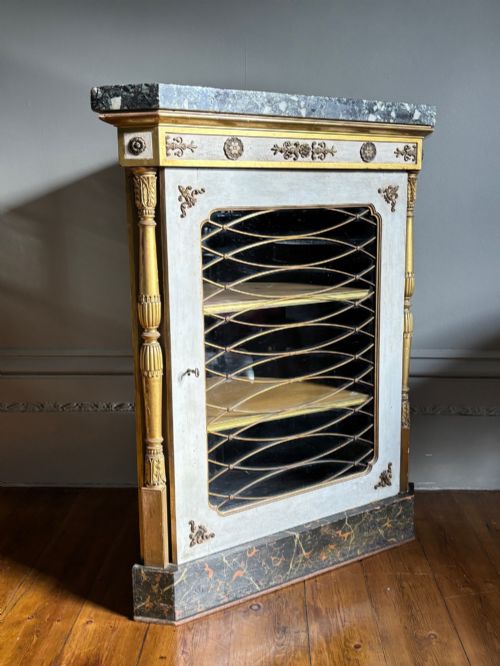
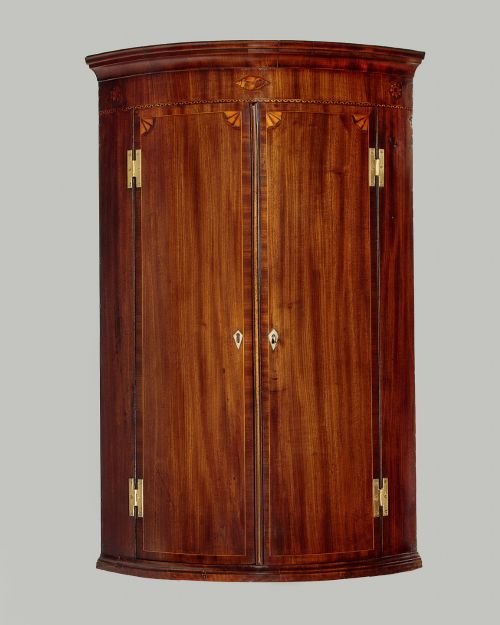
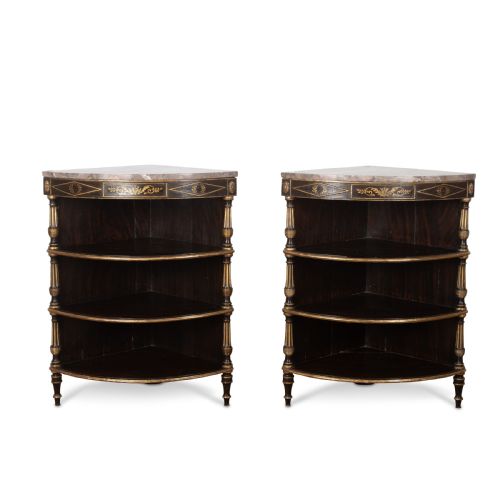
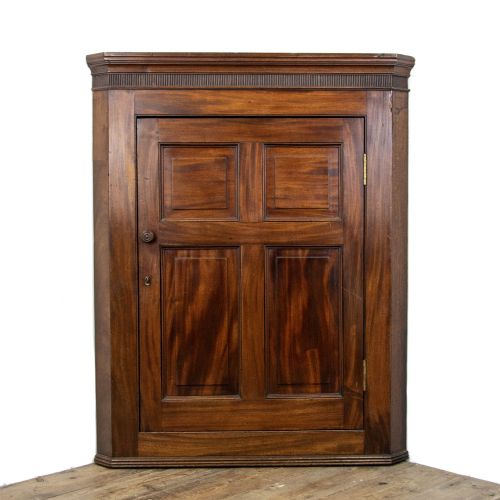
A regency corner cupboard transforms unused room junctions into focal points through thoughtful geometry and proportion. These pieces arrive in various formats, including hanging wall cabinets, bow front models, and taller floor standing versions.
The evidence shows forms spanning the Georgian, Regency, and William IV periods, often constructed to fit snugly into room corners. Buyers encounter Scottish, Italian, and English examples in this selection.
Makers utilised specific timber grains and glazing patterns to define the aesthetic. Wall hanging types sit alongside full height and two part configurations.
Materials and construction methods
Cabinet makers relied primarily on mahogany, alongside plum pudding mahogany, oak, and painted pine. Finer pieces incorporate satinwood inlay and contrasting brass hardware.
Retail Price Guide 2026
Typical UK retail prices for regency corner cupboard, calculated from the Sellingantiques database of over a million retail prices indexed since 2003. This retail price guide relies exclusively on Sellingantiques data; no external sources or auction records are used, so the figures do not describe the wider market.
Mahogany and glass dominate the material record for these corner units, supplemented by oak, pine, and brass.
Assessing quality and craftsmanship
The distinction between standard examples and superior pieces rests in the selection of wood. Figured timbers such as plum pudding mahogany and flamed veneer elevate the visual weight of the furniture.
Joinery precision and the delicacy of astragal glazing bars separate utilitarian storage from finer decorative work. Original brass fittings and functioning keys preserve the integrity of the piece.
The Regency Corner Cupboard Glossary
- Bow front
- A convex curved cabinet front that projects outward from the corner. This curved profile softens the harsh angles of a room.
- Astragal
- A wooden moulding that holds panes of glass within a glazed door. These bars create geometric patterns across the cabinet opening.
- Chinoiserie
- European imitation of traditional Chinese artistic styles, usually featuring painted lacquer decoration. It appears on select decorative cabinets.
- Two part
- A cabinet constructed in separate upper and lower sections for easier transport and placement. This format usually applies to taller floor standing pieces.
Frequently Asked Questions
How do I hang a wall cabinet safely?
Hanging a regency corner cupboard requires locating solid wall studs behind the plaster to bear the substantial weight of solid wood and glass.
Professional fixings suited to the specific wall type ensure the cabinet remains secure and level.
Where were these cupboards placed historically?
These cabinets occupied corners in dining rooms, parlours, and bedrooms to store glassware, ceramics, or medicine. Their triangular footprint made efficient use of unassigned space in smaller rooms.
Floor standing versions anchored larger interiors, while hanging variants freed up floor area.
How do I care for mahogany surfaces?
Maintenance involves dusting with a dry, soft cloth and applying appropriate wax sparingly to nourish the grain. Direct sunlight should be avoided to prevent fading the rich tones of the wood.
Keeping the timber away from extreme temperature shifts protects the antique joinery.
How do I distinguish a Regency piece from a Georgian one?
Regency pieces often display classical revival influences with cleaner lines and specific inlay motifs compared to earlier Georgian designs. Overlapping eras mean construction techniques remain similar across both periods.
Secondary woods and hardware styles help clarify the exact era of production.