


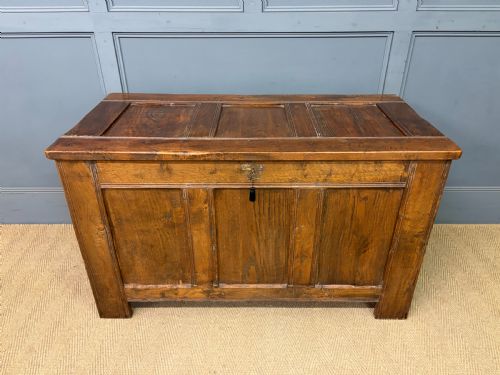
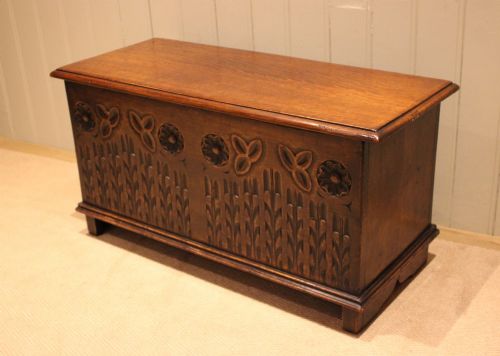
Brown Carved Wooden Box
A brown carved wooden box brings tangible history to a room, offering both practical storage and the tactile warmth of traditional timber.
Brown Carved Wooden Box
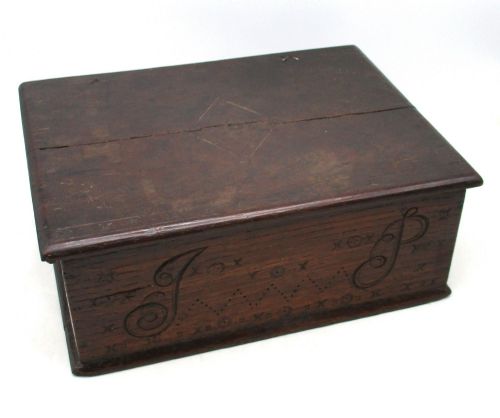
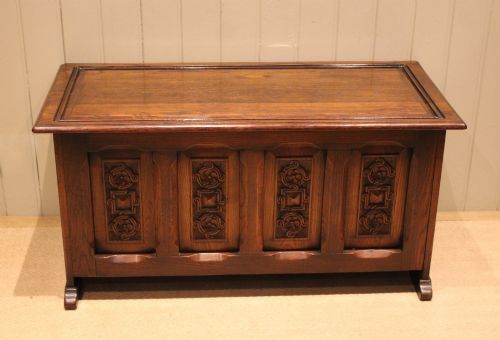
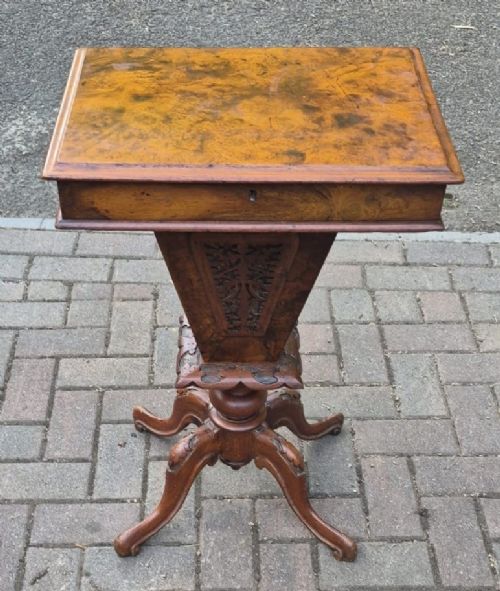
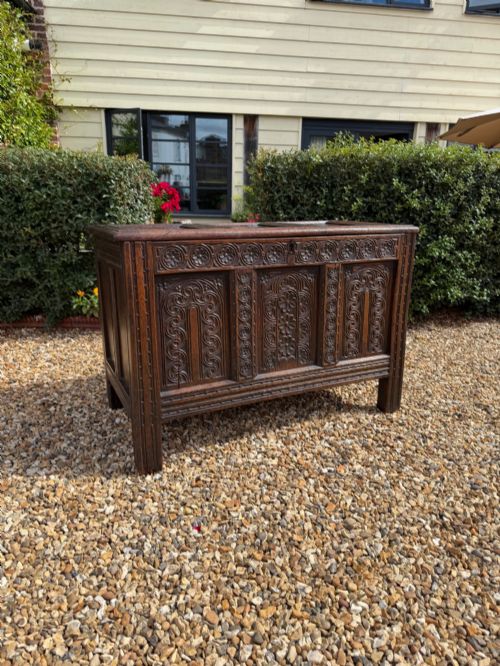
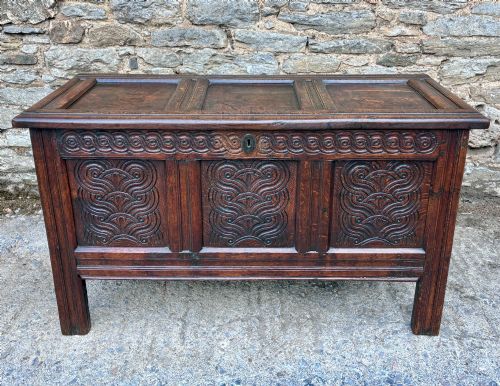
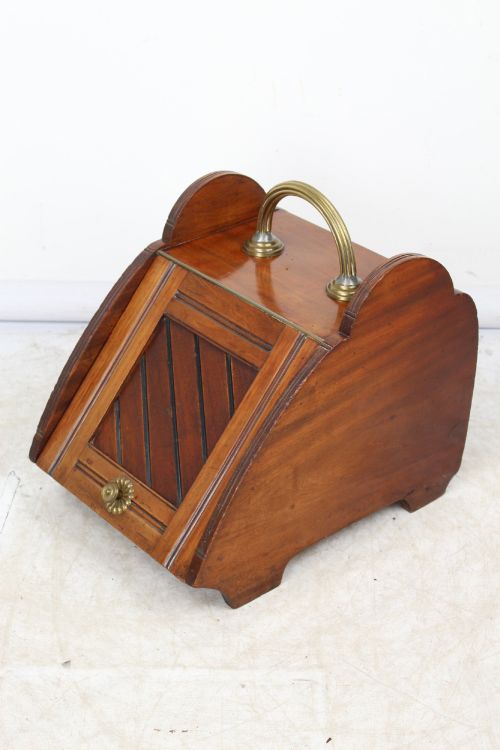
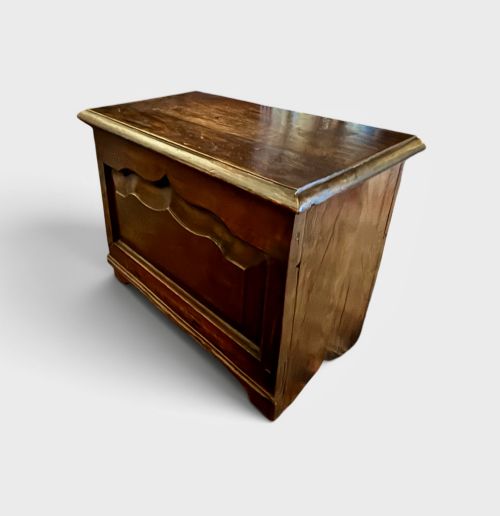
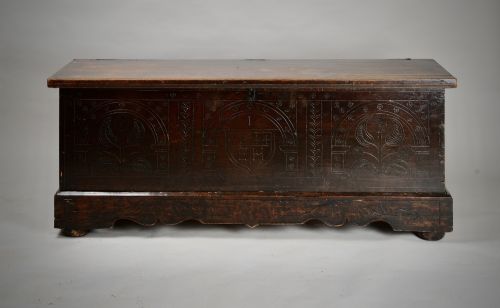
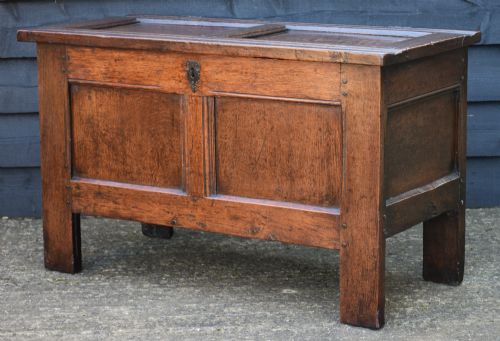
A brown carved wooden box encompasses a diverse array of antique storage forms, ranging from small table-top caddies to substantial coffers spanning several centuries. Buyers searching for a brown carved wooden box will most frequently encounter sturdy oak pieces originating from the seventeenth, eighteenth, and nineteenth centuries. These items serve multiple domestic functions, operating as document holders, sewing tables, blanket chests, and candle boxes.
The selection extends beyond standard British examples to include continental items, regional country furniture, and occasional folk art creations. Production dates stretch from sixteenth-century medieval chests up to twentieth-century revival pieces, reflecting continuous woodworking traditions. Buyers select these containers for their robust construction, organic materials, and historical utility within domestic spaces.
How they were made
Makers utilised solid timbers such as oak, walnut, mahogany, and exotic woods like sandalwood, cypress, and camphor, shaping them with hand tools. Joinery methods relied on panels, framing, and pegged joints to construct durable carcases capable of enduring generations of use.
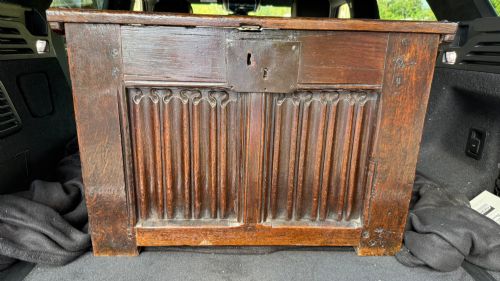
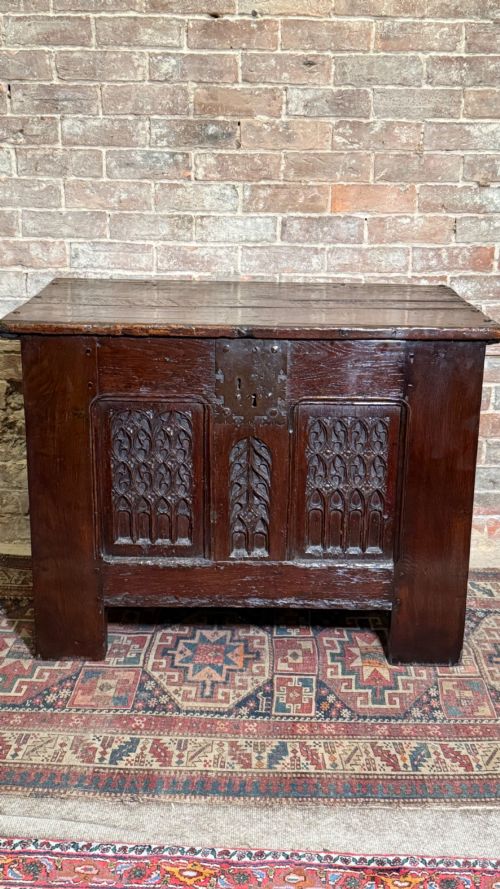
Surface decoration involved carving, fluting, and panel moulding, frequently enhanced by iron hinges, brass fixtures, and occasional painted details. Artisans selected woods based on local availability and structural demand, applying finishes that preserved the natural grain while highlighting carved motifs.
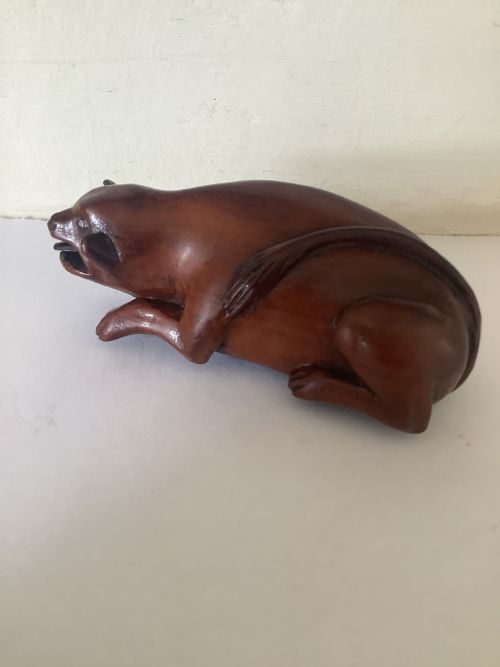
A gnome carved from limewood serves as a match holder and striker, dated to nineteen-sixteen.
What varies in quality
Quality separates through the integrity of the timber, the crispness of the hand carving, and the survival of original hardware such as iron hinges and locks. Pieces retaining an authentic surface patina demonstrate superior historical preservation compared to items stripped or heavily modernised.
Construction depth dictates value, with hand-cut joinery and balanced proportions indicating superior craftsmanship from period makers. The integration of decorative elements, from simple geometric panels to intricate figural carving, distinguishes standard utility items from exceptional works.
The Brown Carved Wooden Box Glossary
- Coffer
- A large wooden chest traditionally used for storing valuables, linens, or documents. These sturdy containers often feature panelled construction and hinged lids.
- Caddy
- A small box or chest designed for holding tea, tobacco, or delicate commodities. They frequently appear in polished hardwoods like mahogany or walnut.
- Patina
- The surface sheen and colour developed by wood over centuries through handling, light exposure, and natural ageing. This quality indicates genuine age and use.
- Tramp art
- A folk art style created by self-taught makers using notched, chipped, and layered pieces of scrap wood, often forming textured geometric patterns.
- Dovetail
- A type of interlocking joint used in box construction, formed by interlocking wedges that provide high tensile strength.
Brown Carved Wooden Box: Frequently Asked Questions
How do I date an old wooden box?
Dating relies on examining the timber species, construction joints, tool marks, and hardware style. Earlier pieces utilise hand-cleaved boards and pegged joinery.
Secondary materials like iron hinges or interior linings offer further chronological clues that align with specific centuries of production.
What were small carved boxes used for?
Small carved boxes stored precious documents, sewing gear, snuff, tea leaves, or personal jewellery. Their portable nature allowed owners to keep valuables secure.
They doubled as decorative table pieces that displayed the owner's taste and the maker's skill.
How should I clean antique wood?
Maintenance requires gentle dusting with a dry lint-free cloth and avoiding modern silicone-based polishes. Preserving the historic surface prevents damage to the underlying patina.
Occasional applications of microcrystalline wax help protect the timber without altering its natural colour.
What is the difference between a coffer and a chest?
A coffer traditionally denotes a heavily constructed storage box with a flat lid, often reinforced for travel or heavy domestic duty. Chests share this general form but may incorporate drawers or specialised interior fittings.
Both terms describe robust wooden containers built for utilitarian storage.