



Antique Middle Eastern Box
These antique middle eastern box examples bring intricate craftsmanship and rich regional artistry directly into your home.
Antique Middle Eastern Box
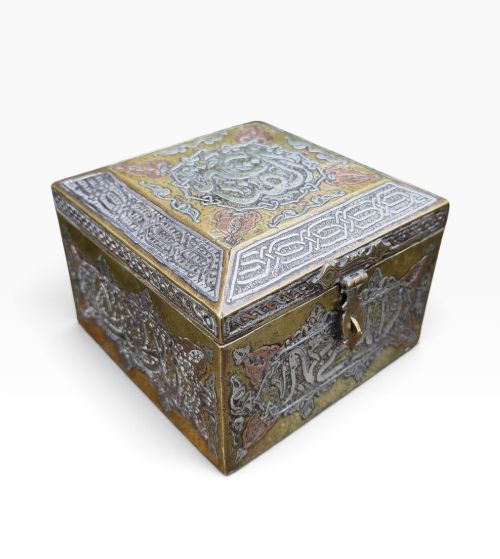
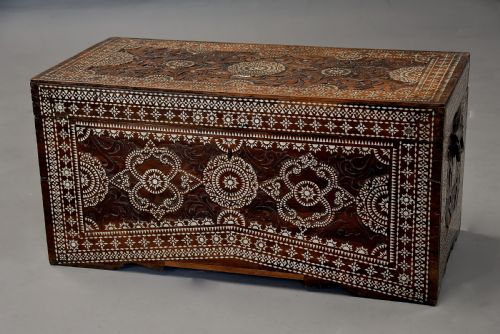
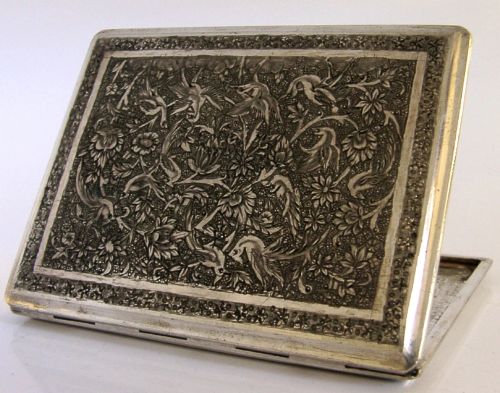
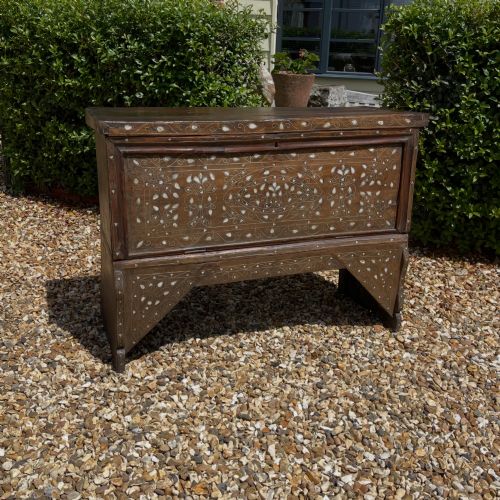
An antique middle eastern box encompasses a diverse array of vessels, from small personal containers like powder compacts and cigarette cases to larger trunks and coffers. Most pieces appearing here belong to the nineteenth and early twentieth centuries, reflecting various regional traditions.
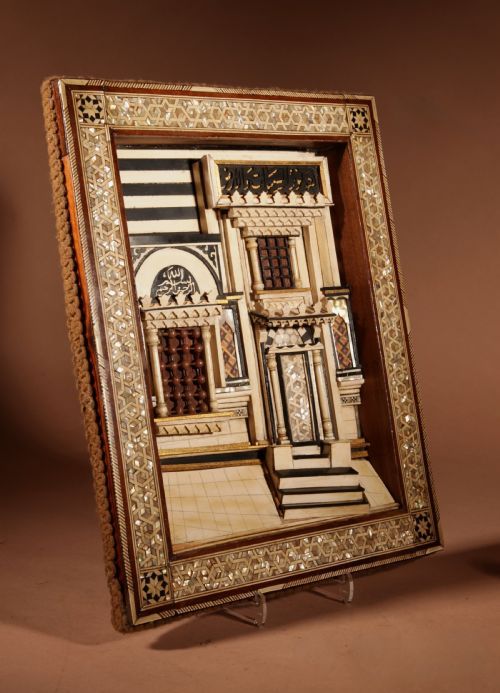
The forms range from tabletop cabinets and tea caddies to architectural dioramas and games boards. Such variety means buyers encounter everything from intimate desktop items to substantial chests designed for storage.
Originating across different cultural spheres such as the Ottoman Empire, Persia, and Syria, these items display distinct decorative vocabularies. Their styles draw on Ottoman, Mamluk Revival, and Moorish Revival influences.
How they were made
Wood serves as a primary foundation, often utilising walnut and other hardwoods to form the structural body of chests and caskets. Artisans then embellish these surfaces through intricate inlay techniques.
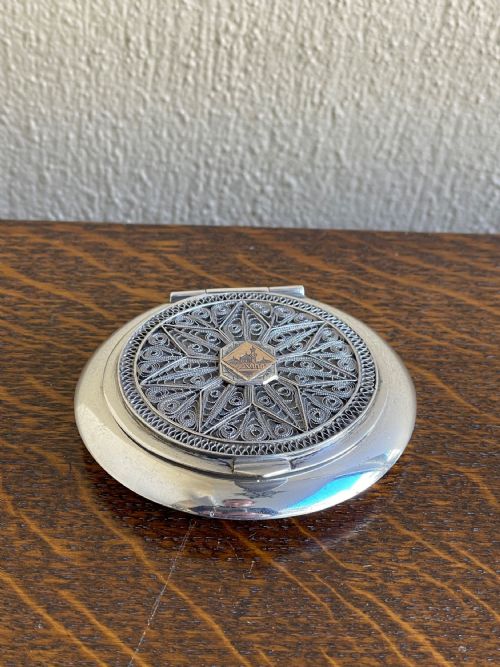
Mother-of-pearl and bone provide shimmering contrast when set into wooden surfaces in geometric or floral motifs. Metalwork also plays a significant role, incorporating brass, copper, and solid silver through piercing, repoussé, and filigree methods.
Antique Middle Eastern Box Retail Price Guide 2026
Typical asking prices for middle eastern box among the pieces listed under this phrase on Sellingantiques today, from the lower quarter to the upper quarter. They describe what is for sale here now, not the wider market.
Recorded styles span Ottoman, Mamluk Revival, Moorish Revival, and Persian traditions.
What varies in quality
The precision of the inlay work largely determines the refinement of a piece, distinguishing tightly fitted geometric tessellation from simpler surface decoration. Artisans who maintain strict symmetry and depth in their carvings elevate the stature of the object.
Material selection dictates the underlying weight and presence of metal containers, where solid silver construction and substantial gauge brass indicate higher status. The complexity of the structural form, such as architectural dioramas or multi-layered relief carving, further separates standard containers from exceptional works.
The Antique Middle Eastern Box Glossary
- Filigree
- Delicate openwork ornamentation formed from fine twisted metal threads soldered together. This technique appears frequently on silver lids and decorative panels.
- Mother-of-pearl
- The iridescent internal layer of mollusc shells used extensively for inlay. Artisans cut this material into tiny geometric plates to catch the light.
- Repoussé
- Metalworking technique where a design is hammered into relief from the reverse side. It creates rich, tactile surfaces on brass and silver vessels.
- Qajar
- Pertaining to the Iranian dynasty ruling from the late eighteenth to the early twentieth century. Pieces from this context often feature distinctive carved wood motifs.
Antique Middle Eastern Box: Frequently Asked Questions
What were these boxes used for originally?
These vessels served numerous domestic and personal functions, ranging from holding tea leaves and tobacco to storing precious documents and cosmetics.
Larger coffers accommodated textiles and valuables, while specialised items like games boards provided indoor entertainment during travel or leisure hours.
How do I care for inlaid wooden boxes?
Keep wooden surfaces away from direct sunlight and steady heat sources to prevent the wood from drying and warping. Maintaining stable indoor humidity also helps secure the tiny mother-of-pearl and bone inlays within their channels.
Dust gently with a dry, soft cloth rather than applying liquid polishes that might seep beneath delicate decorative elements.
How do I distinguish Ottoman styles from Persian ones?
Ottoman and Syrian pieces often emphasise architectural brass mounts, intricate woodwork, and complex geometric mother-of-pearl inlays. These reflect the aesthetic traditions of the Levant and Turkish administrative centres.
Persian items frequently display distinct pictorial motifs, refined filigree silver, and carved woodwork characteristic of Qajar artistic production.