



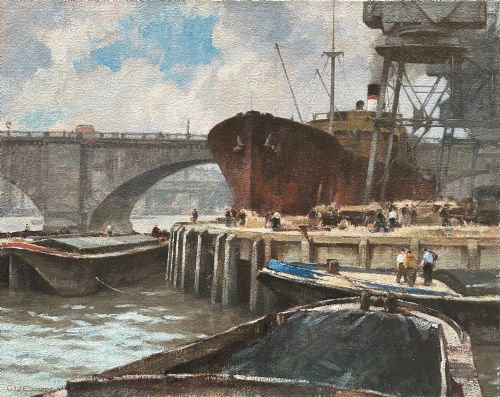
Brown Canvas Landscape Art
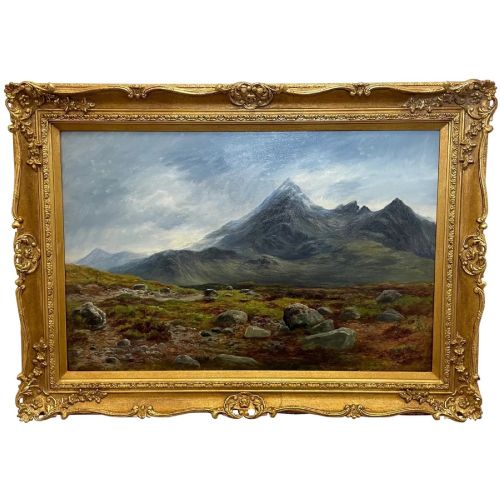
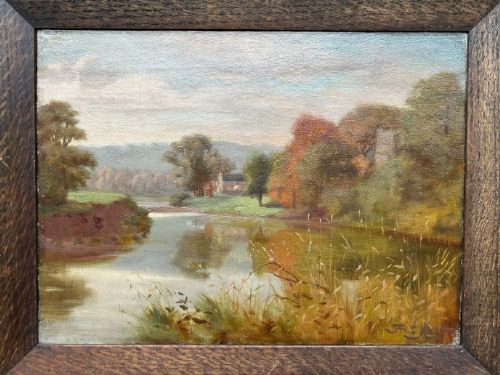
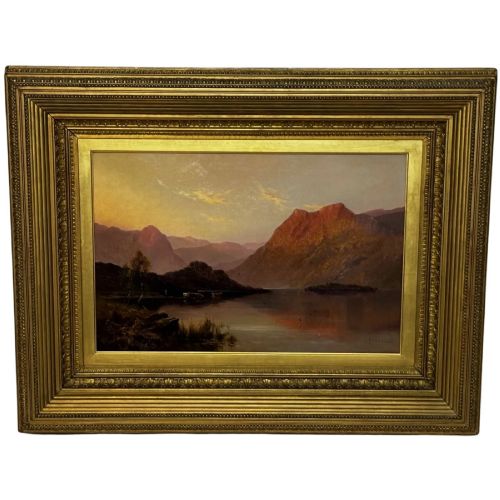
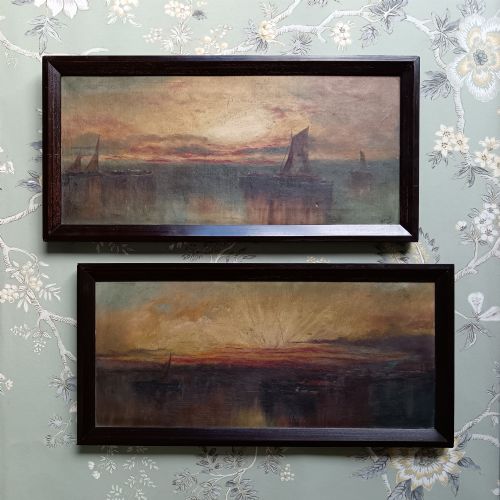
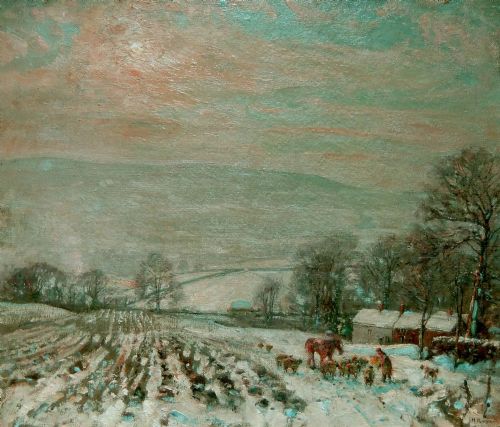
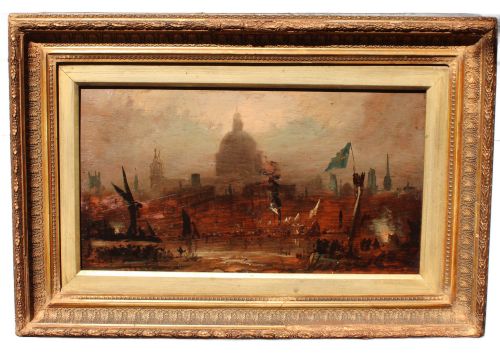
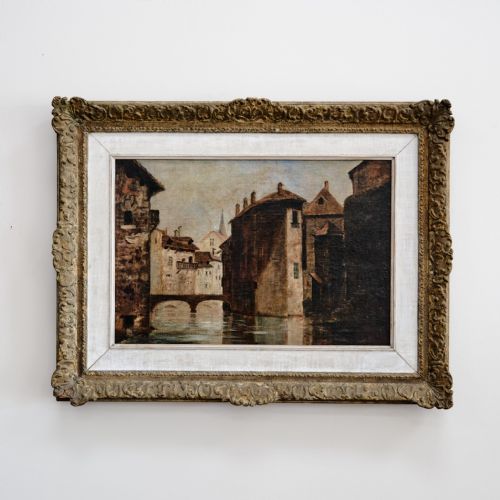
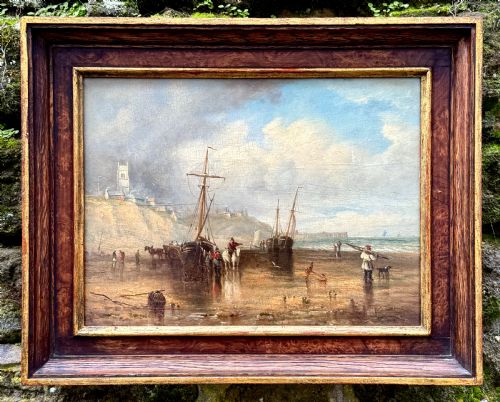
Brown canvas landscape art brings atmospheric pastoral scenes and coastal views into a room, framed in wood and painted with oils.
Brown Canvas Landscape Art
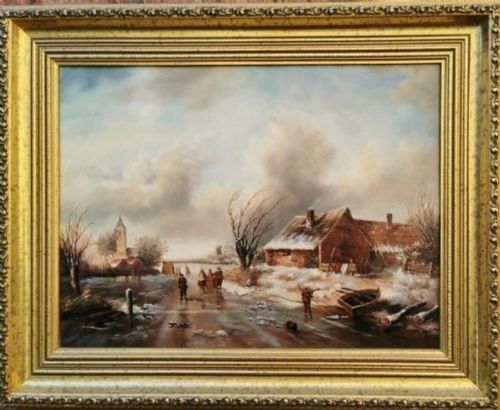
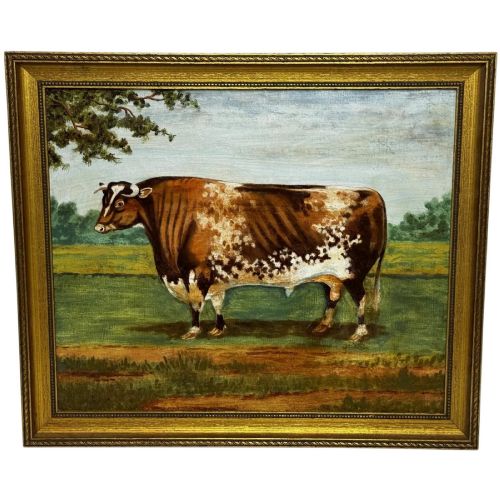
When buyers search for brown canvas landscape art, they encounter painted works on canvas and board depicting rivers, woodlands, cattle, and rural life. These pieces stretch from the seventeenth century through the Victorian period and into the mid-twentieth century.
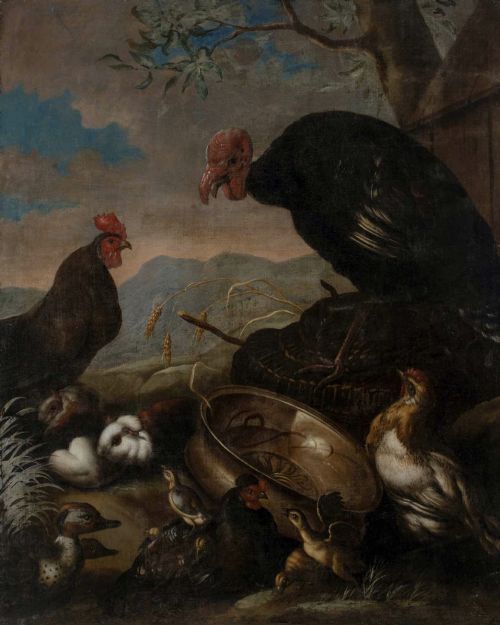
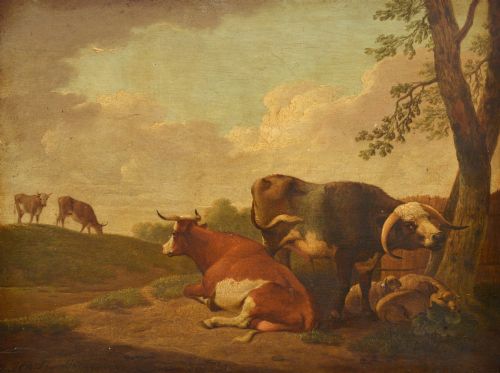
The selections span British, Scottish, and Dutch schools, alongside French and Italian canvases. Common subjects include autumn rivers, winter frost, cattle in woodland, and ancient castle ruins.
Framed examples frequently arrive set in gilt wood, enhancing the earthy tones of the pigment. Buyers find both intimate studies and large compositions representing various regional movements.
Materials and technique
Artists painted primarily with oil paint and impasto on stretched canvas, wooden board, or charcoal applied to canvas supports. Canvases were then commonly housed within decorative gilt wood frames.
Techniques range from smooth nineteenth-century academic brushwork to heavy mid-century impasto and textured nineteenth-century charcoal applications. Painters built depth using layered pigments on prepared grounds.
Several cows, sheep, and horses persistently photobomb centuries of otherwise serious European landscape art.
Markers of distinction
Quality rests in the handling of light, shadow, and natural perspective within the painted scene. Masterful works capture atmospheric depth in skies and foliage rather than relying on formulaic composition.
The integrity of the original canvas support, pigment stability, and the preservation of the surrounding gilt wood frame contribute to the overall standing of each painting.
Angelo Maria Crivelli·Hendrik Willem Schweickhardt·Thomas Creswick·John Emms·John Ferneley Senior
The Brown Canvas Landscape Art Glossary
- Impasto
- Paint applied thickly to a canvas or board, standing out from the surface so that the texture of the brush or palette knife remains visible. This technique creates a tangible sense of light and physical depth.
- Gilt wood
- Wood carved and coated with gold leaf or metallic paint to create a decorative frame. These frames complement the earthy tones of traditional oil paintings.
- British Impressionism
- A movement where artists adopted looser brushwork and painted en plein air to capture transient effects of light. It flourished in the late nineteenth and early twentieth centuries.
- Dutch School
- A tradition of painting known for careful attention to atmospheric lighting, winter scenes, and pastoral cattle landscapes. Painters in this group worked with rich, restrained palettes.
- Provenance
- The documented history of ownership surrounding a work of art. Clear records help establish the authenticity and timeline of older paintings.
Brown Canvas Landscape Art: Frequently Asked Questions
What periods do these landscape paintings cover?
The available pieces stretch across several centuries, beginning with seventeenth-century works and moving through the Georgian and Victorian eras. Later examples extend into Edwardian and mid-twentieth-century modern styles.
Buyers will find nineteenth-century British and Scottish canvases sitting alongside earlier European landscape traditions and post-war abstracts.
Are these paintings supplied with frames?
Many listings include period surrounds, notably traditional gilt wood frames that complement the darker pigment of the canvas. Framing materials vary from ornate moulded designs to simpler wooden borders.
Examining the specific listing details reveals whether a piece retains its original period frame or has been rehoused.
What surfaces were used besides canvas?
While woven canvas remains the primary support, several pieces utilise wooden board as a foundation for the oil paint. Charcoal on canvas also appears among the nineteenth-century Scottish landscape studies.
Each support method influences how the pigment settles and ages over the decades.
How do regional schools differ?
Dutch school paintings often focus on winter frost, cattle, and frozen landscapes with muted palettes. British and Scottish works lean toward pastoral river scenes, woodlands, and highland views.
Italian and French canvases bring alternative compositional approaches and distinct treatments of natural light.