




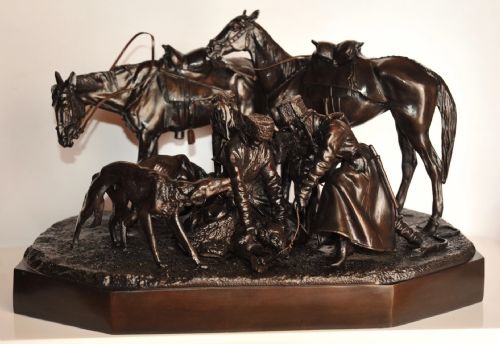
Brown Bronze Equestrian Statue
These brown bronze equestrian statue pieces capture horse and rider with anatomical precision, offering collectors fine animalier foundry work from the nineteenth and early twentieth centuries.
Brown Bronze Equestrian Statue
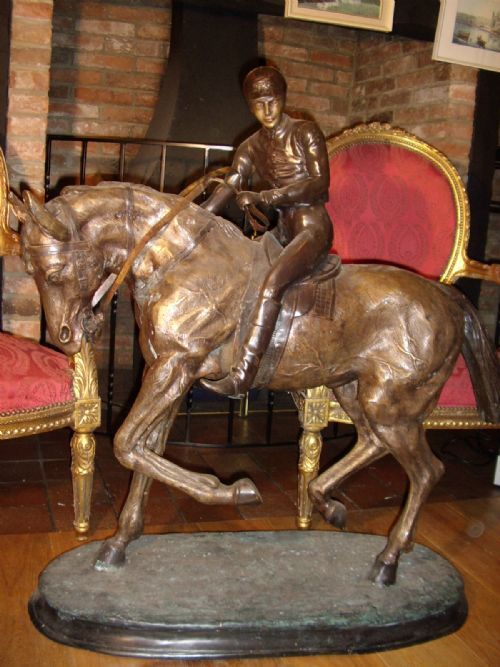
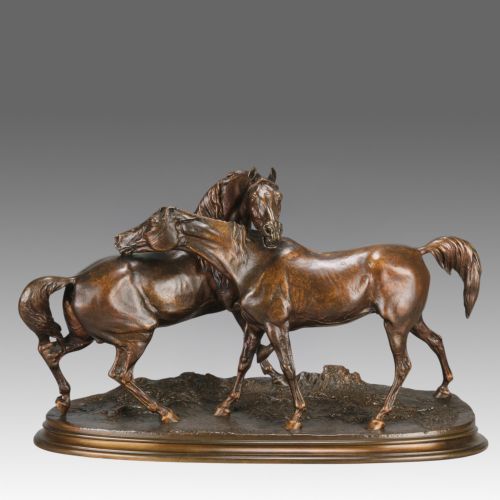
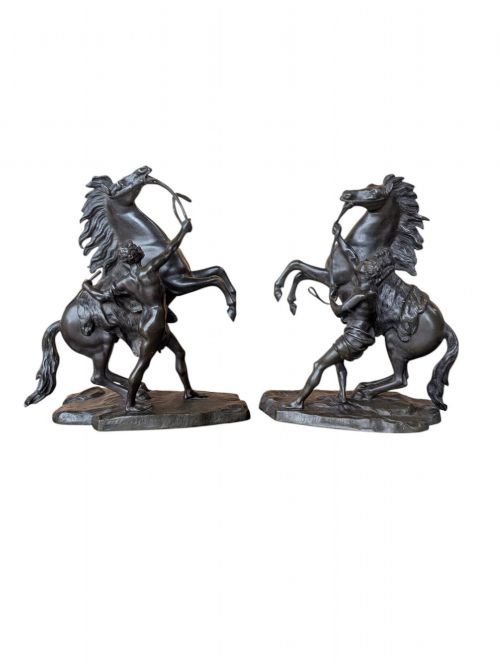
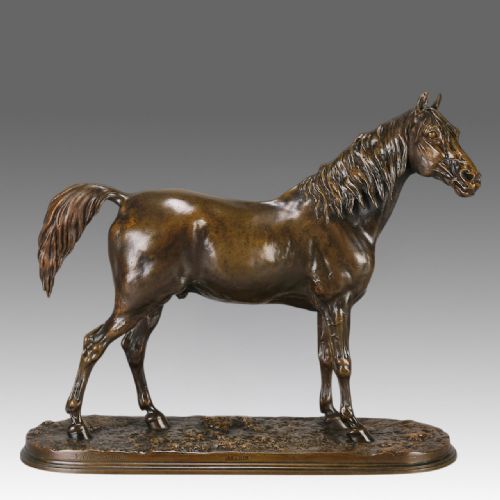
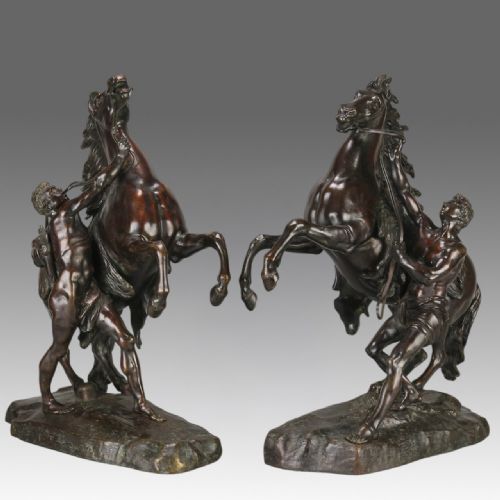
A brown bronze equestrian statue portrays horses and riders through dynamic groupings such as racehorses, hunting parties, and subject matter like 'L'Accolade' or 'Marly Horses'. Most examples encountered on this page originate from nineteenth century French animalier schools or Austrian workshops.
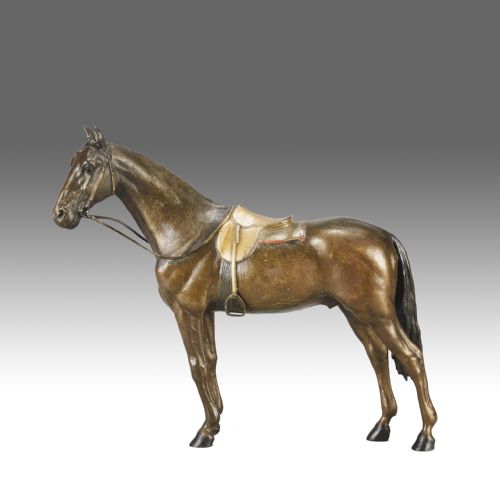
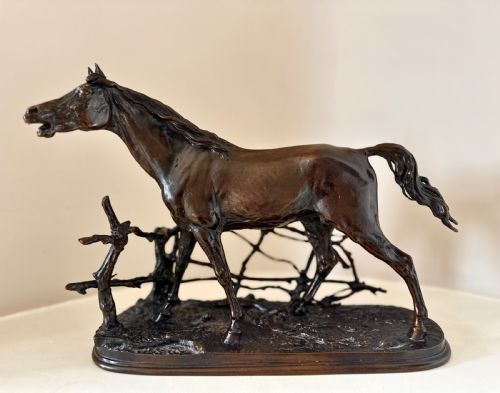
The subjects range from solitary saddled hunters and Arab stallions to complex multi-figure compositions involving jockeys, grooms, or wolf-hunting groups. These sculptures reflect academic realism and French neoclassical influences across Victorian and Edwardian periods.
Makers often cast these figures to depict specific moments, such as a horse drinking with mother and child or a nude male on horseback. Buyers select these works for their sculptural presence and faithful representation of equine form.
Materials and casting methods
Foundries produced these pieces primarily using bronze, shaped through traditional casting methods and finished with rich patination. Surfaces often display warm brown tones, while selected Austrian works incorporate cold-painted pigments over the metal.
Certain sculptures incorporate marble plinths or bases to support the weight of the metal group. Paint and specialised patinated bronze treatments accentuate the muscular detail of the horses and the texture of harnesses and saddles.
Listings span the nineteenth and twentieth centuries, featuring Victorian, Edwardian, and mid-century periods through French and Austrian schools.
Distinctions in quality and execution
Quality rests upon the crispness of the chasing and the fidelity of the casting, where sharper musculature and well-defined tack separate superior examples from softer secondary casts. The nuance of the brown patination and the subtlety of cold-painted details heavily influence the visual depth of the sculpture.
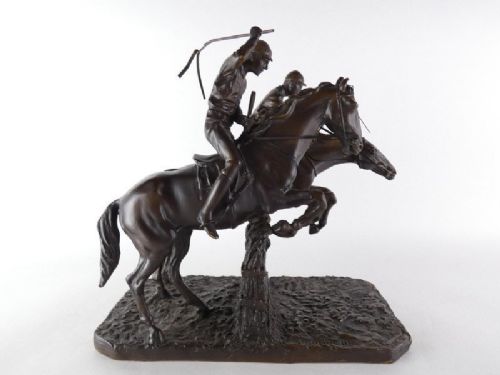
Signatures of recognised sculptors or foundry cachets provide stronger provenance, while the naturalistic movement within complex groupings like hurdling horses or wolf hunts demonstrates higher artistic ambition.
Pierre Jules Meme·Franz Bergman·Charles Crozatier·Xavier Raphanel·Nikolai Lieberich
The Brown Bronze Equestrian Statue Glossary
- Animalier
- A nineteenth-century artistic movement focused on the realistic depiction of animals, particularly horses, lions, and dogs. Animalier sculptors studied subjects from life to capture authentic movement and anatomy.
- Cold-Painted Bronze
- A technique where bronze figures receive layers of oil or enamel paint applied without heat. This method was notably utilised by Austrian foundries to add vibrant polychrome details to small sculptures.
- Patination
- The chemical treatment applied to the surface of bronze to produce specific coloration, ranging from deep brown to golden hues. A thoughtful patina enhances the sculptural contours and shadows.
- Lost-wax casting
- A traditional method where a wax model is melted away to create a mould for molten bronze. This technique allows for intricate detail in complex equestrian groups.
Brown Bronze Equestrian Statue: Frequently Asked Questions
How do I identify a French animalier bronze?
French animalier bronzes from the nineteenth century are distinguished by lifelike anatomical study and fluid movement in subjects like racehorses and huntsmen. Look for foundry marks and signatures closely associated with Parisian schools of the period.
These pieces typically exhibit rich brown patination and heavy cast construction that underscores their academic realism.
What is the difference between French and Austrian bronzes?
French bronzes from this selection generally focus on naturalistic animalier subjects and neoclassical horse groupings with deep patinas. Austrian bronzes frequently utilise cold-painted techniques to introduce vibrant colours to smaller decorative sculptures.
Both traditions maintain high standards of metal casting but serve slightly different aesthetic preferences within interior displays.
How should I care for a bronze equestrian sculpture?
Bronze requires minimal maintenance beyond occasional dusting with a soft, dry cloth to prevent particulate buildup. Avoid using chemical polishes or water, which can damage the historic patinated surface.
Keeping the sculpture away from direct sunlight and high humidity preserves the integrity of both the metal and any associated marble bases.
How do I date a nineteenth-century bronze horse?
Dating relies on examining the casting quality, the style of the signature, and the depth of the brown patina. Pieces from the Victorian and Edwardian eras often reflect the prevailing academic styles and foundry practices of their decade.
Inscriptions naming specific historic works like the Marly Horses provide further chronological context for the casting.