


Bronze Art Figure
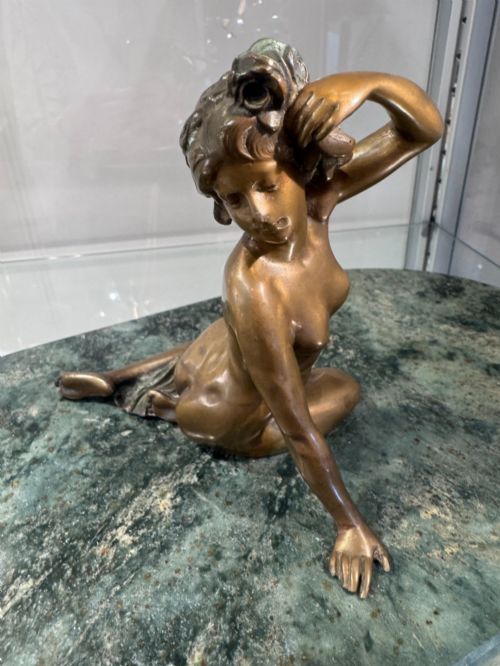
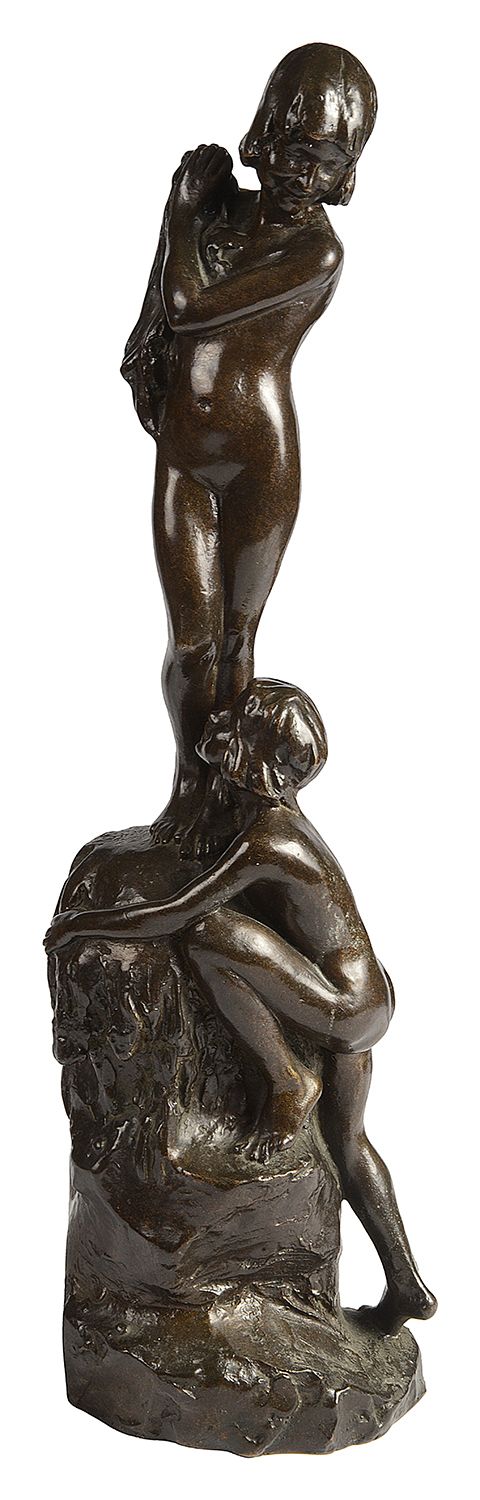
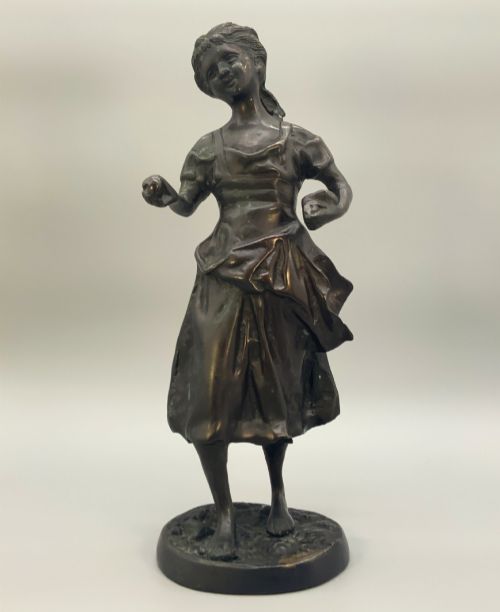
When choosing a bronze art figure, you select from cast metal sculptures spanning nineteenth-century classical foundry work to twentieth-century modernist dancers.
Bronze Art Figure
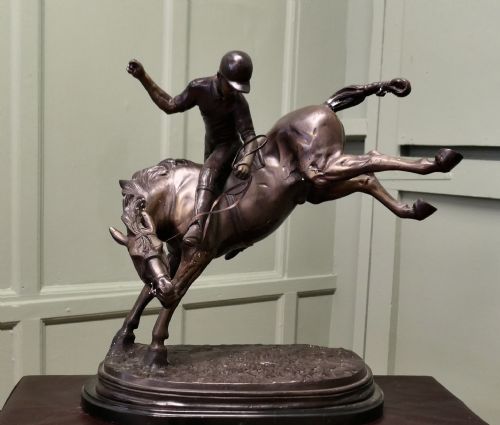
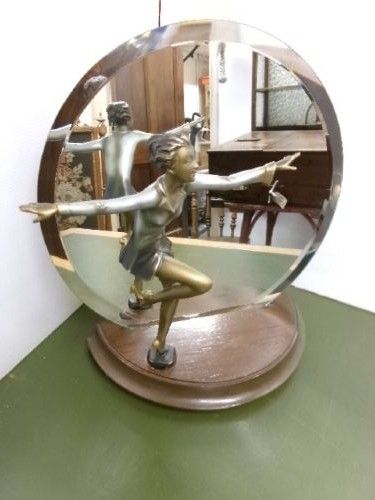
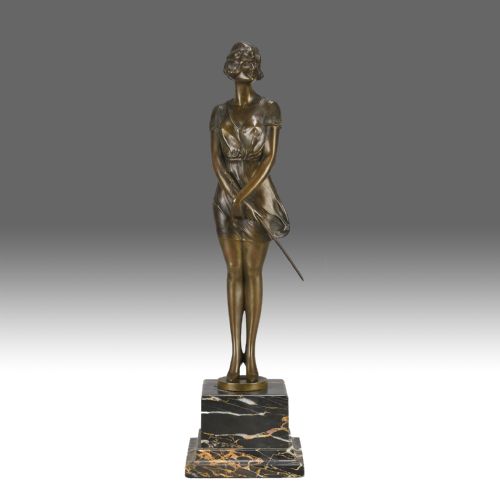
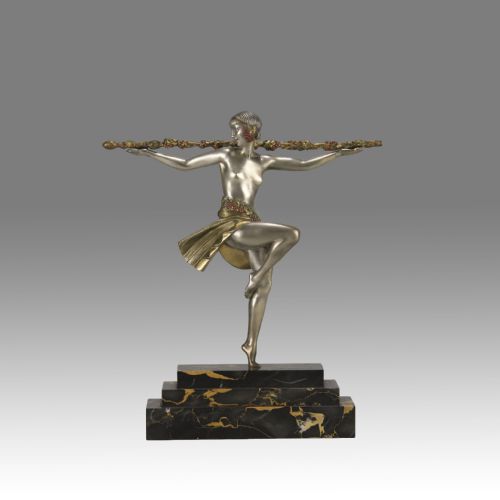
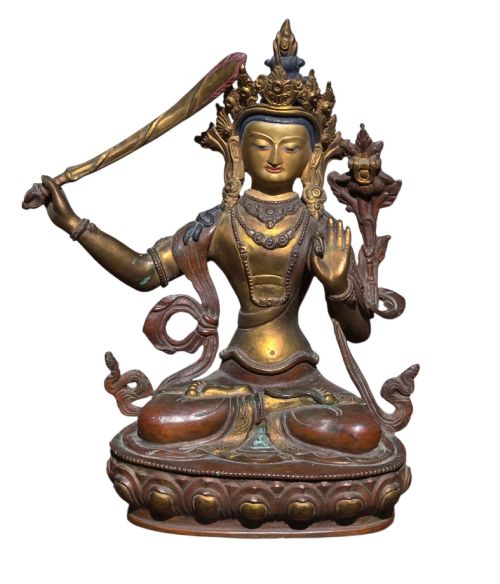
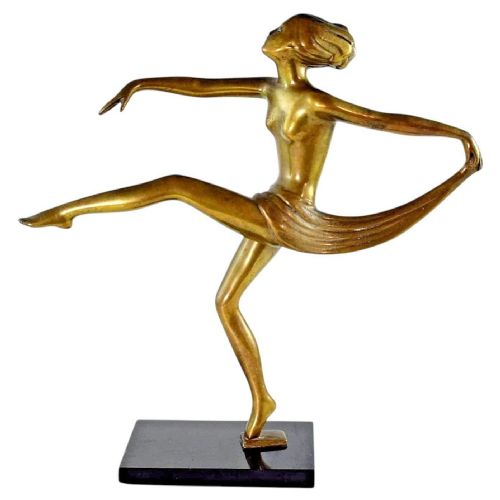
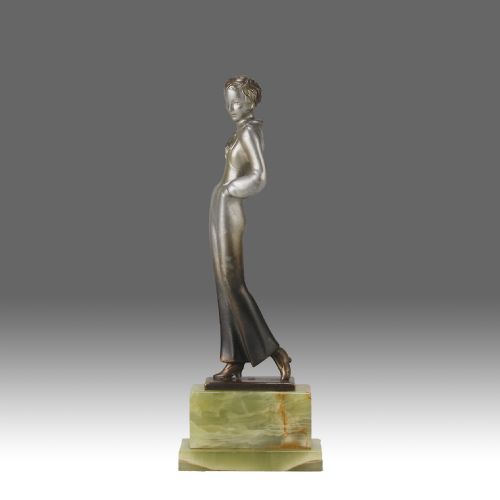
A bronze art figure encompasses cast metal representations of human figures, animals, and allegorical subjects created across several centuries. The selection ranges from nineteenth-century French foundry casts and Art Nouveau maidens to twentieth-century Art Deco dancers.
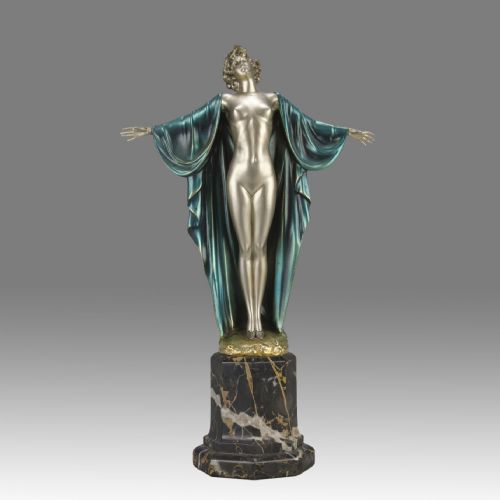
Buyers encounter distinct regional and stylistic variations, including Austrian cold-painted studies, Orientalist subjects, and Ming dynasty scholar objects. Figures frequently incorporate bases of marble, onyx, or slate.
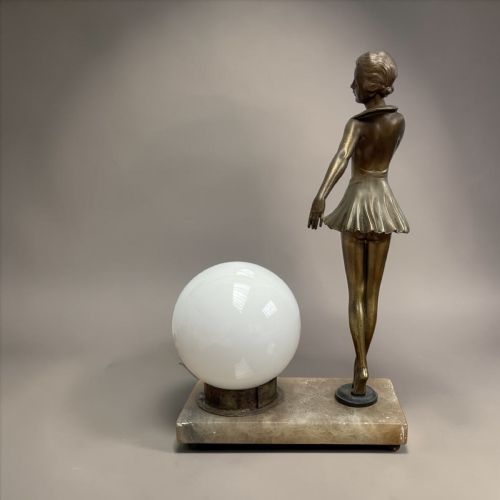
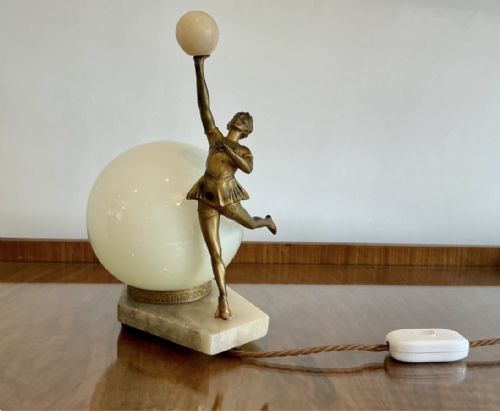
Functional pieces also appear within this category, notably table lamps and mantel clocks integrating sculptural metalwork. These items combine decorative casting with practical utility.
How They Were Made
Foundries utilised the lost-wax casting method or sand casting to produce these metal sculptures from molten metal alloys. Artisans then finished the raw castings through chasing, filing, and assembling multi-part compositions.
Surface treatments define the visual character of the metal, employing chemical patination to achieve dark brown, green, or gilt finishes. Cold-painted works received meticulous polychrome detailing applied directly over the metal surface after casting.
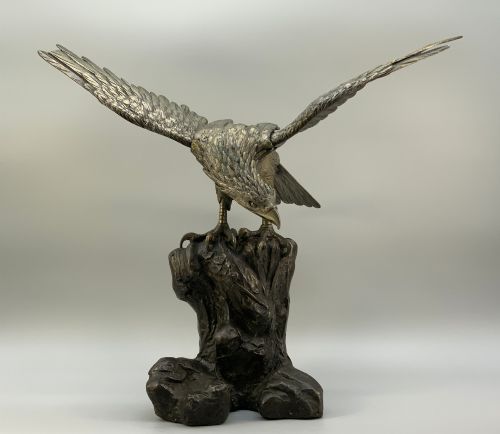
Even metal birds need a holiday; bronze pheasants and albatrosses stand ready to guard your mantelpiece without demanding any seed.
What Varies in Quality
Original patination and documented foundry or artist signatures elevate a work above unsigned or later secondary casts. The integration of supporting plinths, such as fitted marble or onyx bases, also reflects the overall ambition of the piece.
Bruno Zach·Pierre le Faguays·Ferdinand Preiss·Josef Lorenzl·Moreau Family·Emmanuel Villanis·Demetre Chiparus·Jules Dalou
The Bronze Art Figure Glossary
- Patinated bronze
- A metal sculpture treated with chemical solutions to produce a specific surface colour such as brown, green, or black. This layer protects the metal and defines the visual tone of the artwork.
- Cold-painted bronze
- A metal figure painted with polychrome oil or enamel colours after casting, rather than being fired in a kiln. This technique achieved lifelike detail on Austrian cabinet bronzes.
- Spelter
- An alloy of zinc and copper used as an economical alternative to bronze in decorative figures. It accepts metallic finishes well but possesses a lighter weight and softer structure.
- Okimono
- A Japanese decorative object intended for display on a shelf or tokonoma alcove. These carvings and metal sculptures demonstrate exceptional naturalist observation from the Meiji period.
- Lost-wax casting
- A historic method where a wax model is melted out of a mould to leave a cavity for molten metal. This process permits intricate undercut details essential for figurative sculpture.
Bronze Art Figure: Frequently Asked Questions
How do I spot a spelter copy?
Spelter is lighter than bronze and often shows a greyish white metal underneath worn areas of surface finish. It feels softer to the touch and lacks the resonant ring of true copper alloy.
Foundries used spelter for affordable decorative figures during the late nineteenth and early twentieth centuries. Examining the underside or felt base usually reveals the lighter base metal.
What is cold-painted bronze?
Cold-painted bronze refers to metal sculptures decorated with oil paints applied directly onto the cold metal surface. This delicate finish requires careful handling to prevent flaking over time.
Vienna workshops excelled in this technique, producing small animal and human figures with vibrant polychrome detail. Collectors prize examples where the original paint remains largely undisturbed.
How should I clean my bronze figure?
Dust bronze sculptures gently with a soft, dry brush to prevent particulate accumulation. Avoid using chemical polishes, water, or abrasive cloths that can strip the original patina.
Applying a microcrystalline wax occasionally helps protect the metal surface from atmospheric moisture. Professional conservation is recommended for pieces showing active corrosion.
Are these figures signed by artists?
Many quality figures bear cast signatures, foundry marks, or edition numbers on the base or integral plinth. Signatures authenticate the design, though unsigned contemporary casts also exist.
Famed sculptors often collaborated with dedicated foundries to cast their models in limited numbers. Checking the base area reveals these crucial stamps and inscriptions.