





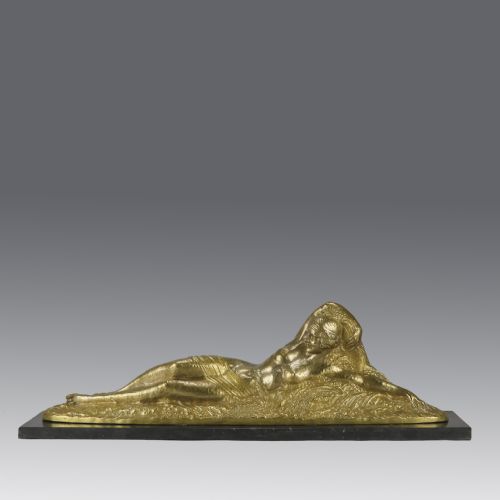


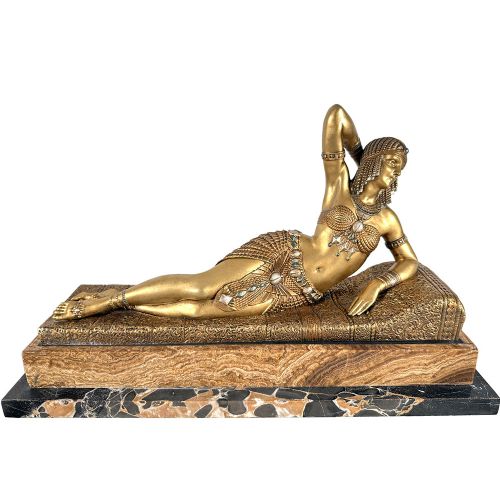
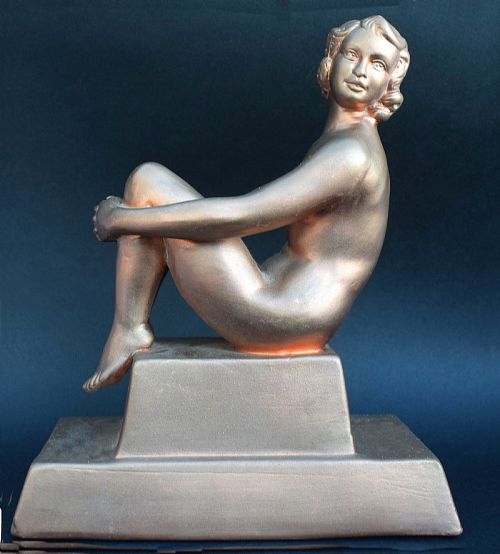


Bronze Female Nude
When collectors search for a bronze female nude, they seek cast metal figures ranging from nineteenth-century classical interpretations to sleek nineteen-thirties modernist dancers.
Bronze Female Nude
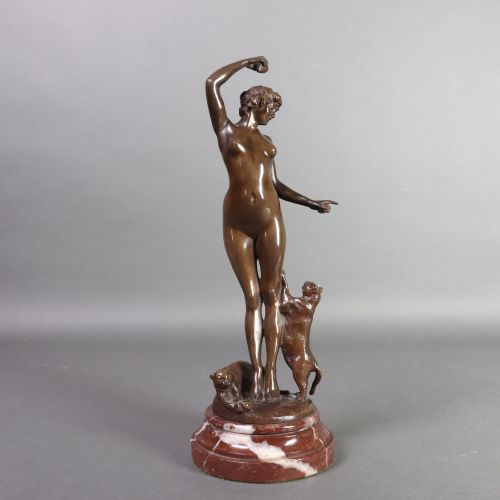
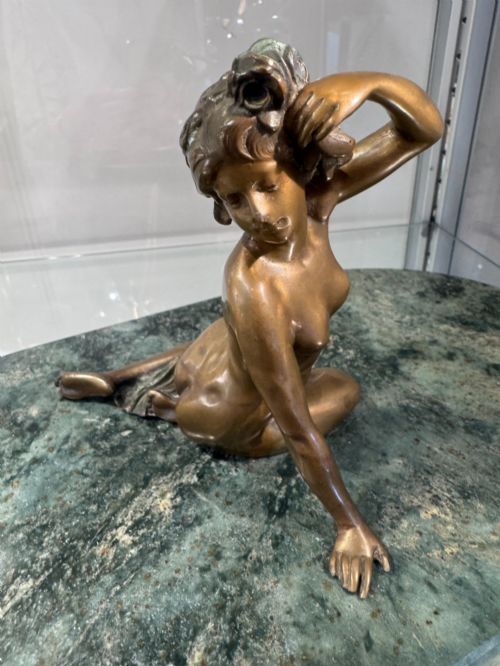
A bronze female nude encompasses small statuary, table lamps, car mascots, and cabinet figurines cast across the nineteenth and twentieth centuries. These pieces reflect prevailing shifts in taste from classical antiquity and nineteenth-century academic French sculpture towards the geometric stylisation of Art Deco and Art Nouveau.
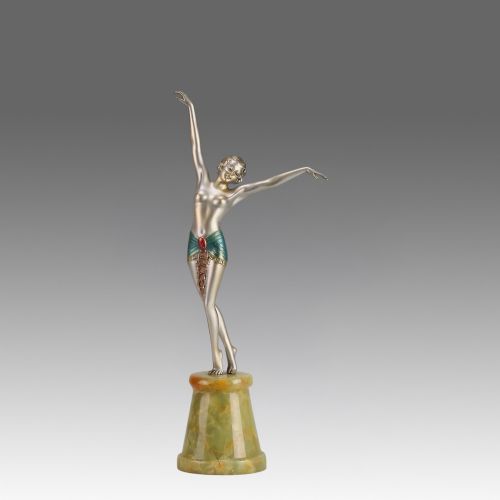
The most common examples encountered on this page date from the nineteen-twenties and nineteen-thirties, capturing dancers, bathers, and allegorical figures in patinated or gilt metal. Many of these later works integrate carved marble or onyx plinths to elevate the composition.
Materials and casting techniques
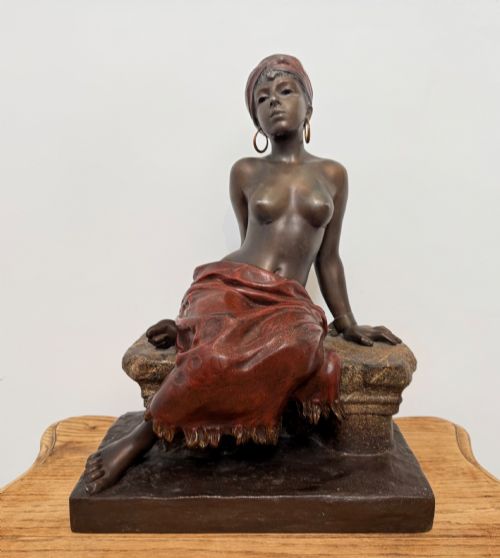
Foundries typically utilised the lost-wax casting method or sand casting to achieve intricate detail in the metal figure before hand-finishing the surface. Cold painting and silvering were frequently applied to enrich the garments, skin tones, or decorative accessories of the subject.
Combination materials appear regularly, anchoring the heavy metal sculptures to bases made of marble, onyx, or alabaster. These stone plinths provided essential stability while contrasting with the dark patinated or gilt surfaces of the bronze.
Bronze Female Nude Retail Price Guide 2026
Typical asking prices for bronze female nude among the pieces listed under this phrase on Sellingantiques today, from the lower quarter to the upper quarter. They describe what is for sale here now, not the wider market.
Listings feature works spanning the nineteenth century through the Art Deco nineteen-thirties, utilising patinated bronze, marble, and silvered metal.
Distinctions in quality and execution
The reputation of the foundry and the clarity of the artist signature heavily influence the standing of an individual casting. Master founders achieved smoother transitions and more convincing anatomical proportions than those found in commercial reproductions.
Ferdinand Barbedienne·Ferdinand Preiss·Josef Lorenzl·Demetre Chiparus·Franz Bergman
The Bronze Female Nude Glossary
- Patina
- The chemical colouration or surface film developed on bronze over time or applied deliberately by the foundry. This finish ranges from deep chocolate browns to bright golden tones.
- Cold painted
- A technique where oil or enamel paint is applied to unheated bronze and allowed to dry naturally. This method was widely used by Viennese workshops.
- Lost-wax casting
- A process where a molten metal is poured into a mould created by enveloping a wax model in a refractory material. This technique allows for exceptional detail and undercuts.
- Spelter
- A zinc-based alloy frequently substituted for bronze in decorative figures during the early twentieth century. It is lighter and softer than true bronze.
- Chasing
- The manual post-casting process of refining the metal surface with hammers and punches to remove casting flaws and sharpen details. Fine chasing separates master bronzes from basic production pieces.
Bronze Female Nude: Frequently Asked Questions
How do I identify Art Deco figures?
Art Deco figures display streamlined silhouettes, stylised drapery, and geometric posture that break away from nineteenth-century realism. Many depict dancers or athletic subjects mounted on stepped marble bases.
Signatures from known modellers or foundry marks stamped into the metal often confirm the period and origin of the cast.
What is cold painted bronze?
Cold painting involves applying coloured enamel or oil paint directly onto a cold bronze surface without heat fixation. This technique was favoured by Viennese studios to render vibrant clothing and realistic skin tones.
Careful handling is required to preserve these painted surfaces, as they are more susceptible to flaking than chemical patinas.
How should I clean my bronze?
Dusting gently with a soft, dry microfibre cloth is generally sufficient for maintaining patinated bronze surfaces. Avoid chemical cleaners, abrasive cloths, or water, which can strip the original patina.
Applying a very thin coat of microcrystalline wax can protect the metal from atmospheric moisture and handling wear.
Why are some figures mounted on marble?
Marble and onyx bases provided essential structural support and visual weight to balance outstretched limbs or dynamic dancing poses. These stone plinths also served an aesthetic purpose, anchoring the metallic figure within a classical framework.
The colour and veining of the marble frequently help date the piece to specific periods like the nineteen-twenties.