
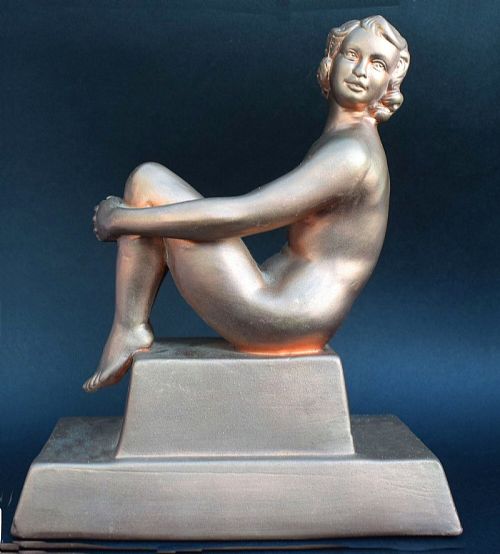


Bronze Seated Figure
When you search for a bronze seated figure, you encounter centuries of foundry work ranging from Grand Tour classical subjects to Himalayan deities.
Bronze Seated Figure
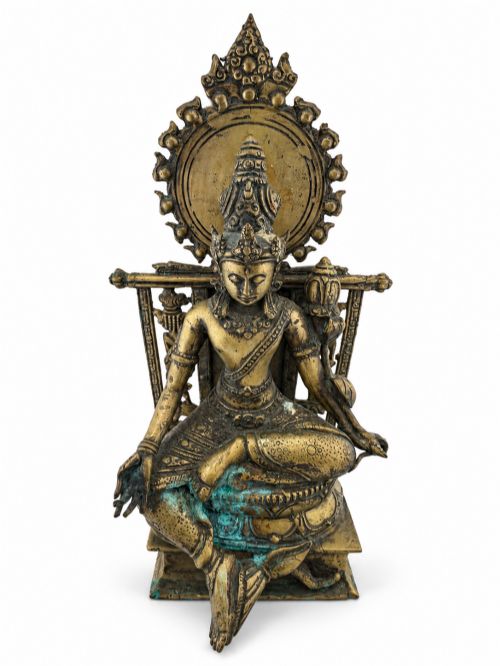
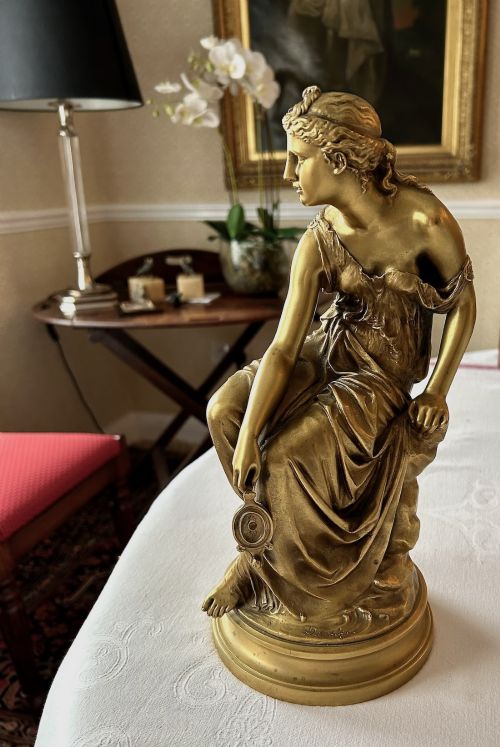
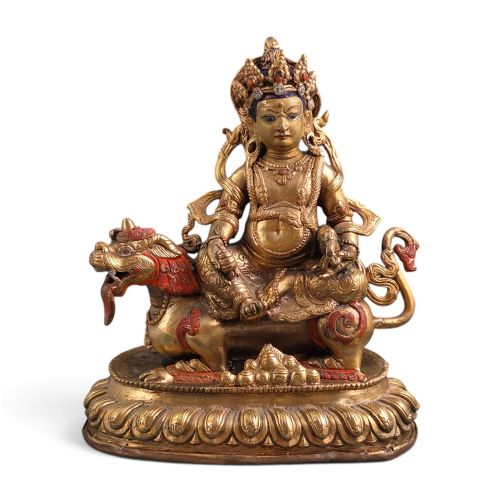
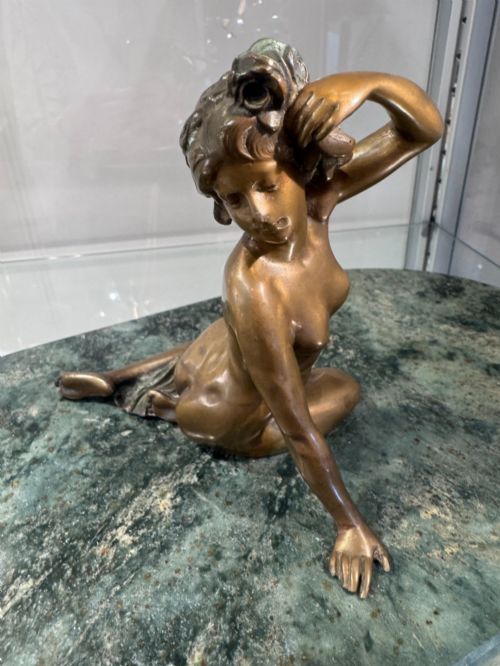
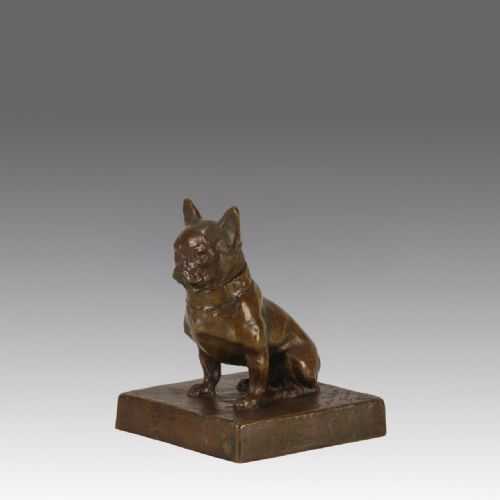
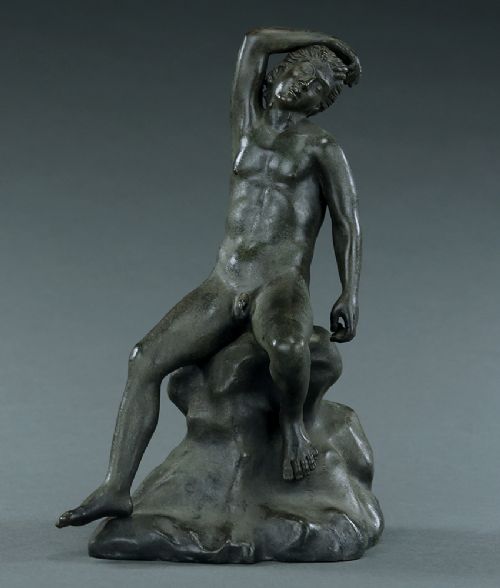
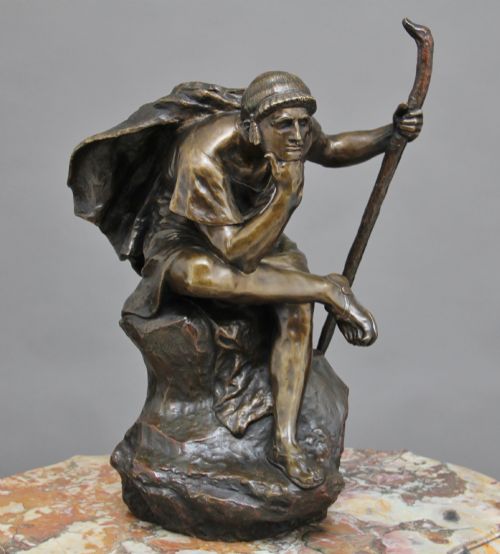
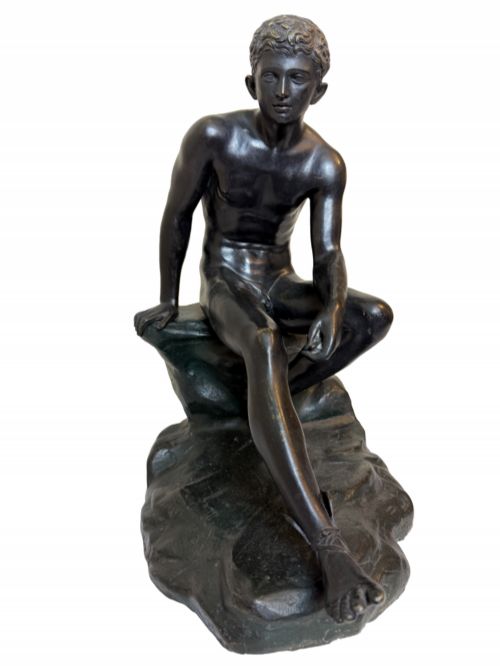
A bronze seated figure encompasses both Western foundry sculpture and Eastern sacred art, capturing subjects at rest rather than in motion. The pieces vary widely in scale, from cabinet bronzes designed for a desk to monumental sculptures intended for interior display or shrine use.
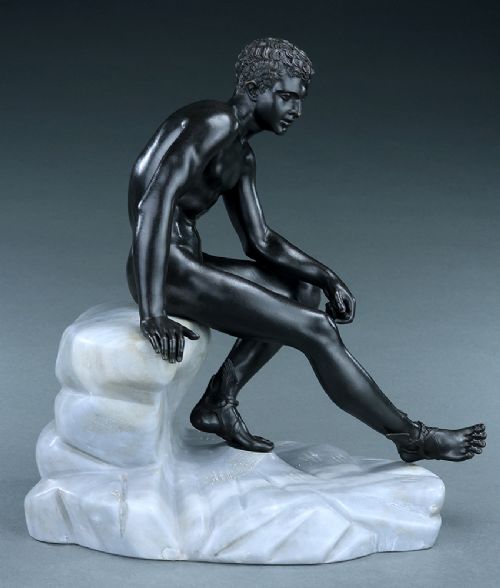
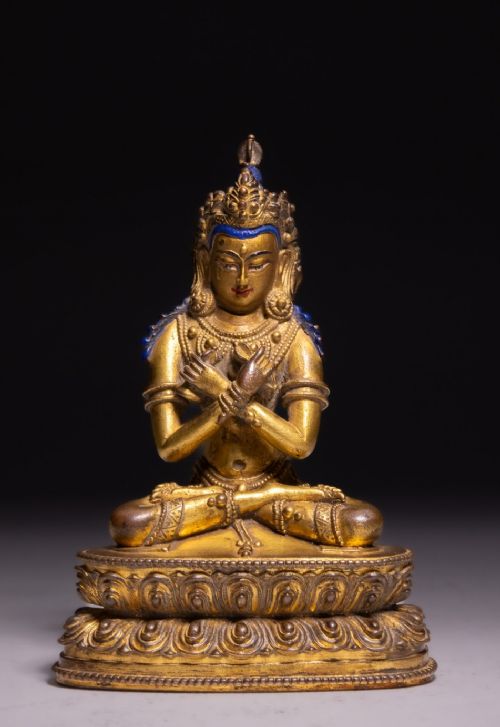
European examples on this page frequently draw on classical mythology, Neoclassical ideals, and 19th-century animalier studies, often mounted on marble or onyx bases. Asian examples lean towards Tibetan, Chinese, and Southeast Asian traditions, depicting Buddhas, bodhisattvas, and deities seated in traditional postures.
The aesthetic bridges domestic decorative arts and ritual objects, reflecting how different cultures immortalise the seated human and divine form in metal.
How they were made
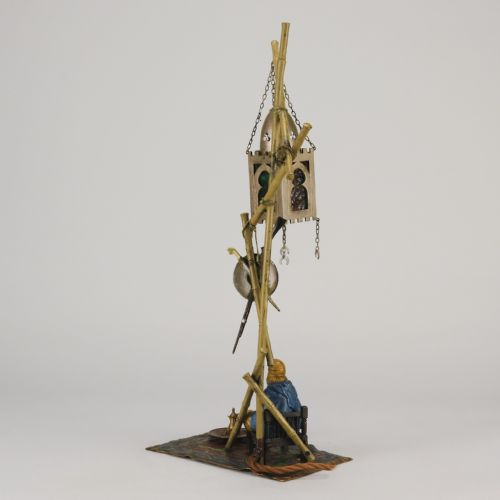
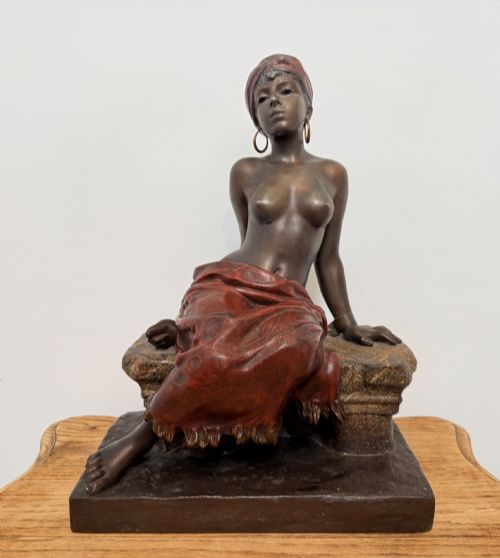
The majority of these sculptures utilise the lost-wax casting technique, allowing founders to capture intricate details in molten bronze, copper alloy, or brass. After casting, the metal receives various surface treatments, including cold-painting, chemical patination to produce dark brown or verdigris finishes, or the application of gold leaf and gilt layers.
Many European casts incorporate secondary materials, mounting the heavy bronze body onto bases of grey marble, onyx, or wood. Tibetan and Himalayan bronzes often feature cold-painted pigments on the face or hair, combined with inset turquoise or other stones in ritual contexts.
Listings feature bronzes spanning the 16th to the 20th century, incorporating materials like marble, wood, and pigment.
What varies in quality
The distinction between average and exceptional casts lies in the crispness of the chasing and the finish applied after the metal leaves the mould. Superior examples retain sharp facial expressions, clear drapery folds, and clean texturing in hair or animal fur without smoothing over important anatomical transitions.
Foundry signatures and known artist attributions elevate a piece, reflecting the skill of period workshops in France, Italy, and Austria. The integrity of the original patination and the quality of any associated marble or stone base also contribute to the overall standard of the sculpture.
Etienne-Henri Dumaige·Franz Bergman·E Villanis·Dora Heber·Hector Lemaire·Zoffoli·Louis Riché·Sybille May·Pierre Hebert
The Bronze Seated Figure Glossary
- Lost-wax casting
- A metalworking method where a molten metal is poured into a mould that has been created by a wax model. This technique permits the reproduction of intricate sculptural details.
- Patination
- The process of applying chemical treatments to the surface of bronze to alter its colour and texture. This creates natural-looking ageing effects ranging from deep brown to green verdigris.
- Grand Tour
- A cultural journey undertaken by wealthy young Europeans in the 18th and 19th centuries. Souvenirs from these travels included bronze reductions of classical antiquities.
- Animalier
- A 19th-century artistic movement focused on the realistic portrayal of animals. Sculptors in this style often captured dogs, lions, and other creatures in seated poses.
- Bodhisattva
- An enlightened being in Buddhist traditions who delays entering nirvana to help others. These figures are frequently depicted seated in meditative postures.
Bronze Seated Figure: Frequently Asked Questions
How do I identify a Grand Tour bronze?
Grand Tour bronzes typically replicate famous Roman or Greek sculptures encountered by travellers in Italy during the 19th century. They often feature distinct patination and are mounted on marbleplinths.
These pieces were produced commercially as high-end souvenirs for collectors rather than as original archaeological artefacts.
What is the difference between patinated and gilt bronze?
Patinated bronze uses chemical treatments to achieve dark brown, black, or green surface colours that highlight the modelling. Gilt bronze involves applying a layer of gold or gold amalgam to the metal surface.
Gilt finishes create a bright, reflective appearance often favoured in decorative decorative arts and religious statuary.
How should I care for an antique bronze?
Antique bronzes require minimal intervention, needing only gentle dusting with a soft, dry brush to prevent dirt accumulation. Avoid using liquid cleaners, polishes, or abrasive cloths that can strip the historic patination.
Maintaining a stable indoor humidity helps protect any integrated marble bases or cold-painted surface details.
Why do some seated figures have missing objects?
Many figurative bronzes were cast holding specific attributes, such as a sickle, a lamp, or ritual implements, which are susceptible to loss over time. These elements often detached during moves or centuries of handling.
When examining a piece, researchers look at historical comparables to understand what the figure originally held in its hands.