


British Mechanical Watch
A british mechanical watch rewards the wrist or pocket with gears, springs, and history spanning from the 1910s to the 1960s.
British Mechanical Watch
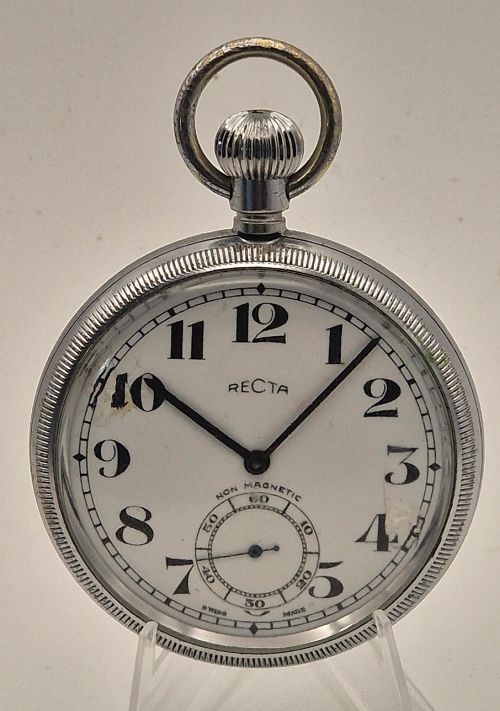
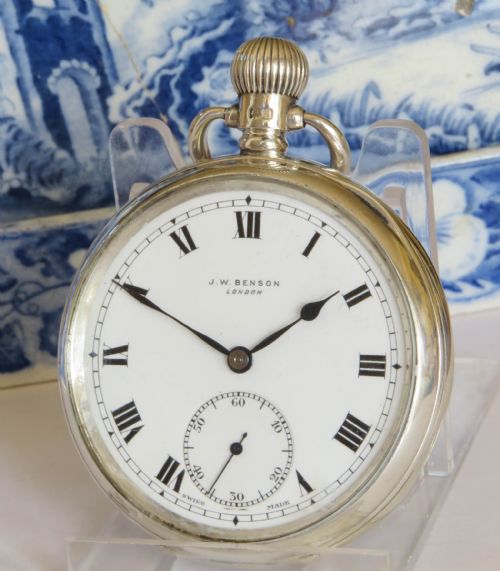
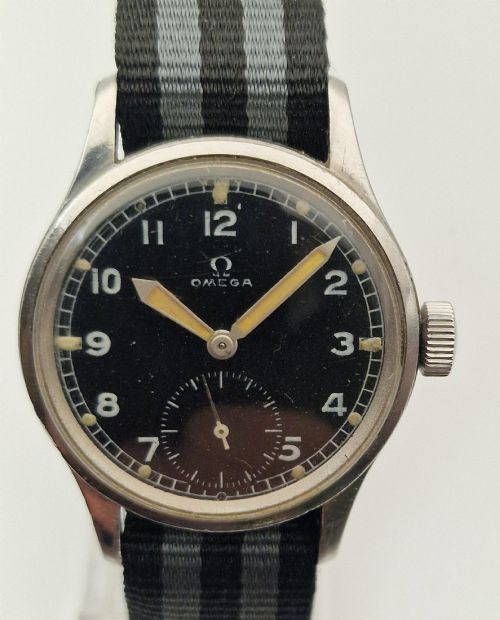
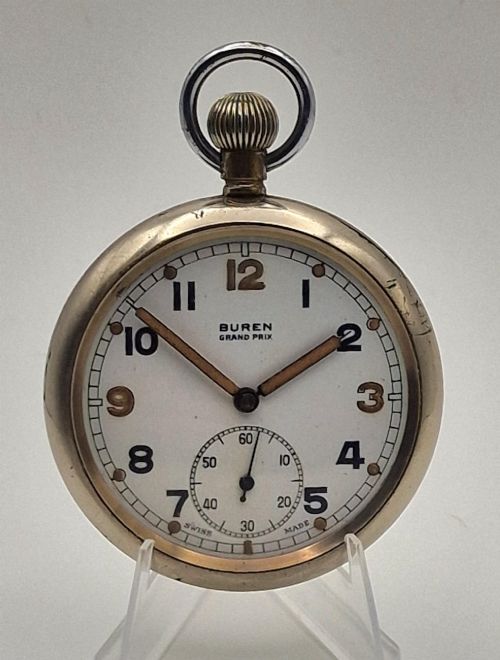
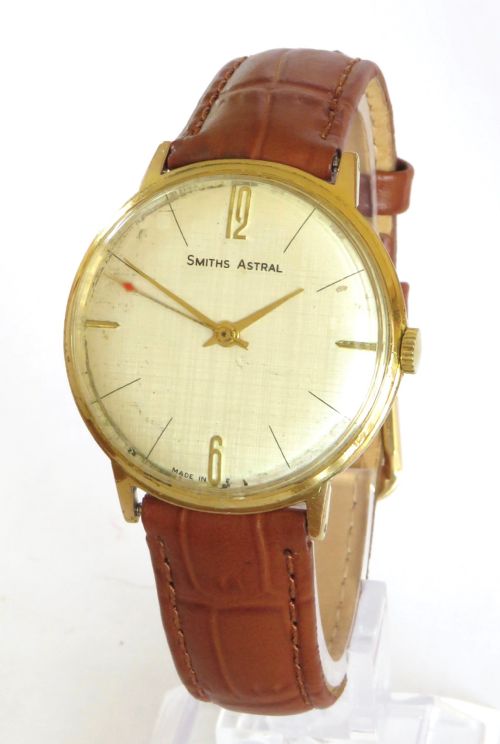
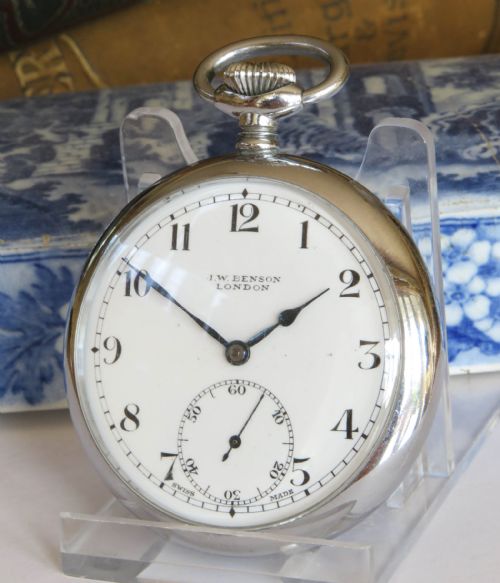
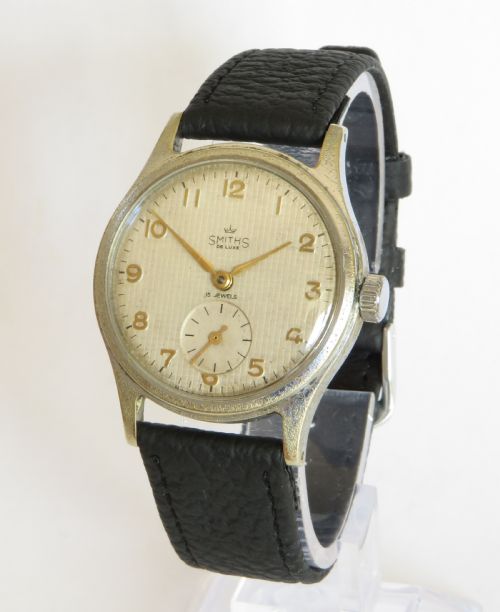
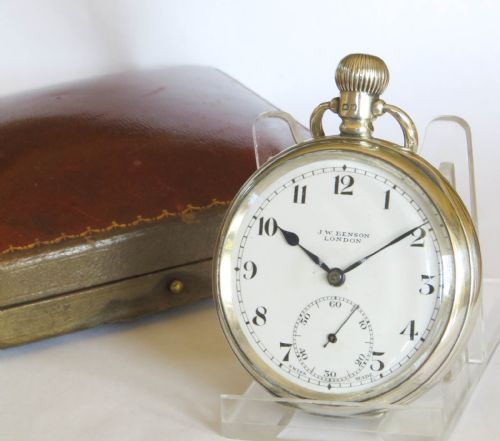
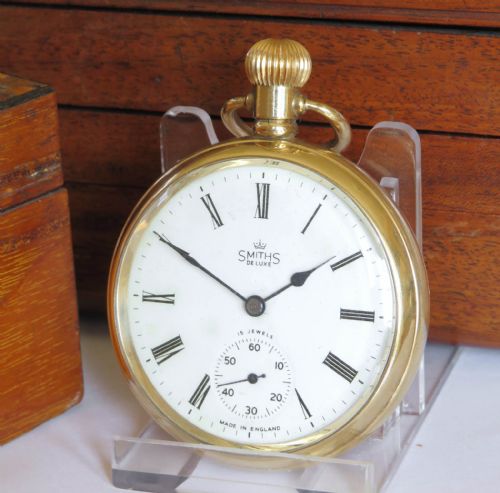
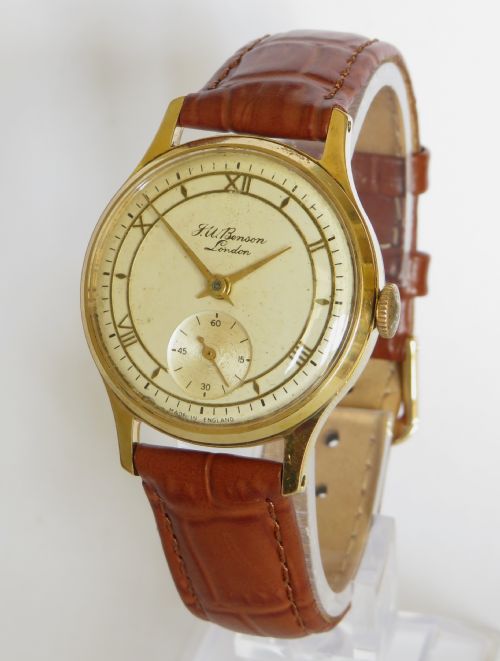
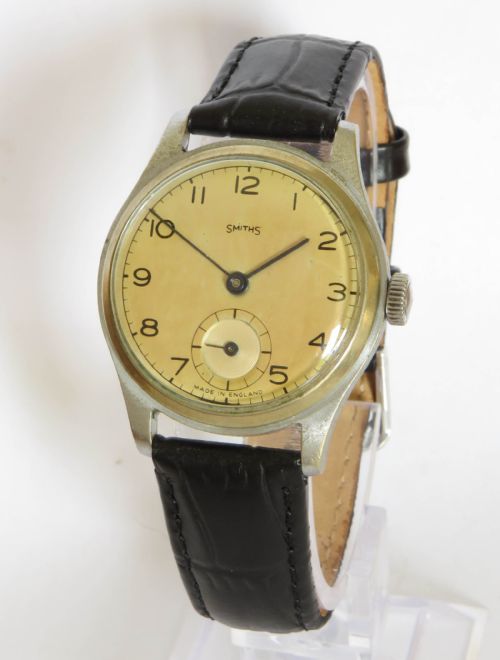
A british mechanical watch covers wristwatches, pocket watches, and table clocks spanning the 1910s through the 1960s. The selection relies heavily on pieces originating from makers such as Smiths, alongside examples tied to railway networks and military service.
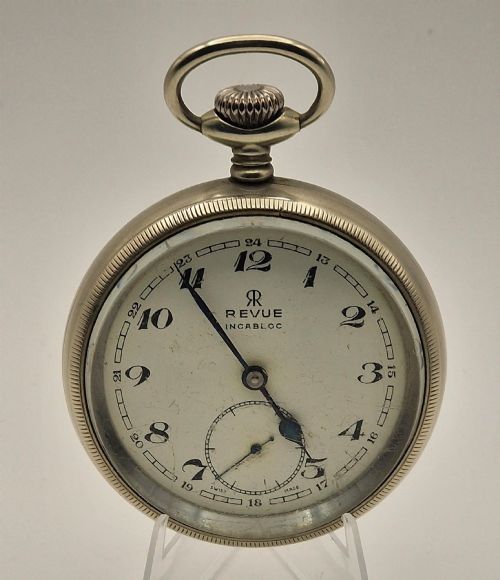
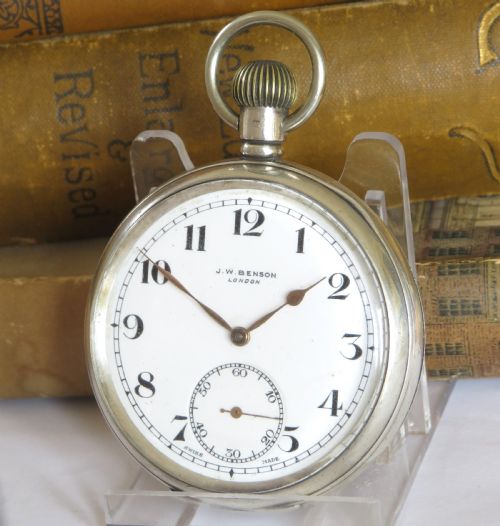
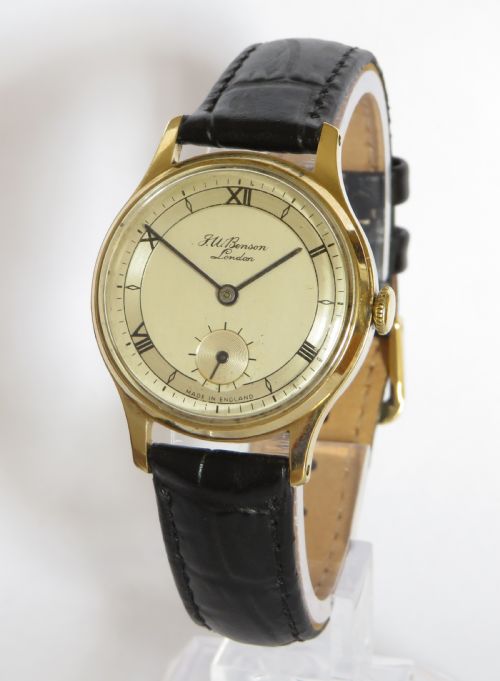
Wristwatches dominate the everyday selections, appearing across decades like the 1940s and 1950s with distinct dials and numerals. Pocket watches maintain a strong presence, offering alternative formats from earlier decades including the 1920s.
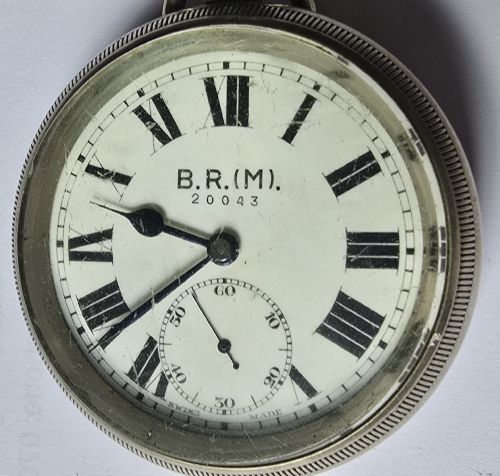
Military and railway service pieces appear frequently, linking timepieces directly to operational history through specific departmental markings. Table clocks round out the offerings, utilising similar mechanical movements in larger housing styles.
Materials and construction methods
Straps and attachments rely on leather for wristwatches, pairing with metal casing constructions. Internal movements utilise intricate gear trains, jewels, and mechanical springs assembled by British and international workshops.
British Mechanical Watch Retail Price Guide 2026
Typical asking prices for british mechanical watch among the pieces listed under this phrase on Sellingantiques today, from the lower quarter to the upper quarter. They describe what is for sale here now, not the wider market.
Railway workers relied on these heavy-duty pocket watches to keep the entire nation's steam trains running strictly on schedule.
Factors of quality and execution
Material choice dictates the baseline tier, moving from standard metal and gold plate up to solid 9ct gold cases. The complexity of the internal movement, such as the count of jewelled bearings, separates standard functional timepieces from finer assemblies.
The pedigree of the maker or retailer stamps on the dial and movement influence overall desirability. Preservation of original components, from glass crystals to leather straps and associated boxes, maintains the integrity of the piece.
Smiths·J W Benson·Cyma·Ebel·Elgin
The British Mechanical Watch Glossary
- Jewels
- Synthetic rubies or sapphires placed within the movement to reduce friction on pivot points. Higher jewel counts indicate more sophisticated mechanical assemblies.
- Dial
- The visible face of the watch displaying numbers, markers, and branding. These surfaces appear in various tones with specialised arabic numerals or railway tracks.
- Case
- The protective metal housing enclosing the watch movement and dial. Materials range from basic brass and steel to solid 9ct gold.
- Movement
- The internal mechanical engine driven by a mainspring rather than a battery. This assembly regulates time through gears, balance wheels, and escapements.
British Mechanical Watch: Frequently Asked Questions
How do I wind a mechanical watch?
Rotate the crown clockwise between your thumb and forefinger until you feel gentle resistance. Stop immediately to avoid over-winding and damaging the internal mainspring.
For pocket watches, turn the crown or use the specific winding mechanism attached to the pendant bow. Regular daily winding at a consistent time keeps the movement running accurately.
What is a railway issue watch?
These timepieces were issued to workers on regional networks like the British Rail Midland Region and the North British Railway. They required strict timekeeping reliability for operational safety.
Such watches often feature clear, legible dials with bold numerals and specialised engravings on the case back noting the railway department.
How can I tell the period of a watch?
Examine the overall design language, dial typography, and case shape, comparing them against known manufacturing decades from the 1910s to the 1960s. Art Deco influences point toward the 1920s and 1930s.
Maker stamps, hallmarks on gold or silver cases, and specific military issue codes provide precise chronological markers. Service history records can also verify the exact year of production.
Are these watches water resistant?
Vintage mechanical pieces from these eras generally lack modern rubber seals and modern water-resistant construction. Exposure to moisture can easily rust internal steel components and ruin paper or enamel dials.
Keep these watches away from water, rain, and high humidity environments. Remove them entirely before washing hands or swimming.