
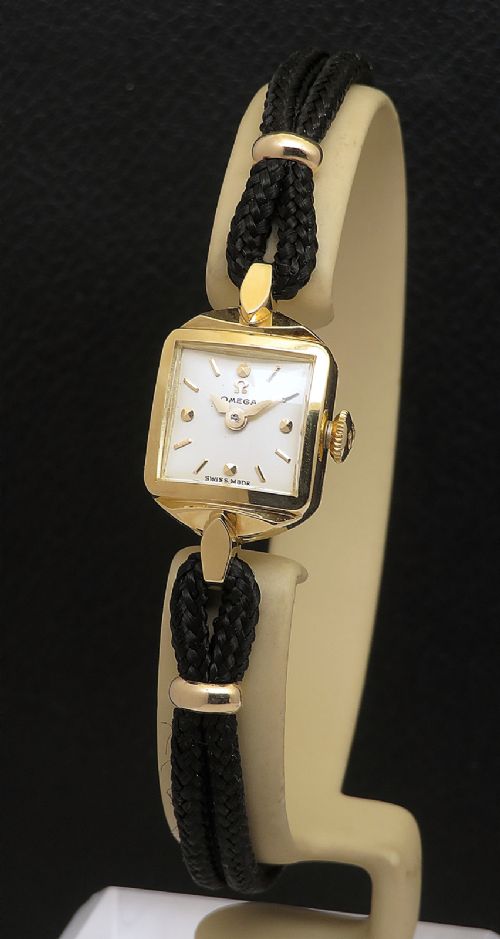
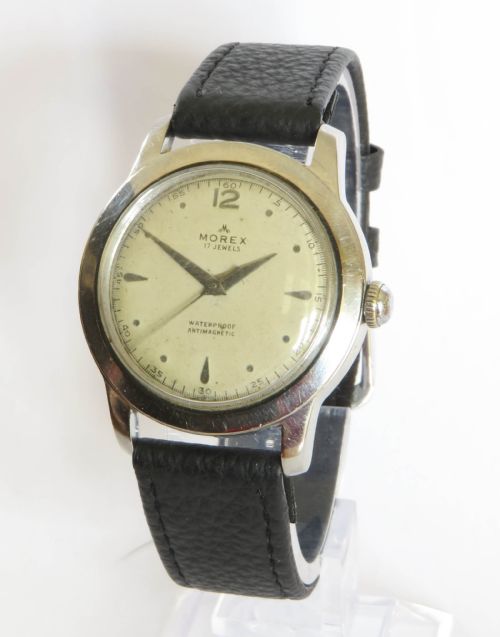
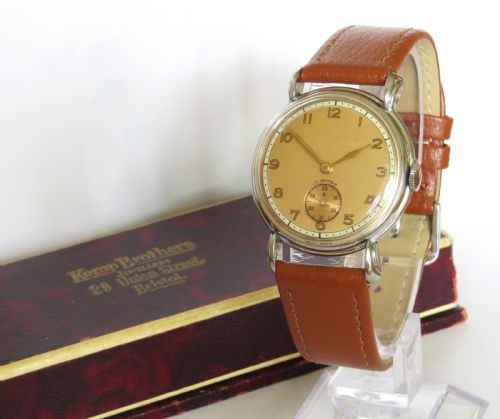
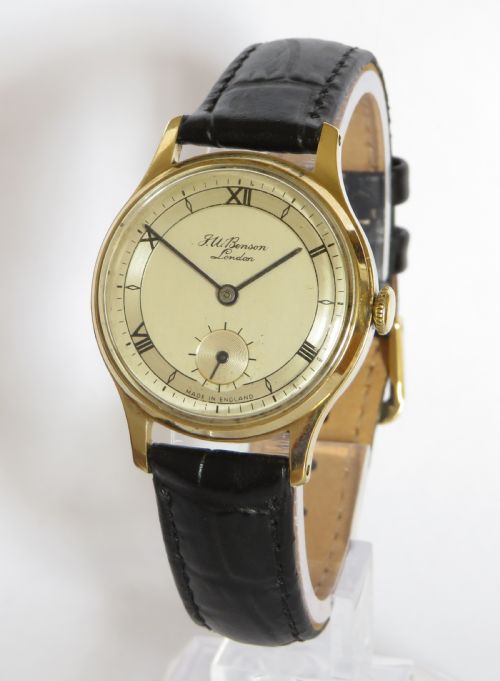
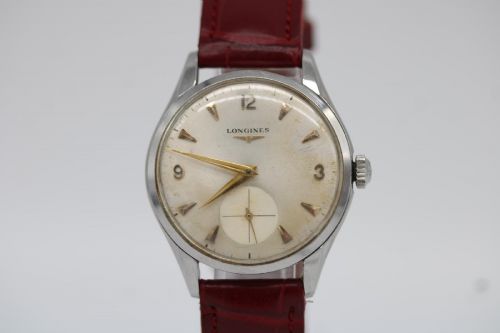
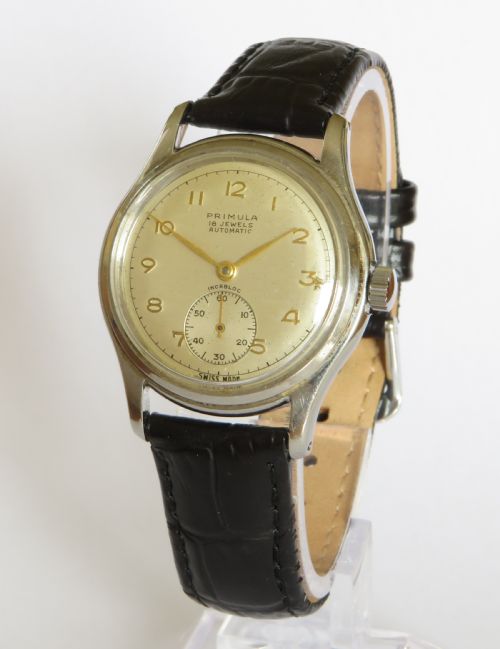
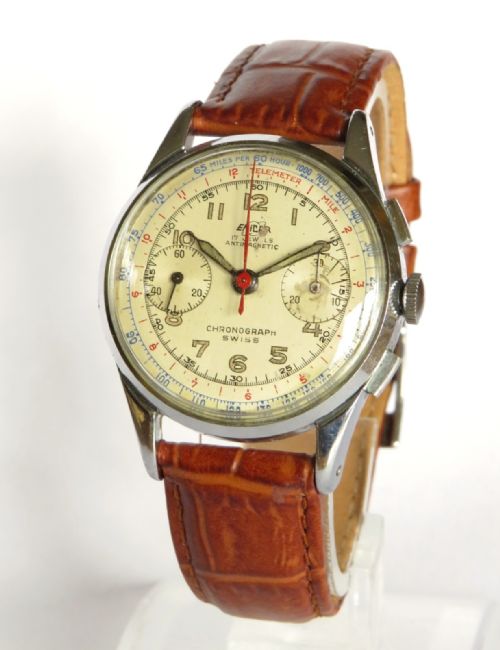
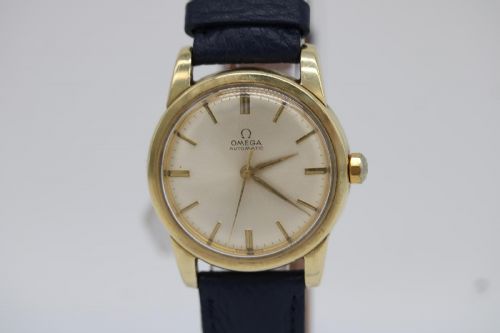
1950s Mechanical Timepiece
A 1950s mechanical timepiece brings you hand-wound or automatic precision with mid-century style, offering classic horology for everyday wear.
1950s Mechanical Timepiece
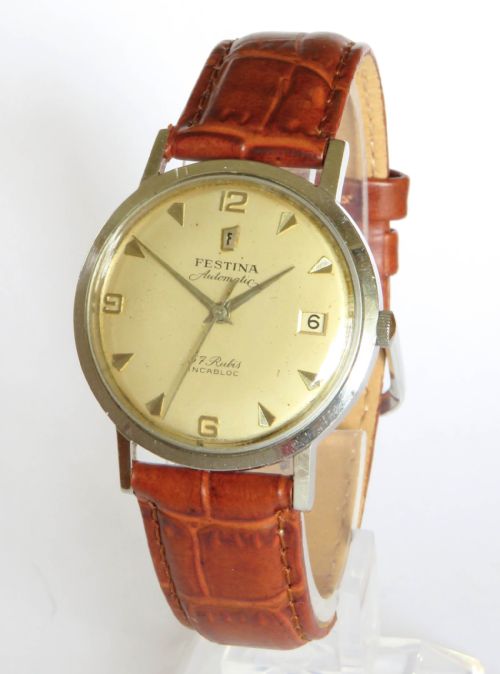
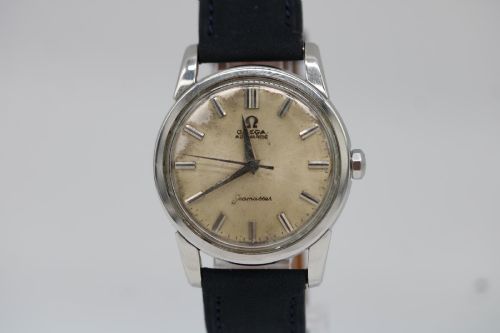
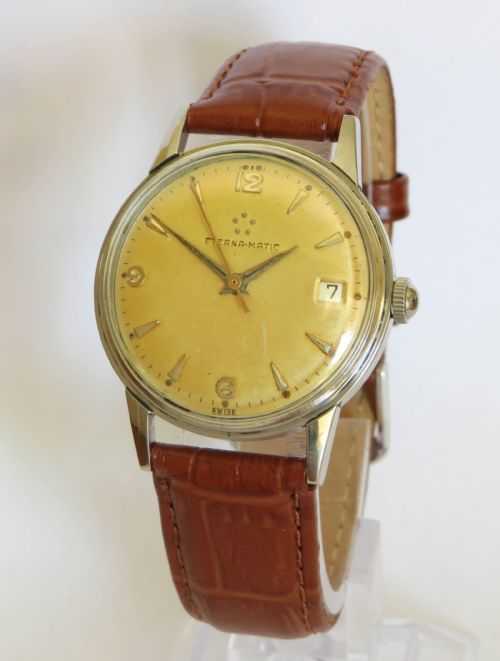
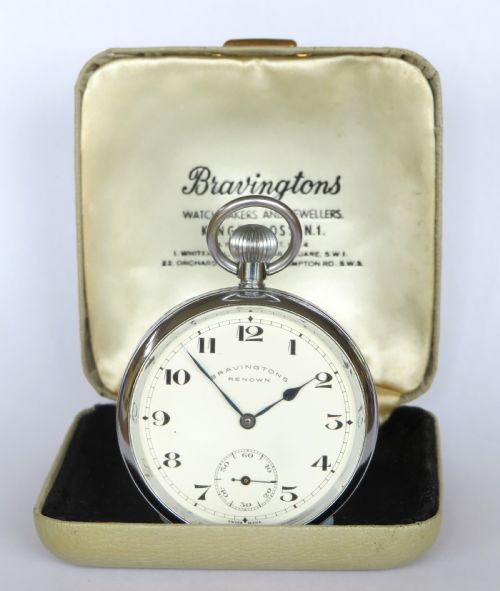
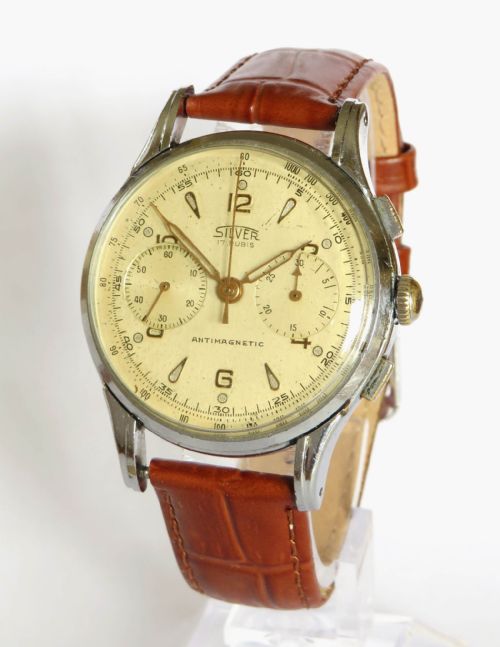
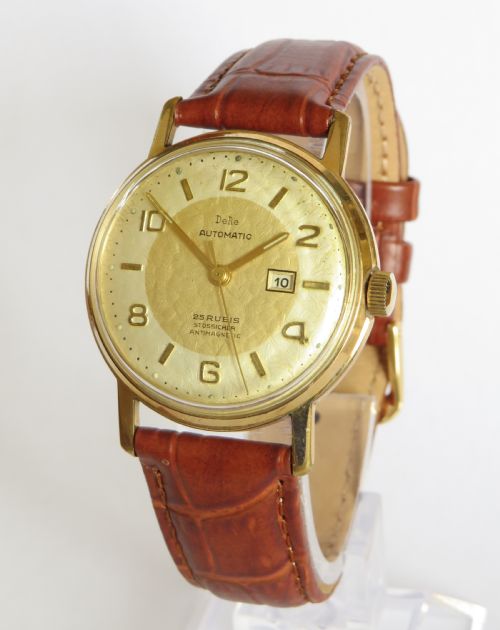
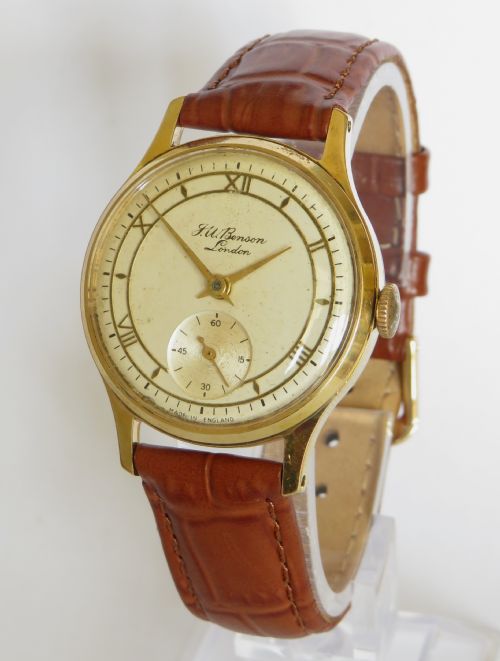
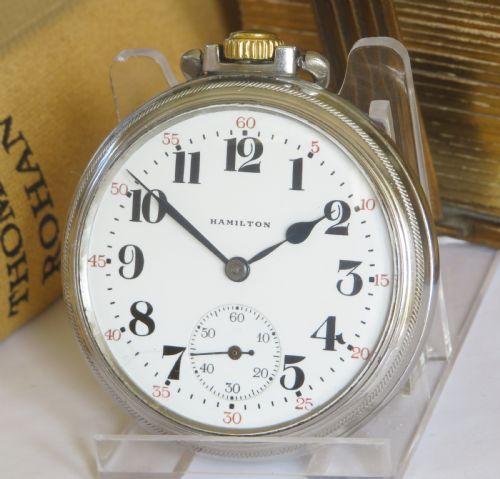
A 1950s mechanical timepiece encompasses wristwatches, pocket watches, and desk or table clocks originating from the mid-century period. You are most likely to meet gents wristwatches housed in steel, gold plate, or solid gold cases.
The selections span styles from Mid-Century Modern to Art Deco, often driven by Swiss or British horology. Forms range from simple dress watches to complex chronographs and calendar models.
How they were made
Cases combine metals such as stainless steel, gold plate, 9ct gold, and 18ct gold, fitted with glass or acrylic crystals over dials. Movements rely entirely on mechanical gears and springs, requiring manual winding or automatic self-winding rotors.
Some dials display honeycomb patterns that catch the light whenever you check the hour.
What varies in quality
The distinction between standard production pieces and top-tier examples lies in the refinement of the movement and the preciousness of the case metal. Solid gold construction and specialised complications like triple calendars elevate a piece above basic steel models.
Originality of components, from signed dials to matched calibres, defines the standing of an individual watch. Condition of the case and dial integrity also separate ordinary survivals from superior examples.
Omega·Montilier·Smiths·Festina·Eterna Matic·Bravingtons·Antoremi·Longines·Primula·Enicar·Wittnauer·Dogma Prima·Kered·Rotary·Lanco·Prisma·Fludo·Ebana·Baume Mercier·Miramar·Jaeger LeCoultre
The 1950s Mechanical Timepiece Glossary
- Mechanical timepiece
- A device that measures time using springs and gears rather than a battery. These mechanisms require manual winding or movement from the wearer's wrist.
- Chronograph
- A watch featuring a stopwatch function alongside standard timekeeping. These models include independent sub-dials to measure elapsed seconds and minutes.
- Automatic
- A self-winding movement powered by the natural motion of the wearer's arm. An internal weighted rotor turns mainsprings as the person moves.
- Calibre
- The specific internal movement design and manufacturer designation inside a watch. Collectors reference these numbers to identify the exact mechanism.
- Gold plate
- A base metal case covered with a thin layer of gold bonded to the exterior. This technique provided the appearance of solid gold at a lower production cost.
1950s Mechanical Timepiece: Frequently Asked Questions
How do I wind a 1950s mechanical watch?
Gently rotate the crown clockwise between your thumb and forefinger until you feel resistance. Stop immediately to avoid damaging the mainspring.
For automatic models, wearing the piece provides daily winding through natural wrist movement.
Are these watches waterproof?
Mid-century watches lack modern rubber gaskets and screw-down seals. Exposure to moisture or humidity can easily damage the dial and rust the delicate internal steel components.
Keep these timepieces away from water, rain, and hand-washing entirely.
How can I tell the difference between manual and automatic?
Manual wind watches require you to turn the crown daily to store power in the mainspring. If you try to wind an automatic watch endlessly, you will feel a slipping clutch rather than a hard stop.
Automatic models also tend to have slightly thicker case backs to house the internal oscillating rotor.
What is a triple calendar watch?
A triple calendar movement displays the day of the week, the month, and the date alongside standard hours and minutes. These apertures and pointers require mechanical gearing to track the changing months.
More complex variations within this group also incorporate a moonphase display showing the lunar cycle.