


Brass Weight Pendulum Clock
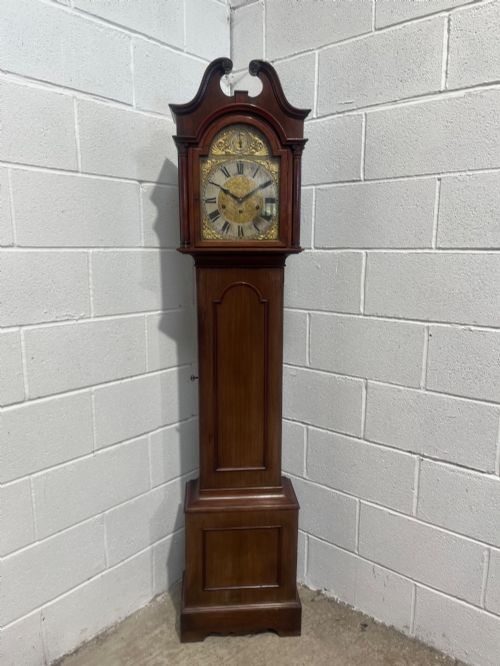
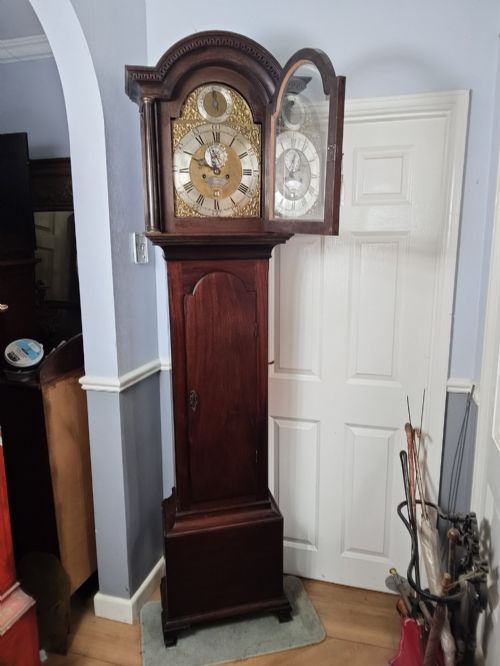
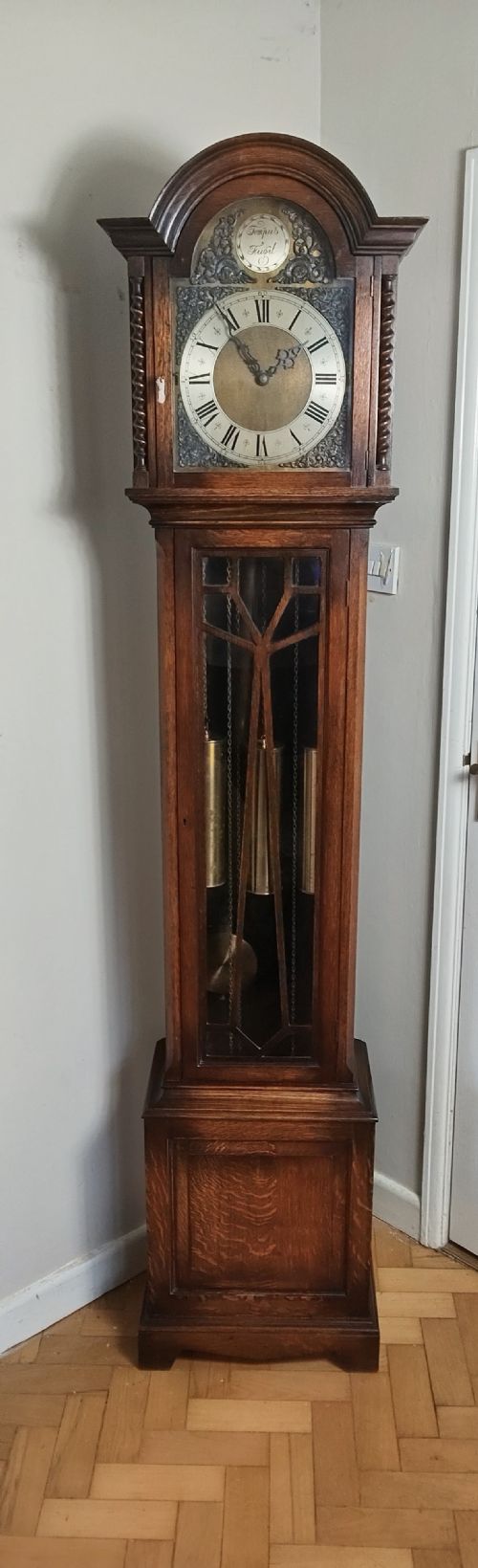
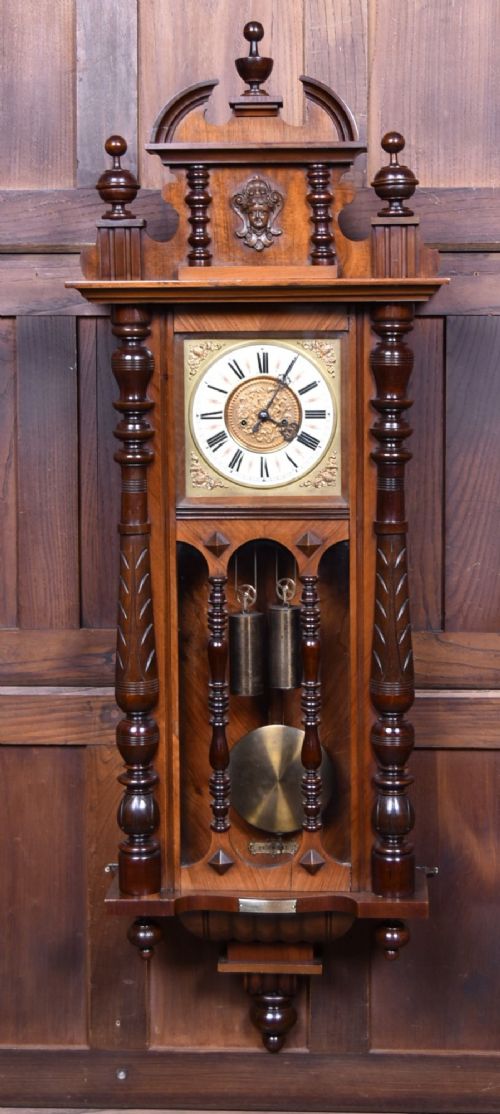
A brass weight pendulum clock brings mechanical rhythm and timber warmth into a room, spanning wall-hung regulators and tall floor-standing cases.
Brass Weight Pendulum Clock
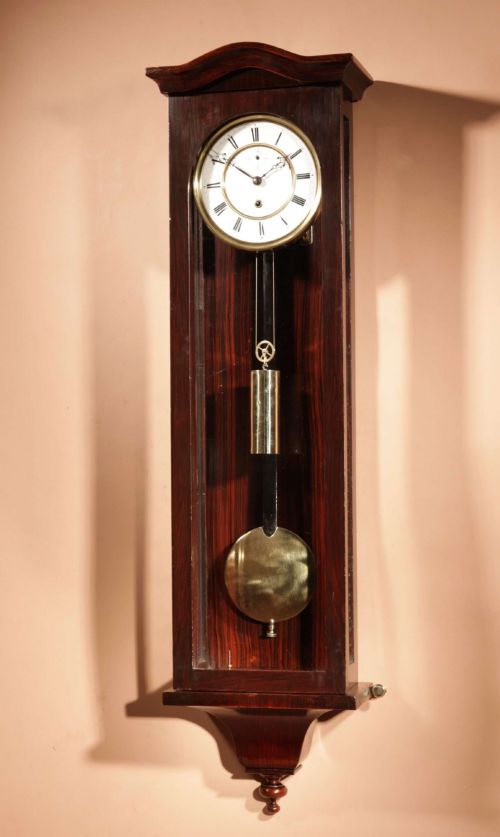
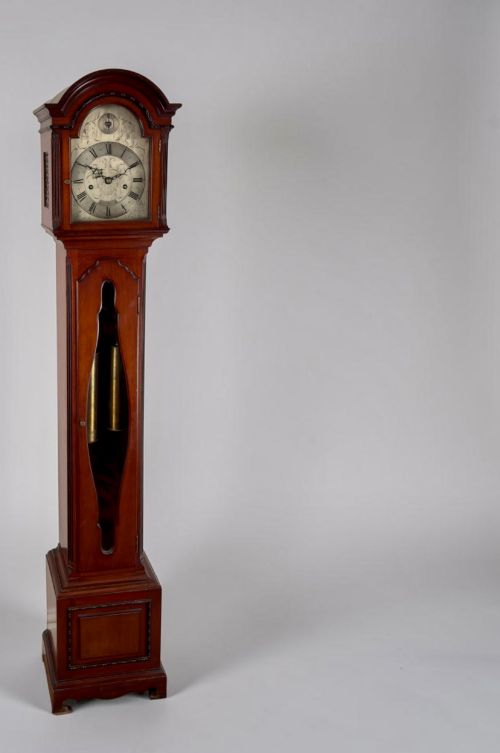
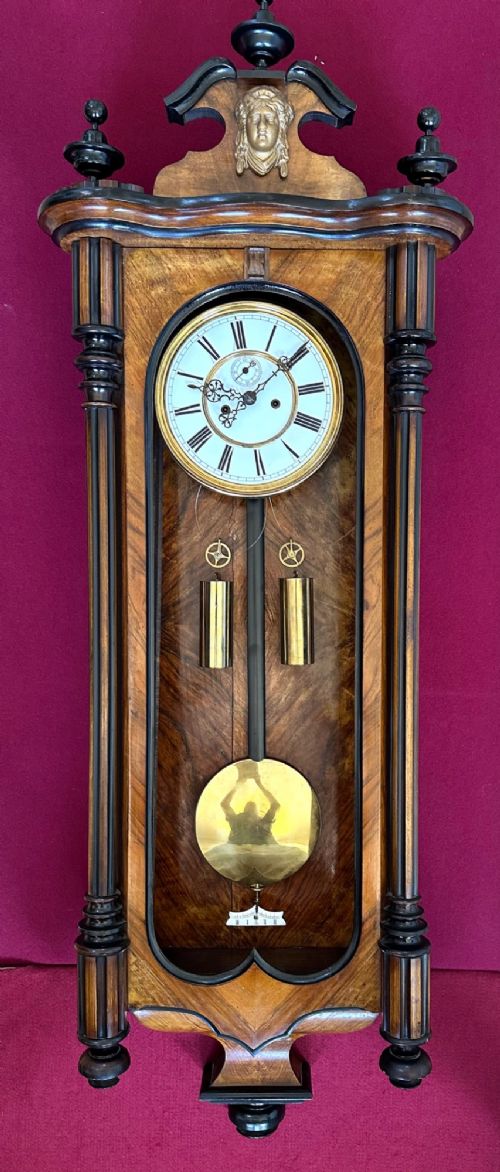
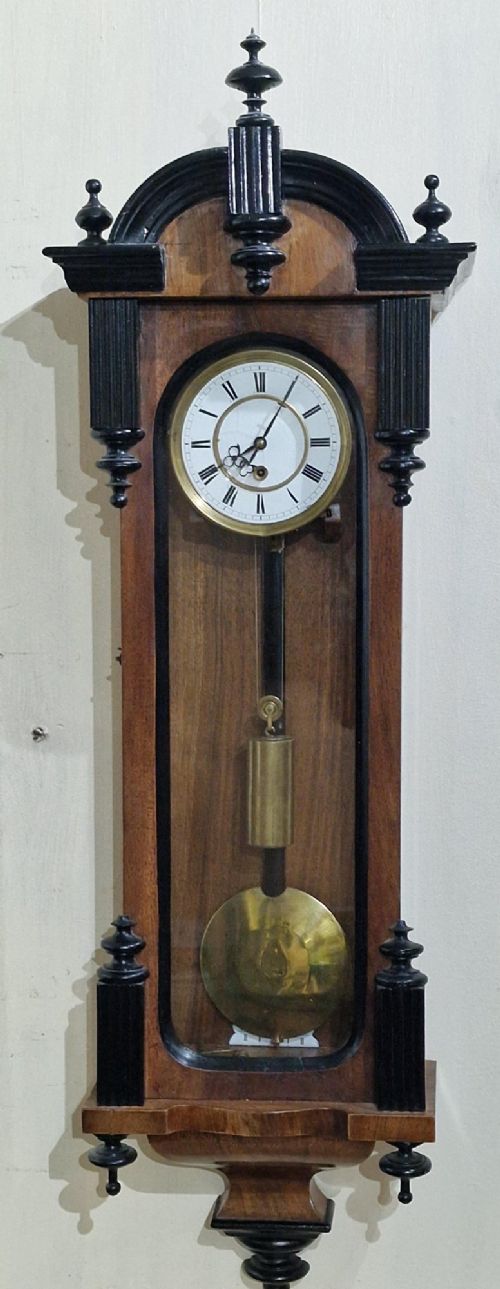
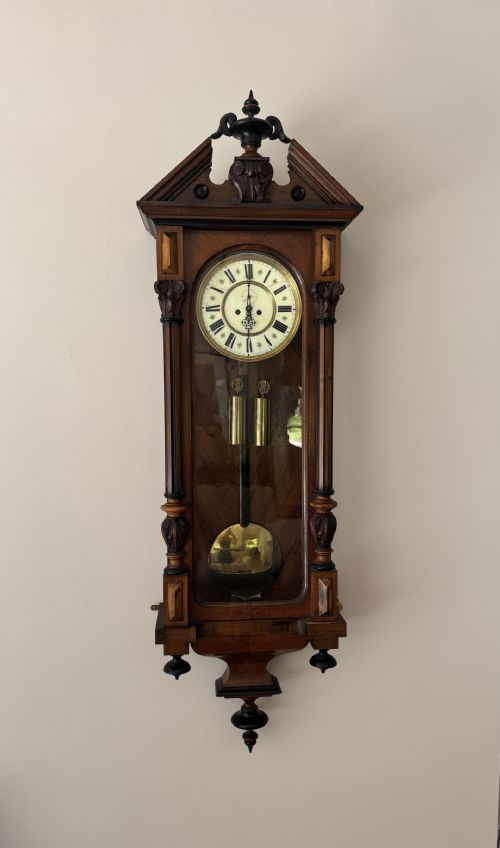
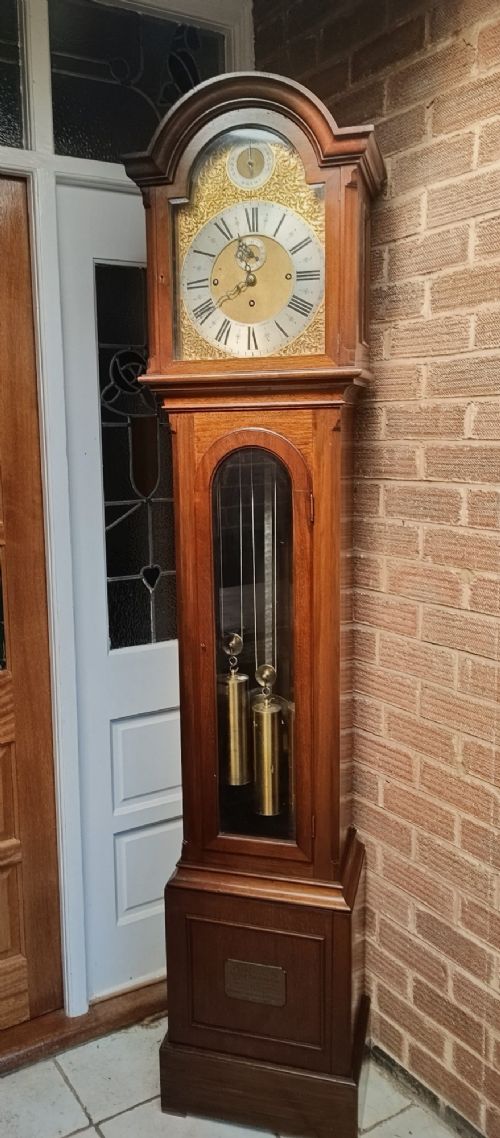
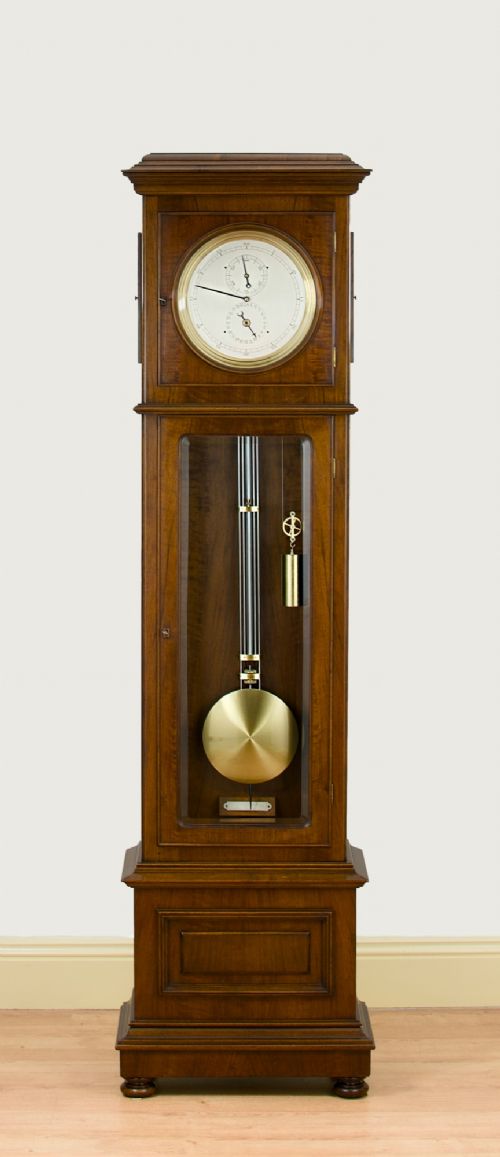
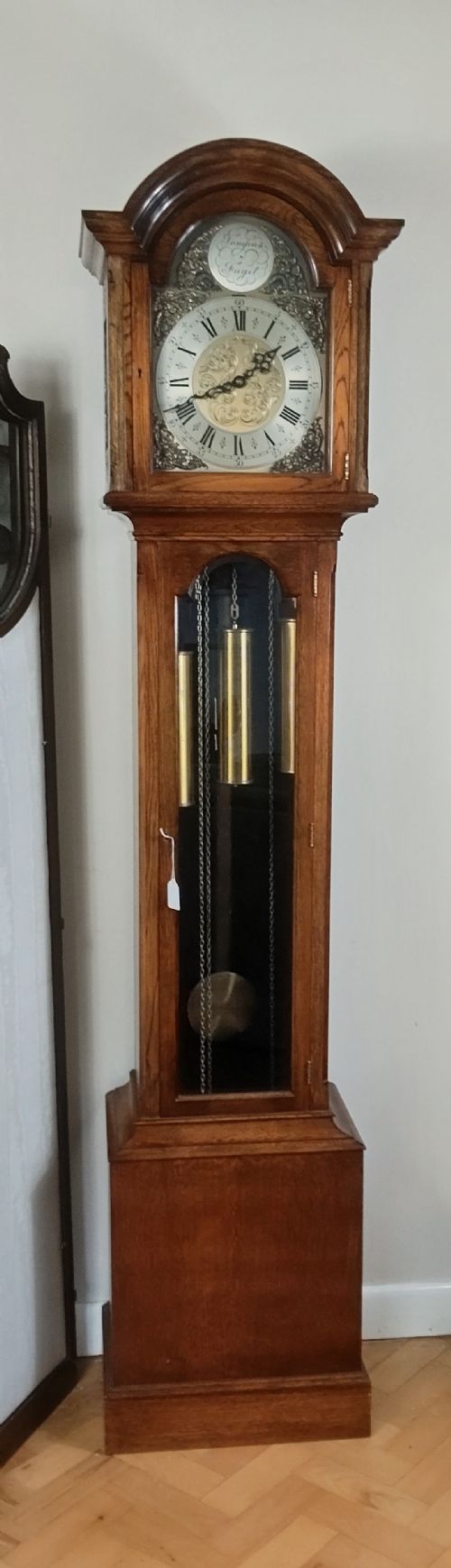
A brass weight pendulum clock encompasses several distinct domestic forms, from tall floor-standing longcase pieces to wall-mounted Vienna regulators and Dutch staart clocks. When searching for a brass weight pendulum clock, buyers encounter floor-standing grandfather and grandmother clocks alongside wall-hung regulators spanning the Georgian, Victorian, and Edwardian periods.
The materials housing these movements reflect traditional cabinet-making, featuring mahogany, walnut, oak, and ebonised wood paired with glass panels and enamelled dials. Longcase versions stand tall in oak or mahogany cases, while Vienna wall regulators display carved walnut or black forest timber frames enclosing visible brass weights and swinging pendulums.
Materials and construction
Clockmakers housed these mechanisms in solid timber cases built from mahogany, walnut, and oak, often shaped with applied carvings or inlaid veneers. Movements rely on brass gears and plates, driven by suspended brass weights and regulated by swinging pendulums visible behind glass dial doors.
Dials combine brass chapters, painted iron or enamel faces, and delicate steel hands, sometimes supplemented by chime rods or bells. Enclosed wall regulators and floor longcases utilise glazed doors to protect the delicate suspension and weight drops while allowing a clear view of the operating mechanism.
Evaluating the standard
Quality rests in the precision of the movement and the integrity of the cabinet work, distinguishing standard production from precision workshop output. Finer examples feature intricate chime systems, month-duration movements, or precision deadbeat escapements signed by notable makers.
The timber selection and carving depth define the exterior merit, with figured mahogany and richly carved walnut marking superior pieces. Original surfaces, matching brass weights, and well-executed dial ornamentation separate standard timepieces from higher-tier historical examples.
Gillett and Johnston·Gustav Becker·Lenzkirch·Henry Deykin·William Wady
The Brass Weight Pendulum Clock Glossary
- Vienna Regulator
- A high-precision wall clock developed in Austria, characterised by a weight-driven movement and a visible pendulum viewed through a long glazed door.
- Longcase Clock
- A tall floor-standing timekeeper, also known as a grandfather or grandmother clock, driven by weights suspended inside the trunk.
- Grand Piano Sonnerie
- A striking train configuration that chimes the hours and quarters automatically on multiple gongs or bells.
- Staart Clock
- A traditional Dutch wall clock featuring a weighted movement suspended above a pendulum box attached to the lower case.
Brass Weight Pendulum Clock: Frequently Asked Questions
How do I wind a weight-driven clock?
Wind the clock by pulling the chain or winding the cord to lift the brass weights back toward the top of the case.
Take care not to over-wind the movement and allow the weights to descend naturally as time elapses.
What is the difference between a grandfather and grandmother clock?
Grandfather clocks stand as full-height floor longcase timekeepers, whereas grandmother clocks are scaled-down, shorter versions of the same form.
Both utilise weight-driven pendulum mechanisms enclosed in upright wooden floor cases.
Where should I hang a Vienna wall regulator?
Mount the wall clock securely onto a solid wall stud using appropriate fixings to support the heavy timber frame and brass weights.
Ensure the wall remains stable and free from excessive vibration to keep the pendulum beating evenly.
How do I date an antique longcase clock?
Examine the dial style, case timber, and maker signature engraved on the brass faceplate or movement backplate.
Georgian examples typically display square brass dials, while later Victorian and Edwardian pieces often feature arched faces and heavily carved cases.