


Brass Urn Vessel
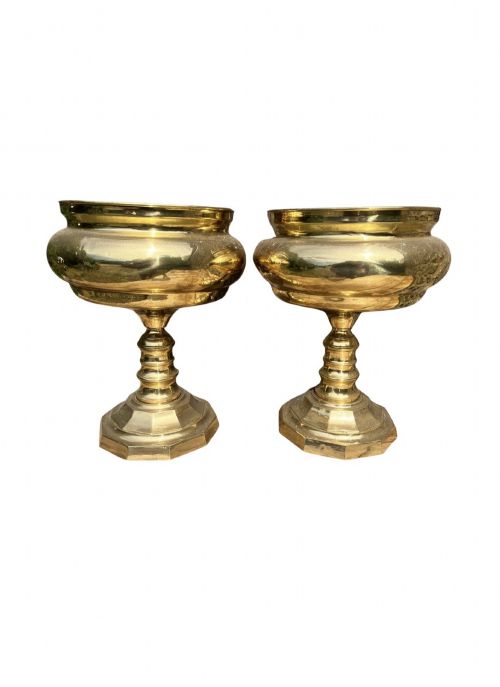
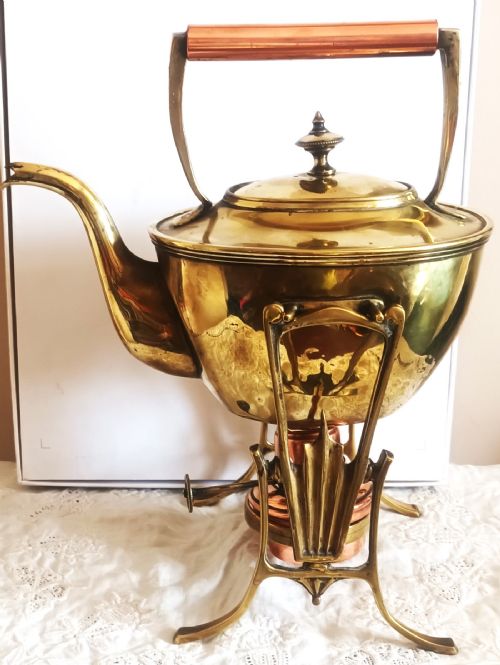
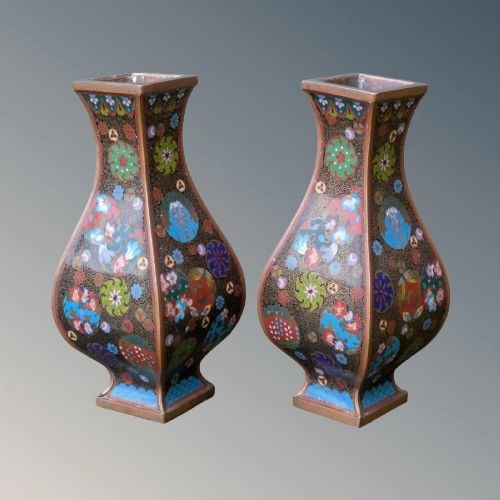
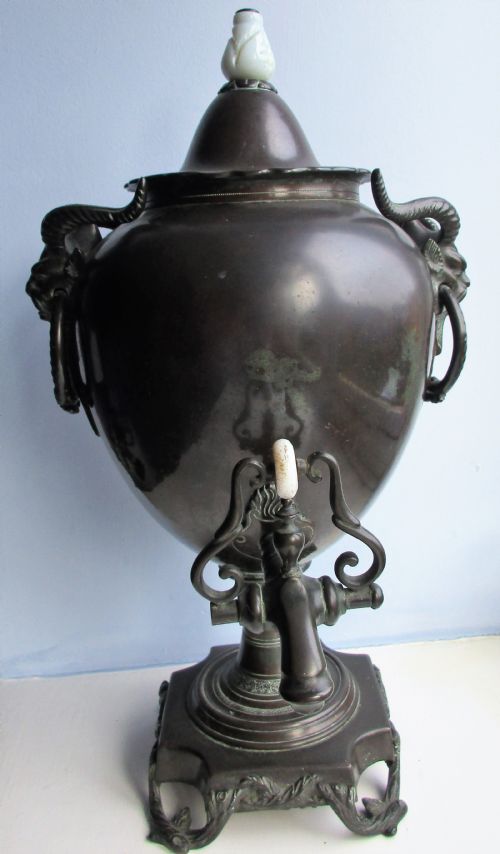
A brass urn vessel brings substantial weight and warm metallic tone to a room, ranging from utilitarian Georgian water heaters to decorative Chinese cloisonné pieces.
Brass Urn Vessel
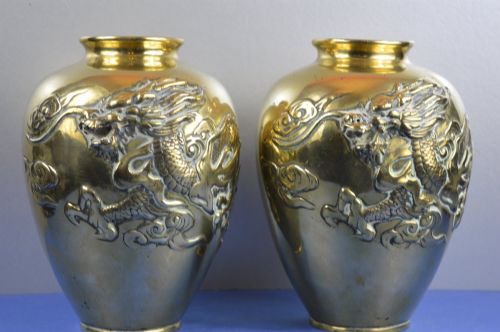
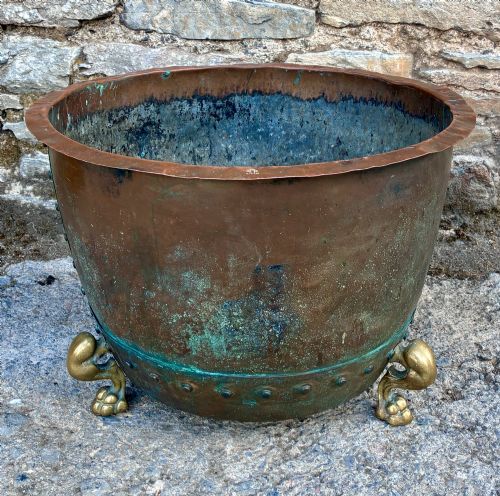
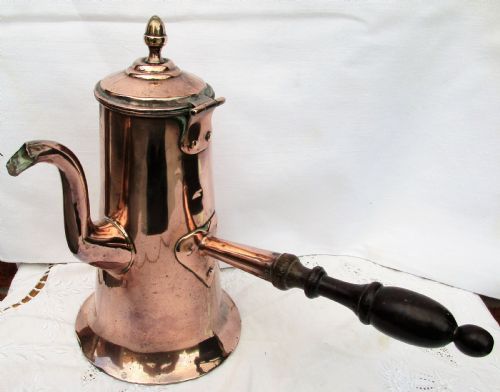
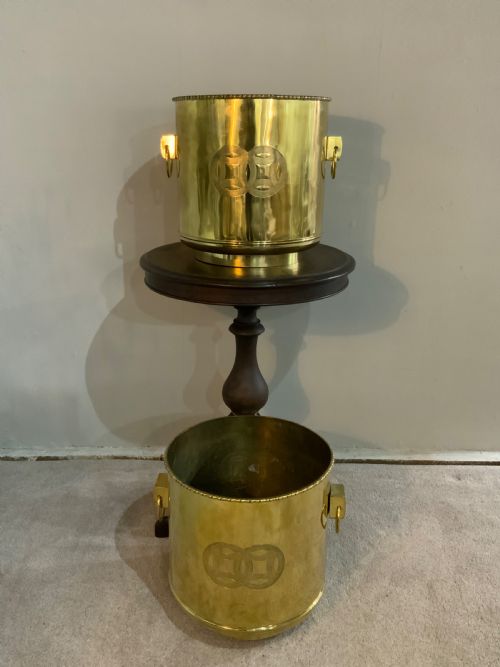
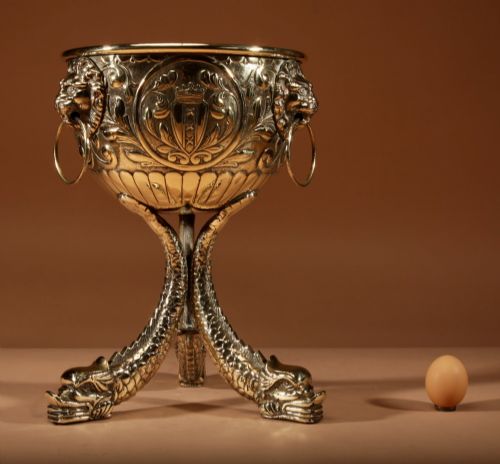
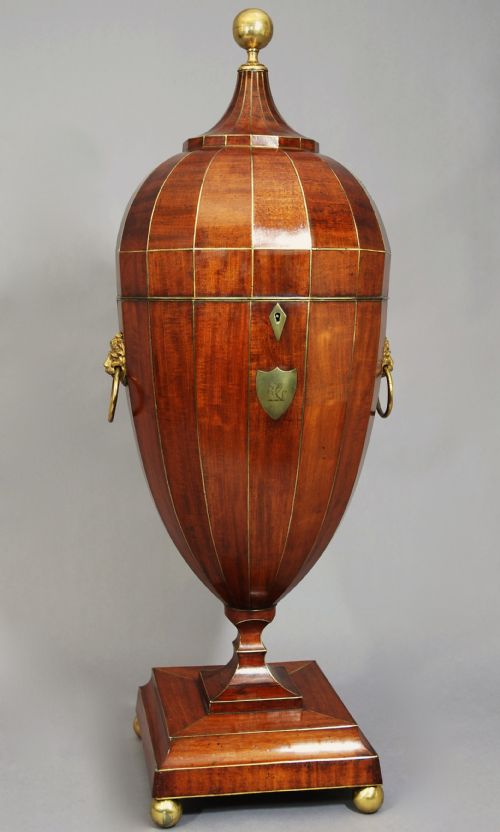
When you search for a brass urn vessel, you encounter a varied group of utilitarian and decorative metal objects spanning multiple centuries and continents. The selection includes nineteenth-century tea urns, samovars, heavy jardinieres, and baluster vases produced in England, France, China, and Japan.
You are most likely to meet nineteenth-century English Victorian copper and brass samovars or Chinese brass and cloisonne vases on this page. These pieces reflect both domestic utility, such as heating water for tea, and ornamental display through chased or embossed surfaces.
Materials and construction methods
The objects combine metals like brass, copper, bronze, and gilt bronze, occasionally incorporating wood, hardwood, or fabric elements. Makers utilised riveting, casting, and heavy hammering techniques to shape the vessels for domestic or ritual use.
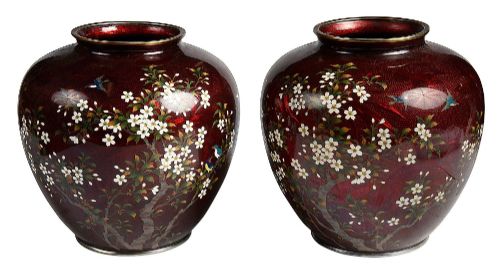
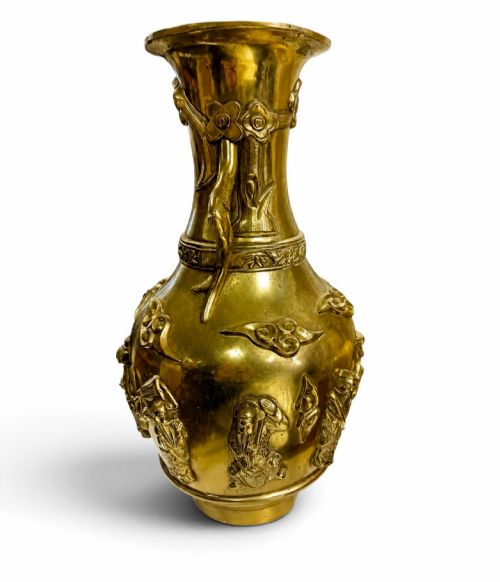
Surface ornamentation involved intricate hand-chasing, high-relief casting, and vibrant enamel work in the cloisonne style. Metal alloys were polished or patinated to achieve distinct surface finishes, from bright polished brass to darkened bronze.
Listings feature items from the eighteenth, nineteenth, and early twentieth centuries, spanning Victorian, Georgian, and Meiji periods.
Distinctions in quality
Quality separates simple production items from exceptional decorative works through the depth and crispness of hand-chased or embossed detailing. Superior pieces display heavier metal gauges, balanced proportions, and secure, well-fitted joints and handles.
The finesse of the decorative execution, such as detailed high-relief Daoist immortals or precise cloisonne wirework, determines the standing of a piece within the range. Maker marks and original matching stands or lids further elevate the distinction of surviving examples.
William Soutter & Sons·Benetfink & Co
The Brass Urn Vessel Glossary
- Samovar
- A heated metal container traditionally used to heat and boil water in Russian and European households. These large vessels often incorporate internal chimneys and spigots.
- Cloisonne
- An ancient technique for decorating metalwork objects with coloured enamel separated by strips of flattened wire. The metal body holds the vitreous paste before firing.
- Jardiniere
- An ornamental pot or stand designed to hold growing plants or flowers. These vessels appear in heavy brass, copper, or ceramic materials.
- Dinanderie
- A term for various objects made of brass, copper, or bronze produced in European workshops. The designation covers hammered, cast, and embossed domestic or ecclesiastical wares.
- Chased decoration
- Ornamental patterns pushed into the metal surface using punches and hammers rather than cut away. This technique creates low-relief designs without removing material.
Brass Urn Vessel: Frequently Asked Questions
What is a brass urn vessel used for?
These vessels served various functions, from heating water for tea in Georgian and Victorian households to displaying plants or holding dry goods.
Many examples were strictly decorative, functioning as ornamental vases, trophy vessels, or umbrella stands in period interiors.
How do I clean an antique brass vessel?
Dusting with a soft, dry cloth preserves the aged surface patination that collectors value on antique metalwork.
Avoid harsh commercial metal polishes that strip away historical character and wear down delicate hand-chased or engraved details.
How can I tell the period of a brass urn?
Construction methods provide clear clues to age, with hand-riveted seams and heavy cast components appearing on nineteenth-century and earlier pieces.
Stylistic markers, such as Arts and Crafts motifs or Qing dynasty dragon marks, help narrow down the manufacturing era.
Are these vessels water tight?
Many samovars, water barrels, and planters were originally designed to hold liquids or damp materials during daily domestic service.
Older metal vessels can develop hairline fissures over time, so testing with water is recommended before using them for fresh plants.