
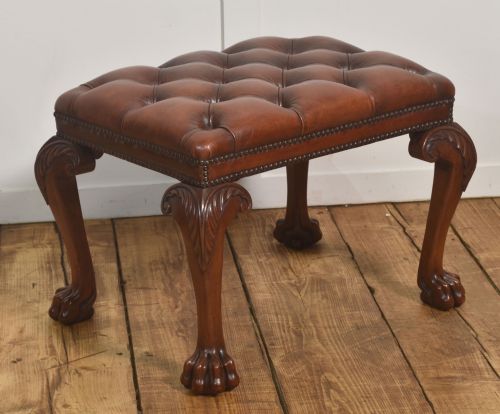


Brass Studded Leather Ottoman
These brass studded leather ottoman pieces combine sturdy timber frames with supple hide and metal tack work, offering versatile seating and storage for the traditional home.
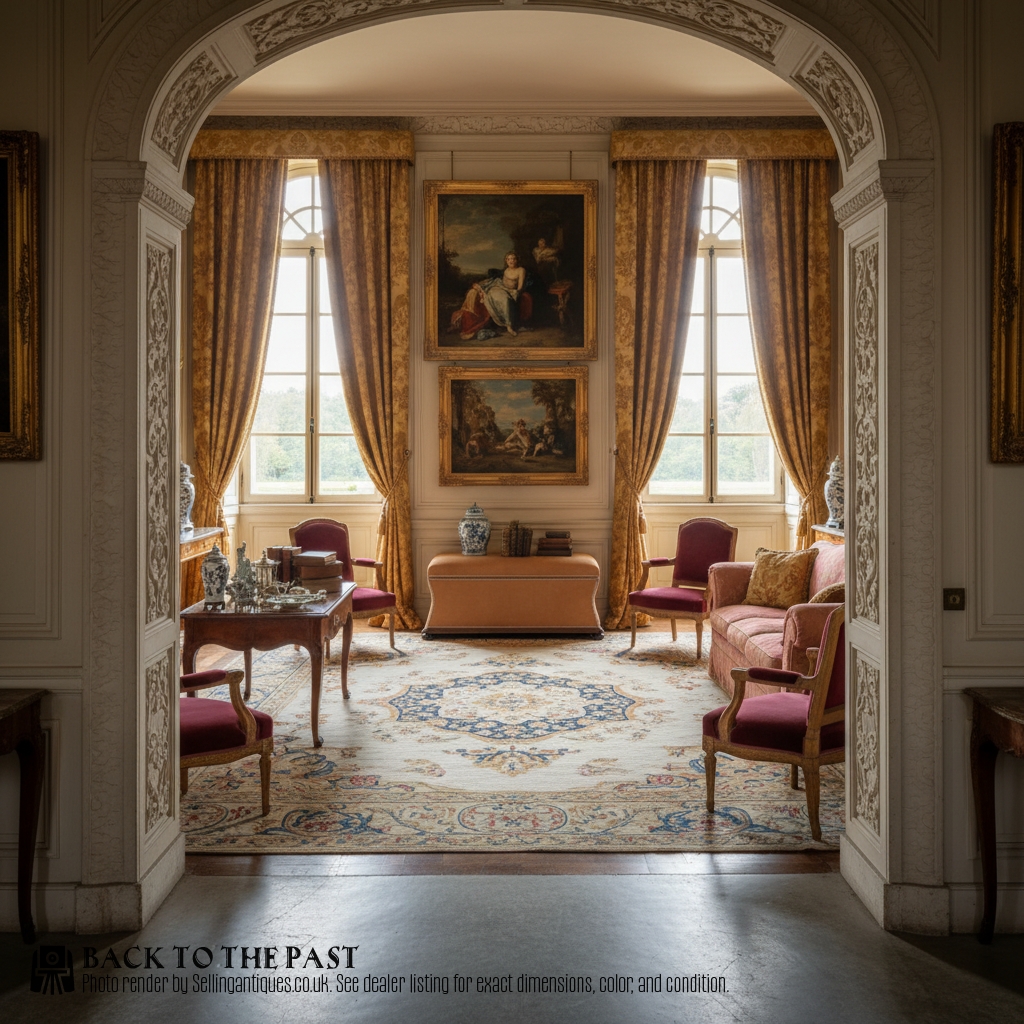
Brass Studded Leather Ottoman
A brass studded leather ottoman takes the form of a low seat, long bench, or footstool designed for domestic utility and comfort. These pieces serve as flexible furniture items that function equally well as footrests, low seats, or hallway benches.
The versions most commonly met on this page span the Regency, Victorian, and Edwardian periods, constructed using timbers such as mahogany, rosewood, oak, and walnut. Makers built these forms to complement formal reception rooms and private chambers alike.
Object classifications across the inventory include footstools, dressing stools, and box ottomans, each maintaining the characteristic leather upholstery secured with metal studwork. Buyers encounter various proportions, from compact square footstools to expansive long benches.
Materials and construction methods
Craftsmen built the structural foundations of these items using hardwoods such as mahogany, rosewood, oak, and walnut, often shaping the timber into cabriole or fluted legs. Frames provide the robust skeleton necessary to support frequent daily seating.
Upholsters stretched leather over padding, frequently employing buttoning techniques to secure the hide and create textured surfaces. Individual brass studs were then driven in by hand to fasten the leather edges neatly to the wooden frame.
Several box versions hide surprisingly deep compartments, originally designed for storing cumbersome Victorian blankets or secret slipper collections.
Distinctions in construction and finish
Quality rests upon the selection of dense, richly figured timbers and the depth of the frame joinery, distinguishing sturdy foundational work from lighter construction. Superior examples utilise solid hardwoods that endure generations of use without structural wobble.
The finish of the leather and the precision of the brass tack work indicate the standard of original workshop execution. Finely spaced, uniform studding and supple, well-preserved hide separate exceptional pieces from simpler utilitarian items.
The Brass Studded Leather Ottoman Glossary
- Ottoman
- A low, upholstered seat or footstool without a back or arms, often featuring internal storage space. These items evolved from Near Eastern seating designs into staple pieces of British domestic furniture.
- Buttoned
- An upholstery technique where depressions are formed in the padded surface by pulling twine or thread tight through the stuffing and securing it with buttons. This method keeps internal padding evenly distributed.
- Cabriole leg
- A furniture leg that curves outward at the knee and tapers inward toward the ankle, ending in a pad or foot. This stylistic feature draws inspiration from animal limbs and appeared frequently on 18th and 19th century seating.
- Box ottoman
- A specialised stool design incorporating a hinged seat that lifts to reveal a storage compartment beneath. These dual-purpose items maximised utility in period bedrooms and dressing rooms.
- Fluted leg
- A pillar or leg carved with parallel vertical grooves running down its length. This classical decorative motif frequently appears on Regency and 19th-century furniture supports.
Brass Studded Leather Ottoman: Frequently Asked Questions
Where should I place an ottoman?
These pieces suit living rooms as central coffee table alternatives or footrests, and fit equally well at the foot of a bed in a master bedroom. Their low profiles ensure they do not obstruct views across a room.
In hallways, longer bench versions provide a convenient spot for putting on shoes while adding a formal traditional element to the entryway.
How do I clean antique leather?
Dust the surface regularly with a soft, dry cloth to prevent grit from settling into the grain of the hide. Avoid harsh chemical cleaners that strip natural oils from old leather.
Apply a micro-crystalline wax or a specialist leather conditioner sparingly when the material feels dry, buffing gently with a clean cloth to restore the natural sheen.
Are these pieces comfortable for seating?
The internal padding provides firm support rather than the deep sink of modern soft upholstery. Period seating prioritised upright posture and structural longevity.
Larger variations with buttoned padding offer a slightly softer surface, making them suitable for extended sitting or resting feet during the evening.
How do I identify a Regency piece?
Regency items often display dark exotic timbers such as rosewood or finely grained mahogany, sometimes accented with brass inlay or mounted details. The legs frequently feature classical motifs like fluting or restrained turning.
Proportions tend to reflect classical architectural principles from the early nineteenth century, maintaining clean lines and balanced forms without excessive ornamentation.