


Regency Rosewood Ottoman
Regency rosewood ottoman pieces bring seating and storage together with figured timber and upholstered tops, offering a practical centrepiece for any traditional interior.
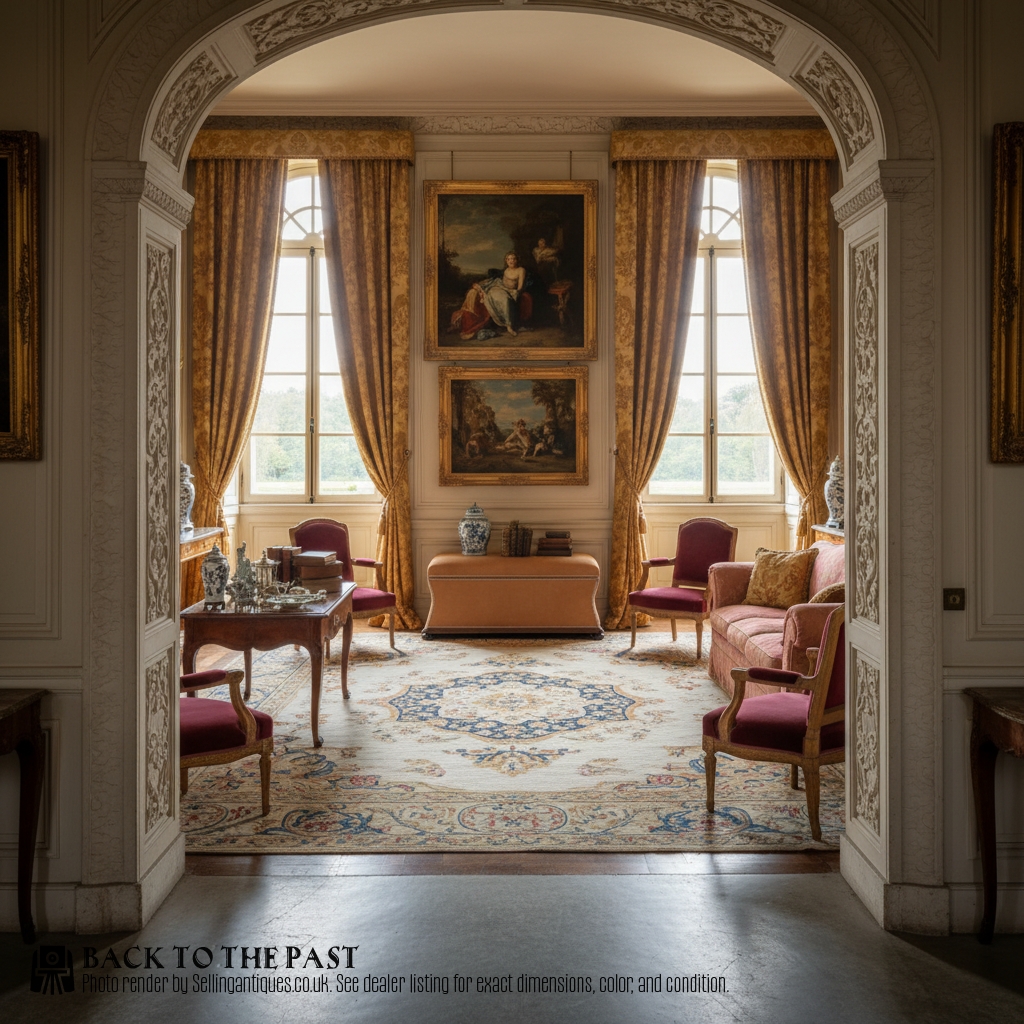
Regency Rosewood Ottoman
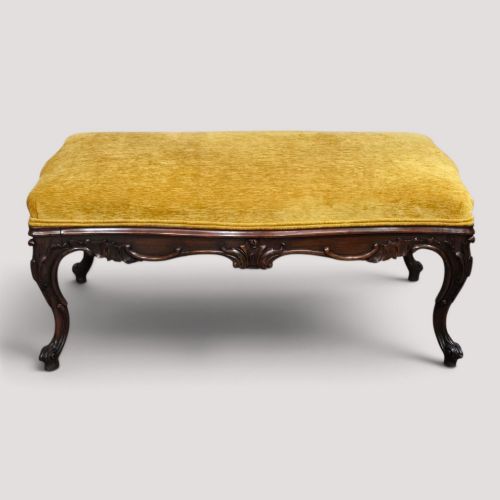
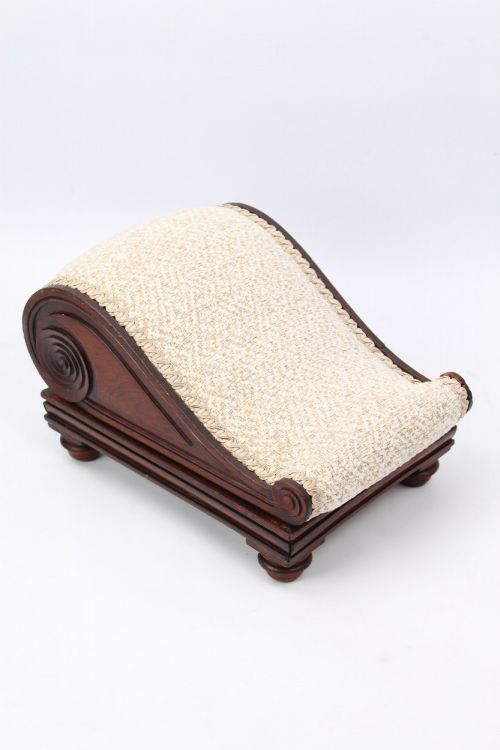
A regency rosewood ottoman provides low seating or foot support, frequently taking the form of a stool, box ottoman or wasted form designed for nineteenth-century parlours and drawing rooms. The listings and archive records show pieces originating from the Regency, George IV, Early Victorian and broader nineteenth-century periods, alongside specific Anglo-Indian examples.
Most entries on this page comprise stools and footstools alongside dedicated ottomans and workboxes. These items utilise rosewood as the primary timber, paired with various upholstery textiles ranging from leather to tapestry, velvet and damask fabric.
How they were made
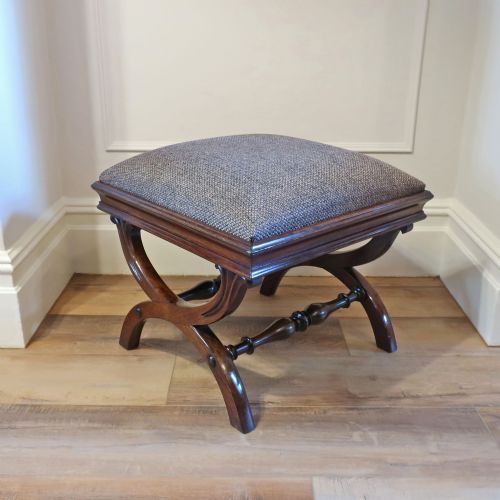
Cabinetmakers worked dense rosewood timber into frames, incorporating structural elements such as X-frames and box compartments for storage or needlework. Timber surfaces show distinct grain figures, matched with brass details where appropriate.
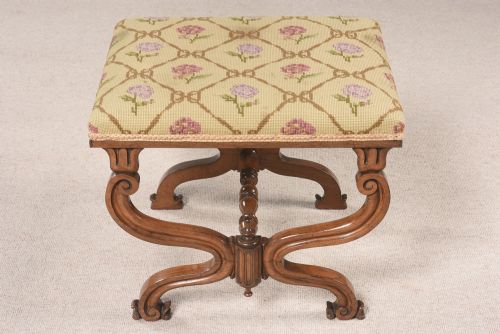
Upholstery techniques combined sturdy webbing and stuffing with top covers in woven fabric, leather, or worked floral trellis tapestry. Construction methods vary from standard stool frames to lidded box ottomans and waisted forms.
Listings feature rosewood paired with brass, leather, and tapestry across Regency, George IV, and Victorian periods.
What varies in quality
The standard of a regency rosewood ottoman depends heavily on the selection and grain matching of the rosewood timber across the frame. Richly figured wood elevates a piece significantly above plain or poorly matched equivalents.
Upholstery choices and structural refinements also divide standard items from finer examples. Pieces retaining original leather, specialised needlework tapestry, or complex frame designs like X-framing demonstrate superior craftsmanship.
The Regency Rosewood Ottoman Glossary
- Ottoman
- A low upholstered seat or stool without arms or a back, frequently fitted with an internal compartment for storage. These versatile items served as footrests or casual seating in period rooms.
- Rosewood
- A dense, heavily figured timber valued for its dark heartwood and rich reddish-brown colour with contrasting dark streaks. It was the principal cabinet wood for high-status furniture during the nineteenth century.
- X-Framed
- A structural furniture form where the legs cross in an X shape, providing both lateral support and visual elegance. This design appears frequently on stools and benches from the Regency period.
- Waisted
- A furniture profile that curves inwards towards the centre before flaring out again at the base or top. This contour adds subtle visual movement to box ottomans and stools.
- Tapestry
- A heavy hand-woven or needleworked textile featuring pictorial or geometric designs. Floral trellis patterns frequently appear on nineteenth-century footstool and ottoman covers.
Regency Rosewood Ottoman: Frequently Asked Questions
How were these ottomans used originally?
In nineteenth-century interiors, these items functioned as comfortable footrests or extra casual seating for guests during gatherings. Box variations also stored sewing equipment, letters, or textiles.
Their compact size allowed servants to move them easily around the room as needed. They combined utility with the refined aesthetics expected in polite society.
How do I care for rosewood furniture?
Keep rosewood furniture away from direct sunlight and heat sources to prevent the dense timber from drying out or splitting. Dust the wood gently with a dry cloth and avoid harsh chemical polishes.
Upholstery requires care appropriate to the specific textile used, whether that is leather, damask, or wool tapestry. Professional conservation is best for delicate antique fabrics.
How do I distinguish Regency from Victorian pieces?
Regency pieces typically display restraint, classical proportions, and clean architectural lines influenced by ancient Greek and Roman design. They date from the early decades of the nineteenth century. n Victorian items, appearing later in the century, often feature heavier carving, more exuberant curves, and denser ornamentation. Rosewood remained popular across both eras, but the decorative vocabulary shifted.