



Mahogany Leather Bench
These mahogany leather bench pieces combine rich timber frames with supple hide tops, offering timeless seating and footrest utility.
Mahogany Leather Bench
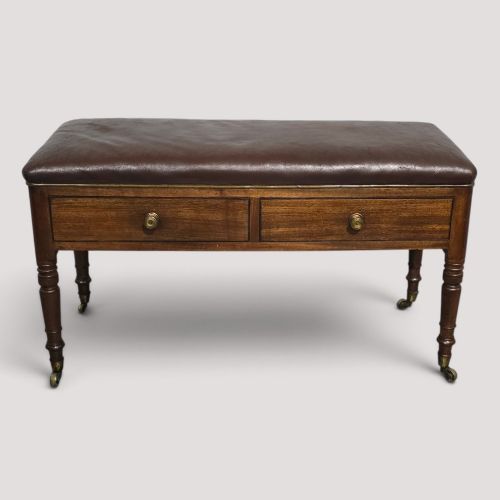
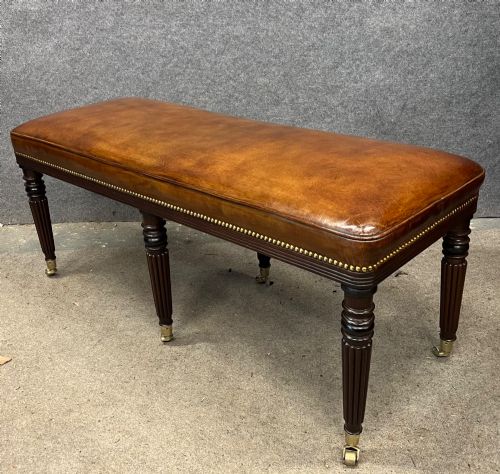
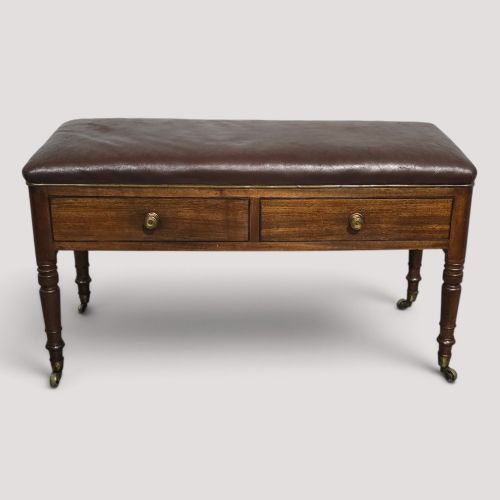
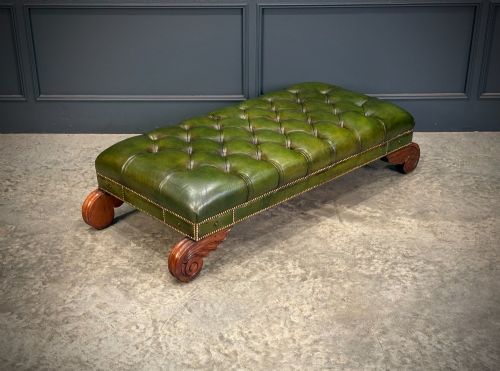
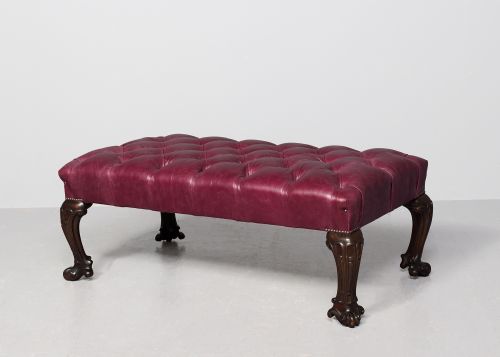
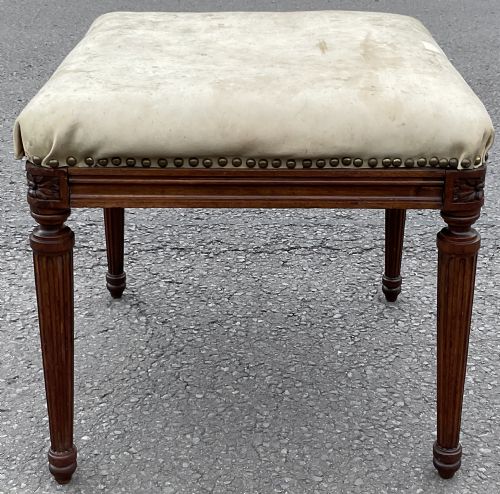
When you search for a mahogany leather bench, you encounter a versatile class of antique seating and resting furniture spanning multiple eras. The pieces on this page encompass forms ranging from compact footstools and dressing stools to long window benches, ottoman styles, and coffee tables.
The most common versions you meet are nineteenth century and Victorian footstools, alongside Edwardian piano stools and Regency duet window seats. These items bridge utility and decoration, serving as functional seating or supportive surfaces in reception rooms and bedrooms.
Makers across the periods from George II style through to the 1920s adapted the core materials into diverse configurations. Whether you inspect a long hall bench with fluted legs or a low buttoned ottoman, the fundamental pairing of timber and hide remains consistent.
How they were made
Craftsmen built the structural frames using solid mahogany and associated hardwoods, shaping the timber into supports like fluted legs and highback settee frameworks. This dense wood provided the necessary rigidity to withstand weight and daily use over generations.
The upper sections utilise leather hide, often secured with brass studs and finished with traditional buttoning techniques. This combination of structural timber and upholstered leather defined the workshop practices of periods from Georgian style onwards.
Some Victorian piano stools came equipped with concealed interior compartments designed exclusively for storing rolled sheet music.
What varies in quality
The standard of a mahogany leather bench rests in the proportion of the timber frame and the depth of the cabinetmaker's shaping. Finer examples display carefully carved details, such as fluted legs or balanced George III proportions, rather than plain structural supports.
Another distinction lies in the treatment of the leather upholstery and the execution of buttoning details. Superior pieces feature high-grade hide secured with precise brass studding that complements the underlying mahogany frame.
The Mahogany Leather Bench Glossary
- Mahogany
- A durable tropical hardwood prized for its reddish-brown colour and stability in furniture construction. It served as the primary framing material for fine seating.
- Buttoned
- An upholstery method where depressions are formed in the leather using tufting threads or buttons. This technique secures the padding and creates a characteristic diamond pattern.
- Regency
- An English design period spanning the early nineteenth century defined by classical restraint and elegance. Pieces from this era often feature clean architectural lines.
- Ottoman
- A low, upholstered seat or footstool typically lacking arms or a back. In antique pieces, this form provides a substantial resting surface.
- Duet stool
- A wider form of seating designed to accommodate two people simultaneously, frequently found in musical contexts like piano stools.
Mahogany Leather Bench: Frequently Asked Questions
What is a mahogany leather bench used for?
These items serve primarily as seating, footstools, or low resting surfaces within domestic interiors. Historically, specific variants functioned as piano stools or long window seats.
Today, they integrate easily into living spaces as occasional seats, coffee table alternatives, or end-of-bed ottomans.
How do I identify a Regency period piece?
Regency items reflect the aesthetic of the early nineteenth century, featuring classical motifs and refined structural proportions. Look for specific stylistic markers such as fluted legs and balanced mahogany frames.
Comparing the joinery and silhouette against documented examples helps confirm the period of manufacture.
How should I care for antique leather?
Antique leather requires gentle cleaning and conditioning to maintain its flexibility and prevent the material from drying out. Avoid placing the furniture in direct sunlight or near heat sources.
Regular dusting with a soft cloth preserves the finish of both the hide and the surrounding mahogany woodwork.
What is the difference between a stool and a bench?
Stools generally provide compact, single-person seating or foot support, whereas benches offer longer formats designed for multiple occupants. The listings include both compact footstools and extended hall benches.
Scale and proportion remain the primary visual indicators separating the two forms.
Are these pieces suitable for modern homes?
The diverse forms available, from low coffee tables to buttoned ottomans, adapt well to contemporary interior layouts. Their traditional materials introduce warmth and texture into modern rooms.
Placement depends on the specific height and length of the item relative to existing furniture.