



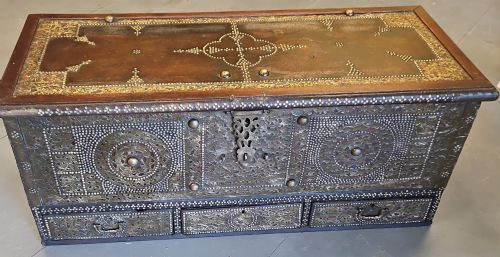
Brass Studded Box
A brass studded box brings together robust timbers, aged hides and disciplined metalwork for storage that holds its character in any room.
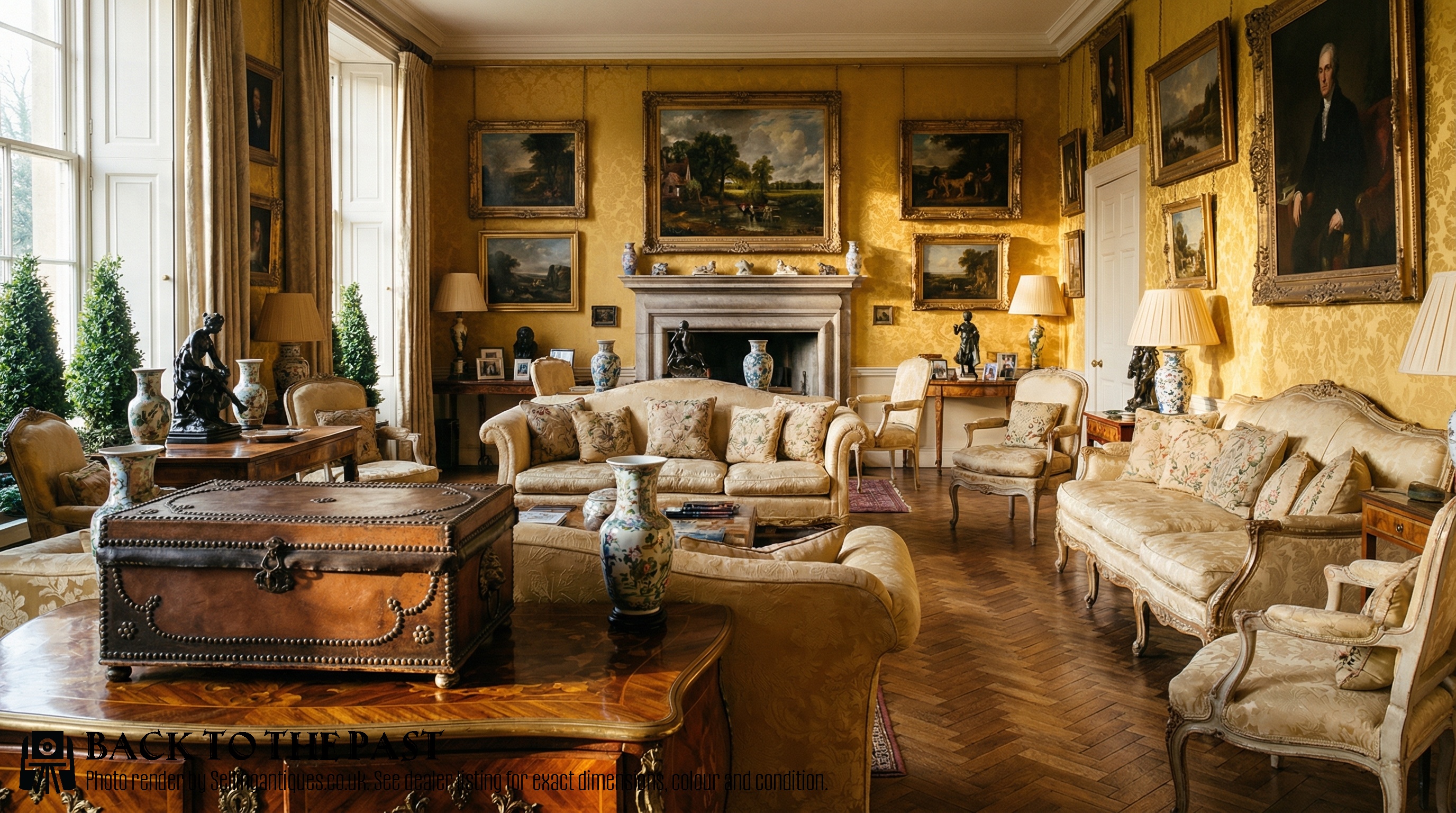
Brass Studded Box
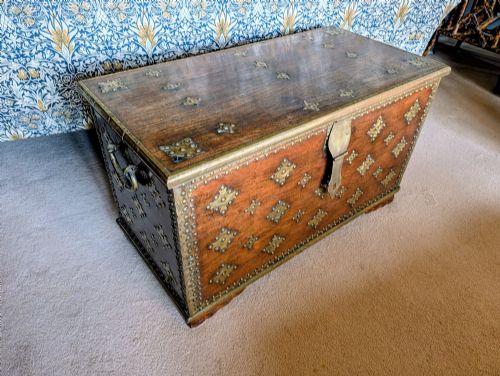
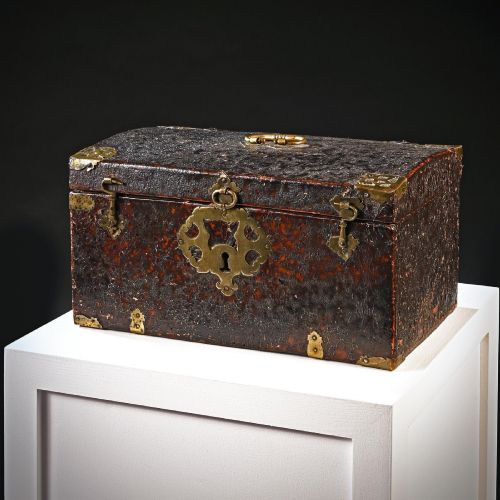
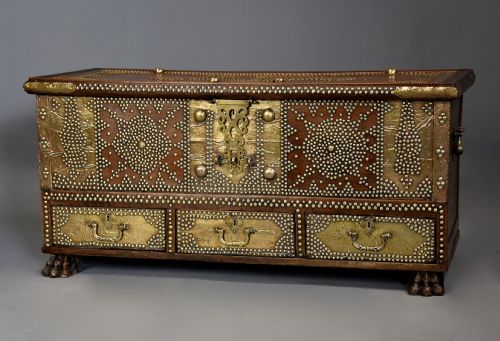
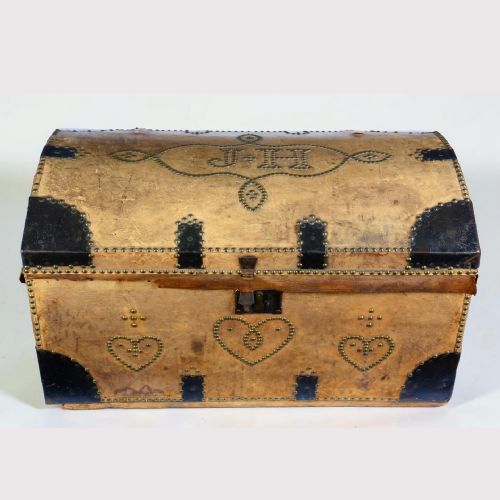
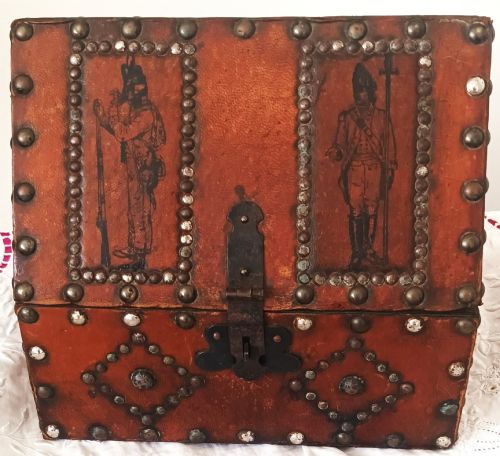
A brass studded box encompasses portable travelling cases, dome-top coffers, blanket chests and compact caskets designed for security and transit over centuries. These pieces serve as functional storage while displaying the distinct physical evidence of their utility in domestic and overseas trade.
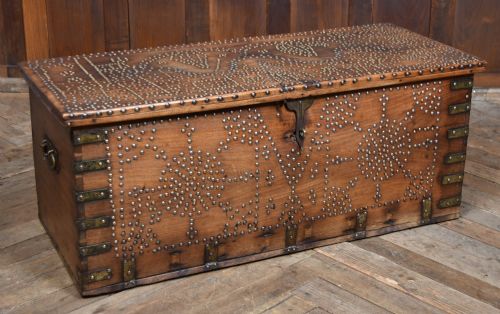
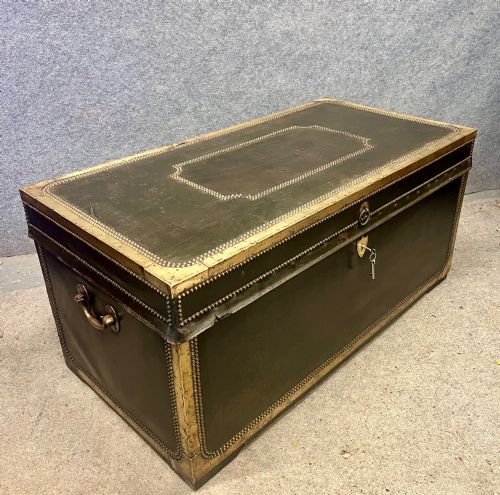
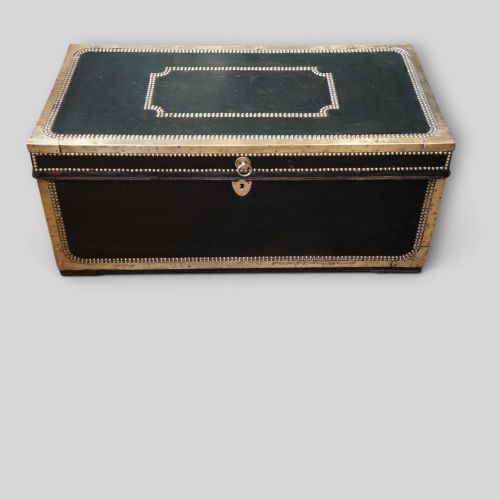
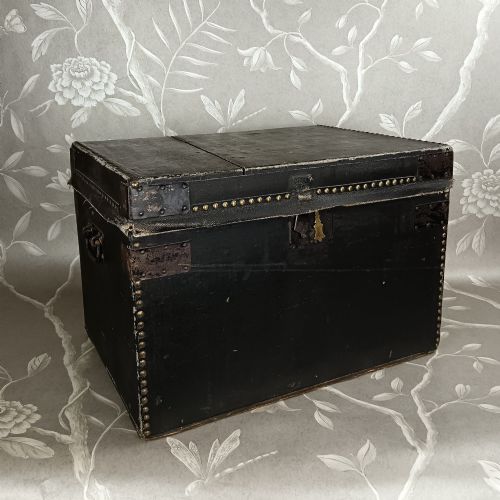
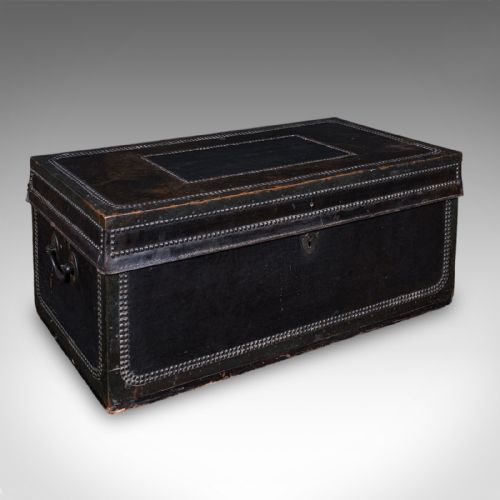
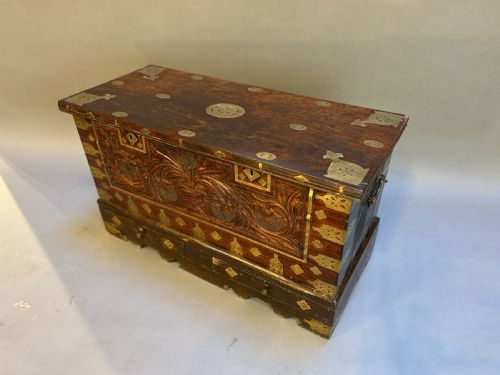
The versions most commonly met on this page range from nineteenth-century campaign trunks and Zanzibar storage chests to Georgian and Victorian leather-clad trunks. They frequently utilise hardwoods and iron fittings alongside their characteristic decorative brass studding.
Originating across British, European, Chinese Export and Anglo-Indian workshops, these objects reflect the diverse global networks of their makers. Collectors encounter everything from small candle boxes to large country house ottomans.
How They Were Made
Construction relies upon durable timbers such as camphor wood, padouk, teak, mahogany, oak and assorted hardwoods to form the primary carcasses. These are frequently clad in leather or hide, providing a protective outer layer against the rigours of travel.
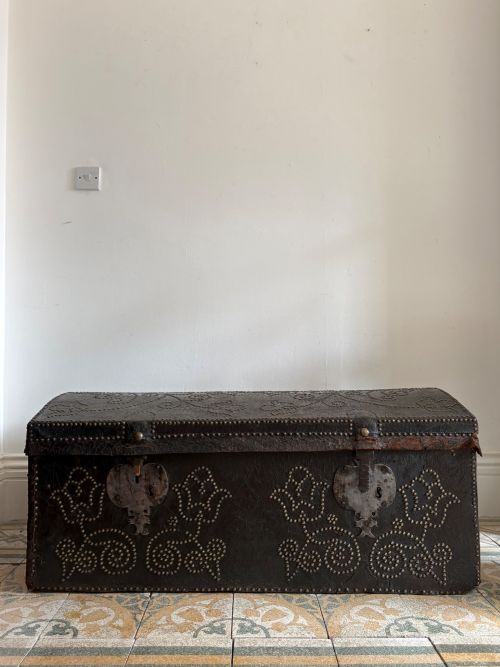
Metal components, including iron binding and structural bands, are secured with individual brass studs or nailheads that double as reinforcement and ornamentation. Skilled artisans hammered these fastenings by hand, mapping intricate geometric or linear patterns across the surfaces.
Periods represented stretch from seventeenth-century Spanish and English pieces through Regency and Victorian eras.
What Varies in Quality
Quality rests in the integrity of the timber framework, the density of the brass studding and the preservation of the original leather or hide skin. Finer examples retain their original carrying handles, working locks and interior linings without heavy replacement parts.
The precision of the metalwork and the complexity of the brass ornamentation distinguish standard utility trunks from bespoke merchant pieces or high-status campaign furniture. Patina accumulated through genuine travel adds depth to superior pieces, provided the underlying structure remains sound.
Samuel Pratt·Wm Insall of Bristol·Arthur Wannop·Chapple and Sons·Seabrook of St Pauls London
The Brass Studded Box Glossary
- Zanzibar chest
- A heavy wooden storage chest originating from East Africa or the Indian Ocean trade, heavily decorated with brass studs and straps. These pieces often feature secret compartments and elaborate hardware.
- Campaign trunk
- A portable storage chest designed for military officers or travellers, built to withstand frequent transit. They typically include recessed brass handles and reinforced corners.
- Coffer
- A large box or chest used for holding valuables, clothes or documents, usually fitted with a hinged lid. Early examples frequently employ heavy leather cladding and iron mounts.
- Camphor wood
- An aromatic hardwood valued for its insect-repellent properties, commonly utilised in nineteenth-century maritime and export chests. Its distinct scent often lingers within the box.
- Ottoman
- A low, upholstered seat or storage bench that shares construction traits with large travel trunks. They frequently utilise leather or fabric coverings over sturdy wooden frames.
Brass Studded Box: Frequently Asked Questions
How were these boxes used originally?
These pieces served as secure luggage and storage for merchants, military officers and travellers navigating long journeys by land and sea. They protected delicate garments, valuables and documents from moisture, dust and rough handling.
In domestic settings, smaller versions sat on tables for letters or currency, while larger trunks doubled as blanket storage or furniture at the foot of a bed.
How do I clean the leather?
Maintenance requires gentle dusting with a soft, dry cloth to remove surface particles without disturbing the aged hide. Avoid modern chemical cleaners or excessive moisture, which can damage historic leather.
Applying a specialist micro-crystalline wax or traditional leather dressing sparingly helps preserve the flexibility of the hide and highlights the natural patina.
How do I tell a nineteenth-century trunk from an eighteenth-century one?
Earlier pieces from the seventeenth and eighteenth centuries typically display heavy hand-forged iron framing, thick oak or pine carcasses and simpler, denser leather coverings. The studwork on these older items is often irregular and hammered by hand.
Nineteenth-century examples, including Victorian and campaign pieces, frequently utilise exotic hardwoods like camphor or padouk, machine-rolled brass fittings, and more refined geometric stud patterns.
Can I use a large trunk as a coffee table?
These sturdy chests function well as living room tables, offering generous internal storage for blankets, books or board games. Their flat wooden or leather tops provide a stable surface for everyday items.
Placement should avoid direct sunlight and heat sources to protect the historic timber and prevent the leather cladding from drying out over time.