



Decorative Leather Box
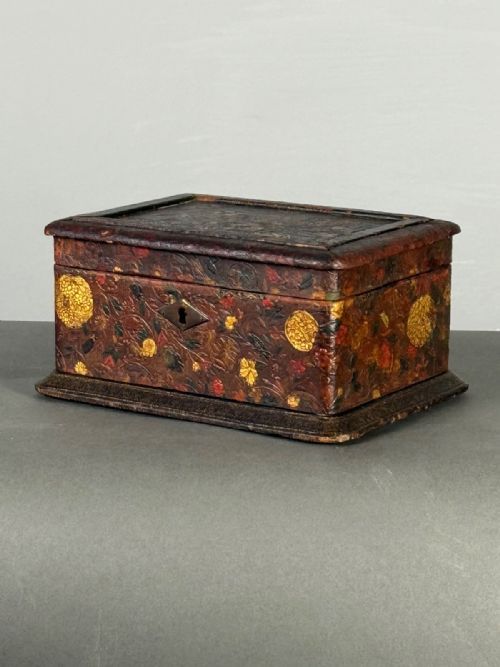
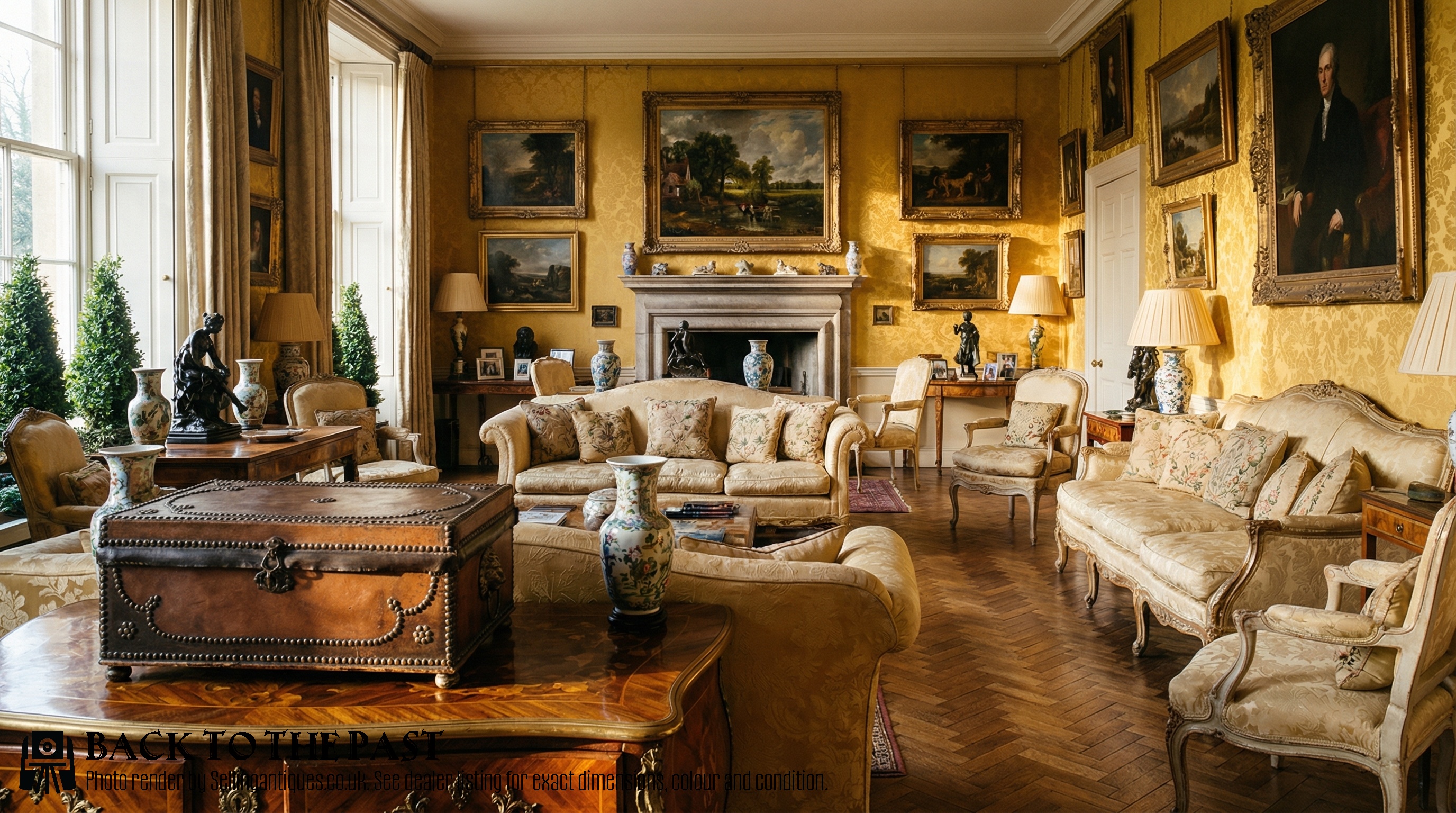
These decorative leather box pieces bring texture and tactile warmth to a room, offering practical storage disguised as historical craftsmanship.
Decorative Leather Box
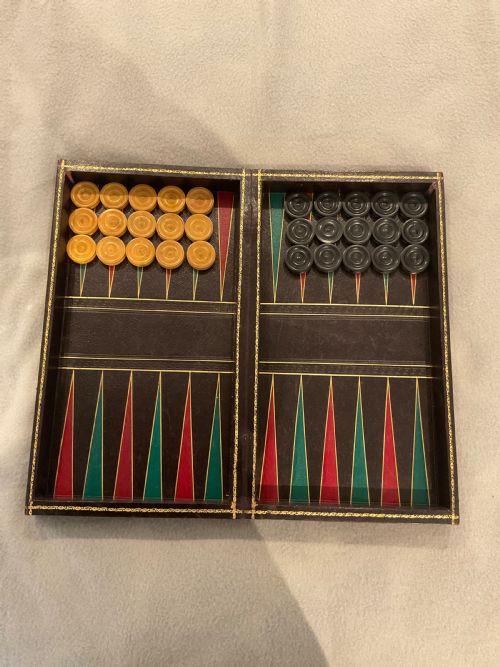
A decorative leather box encompasses everything from small Regency work-boxes and Victorian faux book games boards to larger Edwardian travel trunks and Georgian hat boxes. These items serve as functional vessels, often shaped like chests, caskets, or book bindings to conceal their contents while adding character to interiors.
On this page, you are most likely to encounter 19th Century and Regency examples, alongside pieces from the Georgian, Edwardian, and mid-twentieth-century periods. Forms range from miniature trinket boxes and sewing containers to substantial storage crates and dome-top chests.
The materials span traditional wood cores covered in leather, often accented with brass studding, gold leaf tooling, iron fittings, and pigment. Origin styles draw on traditional English, French provincial, and Spanish baroque influences.
Materials and construction methods
Makers built these pieces around a structural core of wood, frequently employing iron or brass for hinges, locks, and structural reinforcement. The outer surfaces were then wrapped in leather, including specialised finishes such as red Russia-leather or pig's skin.
Decoration relied heavily on tooling, nailhead details, and gold leaf application to create intricate surface patterns. Pigments were also utilised to colour or age the leather, particularly on faux book spines and painted hat boxes.
Decorative Leather Box Retail Price Guide 2026
Typical asking prices for decorative leather box among the pieces listed under this phrase on Sellingantiques today, from the lower quarter to the upper quarter. They describe what is for sale here now, not the wider market.
Listings feature pieces spanning from pre-16th century coffer panels up to mid-twentieth-century French vintage designs.
Judging the quality of the piece
Quality rests in the crispness of the gold leaf tooling and the precision of the brass studding or nailhead work. Finer examples show careful hand-stitching and tightly fitted internal compartments, particularly in sewing boxes and work-boxes.
The integrity of the underlying wood and the suppleness of the surviving leather dictate the structural success of the box. Superior pieces maintain their original hardware and functional latches without relying on modern replacements.
Susse Freres Paris·Peek Frean and Co
The Decorative Leather Box Glossary
- Russia-leather
- A traditionally tanned leather distinguished by its distinct cross-hatch grain and aromatic scent. It was frequently used for high-end Regency work-boxes and luxury storage.
- Tooling
- The process of impressing decorative designs into the leather surface using heated metal tools. Gold leaf is often pressed into these channels to create bright metallic patterns.
- Casket
- A small, decorative box designed for valuables or keepsakes. These often feature secure locking mechanisms and lined interiors.
- Faux book
- A container styled to resemble a volume or set of books on a shelf. Victorian and later makers utilised this form for games boards, ink stands, and secret safes.
Decorative Leather Box: Frequently Asked Questions
What were decorative leather boxes used for?
These boxes served as portable storage for personal valuables, sewing implements, documents, and writing materials. Many were designed specifically to hold hat collections, games boards, or biscuits.
Over time, they transitioned from utilitarian travel or desktop companions into prominent display pieces within period interiors.
How do I date an antique leather box?
Dating relies on examining the core materials, hardware construction styles, and the type of leather tooling applied. Regency and Georgian examples often feature specific brass mountings and fitted wooden interiors distinct from later Victorian or Edwardian pieces.
Stylistic cues such as faux book bindings or Spanish baroque nailhead patterns further anchor the item to a particular decade or century.
How do I care for antique leather boxes?
Keep these items away from direct sunlight and excessive moisture to prevent the leather from drying out or cracking. Dust them gently with a dry, soft cloth rather than applying modern chemical cleaners.
Maintaining a stable room temperature helps preserve both the wooden core and the delicate gold leaf tooling on the exterior.
Are faux book boxes genuine period items?
Many faux book boxes are period pieces created during the Victorian and Edwardian eras to hold games, inkstands, or stationery on library desks. Makers carefully shaped leather over wooden structures to mimic bound volumes.
They functioned as clever novelties that blended seamlessly into nineteenth-century bookshelves while hiding private items.