
Brass Strike Clock
When you handle a brass strike clock, you hold an intricate piece of domestic history driven by careful metalwork.
Brass Strike Clock
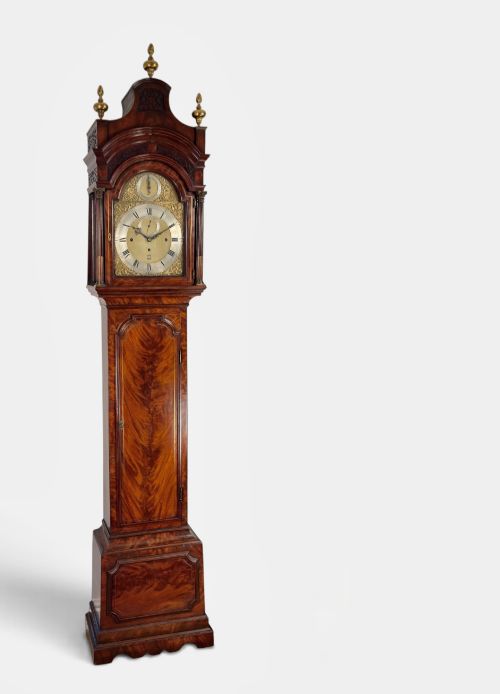
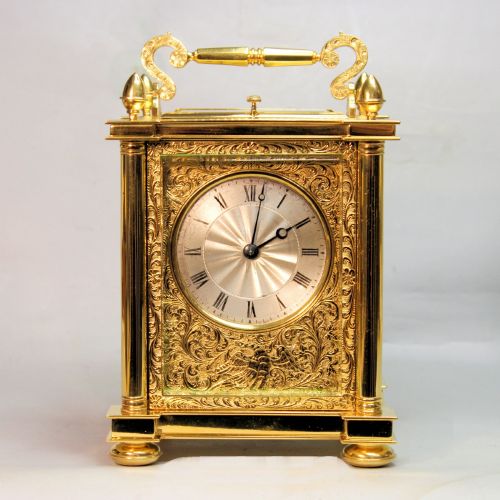
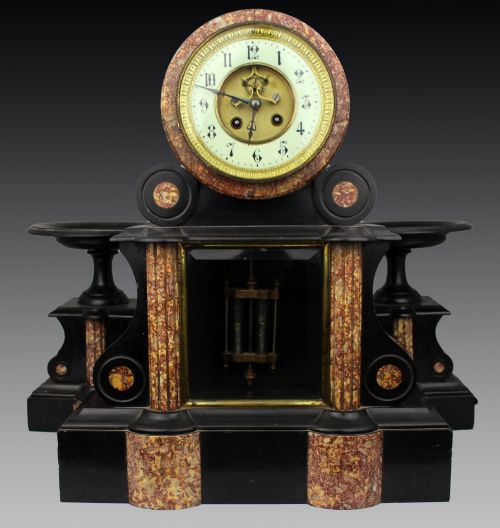
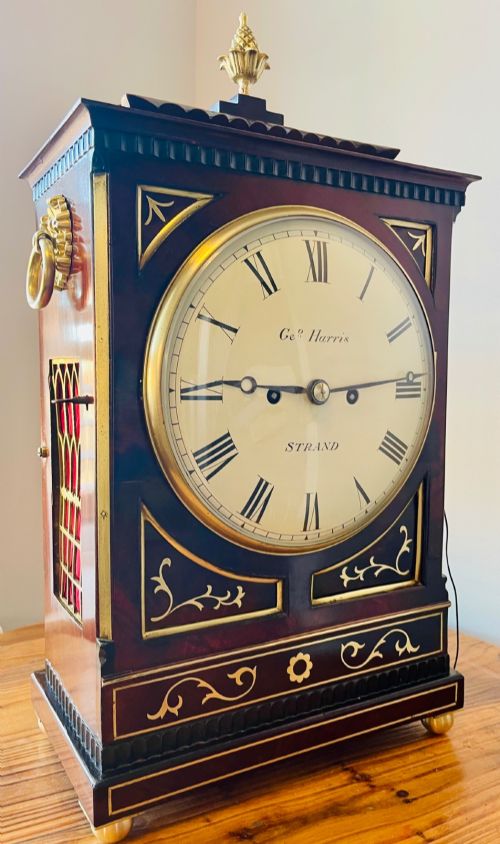
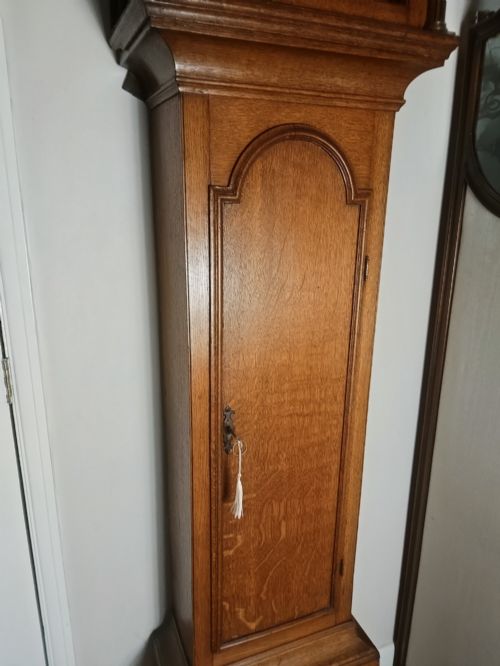
A brass strike clock encompasses a range of domestic timepieces designed to sound the hours and sometimes quarters, appearing in formats from portable carriage pieces to tall longcase grandfather clocks.
The selections span multiple eras including Georgian, Victorian, and Regency periods, originating from British, French, and German workshops.
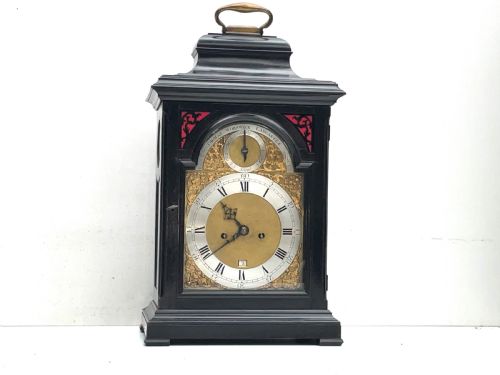
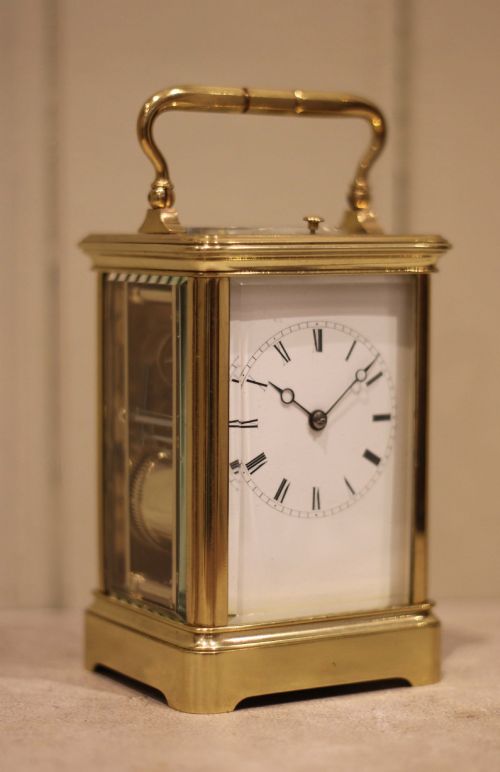
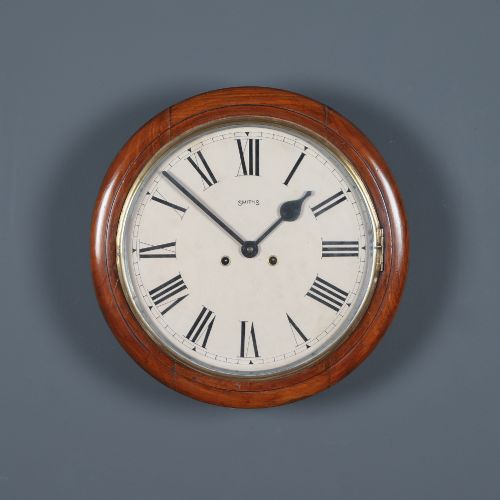
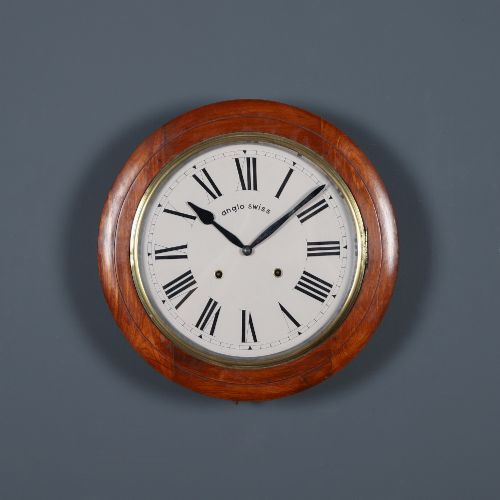
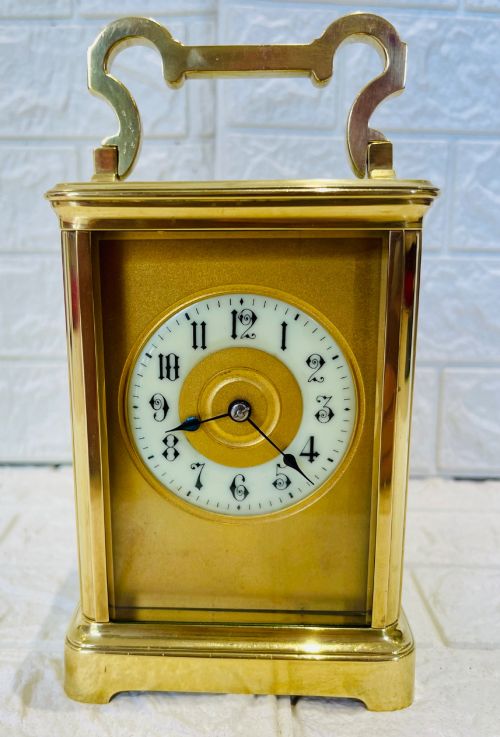
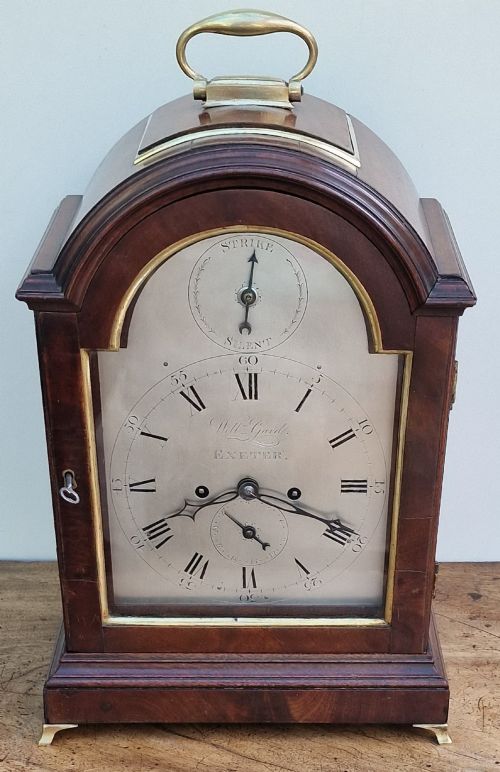
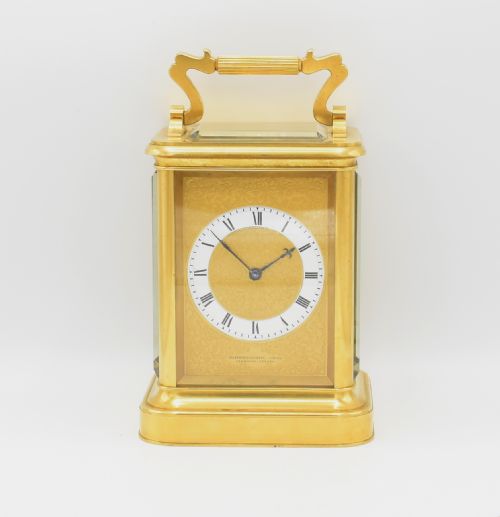
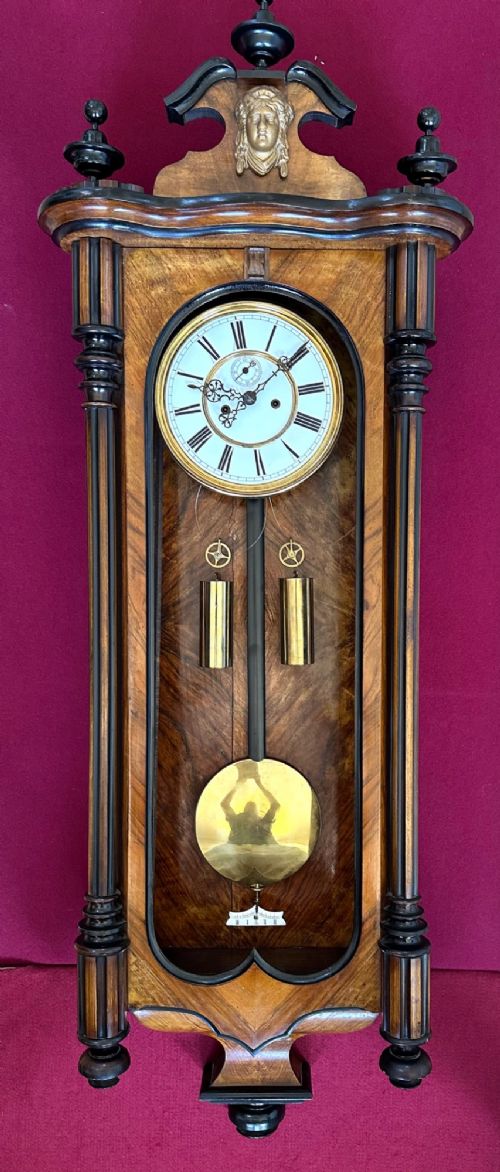
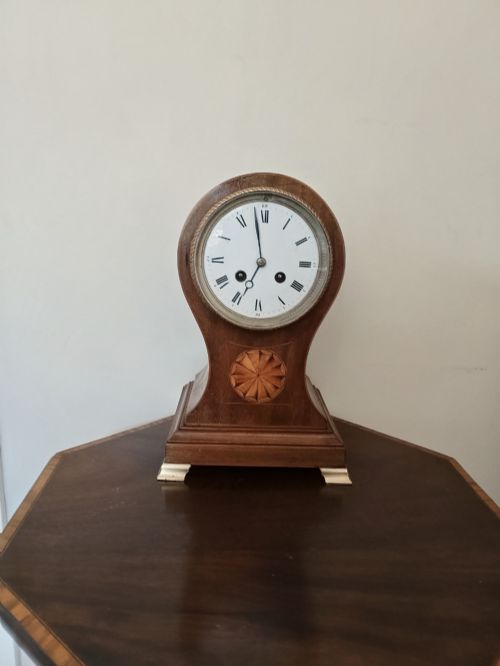
Buyers encounter carriage clocks housed in glass and brass cases, wall clocks mounted in mahogany or oak frames, and bracket clocks designed for table placement.
Materials and Technique
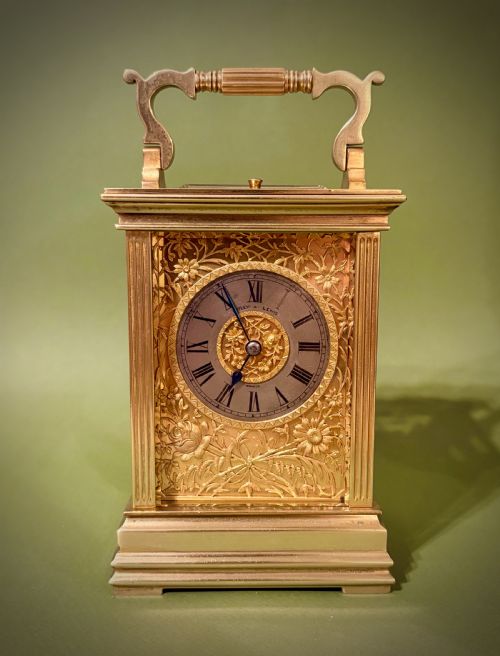
Cases combine polished brass, gilt brass, and glass with cabinet timbers such as mahogany, walnut, and oak.
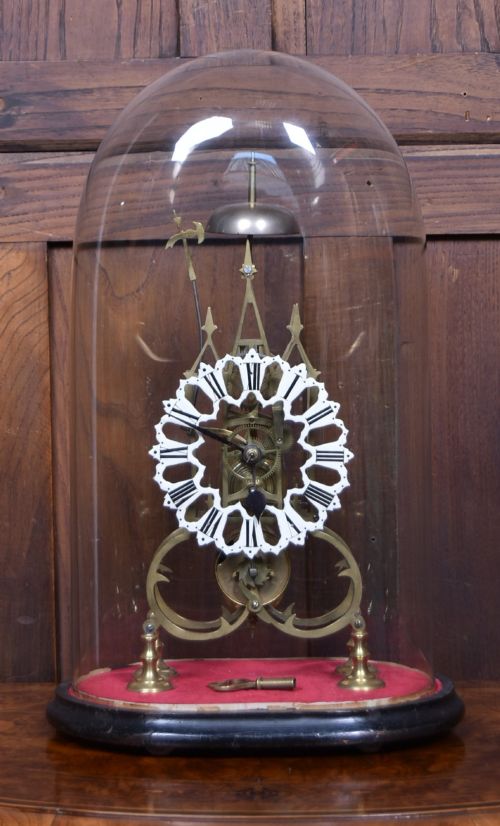
Internal movements rely on steel components, fusee mechanisms, and enamel dials, often accompanied by bells or gongs for the striking function.
Several carriage clocks include alarm functions designed to wake nineteenth-century travellers before their morning rail journeys.
Quality and Execution
Superior examples display crisp casting in the brass work, refined engraving on dial plates, and maker signatures from established horologists.
The integration of complex complications such as repeat striking, alarm functions, or fusee movements elevates the standard of a piece.
John Ellicott·Cousens & Whiteside·Japy Freres·Mappin & Webb·Benjamin Taylor·Henry Weedon·Alfred Drocourt·Henri Jacot·Winterhalder·Le Roy of Paris
The Brass Strike Clock Glossary
- Fusee
- A conical pulley used on clock movements to maintain an even pull as the mainspring unwinds. This device ensures more accurate timekeeping throughout the power reserve.
- Strike repeat
- A mechanism that repeats the last struck hour when a button or cord is activated. It is frequently found on portable carriage clocks.
- Gorge case
- A stepped brass carriage clock case design with a rounded top and glazed panels. This French style allows light to illuminate the escapement.
- Bracket clock
- A portable table clock historically placed on a matching wall bracket. These timepieces often feature elaborate wooden cases and carrying handles.
Brass Strike Clock: Frequently Asked Questions
How do I wind a brass strike clock?
Insert the appropriate winding key into the dial apertures and turn gently until resistance is felt. Care must be taken not to overwind the mainspring.
For strike trains, ensure the sequence finishes naturally without forcing the levers or hands backward during setting.
What is a carriage clock?
A carriage clock is a portable spring-driven timepiece created for travel during the nineteenth century. These clocks typically feature brass frames with glass panels.
Many incorporate striking and repeating mechanisms alongside a folding handle mounted on top.
How do I date a clock?
Dating relies on stylistic clues in the brass mounts, dial typography, wood selection, and maker signatures recorded on the movement backplate. Case architecture often reflects prevailing design periods.
Documented serial numbers and historical trade directories help narrow the production decade.
Where should I place my clock?
Position the clock on a stable, level surface away from direct sunlight, drafts, and rapid temperature fluctuations. Wall clocks require secure mounting directly into structural studs.
Proper placement prevents the wooden case from warping and ensures the pendulum or balance wheel beats evenly.