


Bell Strike Clock
A bell strike clock brings the crisp acoustic of an acoustic bell into a room, sounding the hours and quarters with a distinct metallic ring.
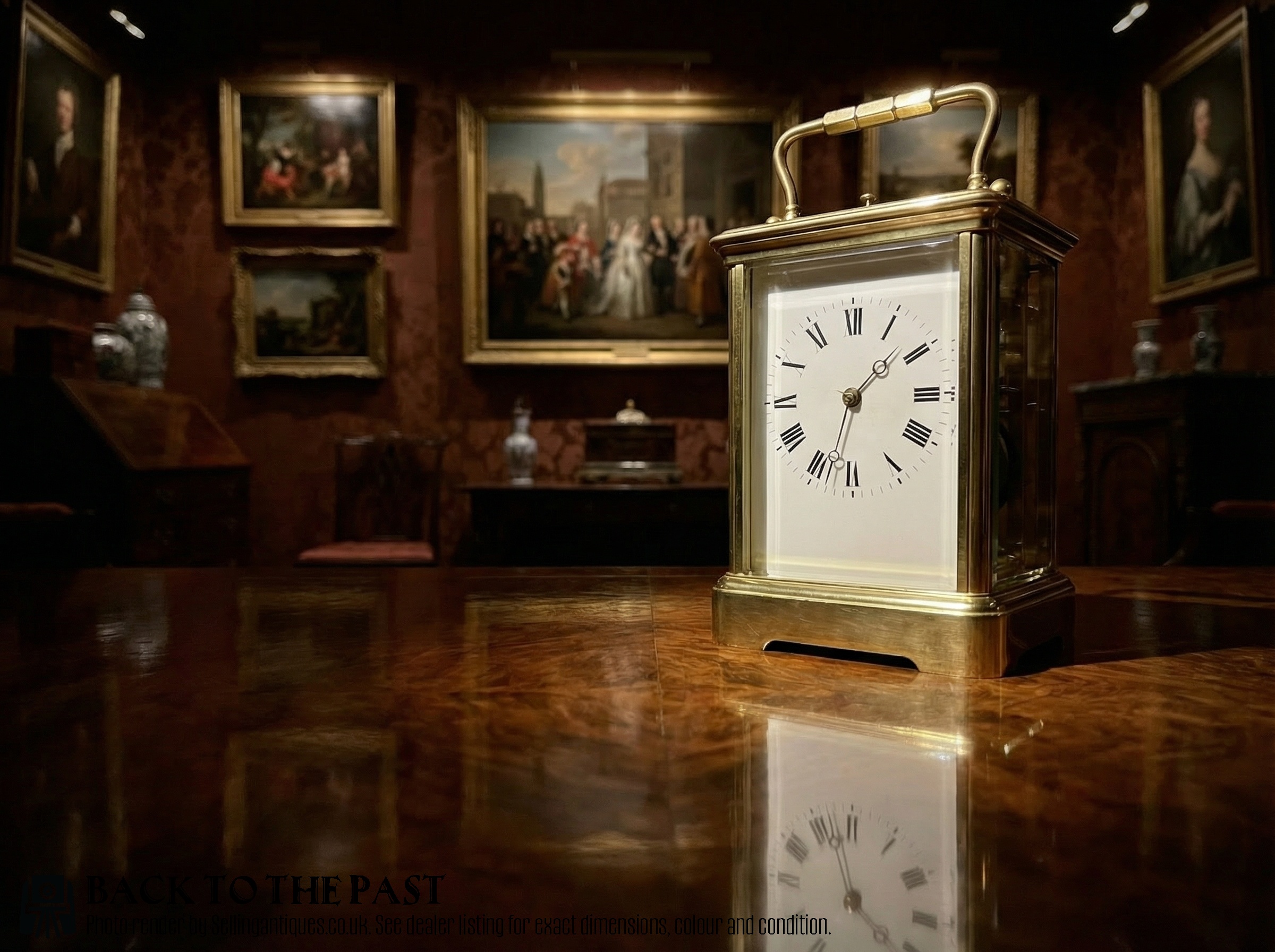
Bell Strike Clock
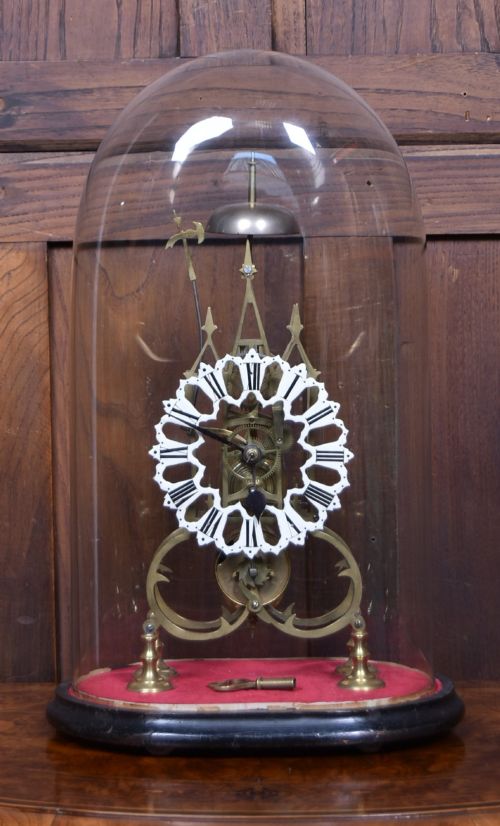
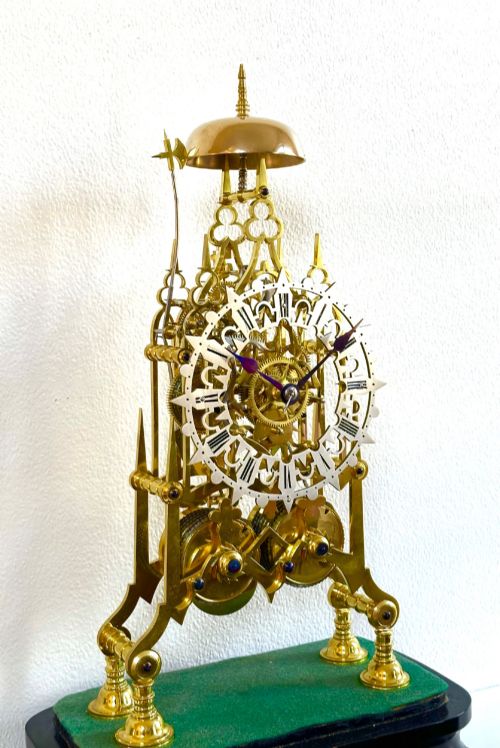
A bell strike clock encompasses a wide variety of horological forms, from towering longcase clocks to compact carriage clocks and wall-hung drop-dial timepieces. The phrase covers centuries of mechanical ingenuity where time is measured alongside audible sound.
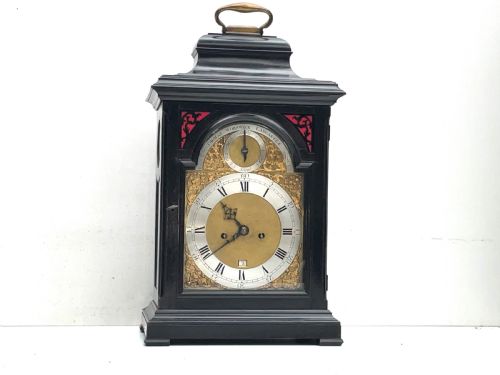
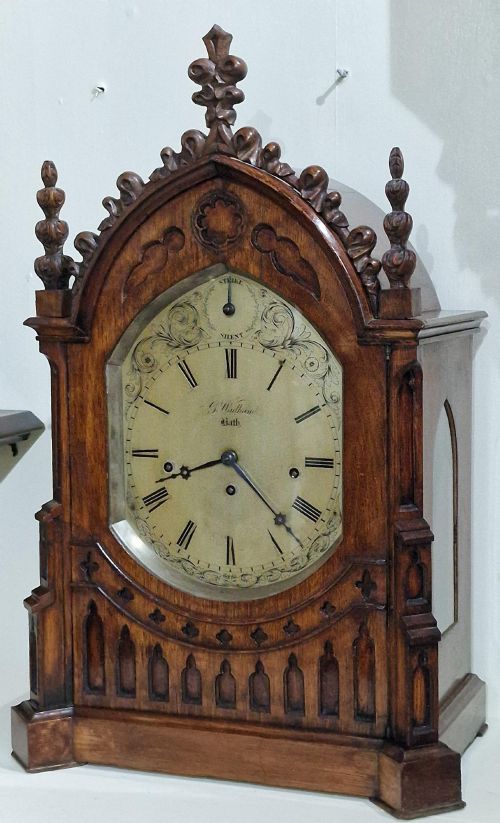
Bracket clocks and mantel clocks appear frequently, often housed in architectural wooden cases with brass details. Wall clocks and longcase variants also feature prominently across the periods.
Origins span English workshops in London and provincial towns alongside continental makers from France. Each region developed distinct casework and movement layouts while retaining the auditory bell mechanism.
How they were made
Casework relies on timber varieties such as mahogany, oak, walnut, rosewood, and ebonised wood, complemented by brass plates, dials, and glass panels. Ormolu and enamel surface treatments appear on specific continental and domestic examples.
Internal movements depend on steel and brass gears driven by fusee or spring mechanisms. The striking apparatus relies on hammers hitting cast bronze or brass bells mounted internally.
Listings feature oak, mahogany, rosewood, and ebonised wood cases paired with brass movements.
What varies in quality
The sophistication of the movement dictates the grade of the piece, with triple fusee and quarter-striking mechanisms representing greater mechanical complexity than simple hour-strikers. Verge escapements and signed dial plates signal high workshop standards.
Cabinetwork execution separates standard production from superior examples, seen in fine wood veneers, detailed inlay, and cast or chased ormolu mounts. The clarity and resonance of the bell strike itself reflect the precision of the assembly.
George Wadham Bath·Somersall London·Dwerrihouse And Bell·William Withers London·John Fletcher London·John Taylor London·E White Of Manchester·Watson London·Benjamin Maud London·Isaac Hurley London·Joseph Lum·John Bishop·Wm Gilbert USA·Henry Marc·John Rapton·John Walker The Strand·Le Cheminant London·Mottu Freres
The Bell Strike Clock Glossary
- Fusee
- A conical pulley used on clock movements to maintain an even pull as the mainspring unwinds. This device helps keep the timekeeping accurate throughout the running cycle.
- Verge escapement
- An early type of clock escapement using a crown wheel and pallets on a vertical rod. It provides the characteristic ticking motion in older bracket and wall clocks.
- Carriage clock
- A small, portable spring-driven clock originally designed for travelling. Many incorporate striking and repeating functions inside a brass and glass case.
- Bracket clock
- A portable table or mantel clock originating from the period when clocks sat on wall brackets. They often feature bell-top wooden cases and brass carrying handles.
- Drop-dial wall clock
- A wall-mounted clock featuring a circular dial above a short, usually glazed wooden case. They are frequently found with fusee movements striking on a bell.
Bell Strike Clock: Frequently Asked Questions
Why does the clock strike the wrong hour?
The striking train can get out of synchronization with the hands if the clock runs down or is moved manually. Letting the strike run down independently or advancing the minute hand past the hour usually resets the count.
Consult a professional horologist if the rack and snail mechanism requires mechanical adjustment.
Where should I place a wall clock?
Hang wall-mounted clocks on sturdy interior walls away from direct sunlight, drafts, and heavy vibrations. A stable surface ensures the pendulum beats evenly and the case remains level.
Drop-dial wall clocks need sufficient clearance below the case for pendulum swing and winding access.
How do I care for the wooden case?
Maintain wooden surfaces by dusting gently with a dry, soft cloth. Avoid applying modern aerosol polishes or silicone sprays directly onto antique wood or ebonised finishes.
Keep the room humidity stable to prevent wood movement and veneer cracking around the dial bezel.