
Brass Numeral Clock
These brass numeral clock examples combine utility and precision craftsmanship, offering a functional focal point for any room through enduring metalwork and clear dial markings.
Brass Numeral Clock
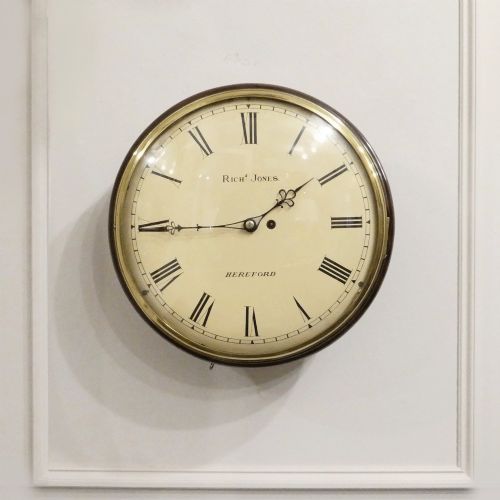
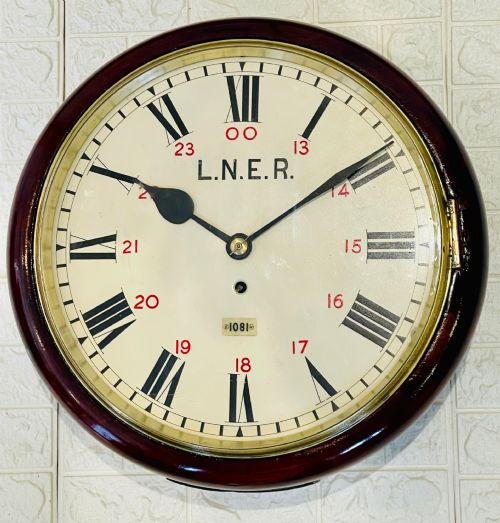
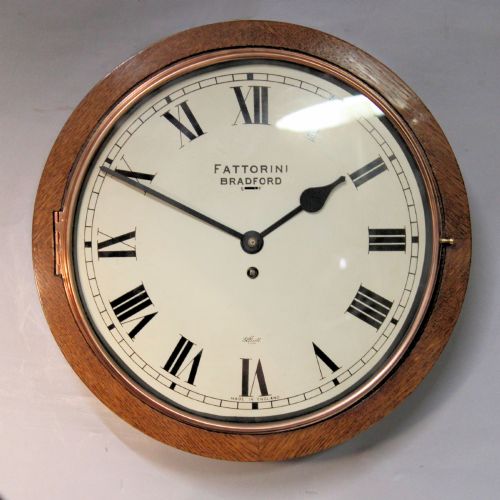
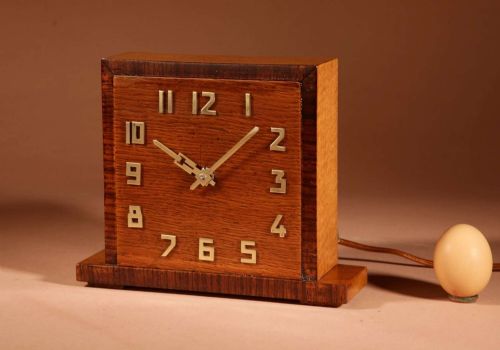
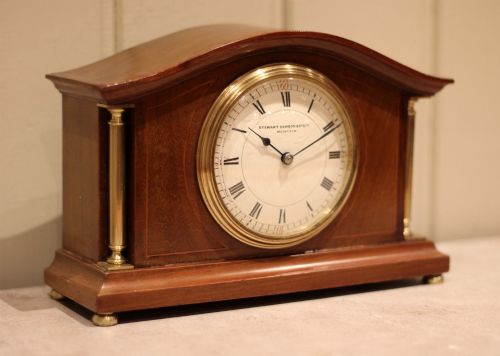
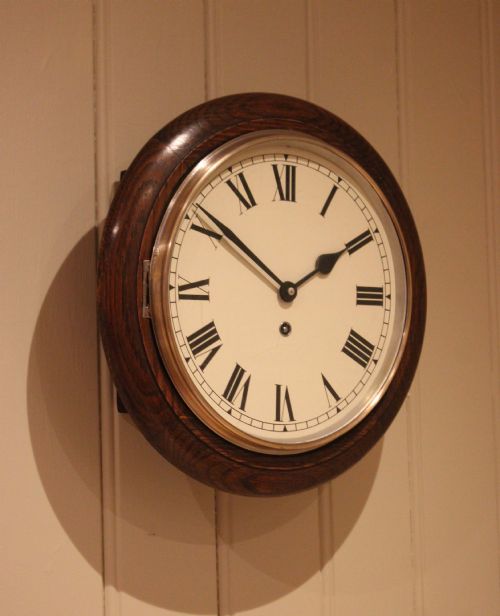
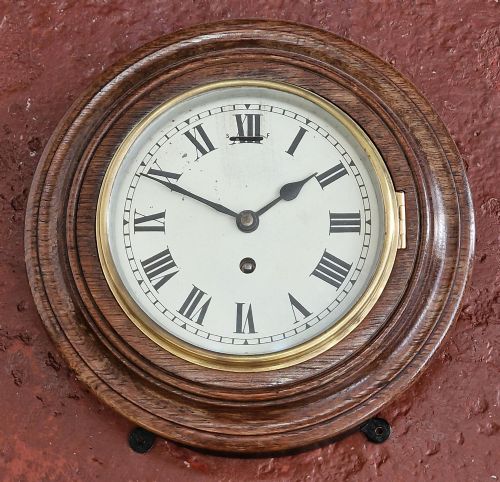
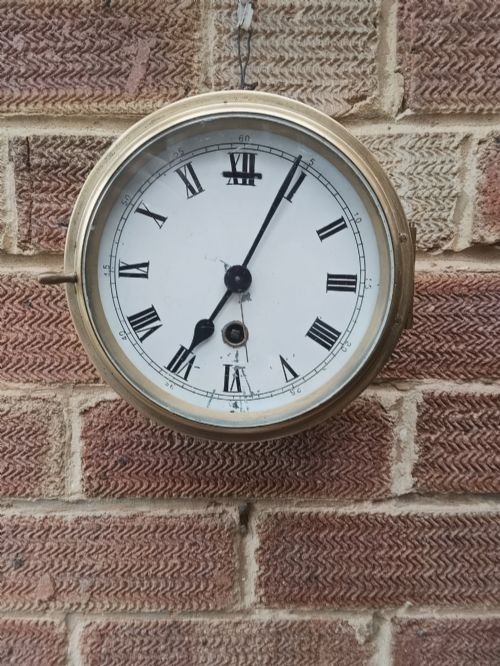
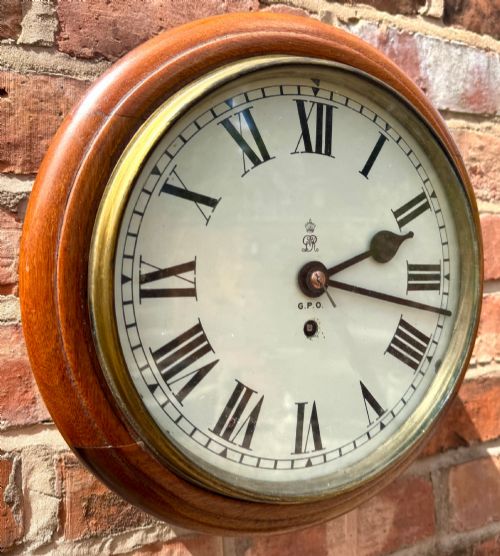
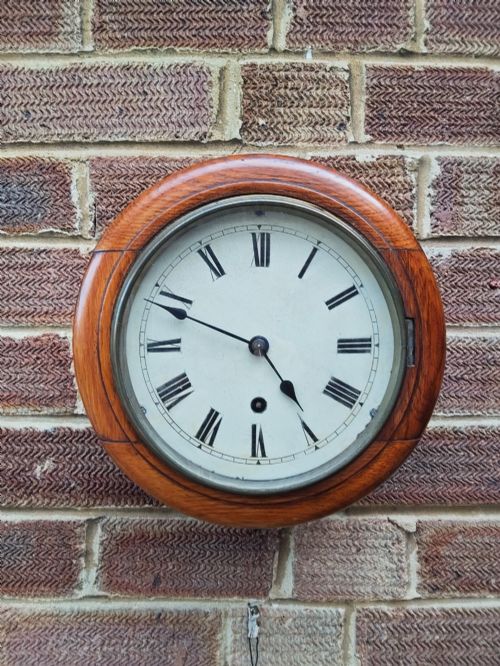
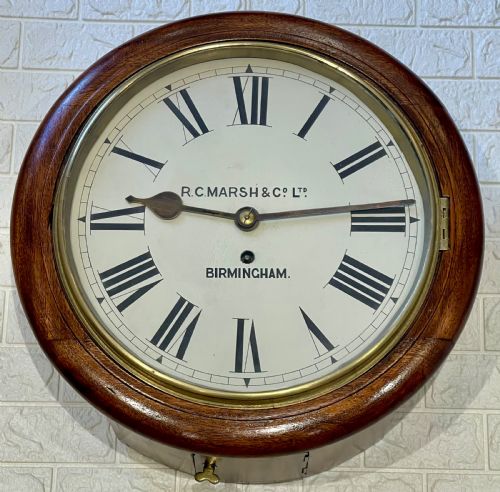
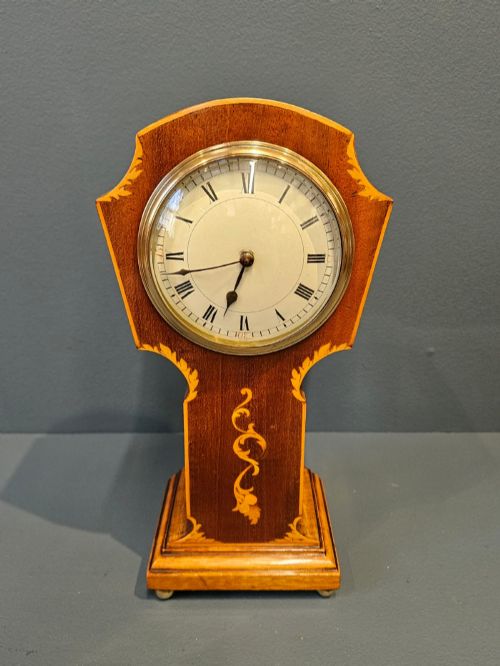
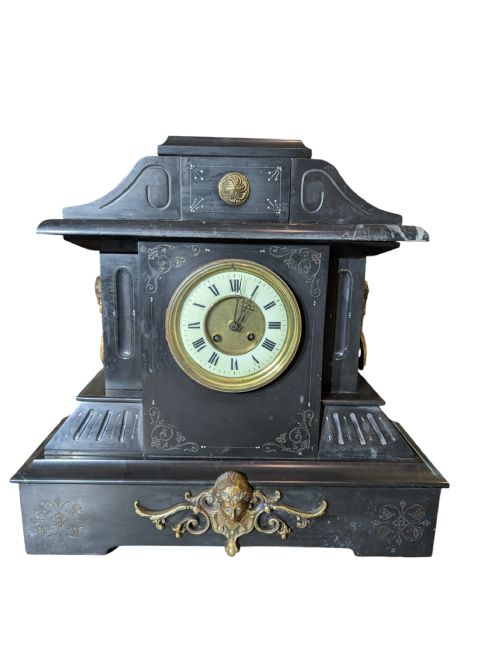
When you search for a brass numeral clock, you encounter timepieces designed for walls, mantels, and desks across multiple eras. The selections here span from the robust railway and post office wall clocks of the Victorian period to smaller Edwardian and Art Deco domestic mantel pieces.
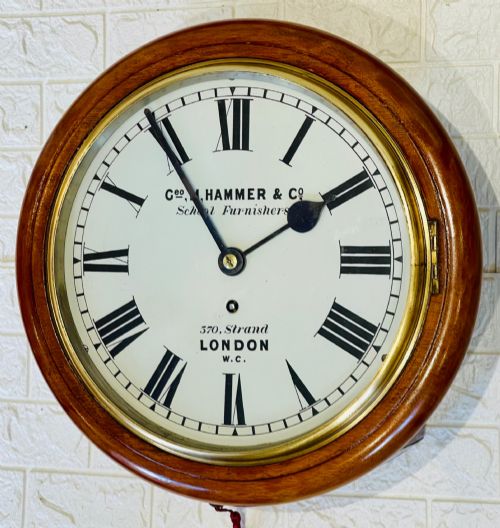
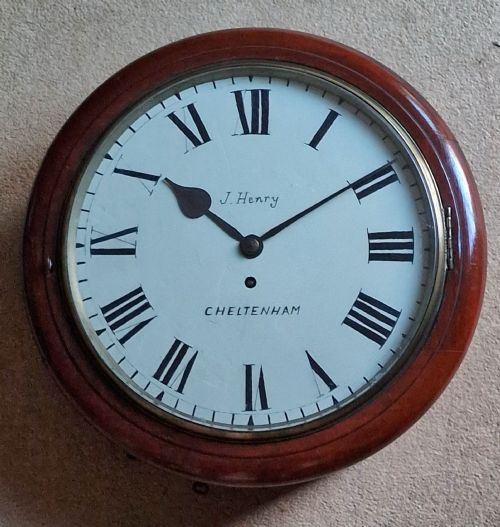
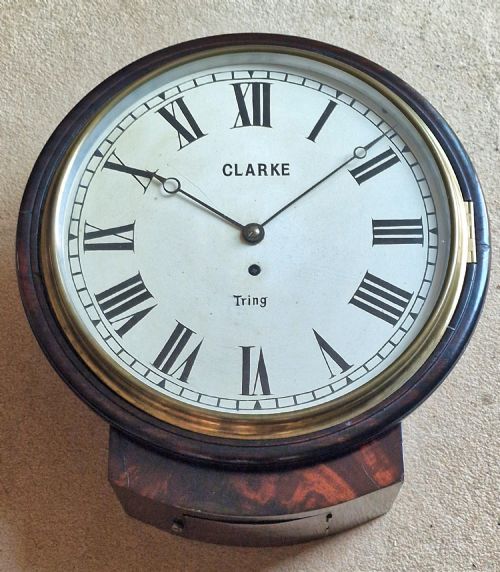
The most frequent items met on this page are circular dial wall clocks with wooden cases, alongside carriage clocks and bracket clocks featuring prominent numerals. These pieces originate from workshops and makers spanning the nineteenth and twentieth centuries.
How they were made
Cabinet makers utilised dense hardwoods including mahogany, oak, walnut, and rosewood to house the intricate mechanical movements. Cases often feature turned woodenbezels or inlaid marquetry details surrounding the metal dials.
Dials incorporate brass numerals and chapters, sometimes paired with enamel or glass elements to protect the hands. Movements rely on traditional chain fusee or lever escapement mechanisms to maintain accurate timekeeping.
Railway and post office wall clocks form a significant portion of the available fusee dial pieces.
What varies in quality
The standard of a timepiece rests upon the crispness of the dial engraving and the robustness of the internal movement. Superior examples exhibit finely cast brass components and well-proportioned timber cases with minimal past restoration.
Maker reputation and the complexity of the striking mechanism or escapement further distinguish the finer instruments from standard utility pieces.
Richard Jones of Hereford·Elliott·J Henry Cheltenham·George Clarke·W&H Sch·Garrards·Piggin Norwich·D Munsey of Cambridge·Henry Marc·Jas Whitelaw of Edinburgh·Van Cleef & Arpels Paris·Anglo Swiss Watch Co·F W Elliott
The Brass Numeral Clock Glossary
- Fusee
- A conical pulley used in older clock movements to maintain an even pull as the mainspring unwinds. This mechanism helps the clock keep accurate time throughout its running cycle.
- Dial
- The visible face of the clock where the numerals and hands are displayed. On these pieces, dials are frequently surrounded by brass bezels and fitted behind protective glass.
- Escapement
- The internal mechanism that controls the release of power in a clock, translating rotational force into regulated beats. Common variants include lever escapements found in later twentieth-century models.
- Bracket clock
- A portable household clock originally designed to sit on a bracket attached to a wall. Over time, the term came to describe larger table or mantel clocks housed in architectural wooden cases.
- Drop dial
- A wall clock featuring an extended lower wooden case that houses a pendulum drop. These forms were widely utilised by railways, offices, and institutions for clear visibility.
Brass Numeral Clock: Frequently Asked Questions
How do fusee clocks work?
A fusee clock uses a conical pulley connected to the mainspring via a cord or chain. As the spring loses tension, the chain moves to a wider part of the cone, equalising the torque delivered to the movement.
This clever mechanical compensation ensures the clock maintains steady timekeeping from the moment it is fully wound until it runs down.
How do I wind a mechanical clock?
Mechanical clocks require a dedicated key inserted into winding holes on the dial face to tension the mainspring. Care must be taken not to over-wind the movement, stopping as soon as resistance is felt.
Regular winding at consistent intervals keeps the escapement beating steadily and preserves the longevity of vintage gear trains.
What is the difference between a timepiece and a clock?
In horological terms, a timepiece is a clock that simply indicates the hours and minutes without a striking mechanism. Clocks that feature bells or gongs to chime on the hour or half-hour are referred to as striking clocks.
Both variants share similar movement construction, though striking models require additional gear trains and hammers.