



Brass Mounted Bracket Clock
A brass mounted bracket clock brings architectural presence and precision timekeeping into a room, spanning centuries of British and continental cabinetmaking.

Brass Mounted Bracket Clock
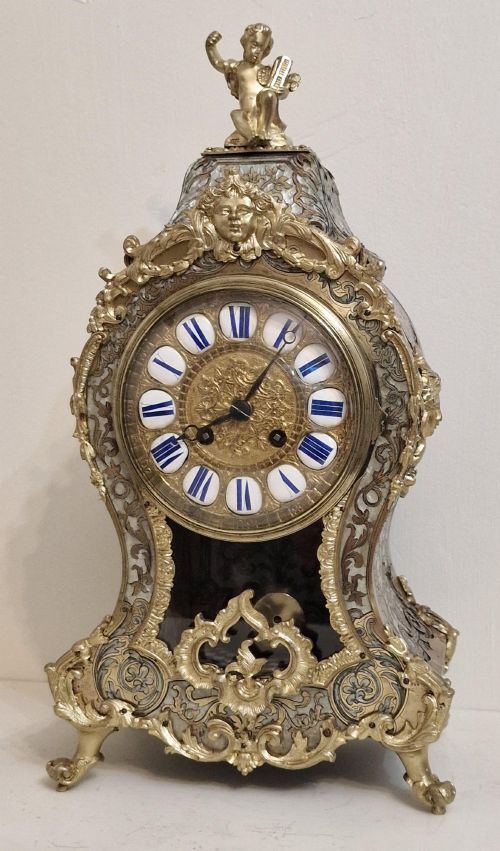
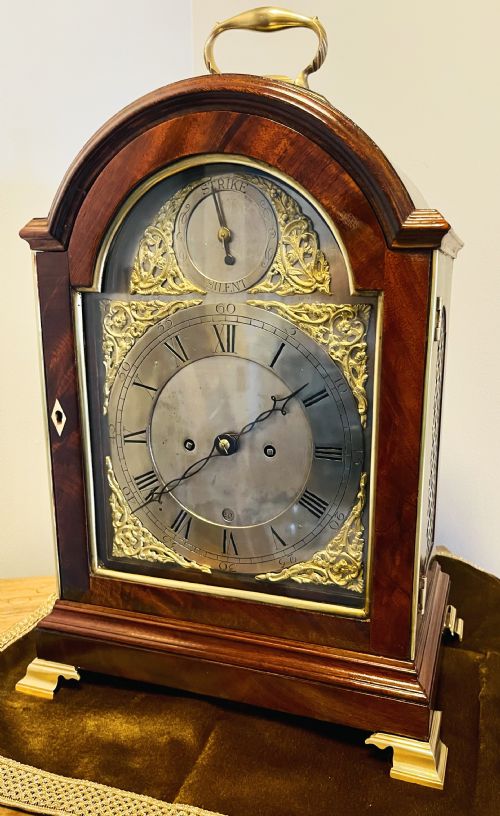
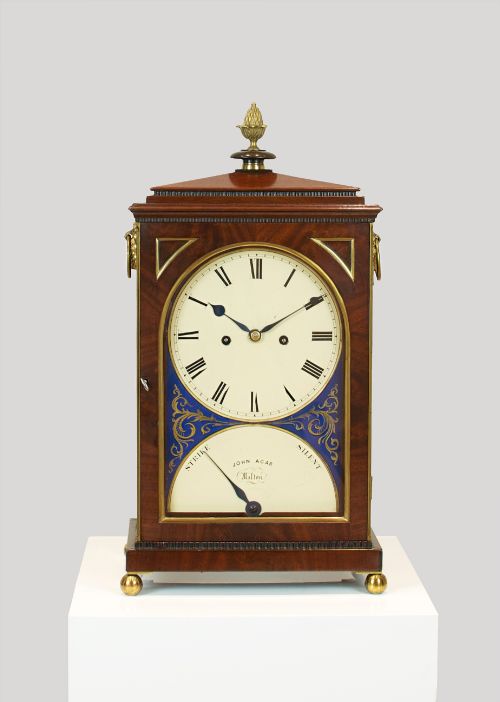
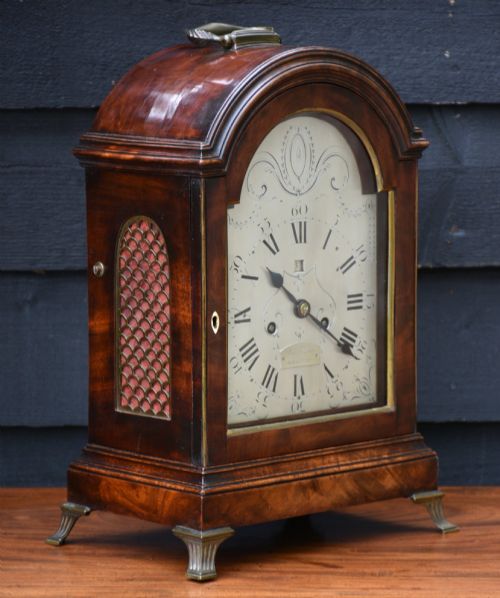
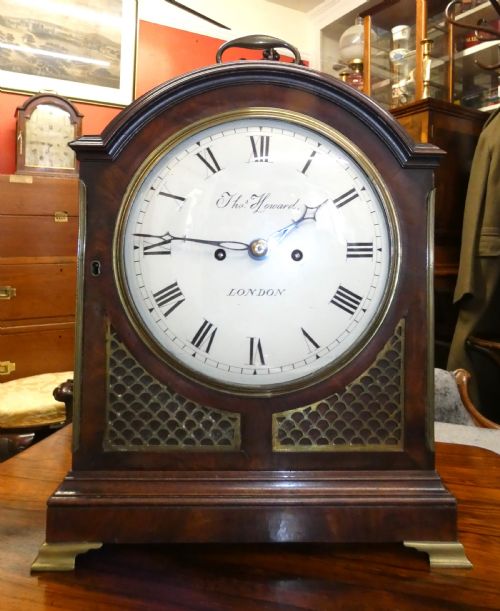
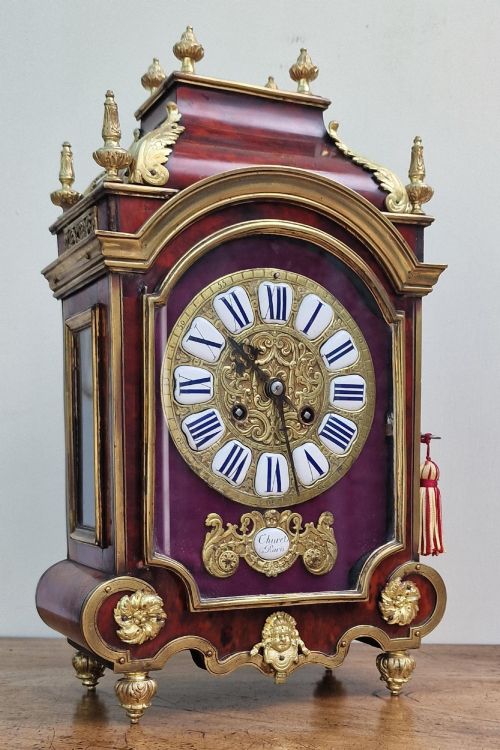
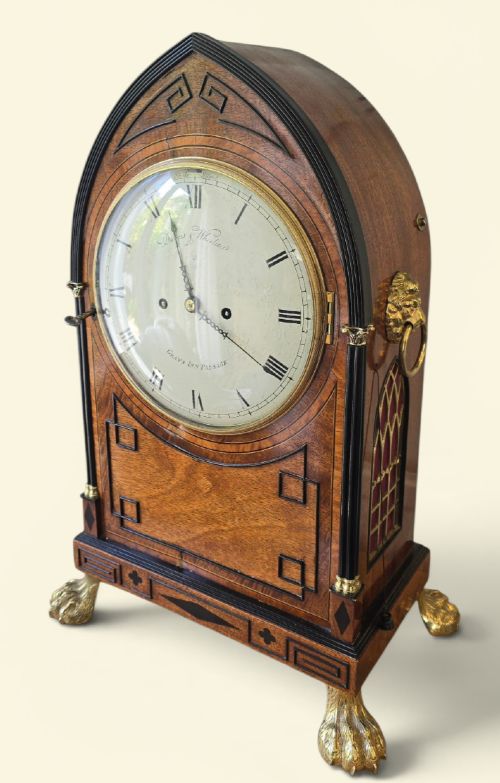
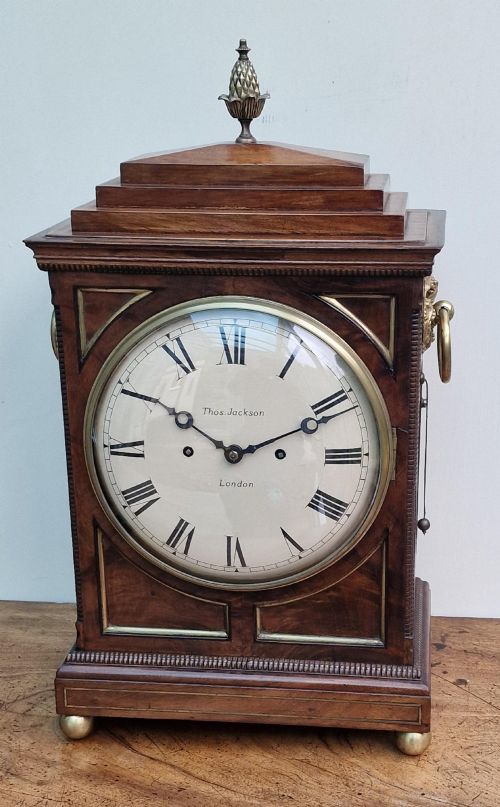
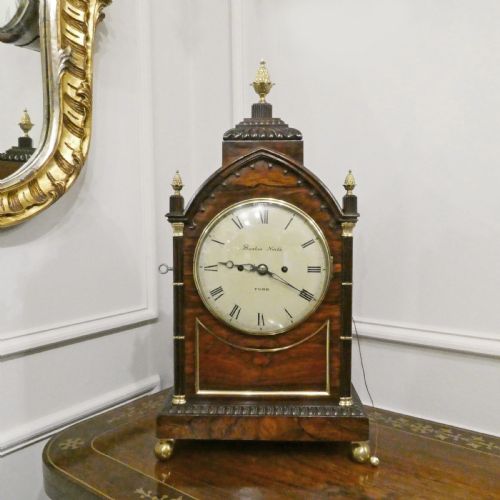
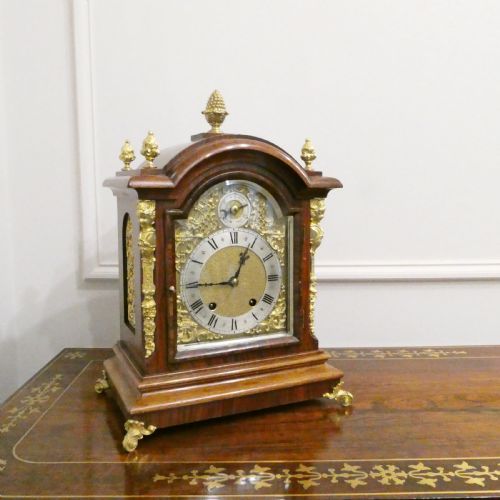
When you search for a brass mounted bracket clock, you encounter timepieces housed in table or mantel cases originating across the eighteenth, nineteenth, and early twentieth centuries. These objects take the form of bracket clocks, mantel clocks, and table clocks, often featuring distinct architectural tops such as pad, lancet, or architectural pediments.
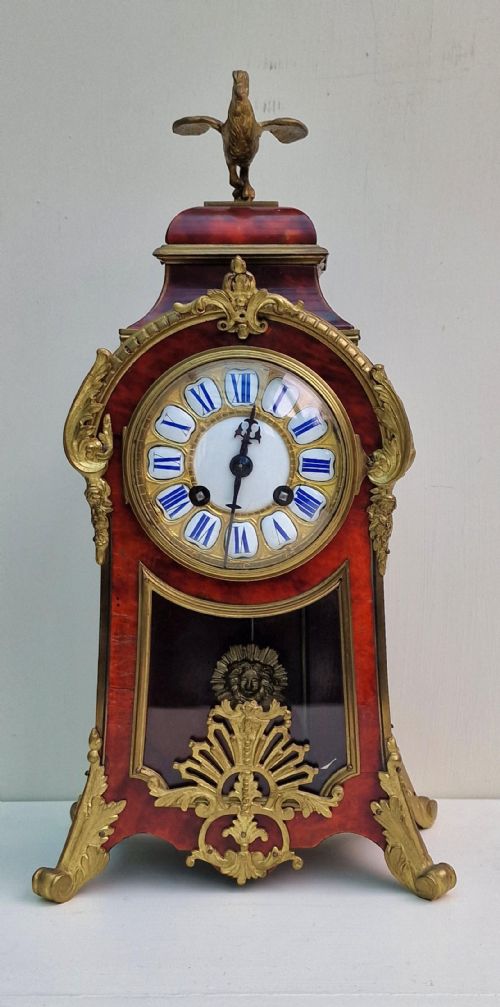
The pieces on this page draw from Georgian, Regency, Victorian, and Edwardian eras, alongside continental French Rococo, Louis XIV, and Empire styles. English makers working in London, York, and Hereford sit alongside French ateliers and German workshops.
Mahogany, ebonised wood, rosewood, and tortoiseshell form the primary bodies of these clocks, frequently embellished with elaborate metalwork mounts that anchor them visually to their period of manufacture.
Materials and Technique
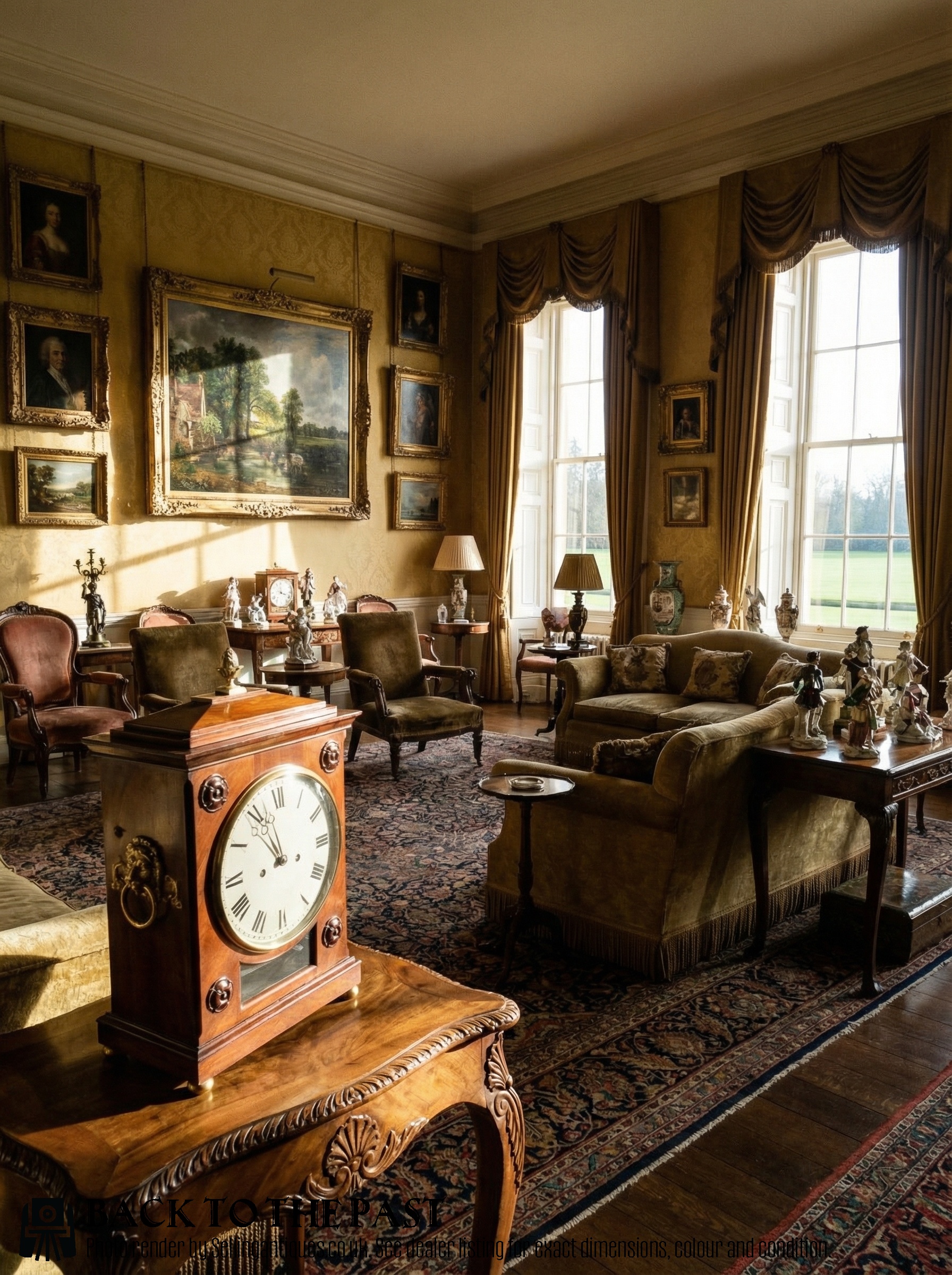
Cabinetmakers constructed the wooden carcases using dense timbers such as mahogany, ebony, kingwood, and oak, often applying fine veneers or tortoiseshell and brass inlay in the Boulle manner. These wooden housings provide the necessary structural stability to support heavy mechanical movements.
Foundry workers cast the brass, ormolu, and gilt bronze mounts, which were then chased to crisp detail before being fixed to the corners, feet, and bezels of the clock case. Enamel, silvered metal, and brass dials were engraved or painted with numerals and maker signatures to complete the face.
Brass Mounted Bracket Clock Retail Price Guide 2026
Typical asking prices for brass mounted bracket clock among the pieces listed under this phrase on Sellingantiques today, from the lower quarter to the upper quarter. They describe what is for sale here now, not the wider market.
Periods represented span from late seventeenth-century ebony table clocks to early twentieth-century German oak bracket clocks.
Craftsmanship and Proportion
The distinction between tiers of work lies in the architectural harmony of the case and the crispness of the cast metal mounts. Finer examples display meticulously fitted wood joints, restrained yet intricate brass inlay, and cast mounts that integrate seamlessly with the timber contours rather than appearing applied as an afterthought.
Movement sophistication also dictates standing, with fusee mechanisms, quarter-striking capabilities, and musical arrangements representing more complex engineering by notable makers. The legibility and hand-engraving of the dial further separate standard production from master workshops.
Barber and North·Thomas Jackson·Desbois and Wheeler·Schneckenburger·Francis Perigal·Turner of London·John Witherston·John Pepys·John Bull·Paul Philip Barraud·Des Granges·Henry Jones·Lenzkirch·Payne and Co·Brockbanks·Budgen Croydon·Agar Of Malton
The Brass Mounted Bracket Clock Glossary
- Bracket clock
- A portable timekeeper originally designed to sit on a wall bracket to aid acoustics and visibility, later standing on tables or mantelpieces. These pieces often feature sturdy carrying handles on top.
- Fusee
- A conical pulley used in spring-driven clocks to equalise the diminishing force of the mainspring as it unwinds. This mechanism ensures consistent timekeeping power throughout the running period.
- Boulle work
- An intricate marquetry technique of veneering brass and tortoiseshell together, cut from overlapping sheets. Named after French cabinetmaker André-Charles Boulle, it creates a contrasting metallic and dark patterned surface.
- Ormolu
- Gilded bronze produced by applying a mercury and gold amalgam to a bronze base and heating it to drive off the mercury. This process yields a rich, golden surface finish found on decorative mounts.
- Lancet-top
- A clock case profile featuring a pointed, arched top reminiscent of a Gothic church window. This silhouette gained particular popularity during the Georgian and Regency periods.
Brass Mounted Bracket Clock: Frequently Asked Questions
What is a bracket clock?
A bracket clock is a portable mechanical timekeeper housed in a wooden case, historically placed upon a matching wall bracket or table.
These pieces use spring-driven movements rather than falling weights, allowing them to be moved between rooms easily.
How do fusee movements work?
A fusee movement uses a conical pulley connected to the mainspring by a fine cord or chain.
As the spring unwinds and loses tension, the chain moves to a wider part of the cone, maintaining steady torque to the gear train.
Where should I place a mantel clock?
These clocks suit stable horizontal surfaces such as mantelpieces, sideboards, or dedicated clock brackets away from direct sunlight and dampness.
Level placement ensures the pendulum or balance wheel maintains an even beat for accurate timekeeping.
How do I identify the period?
Period identification relies on matching case timber, architectural silhouette, and dial style to documented eras like Georgian mahogany or Victorian ebonised wood.
Maker signatures engraved on the backplate or dial provide a direct link to active working dates.