



Brass Lion Mask Pot
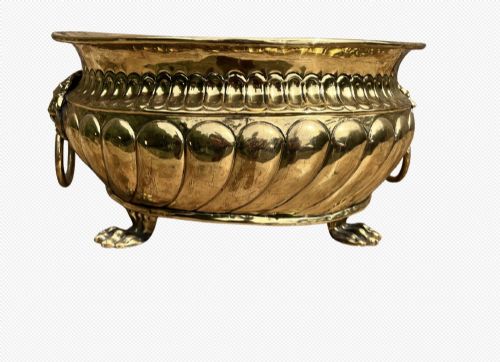
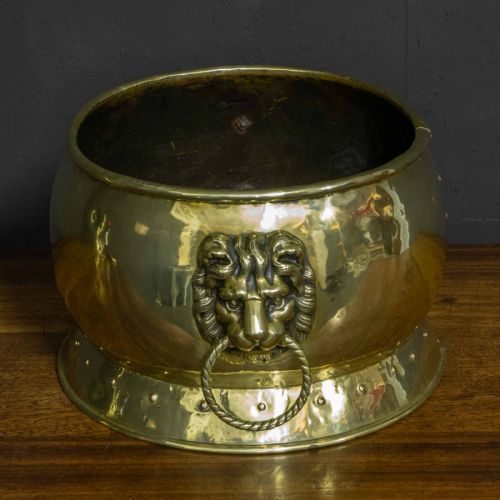
A brass lion mask pot brings a commanding classical motif to botanical displays, valued for its sculptural handles and enduring metalwork.
Brass Lion Mask Pot
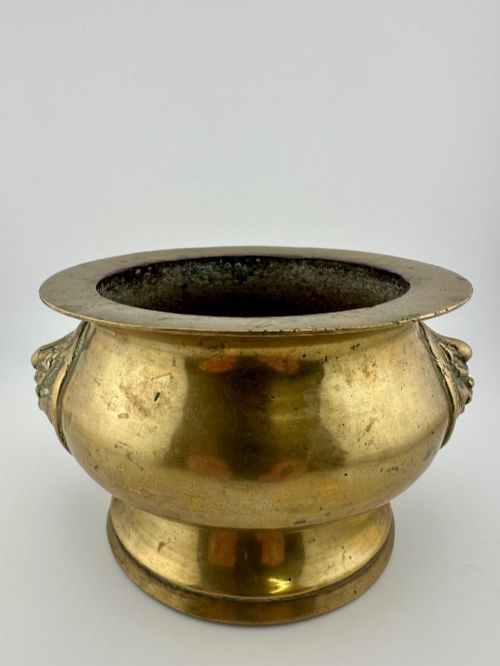
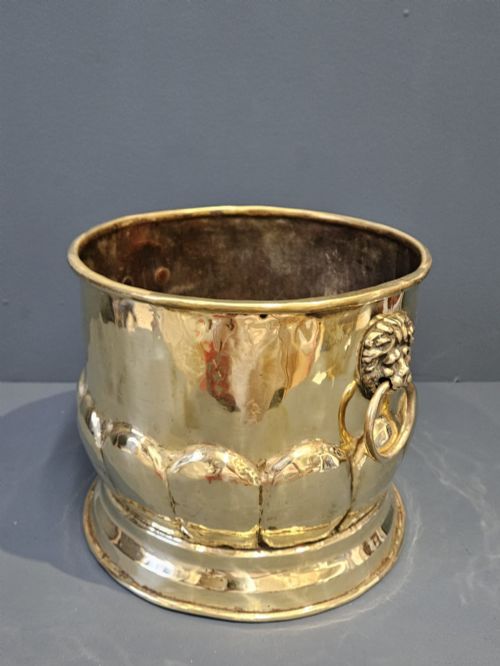
When you search for a brass lion mask pot, you encounter functional vessels designed to house plants or burn incense. The primary form you meet on this page is the jardiniere or planter, often featuring prominent cast handles shaped as feline heads.
These items span periods from the eighteenth century to the early twentieth century, taking stylistic cues from Victorian, Gothic Revival, and Dutch traditional aesthetics. Alongside European metalwork, the inventory includes Chinese bronze and brass censers sharing the same distinctive mask motif.
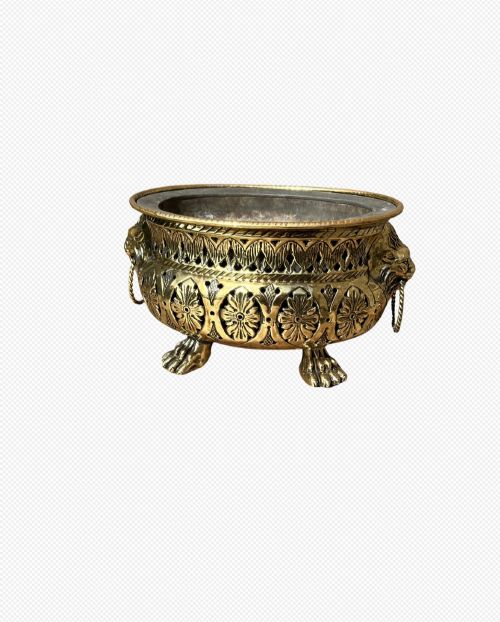
Forms range from cylindrical planters and log buckets to footed bowls and pierced vessels. Materials extend beyond brass to include copper, bronze, and silver plate, though brass remains the dominant medium.
Materials and construction methods
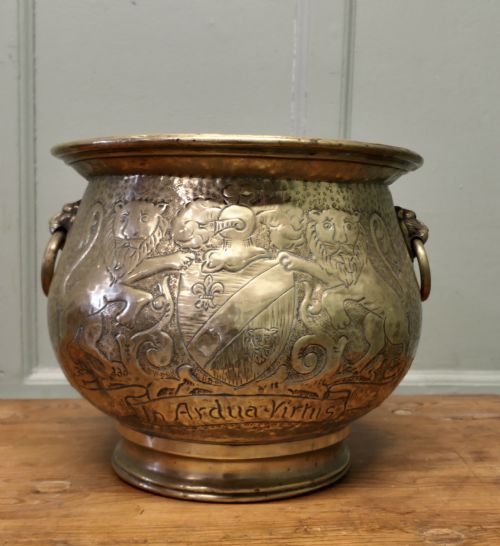
The construction relies heavily on sheet metal manipulation and casting, utilising brass, copper, and bronze. Makers employed techniques such as repoussé to hammer decorative relief patterns into the body from the reverse side.
Handles depicting lion masks were typically cast separately and securely fastened to the main vessel body with rivets or pins. Piercing work involved delicate cutting through the metal wall to create intricate openwork designs.
Fierce brass lions stand guard over humble house plants.
Judging quality and craftsmanship
Quality rests upon the crispness of the cast lion masks and the depth of the repoussé work. Finer examples display sharp facial details and careful finishing around the seams and mounts.
The choice of material and gauge thickness also separates standard production from superior pieces. Heavier metal gauge and robust construction ensure longevity and a more substantial presence in a room.
The Brass Lion Mask Pot Glossary
- Jardiniere
- An ornamental pot or stand for holding plants or flowers. These vessels form the majority of the metal planters found in this category.
- Repoussé
- A method of metalworking where a design is hammered into relief from the reverse side. This technique produces textured surfaces on planters and vessels.
- Censer
- A vessel used for burning incense. Certain pieces in this category combine this function with bronze or brass construction and mask handles.
- Gothic Revival
- An architectural and decorative style drawing inspiration from medieval design. Pieces from this movement often feature shields and heavy proportions.
- Log Bucket
- A deep metal container originally utilised for holding firewood by a hearth. These large vessels frequently adopt the jardiniere form.
Brass Lion Mask Pot: Frequently Asked Questions
What is a brass lion mask pot used for?
These versatile vessels served primarily as decorative plant holders, interior jardinieres, or incense burners depending on their origin. They were designed to sit within domestic living spaces and reception rooms.
Today, buyers utilise them to house potted plants, display dried arrangements, or serve as standalone decorative objects on tables and mantelpieces.
How do I date a brass planter?
Dating relies on observing manufacturing techniques, material composition, and stylistic markers recorded across the pieces. Victorian and nineteenth-century examples often display distinct casting methods and period motifs.
Comparing the construction seams, handle attachments, and surface patination against known period pieces helps establish an accurate timeframe for each item.
Are these pots made of solid brass?
The inventory comprises pieces formed from solid brass, copper, and bronze. Metal composition varies according to the workshop traditions and the specific period of production.
Examination of the interior and exterior surfaces reveals the underlying metal, distinguishing solid cast or hammered vessels from plated alternatives.
How should I clean an antique brass pot?
Maintenance typically involves gentle dusting and preserving the natural patination that develops on older metal surfaces. Harsh chemical cleaners can strip away historical character.
Using a soft cloth helps maintain the finish without damaging the repoussé details or altering the aged appearance of the brass and bronze.