




19th Century Brass Jardiniere
A 19th century brass jardiniere brings heavy metal plant vessels and decorative stands into rooms to hold indoor foliage.
19th Century Brass Jardiniere
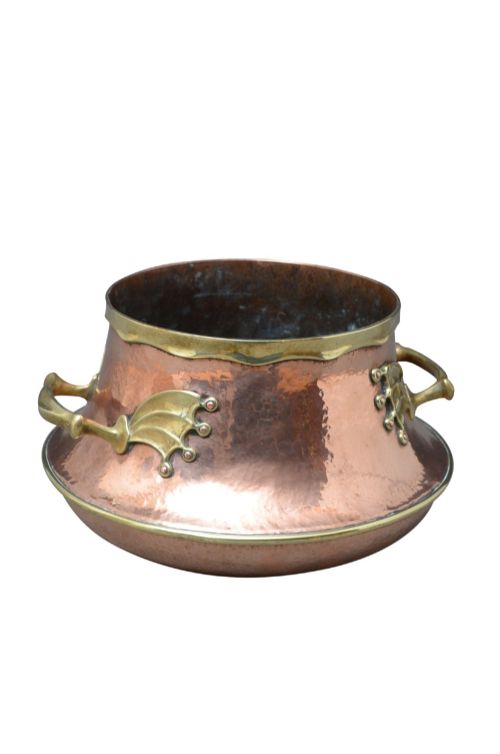
A 19th century brass jardiniere takes the form of a heavy metal vessel designed to contain potted plants inside domestic rooms. The selection includes boat-shaped bodies, cauldrons, cachepots, and tall stands intended to elevate greenery off the floor.
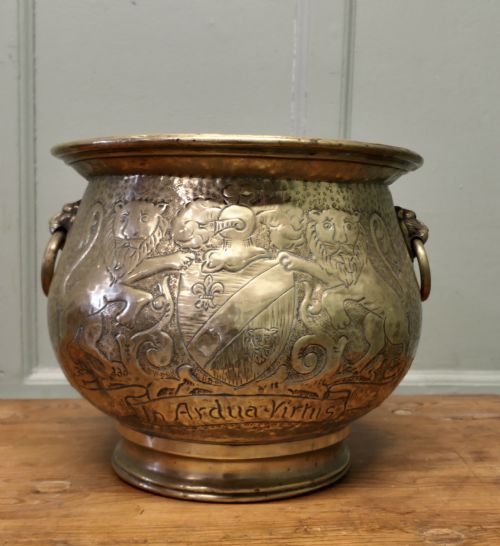
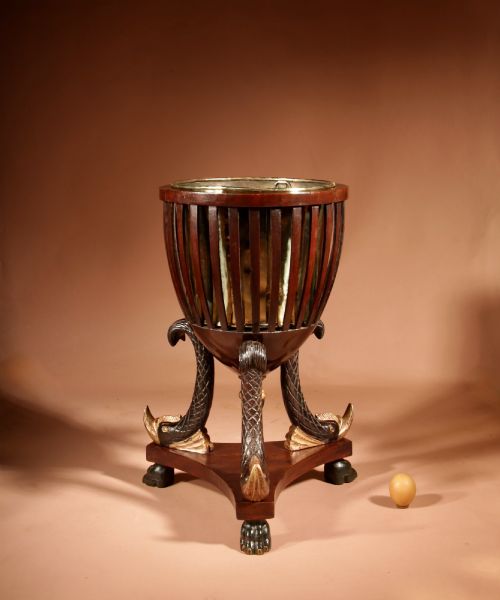
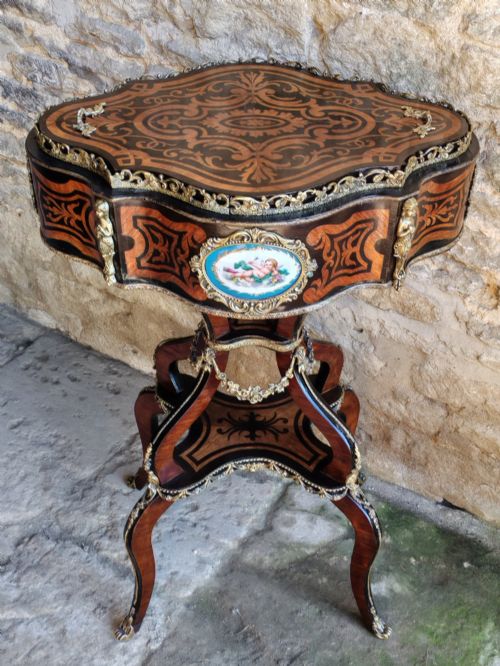
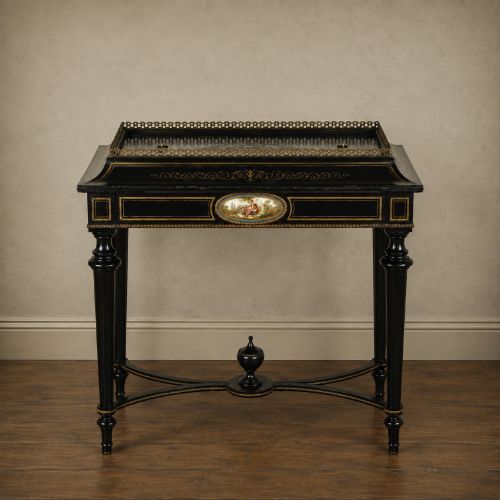
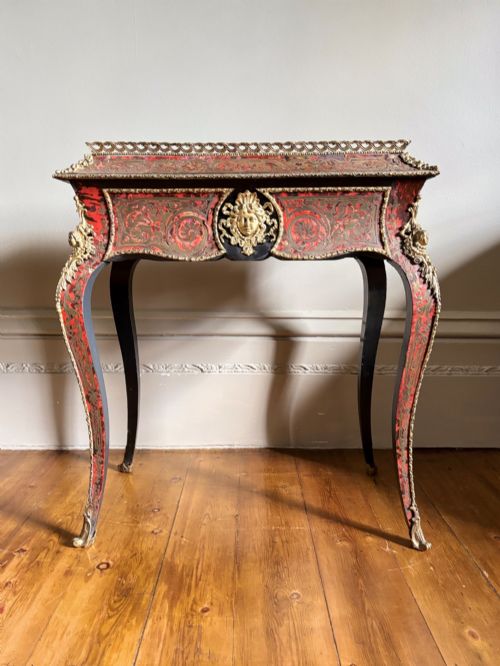
Most examples date from the Victorian era and the broader nineteenth century, featuring styles that range from Gothic Revival shields to French Napoleon III ebonised mounts and Dutch traditional shapes. Buyers frequently encounter pieces that double as wine coolers or cellarettes.
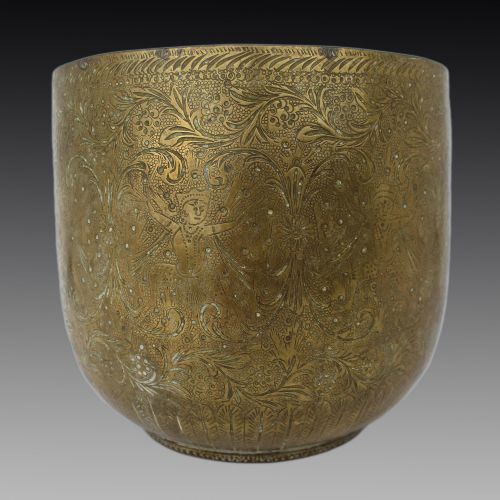
Origins stretch across Europe and beyond, taking in French, Dutch, and English workshops alongside Indian Raj engravings and Chinese bronze bowls. These vessels served wealthy households as ornamental centerpieces for drawing rooms and conservatories.
How they were made
Makers shaped brass, copper, and bronze sheets through hammering, casting, and pressing techniques to build the main body of the jardiniere. Many vessels incorporate internal zinc liners to protect the surrounding metal from moisture damage caused by watering plants.
The documented styles range from Victorian Gothic Revival and French Empire to Dutch traditional and Chinese bronze casting.
What varies in quality
The standard of a 19th century brass jardiniere depends upon the crispness of surface decoration, such as hand-engraved patterns or cast shields, and the structural integrity of the joints and handles. Heavy gauge metal and solid timber framing separate substantial utilitarian items from lighter decorative wares.
Provenance and decorative complexity dictate the upper tier, marked by integrated stands, painted porcelain plaques, or marquetry inlay. Simpler spun or pressed brass vessels represent the everyday domestic end of the market.
The 19th Century Brass Jardiniere Glossary
- Jardiniere
- An ornamental pot or stand designed to hold flowers or indoor plants. These vessels sit on tables or floor stands.
- Cachepot
- A decorative outer pot that conceals a plain flowerpot inside. It catches drainage water and hides utilitarian clay pots.
- Coopered
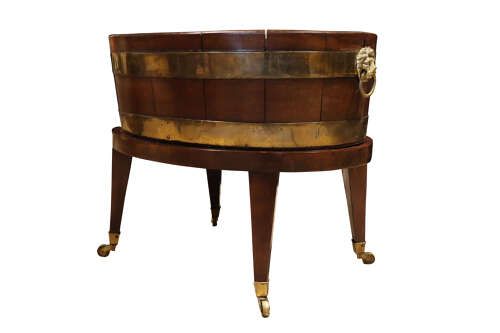
- Made from staves of wood bound together with metal hoops, much like a traditional barrel. This method appears on wooden planters and wine coolers.
- Ormolu
- Gilded bronze applied as a decorative mount to furniture and vessels. It provides bright golden highlights against dark wood or patinated metal.
- Zinc lined
- Fitted with a protective internal sheet of zinc to prevent water corrosion. This feature preserves the outer brass or wood structure.
19th Century Brass Jardiniere: Frequently Asked Questions
What is a 19th century brass jardiniere used for?
These vessels were originally manufactured to hold potted indoor plants and flowers within formal Victorian rooms. They kept moisture away from fine furniture surfaces while adding a decorative botanical element to the interior.
Today, buyers utilise them for the same purpose or as decorative cachepots, desk storage, and wine bottle coolers. Their substantial weight makes them stable containers for heavy foliage.
How can I tell different styles apart?
Gothic Revival pieces often display pointed arches, heavy shields, and architectural motifs typical of the mid-nineteenth century. Napoleon III and French Empire examples frequently combine ebonised wood with ormolu mounts and painted porcelain plaques.
Dutch styles typically feature hammered brass bodies with traditional animal feet or hoop handles. Indian Raj items show intricate hand-engraved surface patterns characteristic of late-century craftsmanship.
Did these pieces always hold plants?
Many items designed as jardinieres served double duty as wine coolers, cellarettes, or desk pots. Coopered mahogany buckets and bronze bowls adapted easily between holding melting ice for bottles and containing potted ferns.
Makers often built identical forms for different domestic tasks, meaning the interior contents changed according to the needs of the household.