


Embossed Brass Plant Pot
An embossed brass plant pot brings warmth and texture to a room, offering a decorative vessel to house indoor foliage.
Embossed Brass Plant Pot
When you search for an embossed brass plant pot, you find robust metal vessels designed to hold potted plants while hiding utilitarian nursery containers. These objects take several forms, including jardinieres, cachepots, and planters on stands, appearing in periods from the eighteenth century to the twentieth century.
The pieces you encounter most often on this page belong to the Victorian era and the nineteenth century, frequently showing Dutch influences or Gothic Revival motifs. Makers utilised sheet brass and sometimes copper or iron to create these heavy decorative containers for domestic interiors.
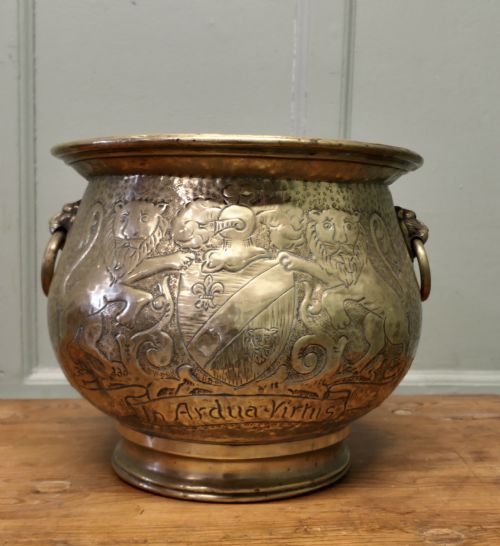
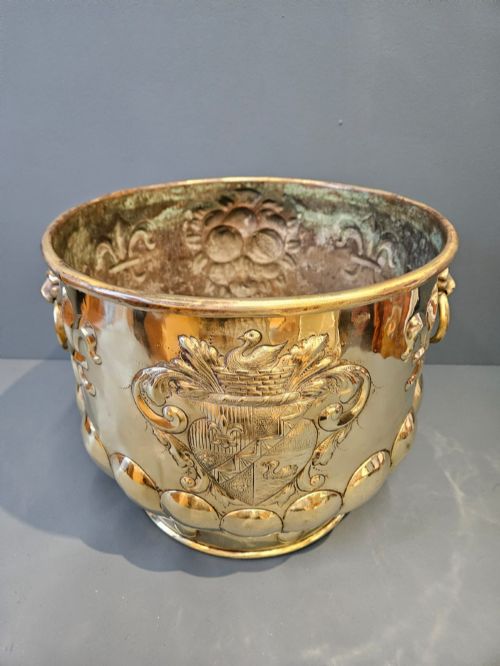
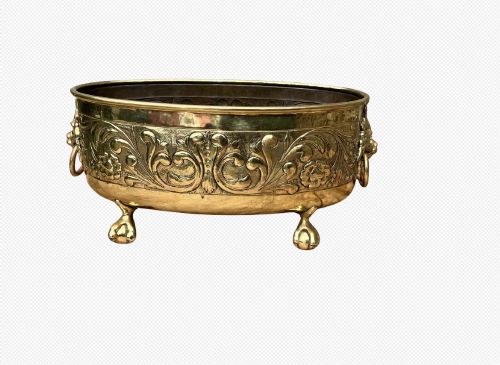
Forms range from simple round cachepots to large jardinieres with shields, crests, or handles. Many examples arrive from Dutch workshops or British makers working in traditional revival styles.
How they were made
Artisans hammered, spun, or pressed sheet brass to form the body of each vessel, often applying surface patterns through embossing and repoussé techniques. Makers created raised designs of foliage, crests, shields, or abstract motifs by working the metal from the reverse side.
Many items incorporate additional metals, such as iron for structural rigidity or copper for tonal contrast in the decorative bands. Workshops employed techniques associated with dinanderie to finish the brass surfaces, creating textured metallic finishes that caught the light.
Listings feature items from the eighteenth, nineteenth, and early twentieth centuries, spanning Victorian, Edwardian, and Art Nouveau styles.
What varies in quality
The distinction between ordinary and superior pieces rests on the crispness of the embossing and the weight of the metal sheet utilised in construction. Heavier brass gauges resist denting and hold their shape securely over decades of use.
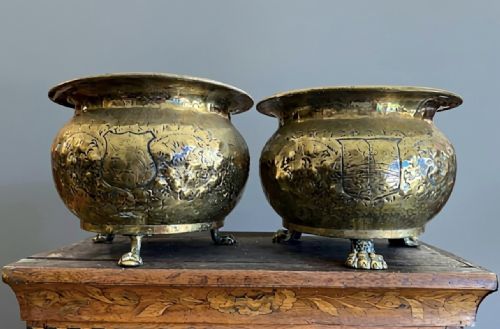
Detailing on the surface decoration dictates the visual appeal, where hand-chased motifs show greater depth and precision than simpler stamped patterns. Original stands, matching pairs, and distinct heraldic crests or shields elevate certain examples above standard utilitarian vessels.
J Sankey and Sons
The Embossed Brass Plant Pot Glossary
- Jardiniere
- A large ornamental pot or stand for holding plants or flowers. These vessels often sit directly on the floor or on dedicated furniture.
- Cachepot
- An outer pot used to conceal a plain flowerpot without a drainage saucer. The term translates from French as hiding pot.
- Repoussé
- A metalworking technique where an artisan hammers the material from the reverse side to create a raised design on the front. This method gives embossed plant pots their characteristic three-dimensional surface texture.
- Dinanderie
- The medieval and later craft of working objects in brass and copper, particularly associated with towns along the Meuse valley. The term describes decorative metalware produced using hammering and embossing methods.
Embossed Brass Plant Pot: Frequently Asked Questions
What is an embossed brass plant pot?
An embossed brass plant pot is a decorative metal container used to hold and display indoor plants. These vessels feature raised patterns hammered or pressed into the metal surface.
They appear in various historic styles, including Victorian, Art Nouveau, and Gothic Revival, often taking the form of jardinieres or cachepots.
How were these metal pots used?
Households used these containers to hold potted plants while protecting interior surfaces from water damage. They functioned as ornamental pieces for parlours, drawing rooms, and hallways.
Larger versions stood on the floor or on dedicated plant stands, while smaller cachepots sat on tables and windowsills.
How do I date a brass plant pot?
Dating relies on observing stylistic markers, manufacturing techniques, and material composition. Pieces displaying Gothic Revival motifs or heavy Victorian crests point to the nineteenth century, while flowing organic lines indicate later Art Nouveau periods.
Construction methods, such as hand-hammered seams and the thickness of the brass sheet, also provide clues to the age of the item.
How do I care for antique brass?
Care involves dusting the surface gently with a soft dry cloth to prevent the accumulation of dirt. Avoid harsh chemical cleaners that strip the historic patina from the metal.
Keeping the brass away from excessive moisture helps preserve the finish and prevents active corrosion.