


Dutch Brass Planter
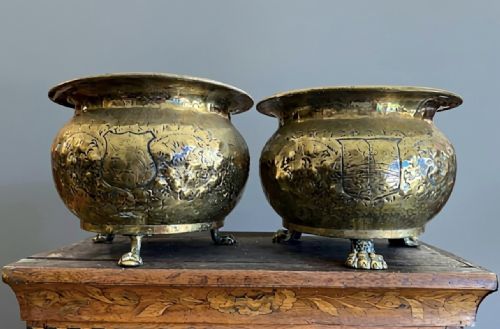
These heavy metal vessels, known as a dutch brass planter, bring continental warmth and reflective shine to a room.
Dutch Brass Planter
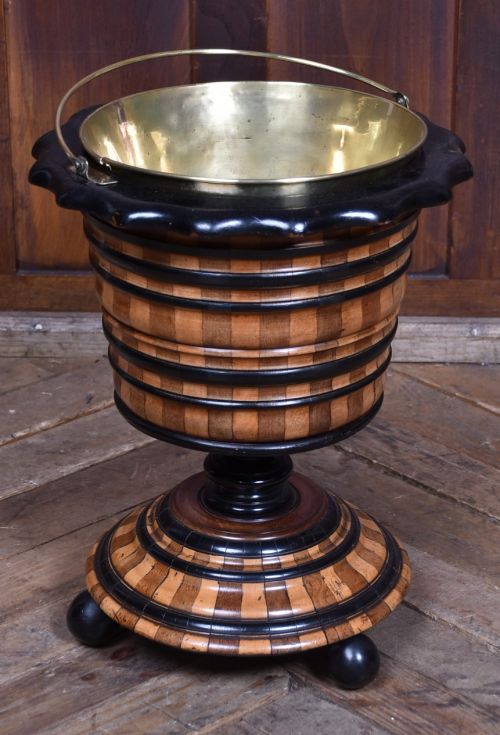
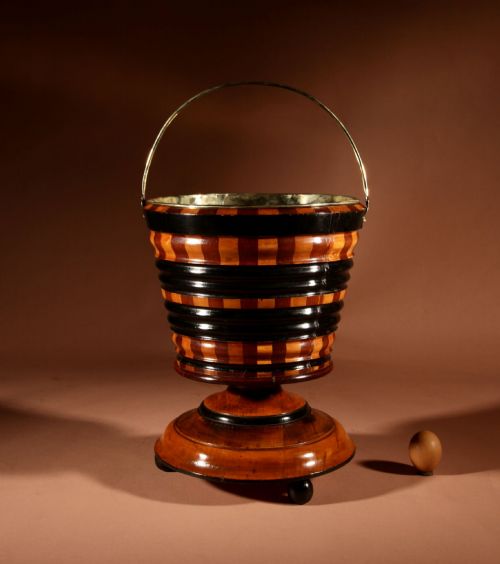
A dutch brass planter typically takes the form of a heavy metal vessel, often paired with coopered wood or supported on an integrated stand.
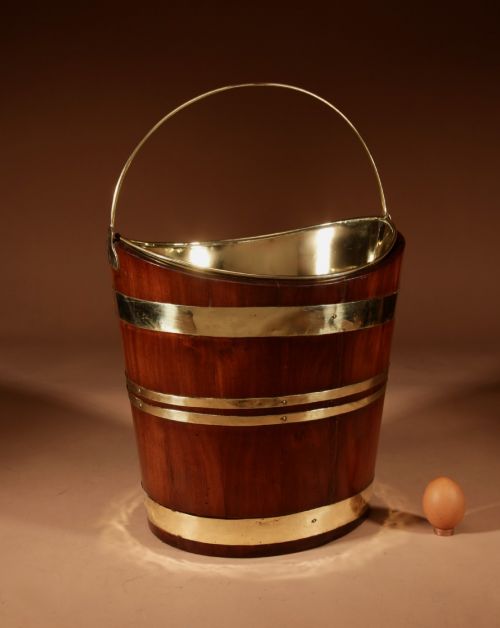
Buyers encounter forms ranging from boat-shaped schuitje buckets to traditional cylindrical planters and tea stoves designed for domestic display.
Origins stretch across the eighteenth, nineteenth and early twentieth centuries, encompassing Georgian, Regency and Art Nouveau periods.
Materials and construction
Workshops utilised heavy brass for the main body or as structural banding, pairing the metal with dense timbers like mahogany, teak, satinwood and ebonised wood.
Several heavy vessels that once warmed Dutch feet now spend their retirement holding ferns.
Assessing quality and detail
Superior examples display precise marquetry inlay, crisp brass casting and original metal liners that fit the interior profile without wobble.
The sophistication of the timber work and the integrity of the original stands or mountings distinguish standard utilitarian buckets from finer decorative pieces.
The Dutch Brass Planter Glossary
- Teestoof
- A traditional Dutch foot warmer or tea stove that often doubles in form as a small planter or bucket.
- Schuitje
- A boat-shaped vessel with distinctive curved ends, commonly seen in eighteenth and nineteenth century Dutch brass work.
- Coopered
- Built from vertical wooden staves bound together with metal hoops, a technique borrowed from barrel making.
- Marquetry
- The art of applying decorative veneer pieces in contrasting woods to create pictorial or geometric patterns on the surface.
- Jardiniere
- A large ornamental pot or stand designed to hold growing plants or flowers indoors.
Dutch Brass Planter: Frequently Asked Questions
What were these vessels originally used for?
Many of these pieces began life as tea stoves, peat buckets or wine coolers before being repurposed as planters.
Their sturdy metal liners and waterproof construction made them practical containers for fuel or ice alongside domestic greenery.
How do I care for brass and wood surfaces?
Maintain the timber with appropriate wax polish while allowing the brass to retain its natural aged patina.
Avoid using harsh chemical cleaners on the metal, as gentle dusting preserves the historic finish.
Are original metal liners common?
Original liners do appear in surviving examples, protecting the inner wooden staves or brass walls from moisture damage.
Their presence adds historical completeness to the piece.
How do I distinguish eighteenth-century pieces from later revivals?
Earlier examples exhibit hand-beaten brass textures, simpler joinery and distinct patination acquired over centuries of use.
Victorian and Art Nouveau revivals often feature crisper mechanical stamping and brighter alloy compositions.