


Brass Lined Planter
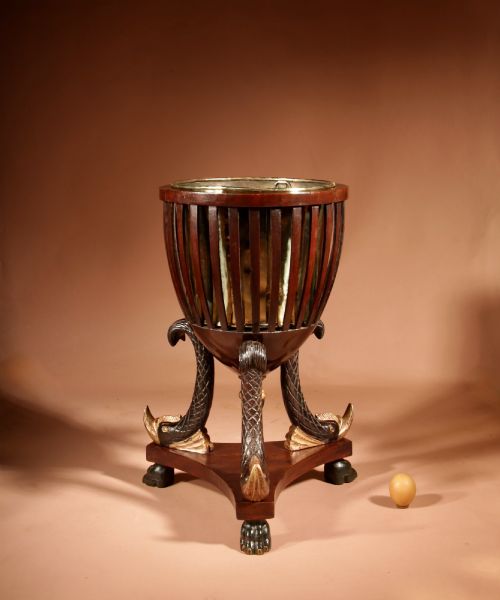
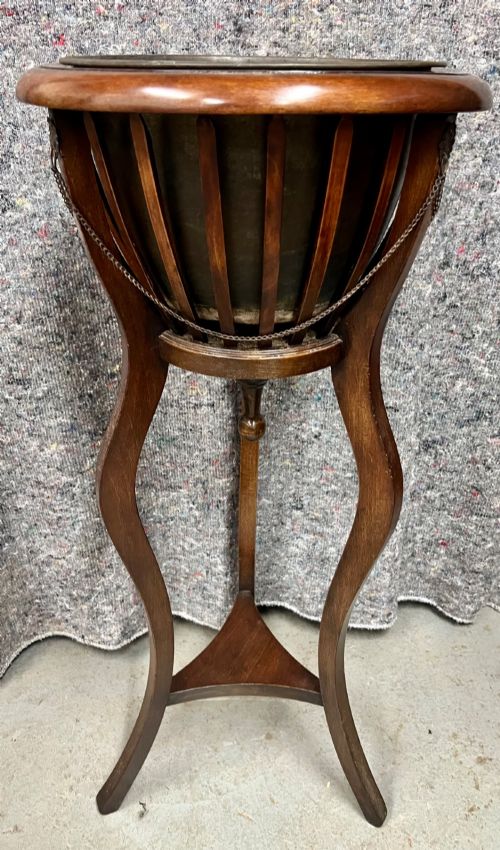
A brass lined planter brings warmth and function to an interior, combining rich timber vessels with protective metal interiors made to hold growing plants or cool wine.
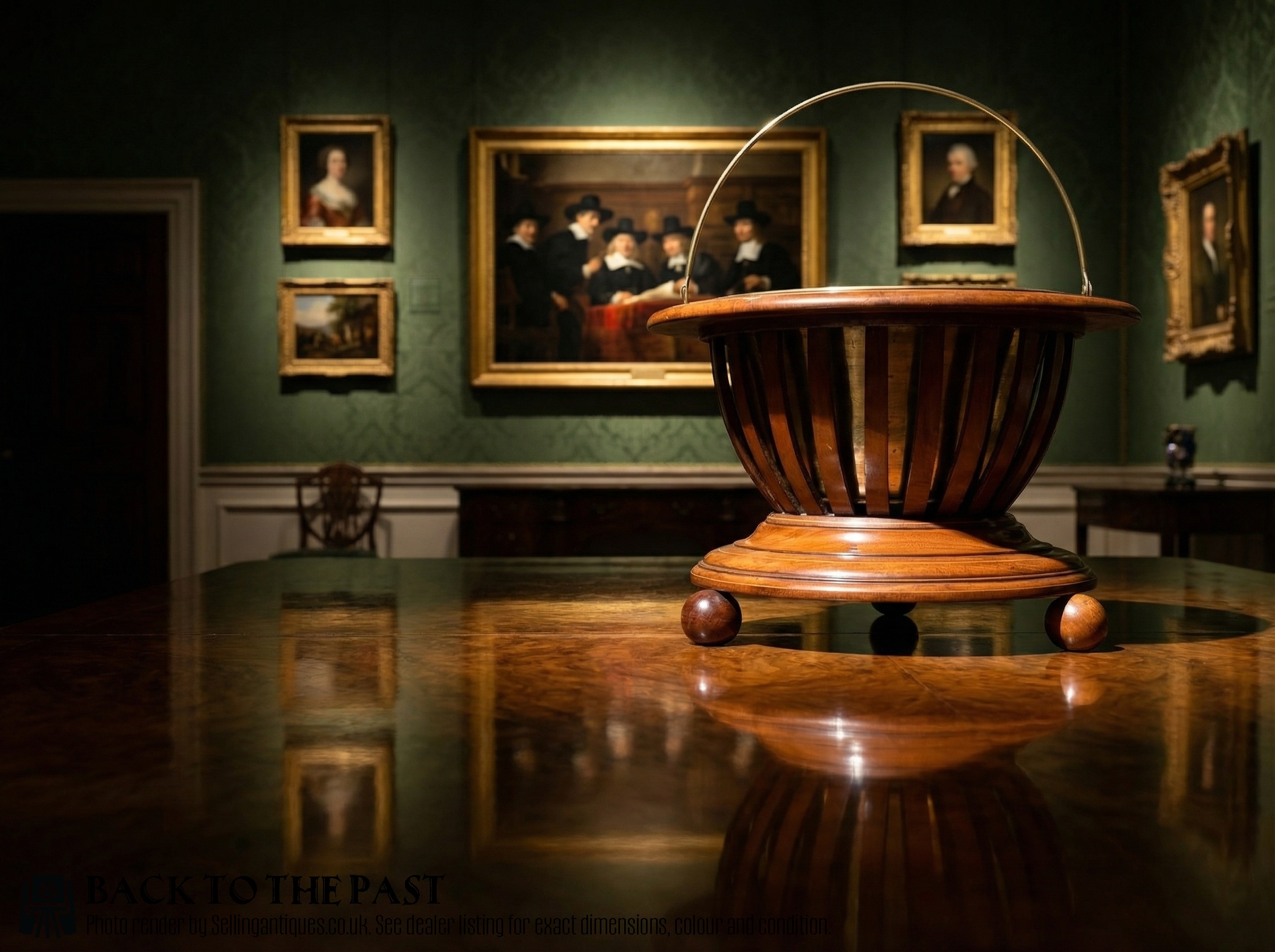
Brass Lined Planter
A brass lined planter is a decorative vessel designed to hold plants or ice and bottles, uniting timber construction with a waterproof metal interior. The brass lining protects the wood from moisture while adding a bright metallic contrast to the exterior grain.
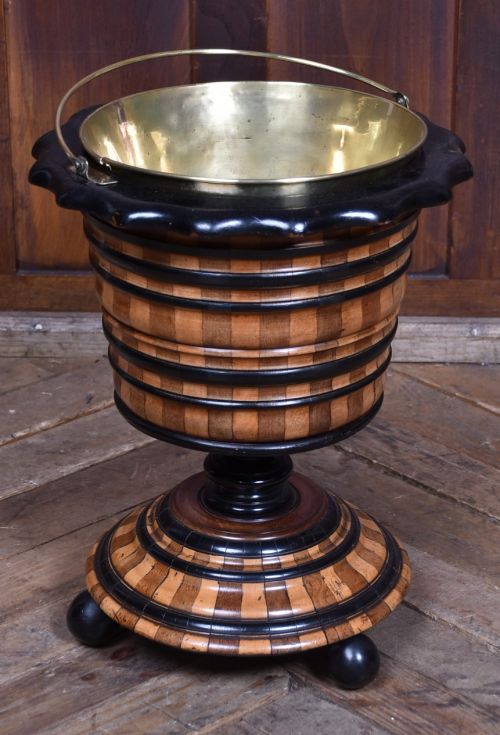
Most examples found on this page take the form of jardiniere stands, wine coolers, peat buckets, and tea stoves dating from the Georgian, Regency, Victorian, and Edwardian periods. These pieces serve equally well today as plant holders or fireside display vessels.
Makers across the nineteenth century produced these items in various woods, including mahogany, walnut, satinwood, and ebonised timber. Alongside straightforward planters, buyers frequently encounter coopered buckets and inlaid Dutch pieces.
How they were made
Craftsmen built the bodies of these pieces using traditional timber techniques such as coopered stave construction for round buckets and fine cabinetry for square or oval jardiniere stands. Woods like mahogany and walnut provided stable, durable frames that could be polished or inlaid with marquetry.
Liners were fashioned from sheet brass or zinc to fit snugly inside the wooden outer vessel, safeguarding the timber from damp earth and water. Additional metal elements, including ormolu mounts, copper accents, and brass bands, were applied to reinforce the structure and enhance the decoration.
Brass Lined Planter Retail Price Guide 2026
Typical asking prices for brass lined planter among the pieces listed under this phrase on Sellingantiques today, from the lower quarter to the upper quarter. They describe what is for sale here now, not the wider market.
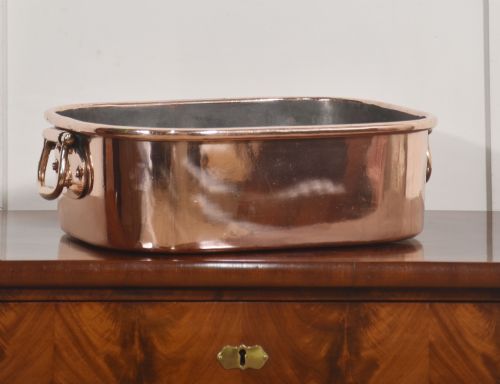
Object forms on this page include jardiniere stands, wine coolers, peat buckets, tea stoves, and fish kettles lined in brass or zinc.
What varies in quality
Quality reveals itself in the choice of timber and the precision of the cabinetwork, from plain mahogany boards to intricate satinwood and rosewood marquetry inlay. Superior examples display thoughtful proportions and careful matching of wood grain across the panels.
The standard of metalwork also distinguishes better pieces, seen in the weight and fit of the brass liner and the crispness of any ormolu mounts or brass binding. Original metal components that have aged naturally carry more conviction than later replacements.
The Brass Lined Planter Glossary
- Jardiniere
- An ornamental pot or stand for holding plants or flowers. These items often feature metal liners to contain damp soil.
- Peat bucket
- A traditional wooden container originally used to store fuel fireside. Many were later adapted or utilised as planters.
- Coopered
- Built using tapered wooden staves bound with metal hoops, similar to barrel-making. This technique kept vessels watertight.
- Tea stove
- A small portable hearth or container used to keep teapots warm, frequently converted for decorative plant display.
- Ormolu
- Gilded bronze mounts applied to furniture and decorative woodwork for enrichment. The technique was particularly popular in French-influenced design.
Brass Lined Planter: Frequently Asked Questions
What is a brass lined planter used for?
These vessels were originally made for a variety of domestic tasks, including holding plants, storing peat by the fire, or chilling wine bottles in ice. The internal metal lining allowed them to handle moisture without damaging the outer wooden frame.
Today, buyers use them primarily as indoor plant stands or decorative cachepots. Their robust construction makes them practical for holding potted greenery while adding period character to a room.
How do I tell a Georgian piece from a Victorian one?
Georgian examples, often dating from the mid to late eighteenth century, tend to show restrained classical proportions and fine mahogany or satinwood veneers. They rely on simple, elegant forms rather than heavy ornamentation.
Victorian and Edwardian pieces frequently feature heavier timber framing, darker walnut, or revival styles influenced by French designs. Ormolu mounts and more elaborate marquetry also become common in the later nineteenth century.
Can I plant directly into the brass liner?
While the metal lining is designed to hold moisture, planting directly into old liners can accelerate corrosion over time. Placing potted plants inside in separate plastic containers protects the original metal.
Using a saucer inside the liner also prevents standing water from sitting against the bottom seams. This simple step preserves the integrity of the antique metalwork.
What woods are most common?
Mahogany is the timber most frequently encountered, valued for its rich colour and durability across the Georgian and Victorian eras. Walnut also appears regularly, often displaying attractive grain patterns and warm tones.
Finer decorative items incorporate satinwood, rosewood, and ebonised wood, sometimes enhanced with marquetry inlay. Occasionally, unusual woods like box tree feature in specific pieces.