

Brass Jewellery Box
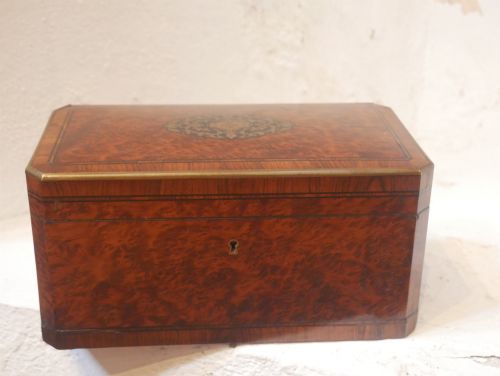
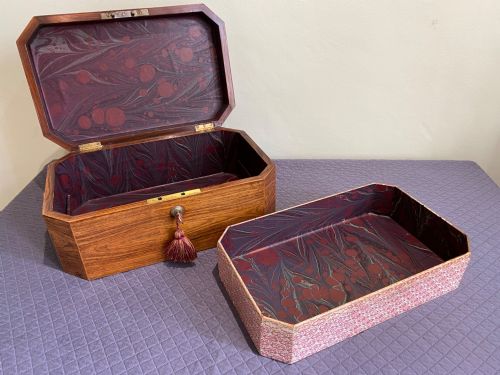
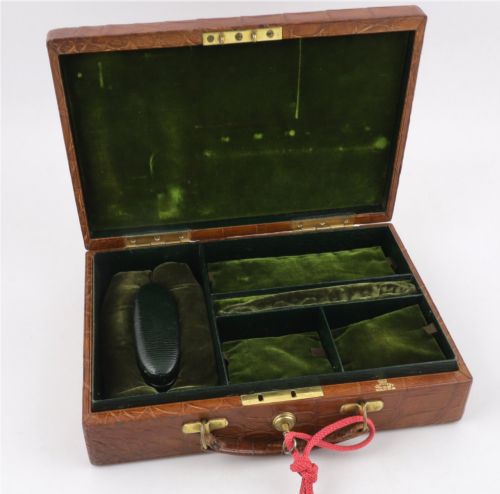
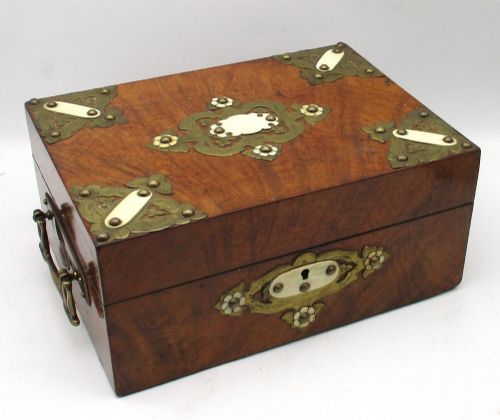
A brass jewellery box stores small treasures, combining heavy metal mountings with warm timber or velvet lining for daily dressing table use.
Forms and periods
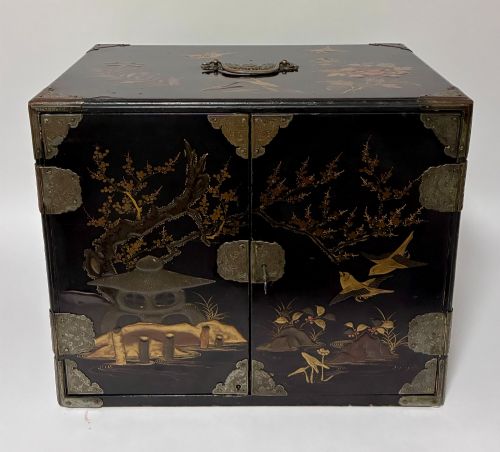
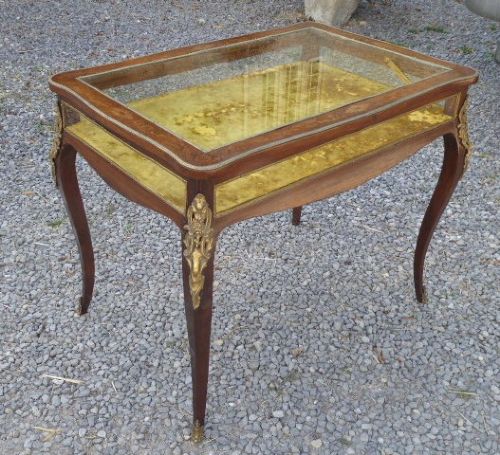
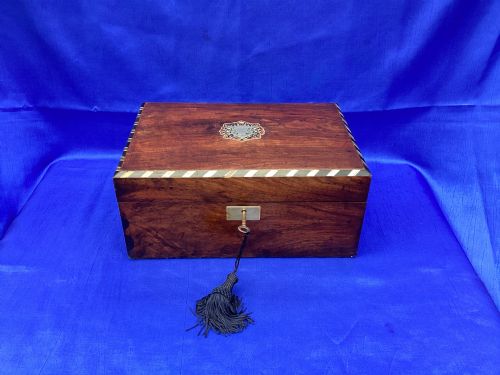
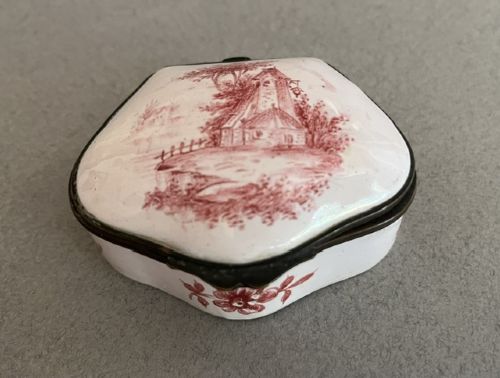
A brass jewellery box appears in various formats across the nineteenth and twentieth centuries, ranging from miniature chests to heavy campaign trunks. Buyers encounter pieces spanning the Victorian era, the nineteenth century generally, and the early decades of the nineteen-hundreds including nineteen-ten and nineteen-twenty.
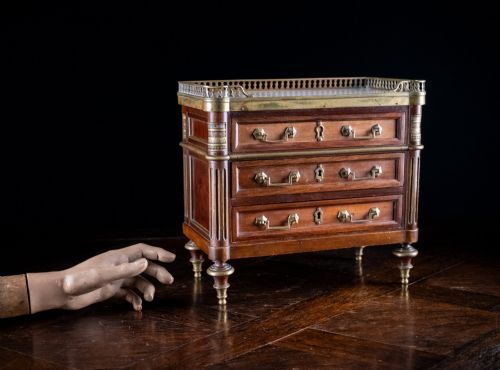
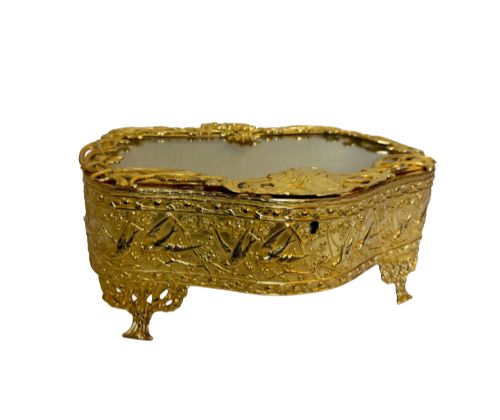
The selection includes specific variations such as Jugendstil inlaid containers, miniature furniture apprentice chests, engraved thistle trinket boxes, and black velvet cabinets. These objects function primarily to hold rings, pins, and small keepsakes safely on a surface.
Origins stretch from English workshops to French studios and continental makers, incorporating diverse stylistic influences from campaign minimalism to ornate floral motifs. The common thread across these pieces remains the integration of metal framing with functional storage space.
Materials and construction
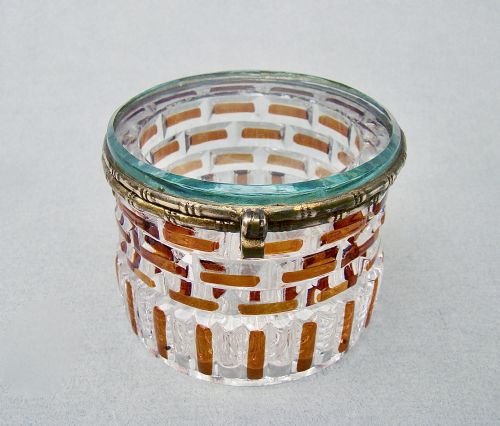
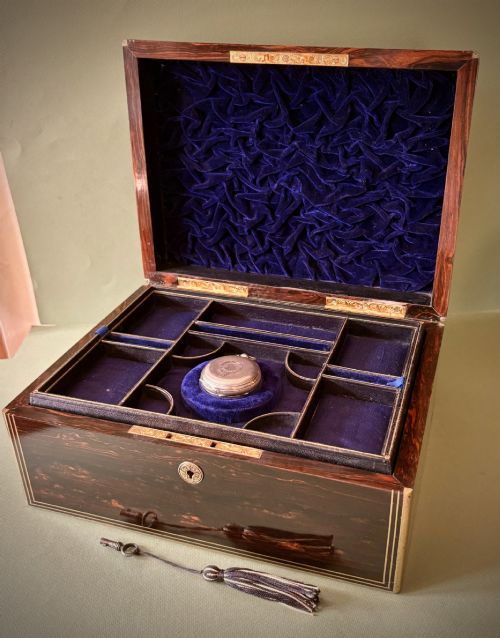
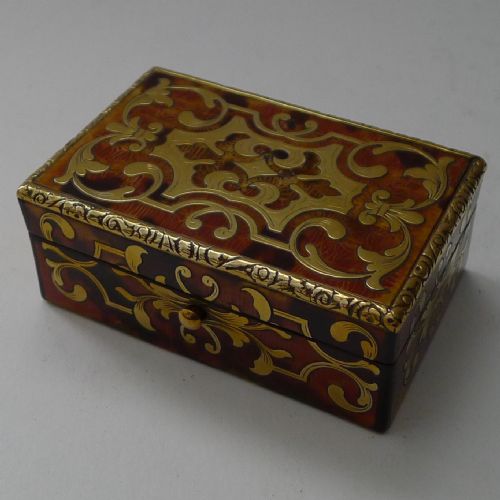
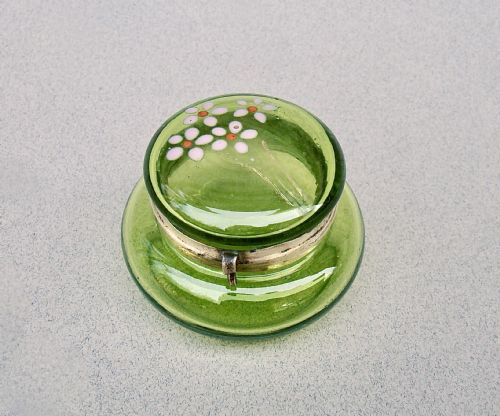
Construction relies heavily on solid metals combined with structural woods like rosewood, walnut, mahogany, teak, ebony, and coromandel, often enhanced by secondary substances like glass, ceramic, and hardstone panels such as carnelian or agate. Artisans secure these elements using brass banding, corner mounts, and cast ormolu mounts.
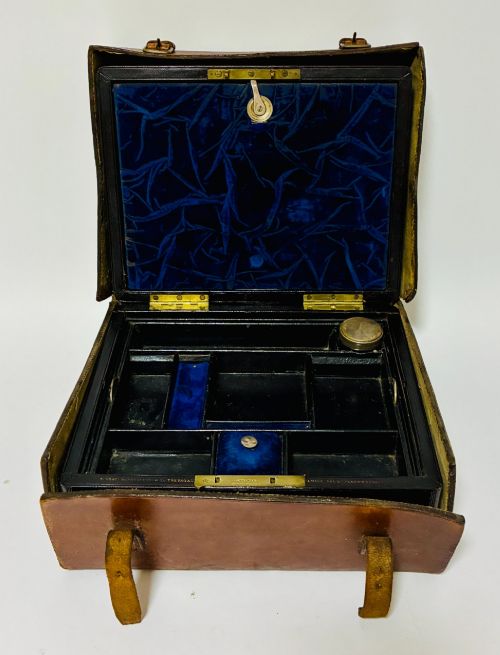
Surface decoration involves meticulous techniques including metal engraving, inlay work, mother-of-pearl placement, leather wrapping, and pietra dura mounting. Interiors typically feature fitted trays and linings of velvet or silk to protect delicate contents from friction.
Retail Price Guide 2026
Typical UK retail prices for brass jewellery box, calculated from the Sellingantiques database of over a million retail prices indexed since 2003. This retail price guide relies exclusively on Sellingantiques data; no external sources or auction records are used, so the figures do not describe the wider market.
Miniature apprentice chests double as desktop jewellery boxes, proving that great things sometimes arrive in pocket-sized packaging.
Craftsmanship and distinction
Quality also shows in the internal mechanics and lining integrity, where original velvet or fitted trays remain intact alongside smooth-operating hinges and functional locks. Lesser examples exhibit loose metal mounts, replacement linings, or plain secondary woods lacking decorative ambition.
Erhard and Sohne
The Brass Jewellery Box Glossary
- Ormolu
- Gilded bronze or brass mounts applied to furniture and decorative boxes for ornamental effect. This technique creates bright metallic highlights against dark timber surfaces.
- Campaign box
- A portable container constructed for travel with recessed brass handles and corner brackets for protection. These pieces use robust timbers like teak or mahogany.
- Pietra dura
- An artistic technique using cut and fitted polished coloured stones to create inlaid images. It appears on the lids of high-end nineteenth-century caskets.
- Jugendstil
- The continental German-language variant of Art Nouveau popular around nineteen hundred. This style emphasises flowing organic lines and stylised floral motifs in metalwork.
- Coromandel
- A dense, heavy tropical hardwood featuring dark brown colouring with dramatic black grain streaks. Cabinetmakers value it for luxury nineteenth-century boxes.
Frequently Asked Questions
What are brass jewellery boxes made from?
These pieces combine metal frameworks and mounts with various dense timbers including walnut, mahogany, rosewood, and teak. Additional elements like glass, leather, ceramic, and hardstone appear frequently.
Interiors incorporate soft linings such as velvet or silk alongside fitted wooden compartments designed to organise small accessories.
How do I date a Victorian brass jewellery box?
Dating relies on construction methods, timber choices, and prevailing decorative styles of the nineteenth century. Early examples often feature heavy brass banding and rosewood, while later items incorporate different motifs.
Maker marks, lock types, and specific mounting styles help narrow the production period within the Victorian timeframe.
What is a campaign jewellery box?
Campaign boxes were built for travel by officers and administrators requiring durable storage on the move. They utilise sturdy woods like teak and mahogany fitted with flush brass corners and recessed handles.
This design protects the corners from impact during transit while maintaining a clean rectangular exterior profile.
How should I clean a vintage brass box?
Careful dusting with a soft cloth preserves the original patina on both the metal mounts and the timber surfaces. Avoid harsh chemical polishes that strip aged character from the brass.
Keep wooden and velvet elements away from excessive moisture and direct sunlight to prevent warping and fading.