
Brass Inlay Occasional Table
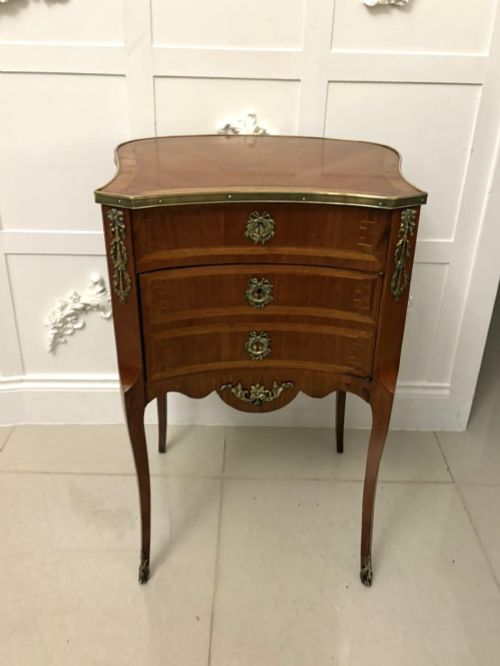
A brass inlay occasional table brings warmth and fine detail to a room, offering surface space with distinct character.
Brass Inlay Occasional Table
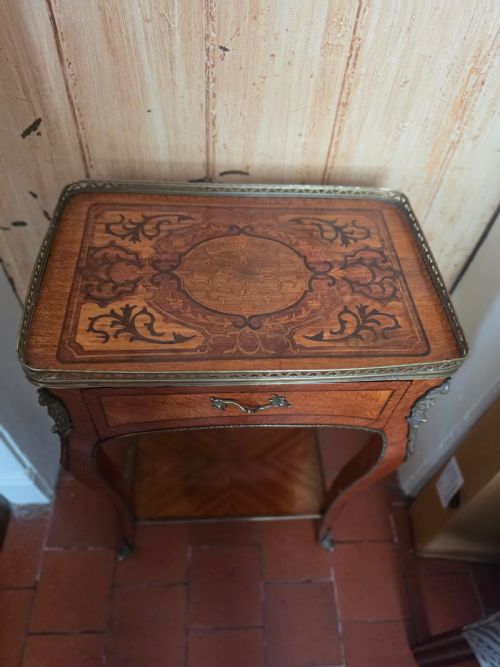
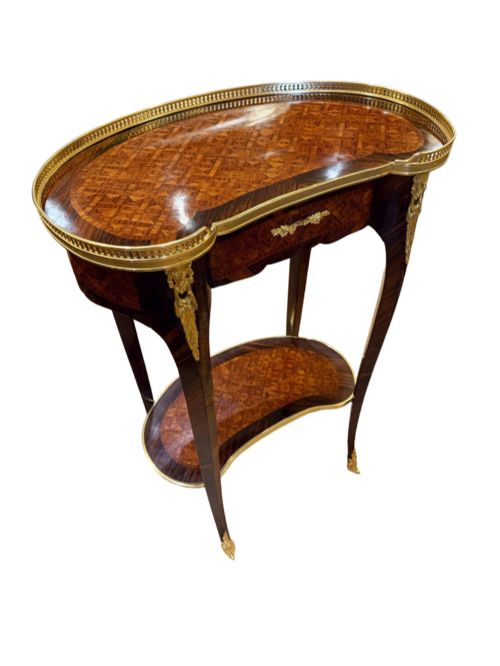
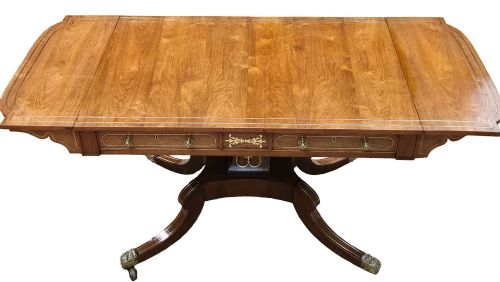
A brass inlay occasional table combines useful surface area with decorative metalwork set directly into timber. When you search for this phrase, you encounter forms ranging from compact lamp tables to larger centre tables.
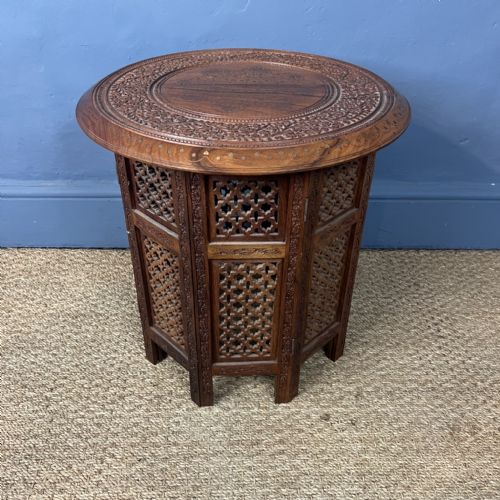
The selections span the nineteenth century, the Regency period, and the Edwardian era, alongside later Indian and Cairoware examples. Rosewood, mahogany, and walnut appear frequently as the primary woods for these surfaces.
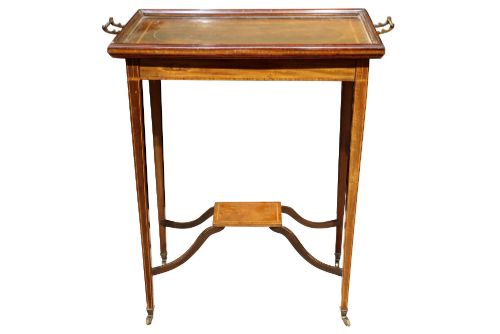
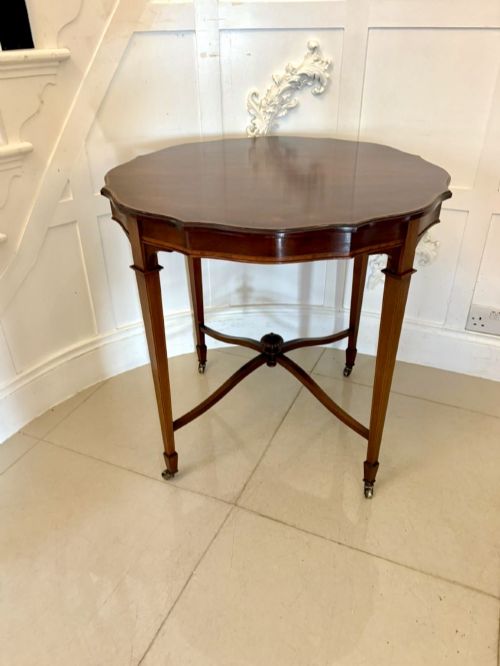
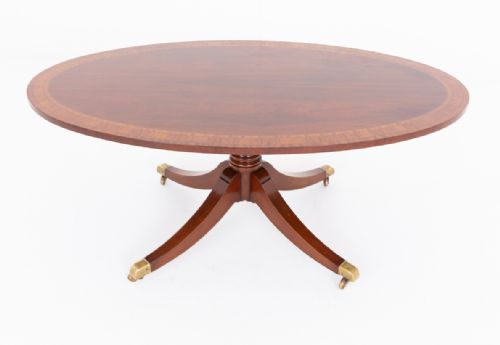
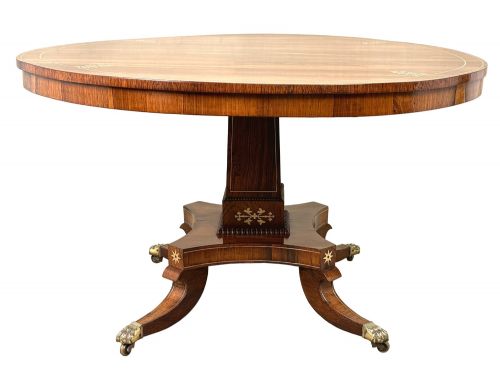
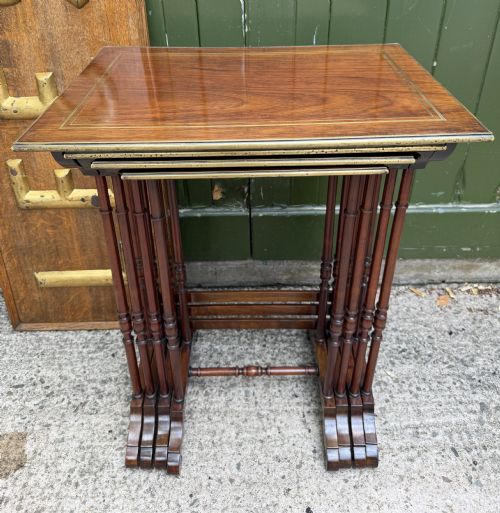
You meet circular centre tables, nesting sets, and tray top designs among the current offerings. Each version serves a practical function while displaying the contrasting glint of brass against dark or polished timber.
Materials and Construction
Cabinet makers set brass stringing, wire, or sheet brass into hand-cut channels within hardwoods like rosewood, mahogany, and satinwood. This metalwork often traces geometric borders or complex floral motifs across the timber top.
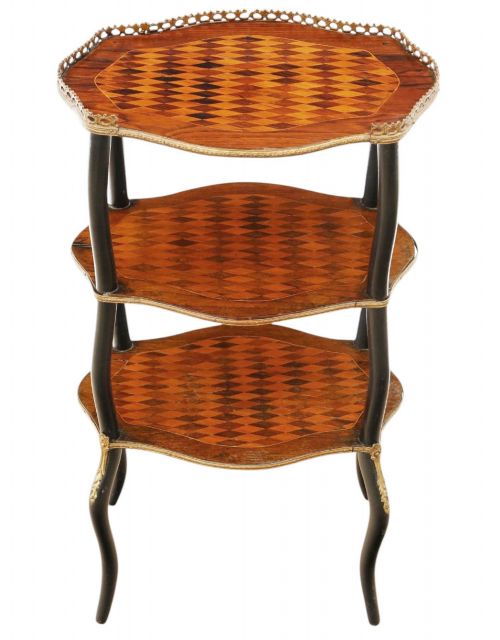
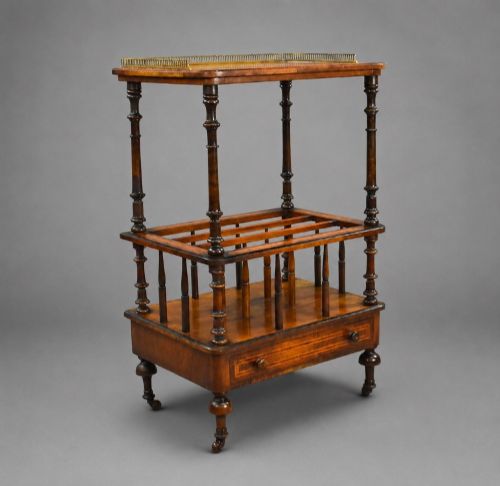
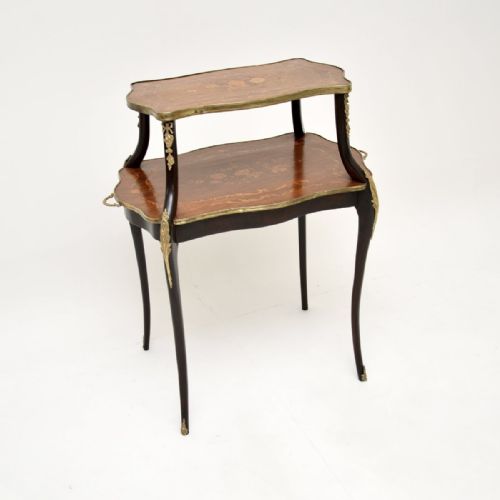
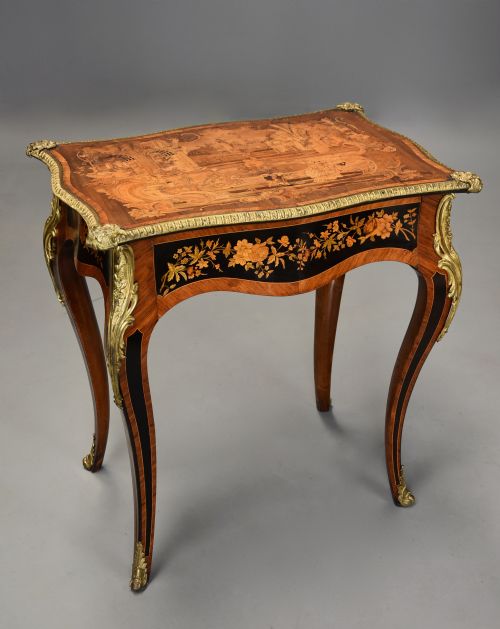
Secondary timbers support the primary surfaces, while turned pedestals, saber legs, or multi-tiered structures provide stability. Certain pieces incorporate ormolu mounts, parquetry, or contrasting exotic woods alongside the brass elements.
Some tables double as chess boards or Quran stands, proving that past owners liked their furniture to multitask.
Evaluating Craftsmanship
The precision of the metal inlay dictates much of the visual success of the piece, showing tight joints where brass meets wood without excessive filler. Clean lines in the brass stringing and sharply defined marquetry separate finer workshops from standard production.
Timber selection and secondary framing determine structural longevity, with dense grain and stable joints preventing warping over decades of use. The execution of the turning on legs and the crispness of any cast mounts reveal the skill invested in the manufacture.
The Brass Inlay Occasional Table Glossary
- Brass stringing
- Thin strips of brass embedded into grooves in the wood surface to create linear patterns. This technique defines many Regency designs.
- Etagere
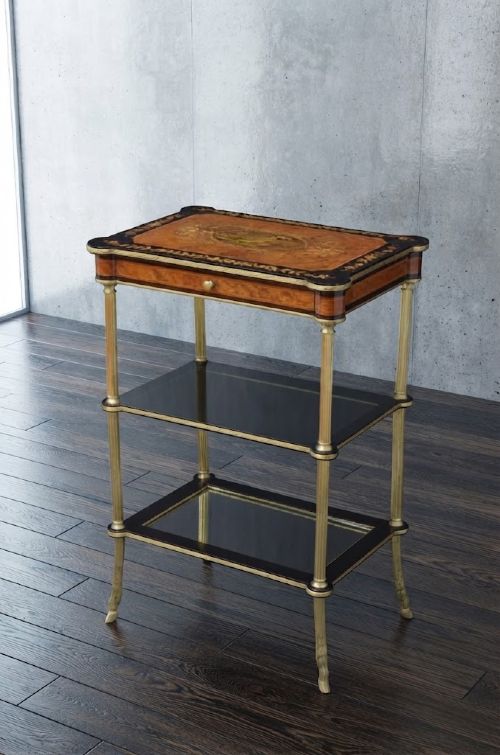
- A set of open display shelves supported by columns or slender legs. These tiers provide multiple levels for small objects or lamps.
- Marquetry inlay
- Decorative patterns formed by fitting small pieces of varied veneers into a prepared background. It often combines with metal details on tabletop surfaces.
- Cairoware
- Brass objects featuring intricate white-metal and copper inlays originating from Egypt and the Middle East around the early twentieth century. These pieces frequently take hexagonal or octagonal forms.
- Quartetto tables
- A set of four graduating nesting tables designed to slide neatly beneath one another. They appear in rosewood with brass line decoration during the Regency period.
Brass Inlay Occasional Table: Frequently Asked Questions
What rooms suit a brass inlay occasional table?
These tables function well beside a sofa or armchair to hold lighting, books, or small decorative items. Their reflective metal details add visual interest to dark corners or seating areas.
Compact forms fit easily into smaller spaces without dominating the room, while larger centre tables anchor a seating arrangement.
How do I care for the brass inlay?
Dust the surface regularly with a soft, dry cloth to prevent dirt from settling around the metal channels. Avoid harsh chemical polishes that might stain the surrounding timber or loosen the inlay.
Maintain stable humidity levels in the room to stop the wood from expanding or contracting, which can cause brass strips to lift from their grooves.
How can I distinguish Regency pieces?
Regency examples often utilise dark rosewood contrasted with fine brass stringing or geometric brass motifs. The forms tend to feature bold pedestals, sabre legs, or brass toe castors.
Construction details, such as hand-cut dovetails on drawers and traditional timber shrinkage, help confirm the nineteenth-century origin.
What is the difference between Cairoware and Regency tables?
Cairoware tables typically feature heavy brass construction with dense silver, copper, and white-metal inlays in geometric or calligraphic patterns. They often take octagonal or hexagonal shapes reflecting Middle Eastern traditions.
Regency tables rely primarily on timber surfaces like rosewood or mahogany ornamented with linear brass stringing within European furniture forms.