
Antique Indian Rosewood Table
An antique Indian rosewood table brings dense tropical timber and intricate carving into a room, offering a functional surface steeped in colonial history.
Antique Indian Rosewood Table
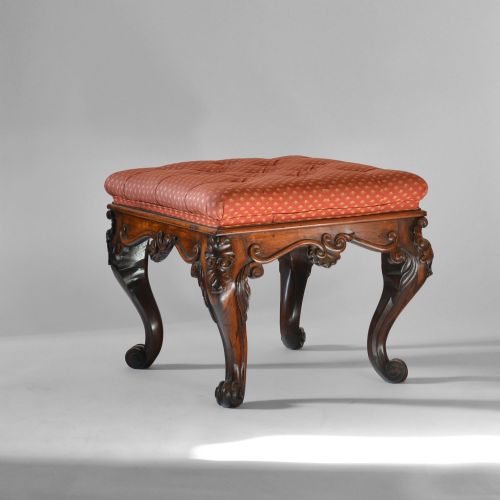
When searching for an antique Indian rosewood table, a buyer encounters pieces primarily spanning the nineteenth century, often classified under Anglo-Indian or Victorian styles. These surfaces range from compact occasional and side tables to grander centre and console forms, reflecting the rich trade and furniture production of the period.
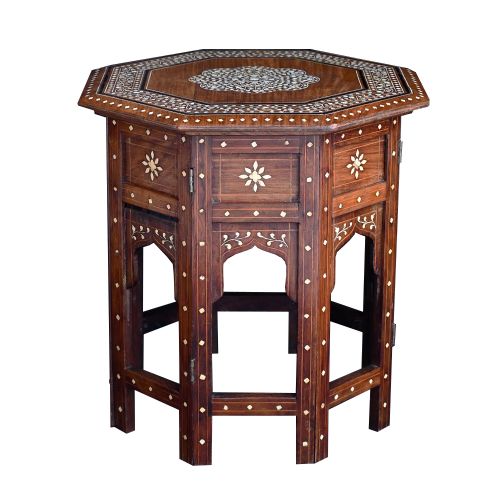
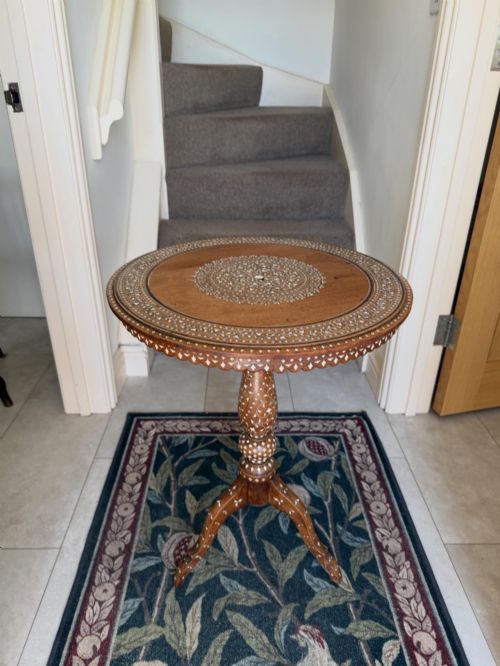
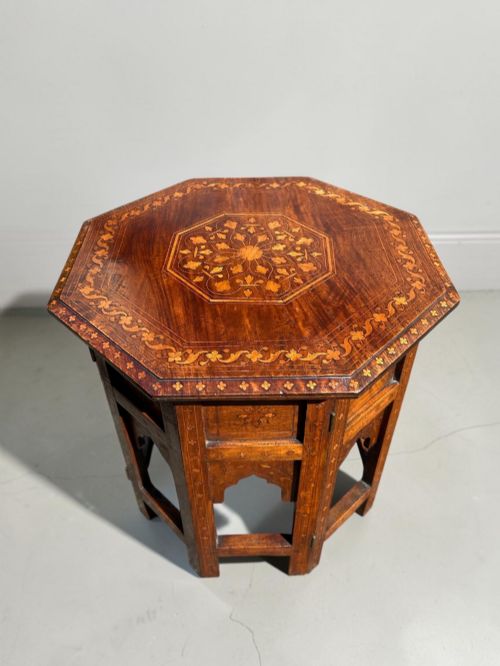
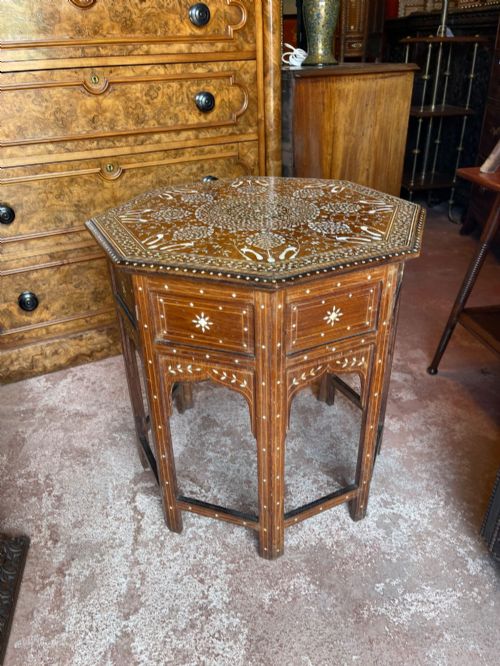
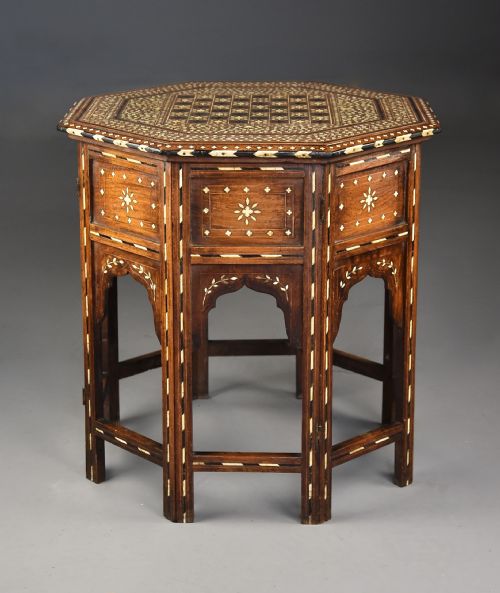
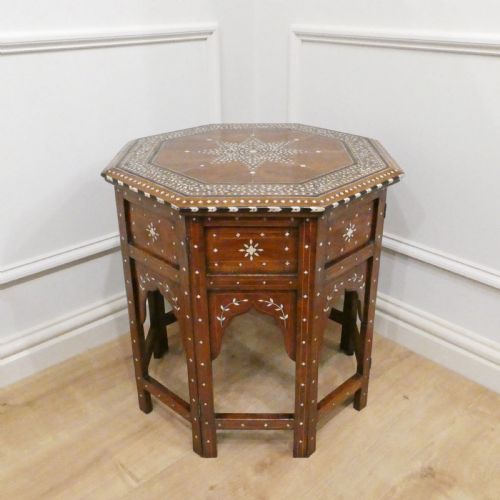
The octagonal Hoshiarpur table stands out as the most common variant on this page, alongside square, circular, and tilt-top designs. Makers utilised rich dark timbers, creating versatile pieces originally designed for colonial drawing rooms and studies.
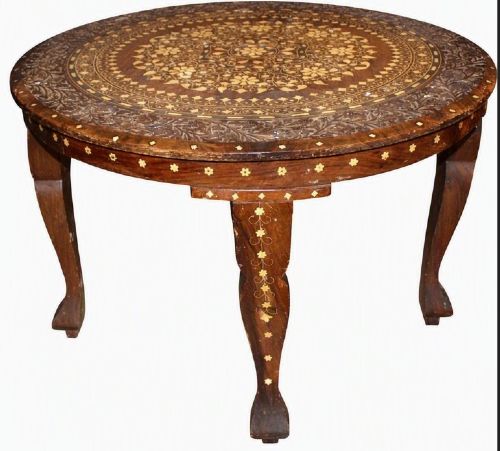
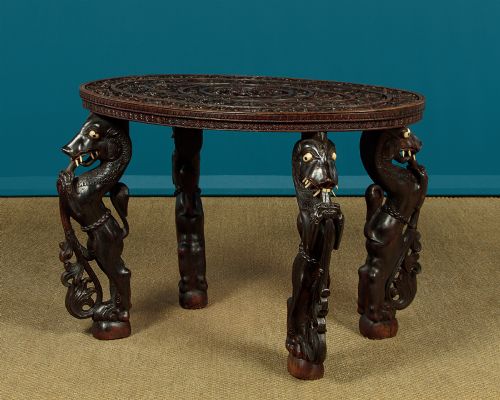
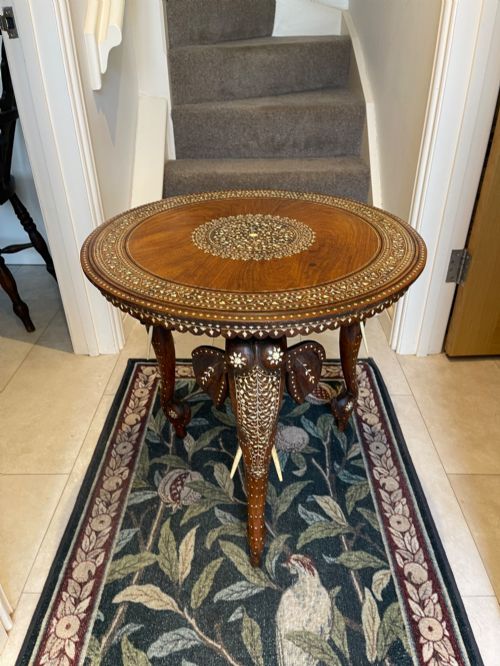
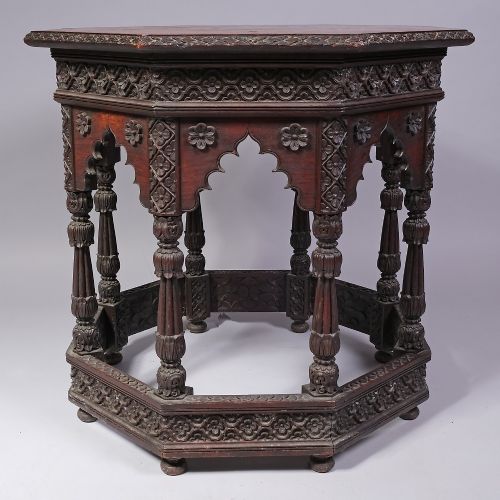
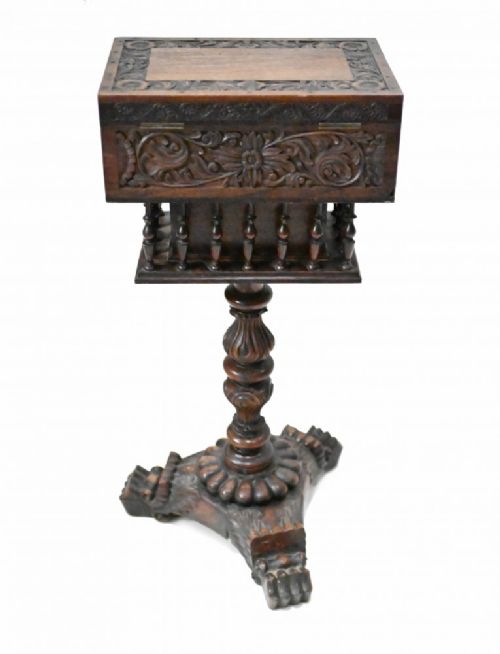
Beyond standard tables, the selection includes specialised forms such as chess top tables, teapoys, and elephant-leg side tables. These domestic items display regional carving traditions that adapted traditional Indian motifs to British interior tastes of the eighteen-eighties and eighteen-nineties.
Materials and construction techniques
Makers constructed these pieces primarily from solid rosewood, padouk, teak, and other dense Indian hardwoods. These timbers provided a stable, heavy base capable of supporting deep, intricate relief carving without splitting or warping over time.
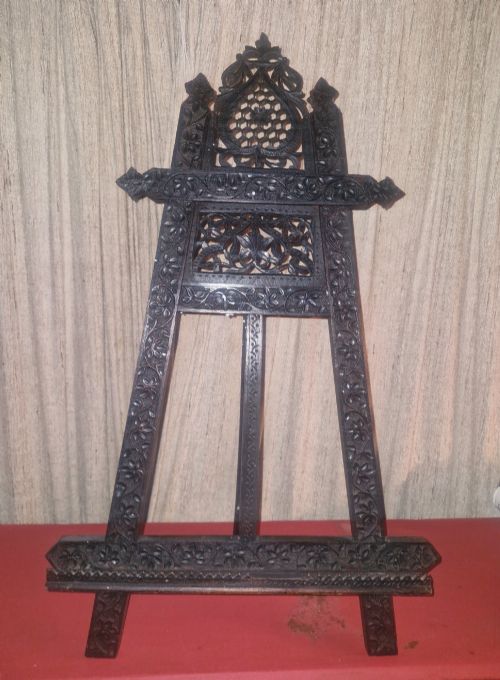
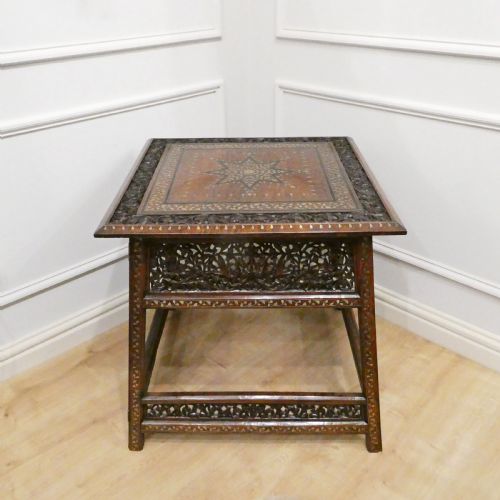
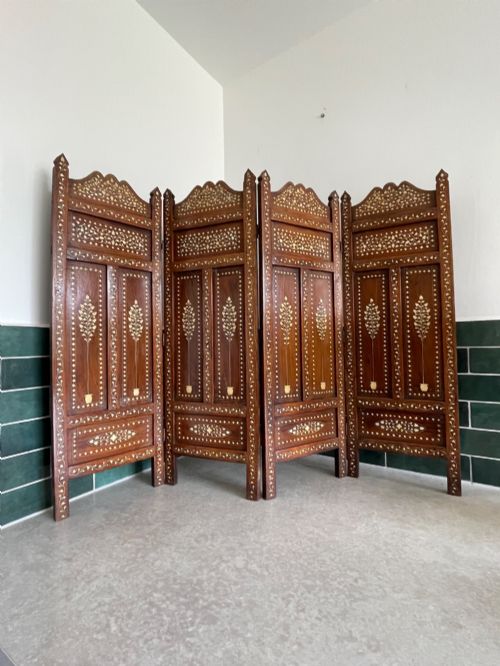
Many surfaces feature elaborate geometric or pictorial inlay work utilising bone, brass, mother of pearl, and ebony. Artisans meticulously hand-carved foliage, leaf motifs, and figurative elements such as peacocks and elephants directly into the structural wood.
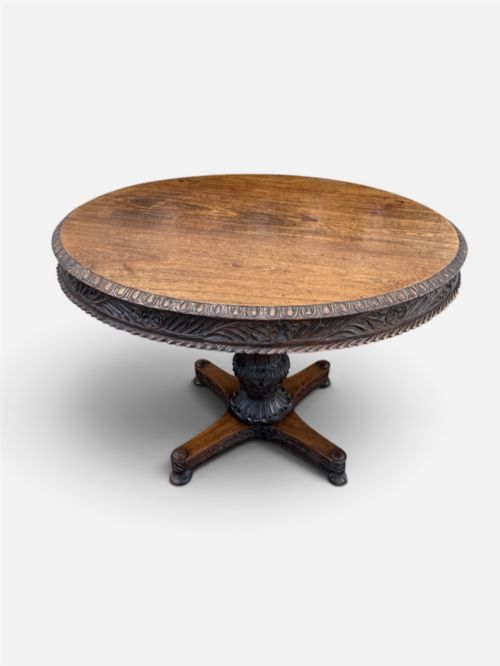
Construction methods combined traditional Indian joinery with forms suited to European domestic life, including pedestal bases, tripod supports, and folding octagonal frames. Surface finishes relied on natural oils and polishes to highlight the varied grain patterns of the dark tropical hardwoods.
Listings feature items dated across the nineteenth century, including specific years such as eighteen-eighty, eighteen-ninety, and nineteen-hundred.
Factors distinguishing quality across the range
The fineness of the hand-carving defines the upper tier of these pieces. Superior examples exhibit deep, crisp undercut foliage and sharp anatomical detail on figural supports, whereas lesser pieces display shallow, mechanical, or hastily executed incisions.
The integrity and complexity of the inlay work dictate value. High-quality items retain complete brass, bone, or mother-of-pearl patterns secured tightly into the wood channels, whereas lower-quality variants show missing tesserae or simple surface etching.
Timber selection and structural proportion also separate ordinary items from exceptional ones. Solid rosewood frames with balanced proportions and tightly fitted joints demonstrate superior cabinet-making compared to heavier, clumsier constructions utilising mixed secondary hardwoods.
The Antique Indian Rosewood Table Glossary
- Anglo-Indian
- A term describing furniture made in India by local craftsmen for British colonial residents, combining British furniture forms with Indian decorative motifs.
- Hoshiarpur
- A town in Punjab renowned for intricate woodwork, specifically tables and screens featuring dense bone and brass inlay set into dark timber.
- Teapoy
- A small occasional table designed originally for holding tea equipment, typically featuring a lidded compartment or a raised rim.
- Pedestal table
- A table supported by a single central column rising from a tripod or platform base.
- Padouk
- A heavy, durable reddish-brown tropical hardwood utilised in colonial furniture making for its strength and rich natural colour.
- Tilt-top
- A tabletop hinged to its pedestal so it can be pivoted vertically to save space when not in use.
Antique Indian Rosewood Table: Frequently Asked Questions
What is a Hoshiarpur table?
A Hoshiarpur table is a distinctive octagonal or square folding table originating from the Punjab region of India. These pieces are characterised by dense surface carving and intricate brass or bone inlay.
Craftsmen produced them in large numbers during the late nineteenth century for export to British homes. They fold flat on an interlocking base system, making them both decorative and practical for modern spaces.
How do I care for rosewood?
Rosewood requires stable humidity and minimal exposure to direct sunlight to prevent the dense timber from drying out or fading. Dust the carved recesses regularly with a soft, dry brush.
Avoid applying modern silicone polishes or heavy waxes that build up in the intricate carved grooves. An occasional application of neutral furniture wax helps maintain the natural sheen of the wood.
Where were these tables made?
These tables were manufactured in various workshops across the Indian subcontinent during the British colonial period. Major production centres included Hoshiarpur in the north and regional workshops in Bengal and Bombay.
Local artisans combined traditional indigenous woodworking techniques with furniture shapes requested by British officials and merchants. The resulting pieces were then shipped to Britain for domestic use.
Are all these tables solid rosewood?
While the listings feature solid rosewood items, many examples incorporate related dense tropical hardwoods such as teak or padouk. Cabinetmakers often selected these alternative timbers for their weight and stability.
Inlay elements also introduce contrasting materials like bone, brass, and ebony into the construction. Inspecting the underside and grain helps identify the primary timber used in each individual piece.
How do I date an antique Indian table?
Dating relies on examining the construction methods, the style of the carving, and the specific materials used in the inlay work. Pieces from the early nineteenth century often feature simpler, heavier classical forms.
By the eighteen-eighties and nineties, production shifted towards highly ornate, folding Hoshiarpur tables covered in complex geometric patterns. Documentation or family provenance can also assist in establishing a precise decade of origin.