
Brass Horology Clock
A brass horology clock brings mechanical precision and warm metalwork into a room, spanning centuries of British and continental design.
Brass Horology Clock
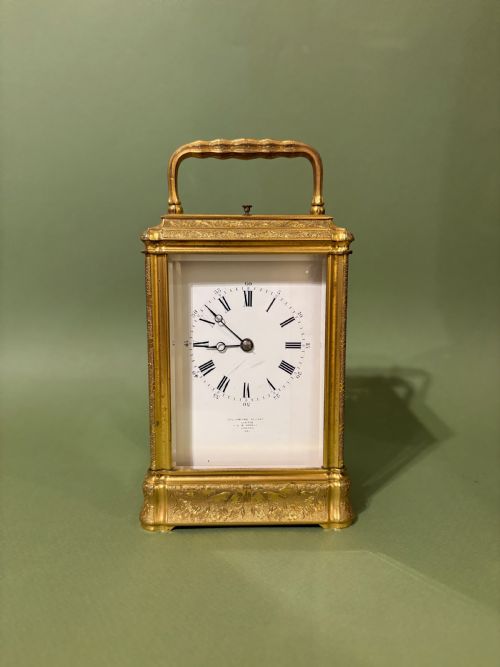
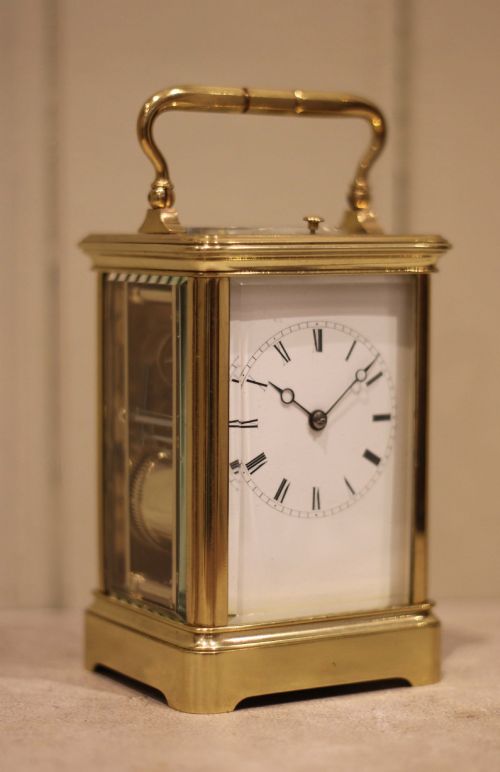
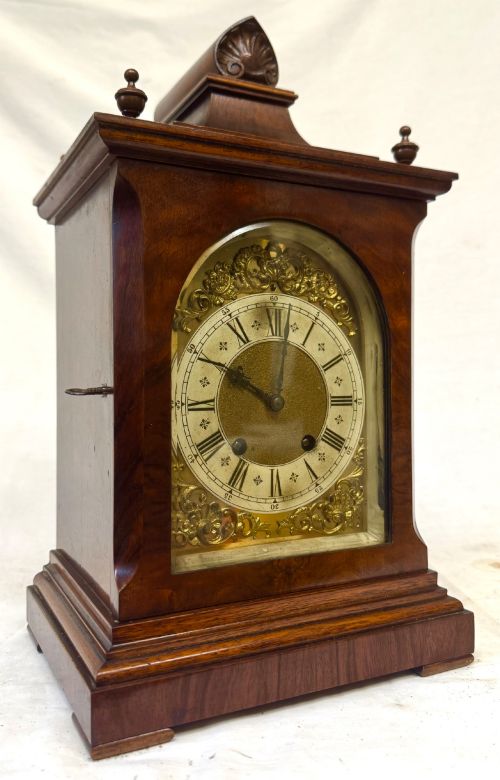
A brass horology clock encompasses everything from freestanding longcase clocks and bracket clocks to portable carriage clocks and wall dials. When searching for this phrase, buyers encounter diverse forms shaped by Georgian, Victorian, and Edwardian makers.
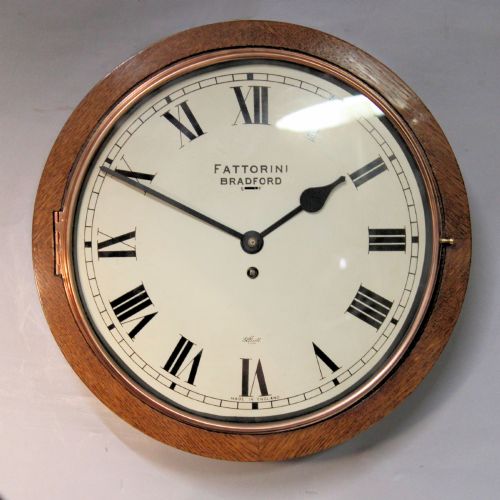
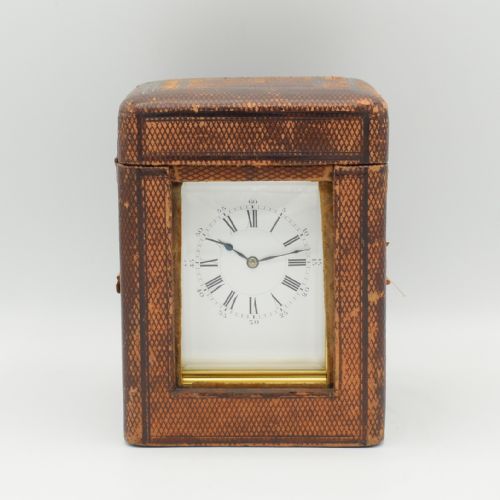
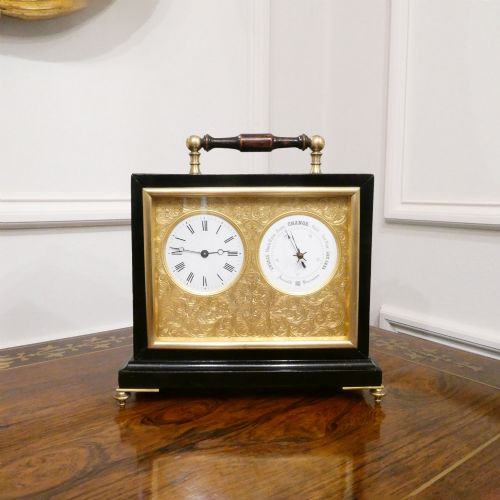
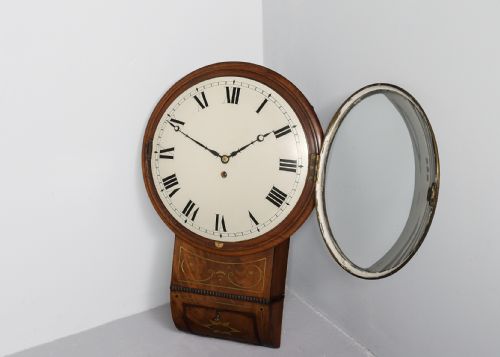
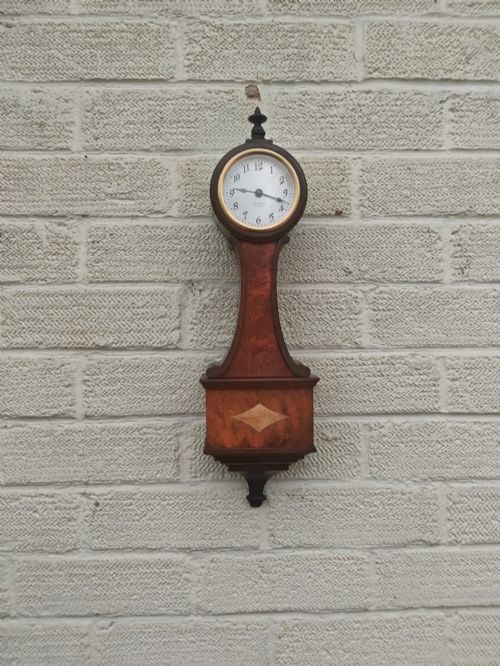
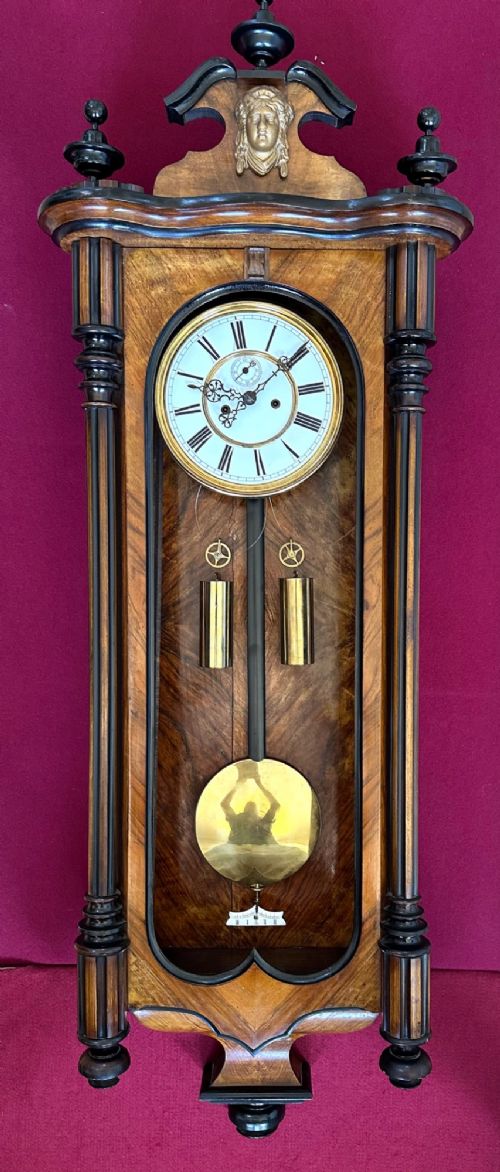
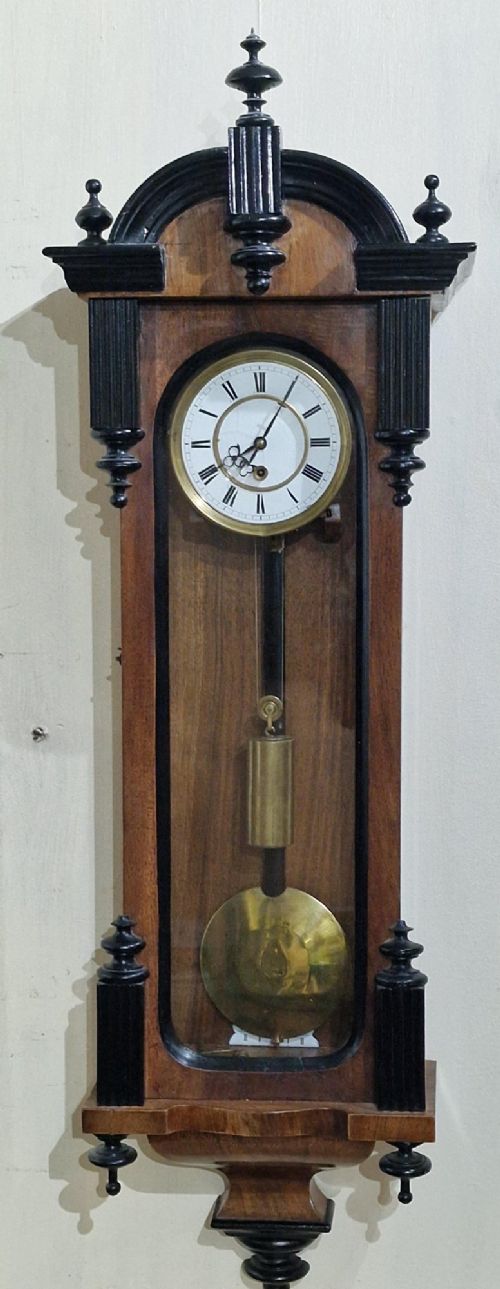
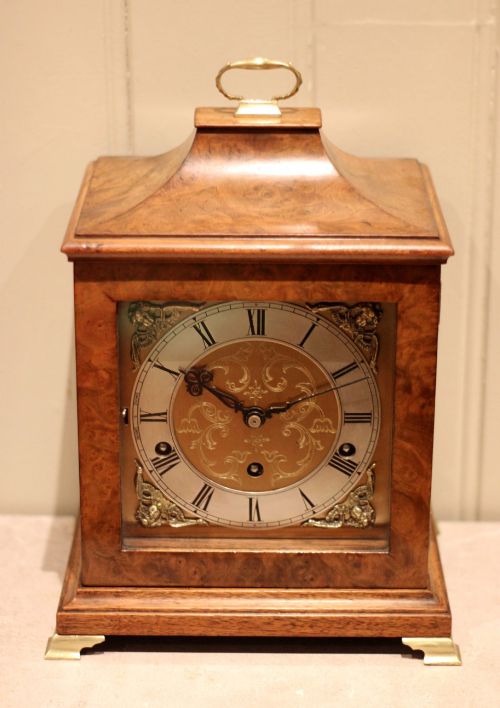
Carriage clocks and wall dials dominate the selections seen here, alongside grander grandfather and skeleton clocks. These pieces combine brass mechanisms and dials with timber cases in mahogany, oak, and walnut.
How they were made
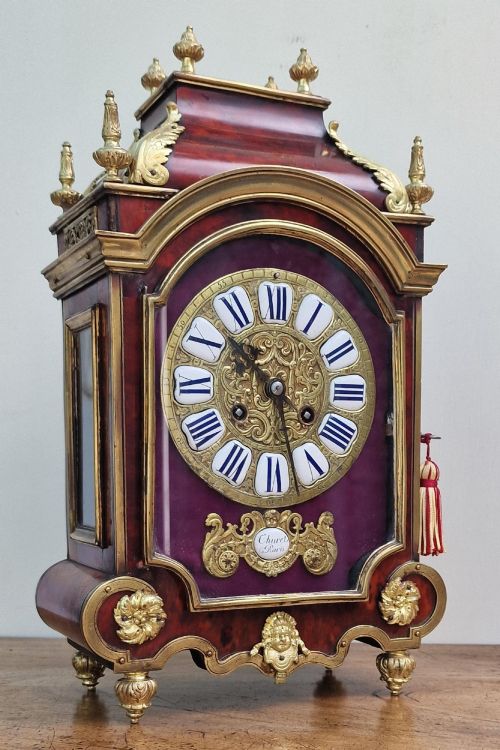
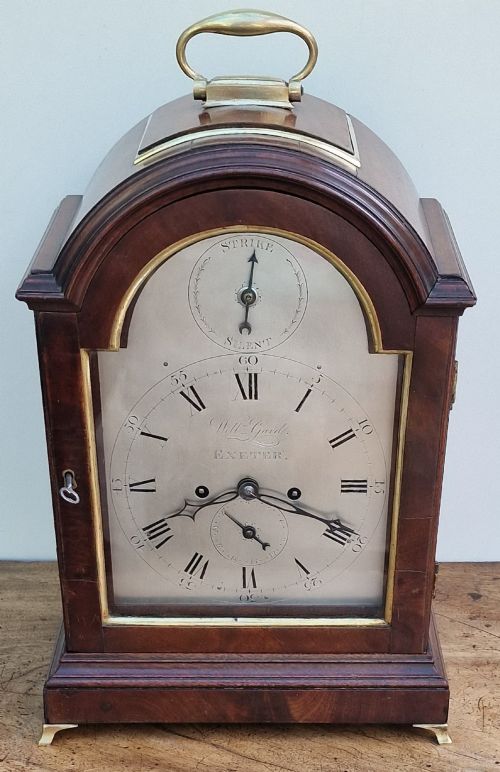
Horologists utilised heavy brass for movements, bezels, and dials, often pairing the metal with glass panels to reveal the gear train inside. Cases rely on timber construction using oak, mahogany, walnut, and ebonised wood, sometimes decorated with brass inlay or tortoiseshell.
Movements incorporate steel components and enamel dials, driven by weights, springs, or fusee mechanisms to maintain steady timekeeping.
Some carriage clocks travelled across continents in fitted leather cases, keeping time through bumpy stagecoach journeys.
What varies in quality
Quality rests upon the refinement of the movement and the integrity of the case construction. Finer examples display signed plates, intricate escapements, and precise engineering that ensures reliable striking and chiming.
The choice of timber and the crispness of brass casting distinguish standard production from exceptional workshop output. Makers sign dials and backplates to record their adherence to high standards.
Henri Jacot·Elliott·Lenzkirch·Seth Thomas·Thuret Paris·William Gard·Mappin And Webb·Barnard·Howell And James·T Martin And Co·John Spershott·C Detouche Paris·Zenith·L Vick Of Stroud
The Brass Horology Clock Glossary
- Fusee
- A conical pulley used in spring-driven clocks to maintain equal force on the gear train as the mainspring unwinds. This mechanism improves timekeeping accuracy across the power reserve.
- Escapement
- The mechanical linkage that controls the release of power to regulate the movement. Common variations include lever platforms and anchor setups.
- Carriage clock
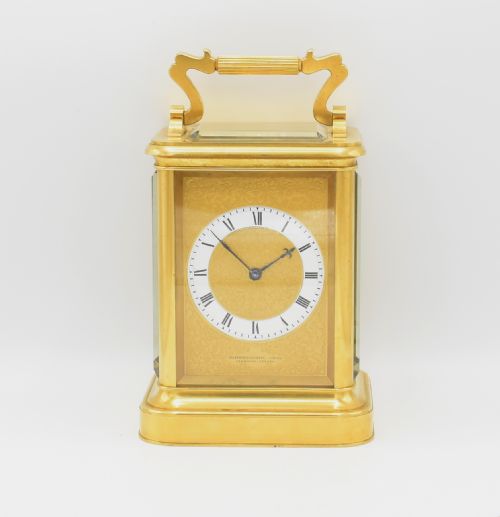
- A portable timekeeper designed for travel, typically fitted with a brass gorge case and glass panels. Many include striking and repeating complications.
- Longcase clock
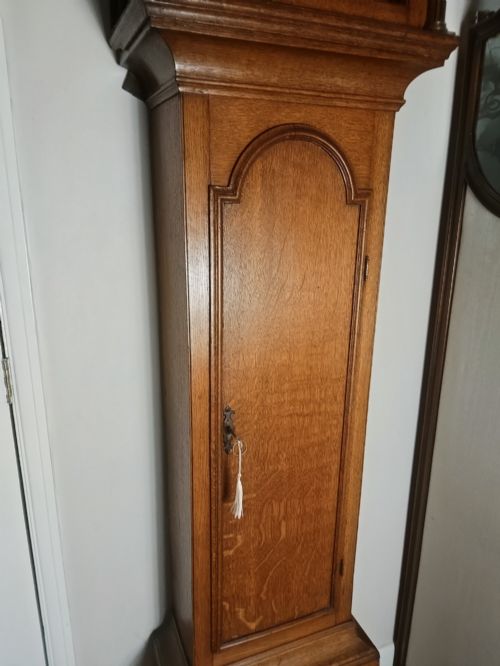
- A tall floor-standing timepiece, also known as a grandfather clock, housing a weighted movement within an oak or mahogany case.
- Skeleton clock
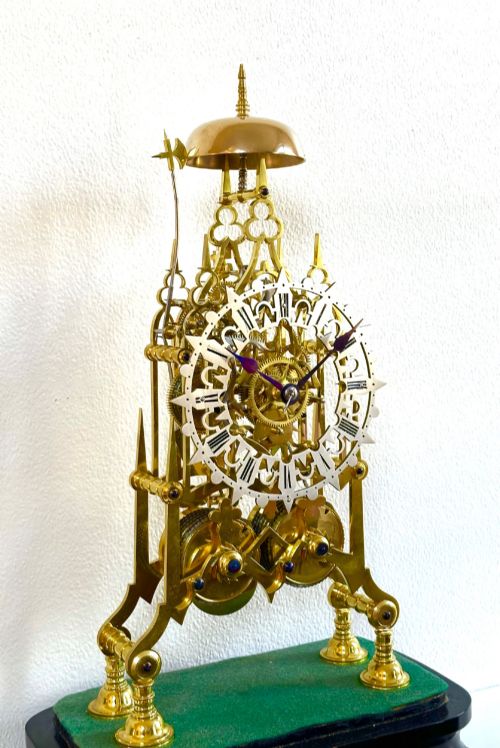
- A timepiece with an exposed brass movement mounted on a plinth, allowing observers to watch the gear train directly.
Brass Horology Clock: Frequently Asked Questions
What is a brass horology clock?
A brass horology clock is a timekeeping device featuring exposed or housed brass components, dials, and bezels. These range from small carriage clocks to large wall dials and longcase clocks.
They represent centuries of mechanical ingenuity, combining functional engineering with decorative timber or brass cases.
Where should I place a wall clock?
Wall clocks require a sturdy fixing directly into a stud or masonry wall to support their weight and keep the pendulum level. Avoid hanging them in damp areas or rooms with heavy temperature fluctuations.
Ensure the wall is flat so the case hangs plumb and the beat remains even.
How do I tell periods apart?
Periods reveal themselves through case architecture, dial design, and wood selection. Georgian clocks often feature heavy oak or mahogany longcases and brass dial plates.
Victorian and Edwardian examples introduce refined carriage clocks, skeleton movements, and varied wood finishes like burr walnut.