
Brass Handle Storage Chest
A brass handle storage chest brings functional timber storage into a room with the crisp gleam of metalwork.
Brass Handle Storage Chest
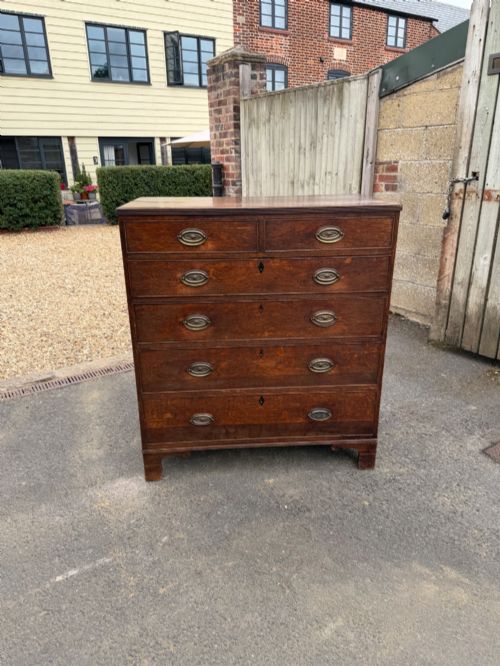
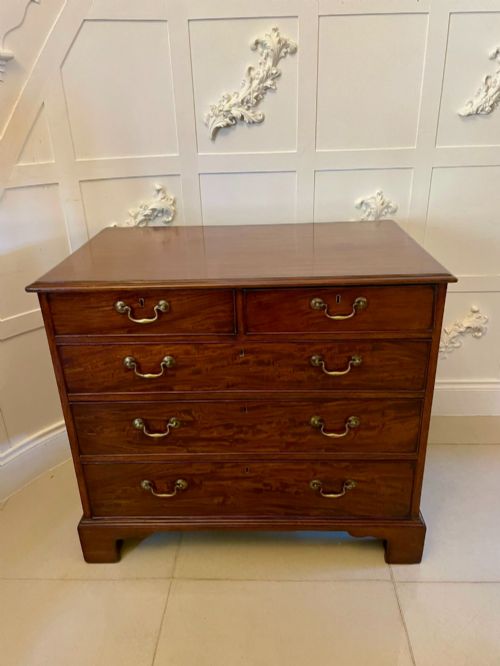
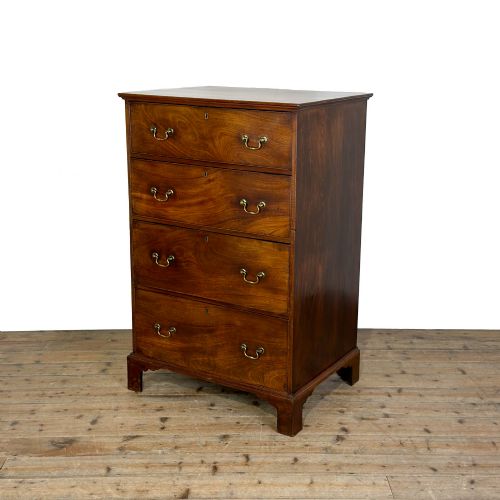
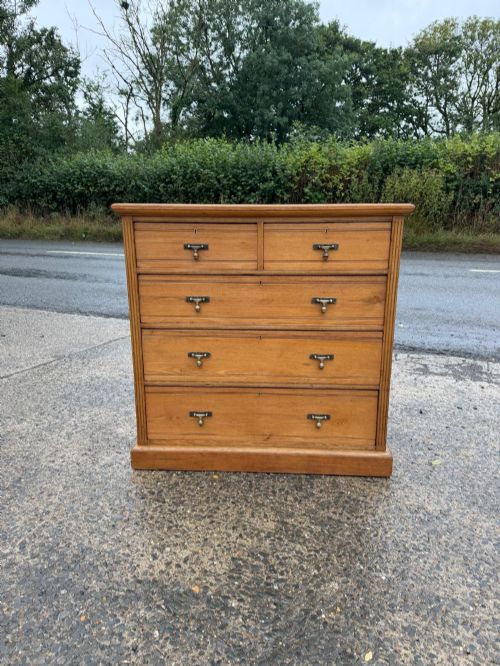
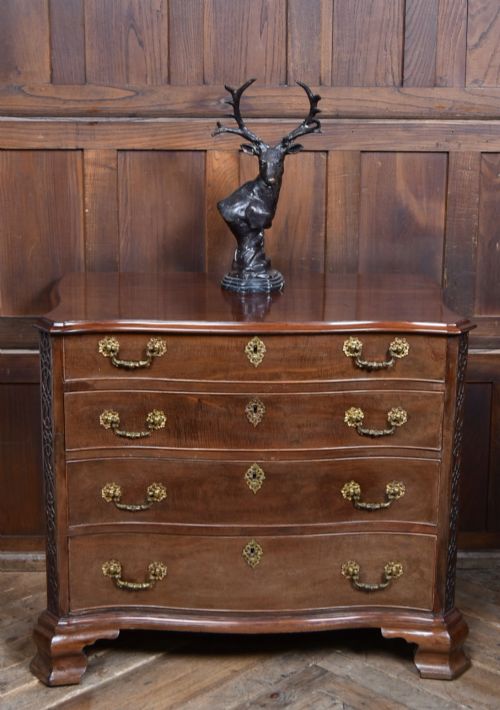
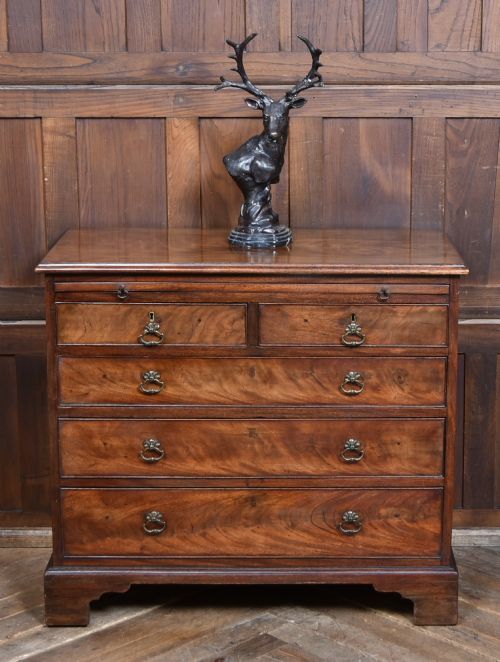
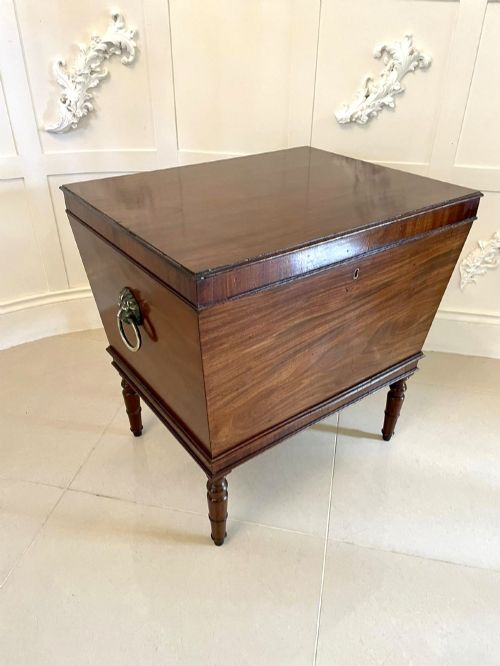
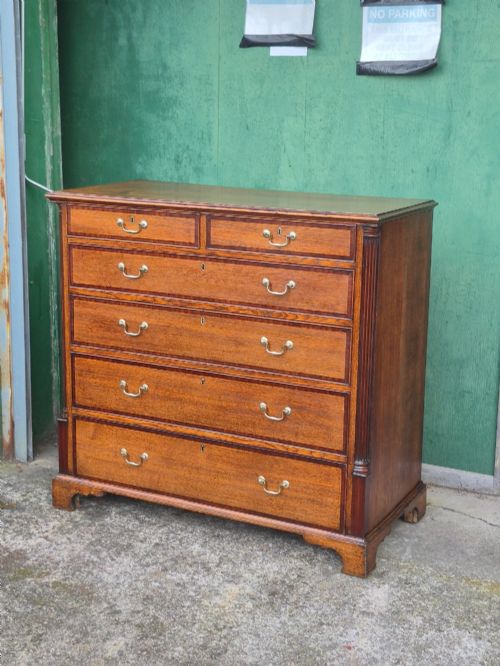
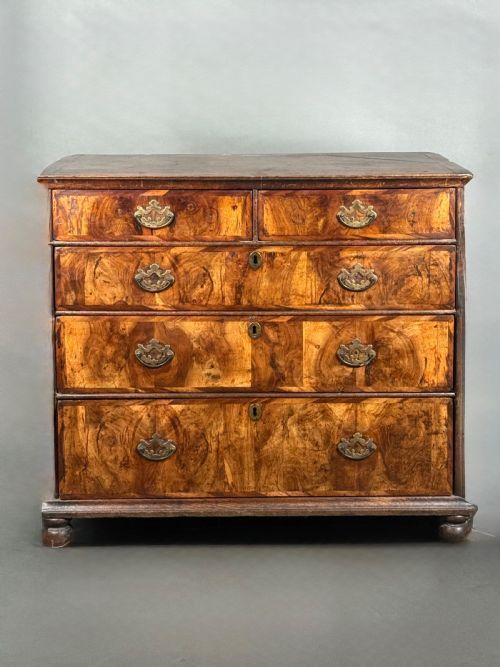
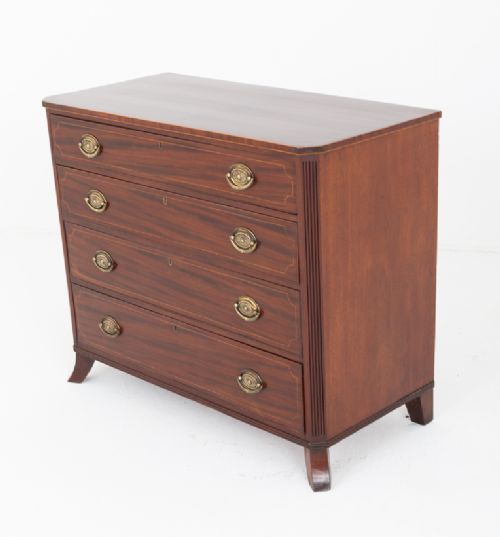
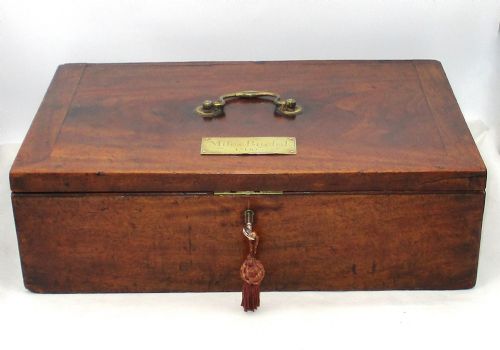
A brass handle storage chest covers a diverse range of timber storage forms, from formal Georgian mahogany chests of drawers to sturdy 17th-century oak mule chests and compact document boxes.
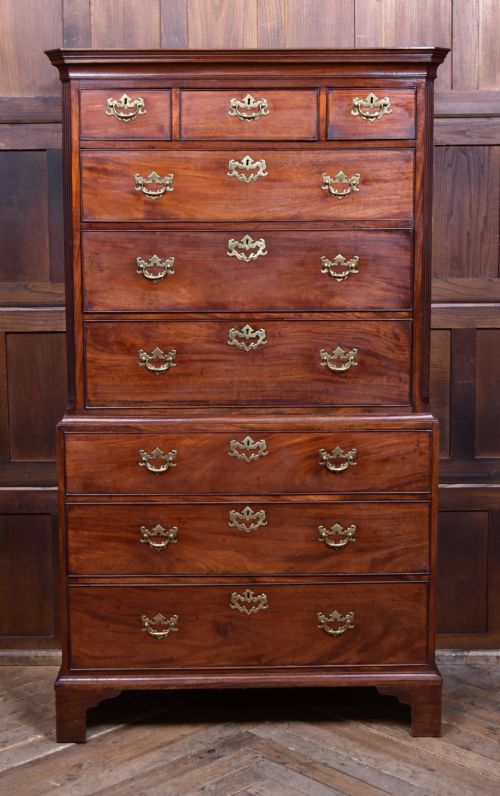
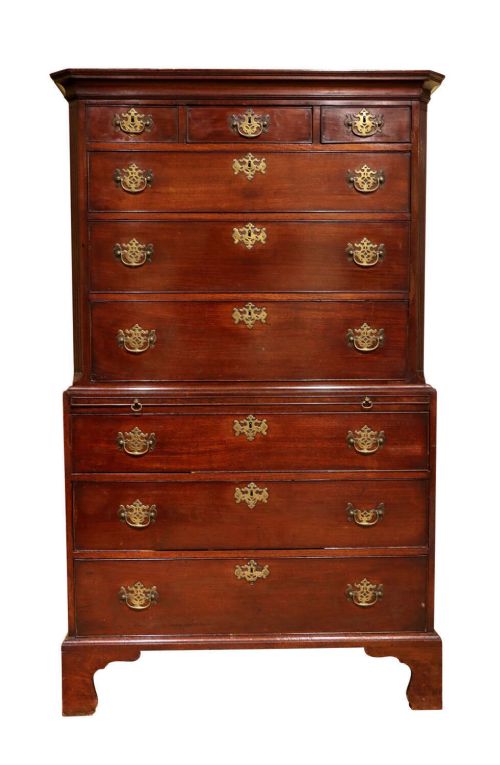
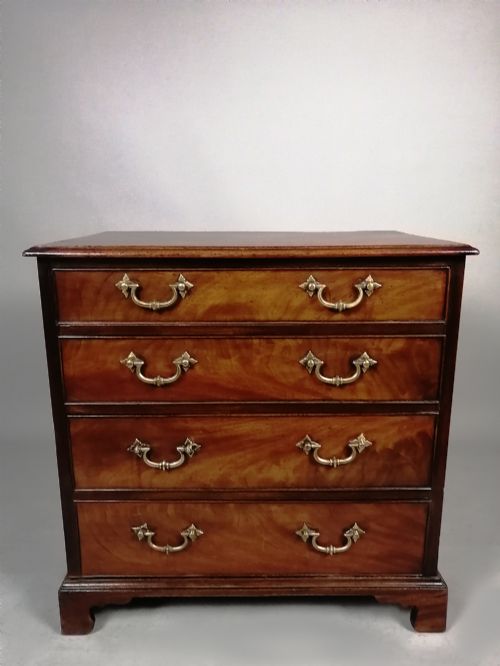
The version most commonly encountered on this page is the chest of drawers in mahogany, oak, or walnut, spanning periods from the 17th century through the Georgian and Regency eras into the Edwardian period.
These pieces served primary storage functions in domestic interiors, utilising brass drop handles, backplates, and carrying mounts to facilitate movement and daily use.
Materials and construction
Cabinet makers utilised primary hardwoods such as mahogany, oak, and walnut, frequently incorporating figured veneers, satinwood banding, and crossbanded details across the top and drawer fronts.
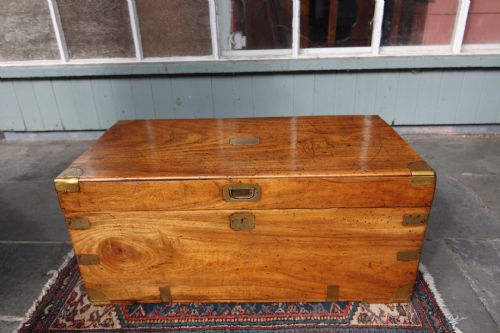
Metalwork played a central structural and decorative role, employing cast brass handles, escutcheons, and occasionally military-style recessed brass mounts fixed with pins or screws.
Drawer construction relied on traditional hand-cut dovetails and solid secondary timbers, paired with panelled carcases built to withstand heavy domestic storage over centuries.
Some chests hid their treasures behind military flush brass handles designed to stop officers knocking their shins while storming across the sea.
Quality variations
The standard of a brass handle storage chest depends heavily on the selection of timber, such as highly figured walnut, flame mahogany, or golden oak, matched symmetrically across the facade.
Casting quality and originality in the brass hardware separate superior pieces from later replacements, alongside crispness in drawer dovetailing and timber thickness.
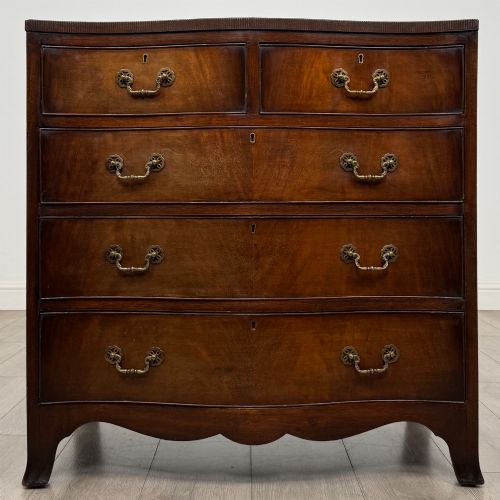
Proportion and restraint in decorative elements, such as subtle satinwood banding or clean bow-front contours, distinguish exceptional cabinet work from plain vernacular production.
J Moorcroft·Jas Shoolbred
The Brass Handle Storage Chest Glossary
- Bow front
- A convex curved cabinet front popular during the Georgian and Regency periods. It softens the room profile while maximising internal storage capacity.
- Crossbanding
- A narrow strip of veneer laid perpendicular to the grain of the primary surface. It frames the drawer fronts or top borders of better pieces.
- Mule chest
- A traditional storage chest fitted with one or two drawers beneath the main lift-top compartment. It bridges the transition between trunk storage and drawer units.
- Caddy top
- A raised, moulded chest top resembling the lid of a tea caddy. This profile appears frequently on smaller 18th-century and Regency case pieces.
- Escutcheon
- A protective brass plate surrounding the keyhole. It prevents timber wear from repeated key usage and often matches the design of the drawer handles.
Brass Handle Storage Chest: Frequently Asked Questions
How do I date a brass handle storage chest?
Dating relies on examining timber species, construction methods, and hardware styles. Early pieces utilise solid oak with hand-cut joinery, whilst Georgian and Regency examples often feature mahogany or walnut with specific dovetail patterns.
Hardware provides another vital clue, as backplates, drop handles, and cast brass mounts evolved significantly in thickness and design between the 17th and 20th centuries.
Where were these storage chests used in the home?
These chests functioned primarily in bedrooms, dressing rooms, and hallways for storing garments, linens, and personal documents. Smaller document boxes and caddies sat atop tables or desks for secure paperwork organisation.
Larger mule chests and multi-drawer cabinets provided substantial heavy storage in principal chambers or hallways before fitted wardrobes became standard.
Are the brass handles usually original?
Many pieces retain their original brass hardware, though centuries of use often resulted in period replacements or repairs. Original handles leave consistent shadow marks and pin holes in the timber behind the backplate.
Examining the interior of the drawer front helps determine whether the current brasses occupy the original mounting holes or cover older boring points.
How do I care for antique timber and brass?
Antique timber benefits from gentle cleaning with microfibre cloths and occasional applications of traditional beeswax to nourish the polished surface. Avoid modern silicone sprays that trap moisture.
Brass hardware requires minimal intervention; simple dusting preserves the natural age patina without resorting to abrasive metal polishes that strip surface detail.