


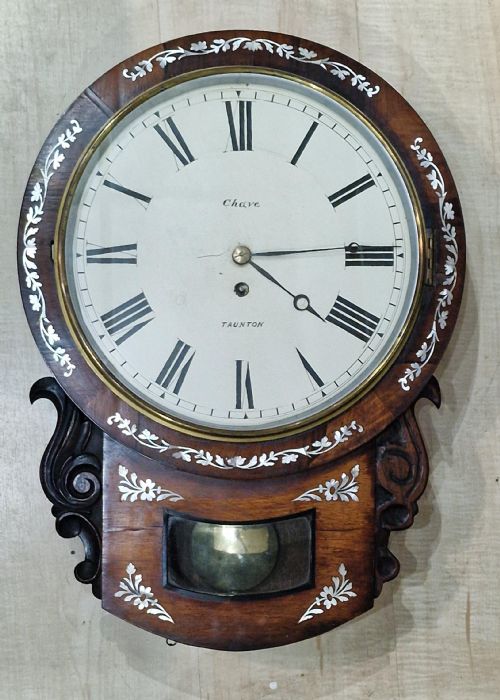

Brass Fusee Movement Clock
A brass fusee movement clock delivers the steady, accurate timekeeping prized by collectors through a clever cone-shaped pulley system.
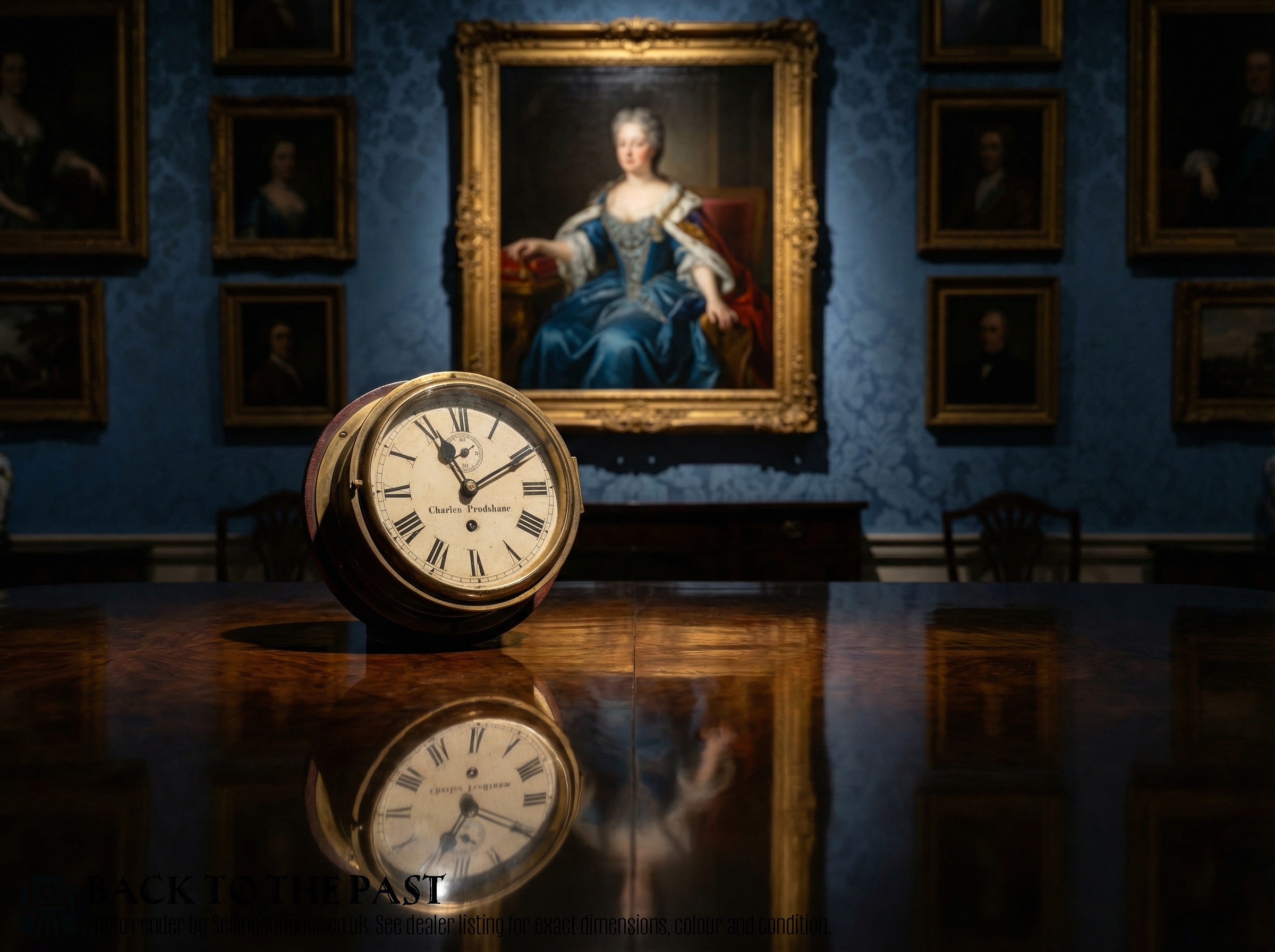
Brass Fusee Movement Clock
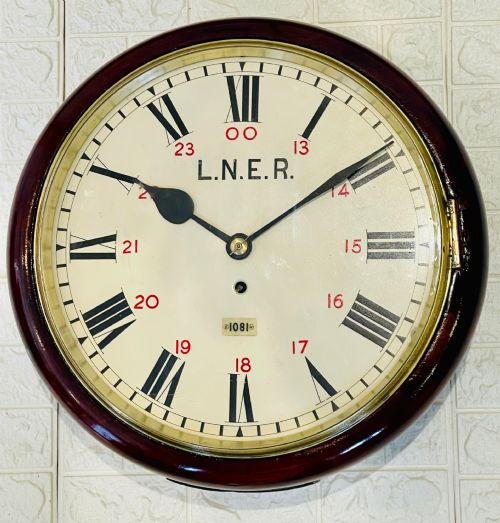
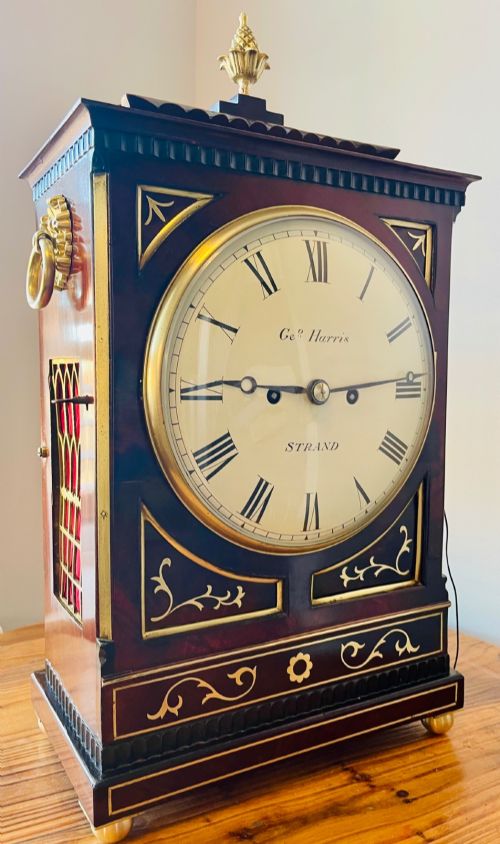
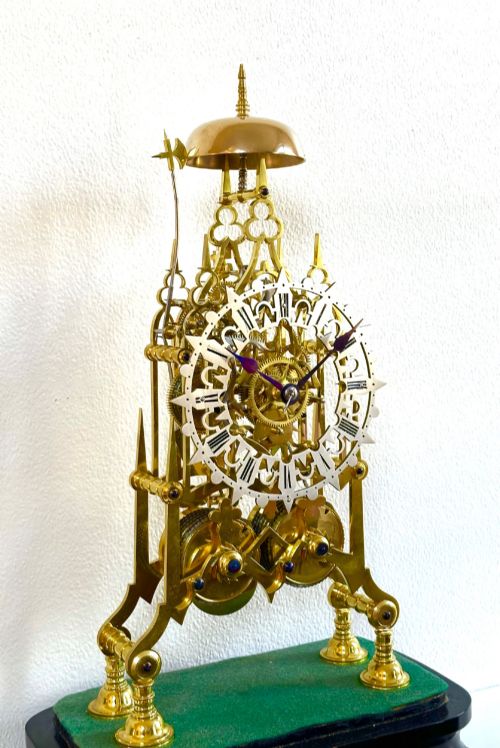
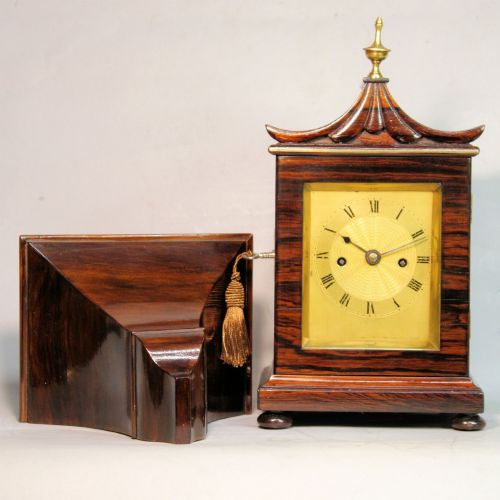
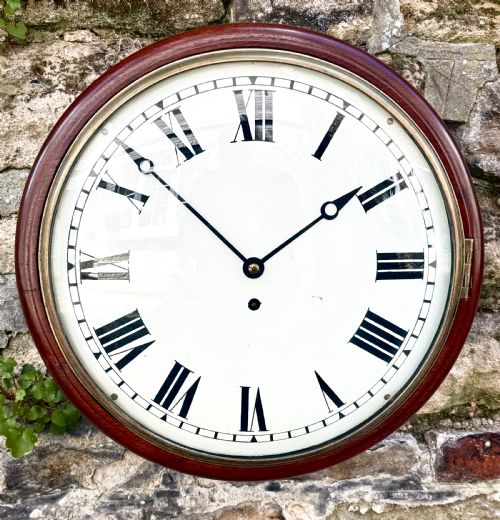
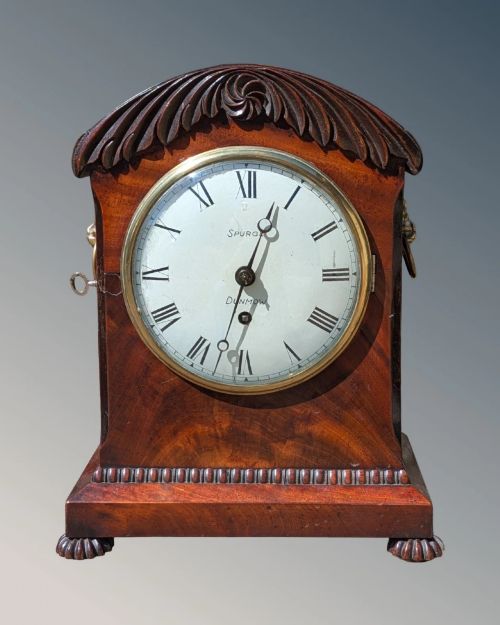
A brass fusee movement clock encompasses robust railway dial clocks, elegant mahogany bracket clocks, and intricate skeleton timepieces spanning the Georgian, Regency, and Victorian periods.
Buyers searching this phrase encounter sturdy wall-mounted station clocks alongside decorative mantel and library pieces housed in rich rosewood, oak, or mahogany cases.
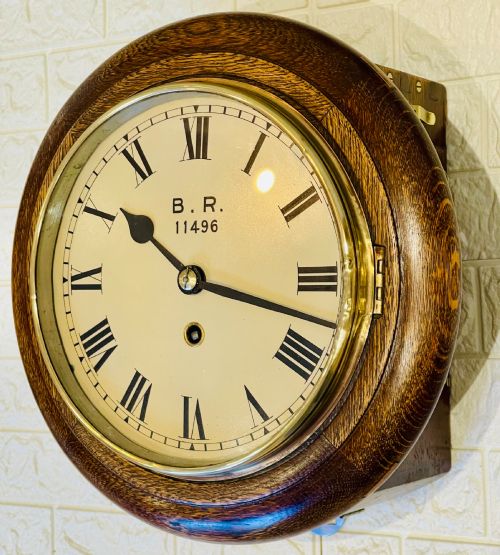
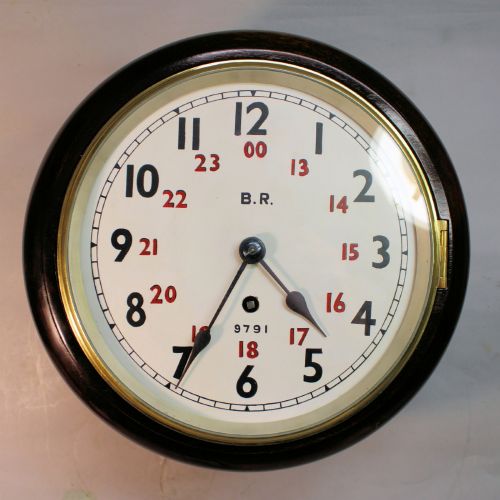
The selection ranges from utilitarian railway timepieces bearing company initials to sophisticated twin-fusee desk clocks with bell-striking mechanisms.
How they were made
Makers integrated glass covers to protect delicate dials and exposed wheel work, while iron and gilt bronze appeared on specialised bulkhead and bracket variations.
The listings feature brass fusee movements housed in mahogany, oak, and rosewood across Georgian, Regency, and Victorian periods.
What varies in quality
The refinement of the movement engraving and the precision of the wheel work separate standard utility timepieces from exceptional signed examples.
Case construction quality shows in the depth of the mahogany or rosewood grain, the subtlety of brass inlay, and the crispness of painted dial numerals.
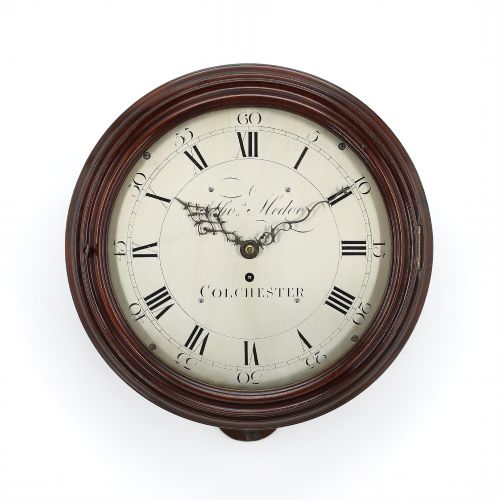
Thomas Hedge of Colchester·Samuel Chave Taunton·Halliday and Rich Bridgwater·John Walker London·William Payne·Prescot Clock Co Prescot·Kelvin White and Hutton London·W Burton·Somersall London·Butt Co Ltd Chester·Budgen Croydon
The Brass Fusee Movement Clock Glossary
- Fusee
- A conical pulley designed to equalize the diminishing power of the mainspring as it unwinds. This mechanism ensures consistent torque is delivered to the gear train.
- Bracket clock
- A portable timepiece originally designed to sit on a wall bracket or table. These domestic pieces often feature striking mechanisms and fine wooden cabinetry.
- Dial clock
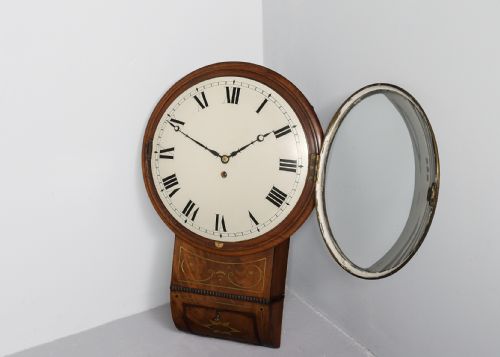
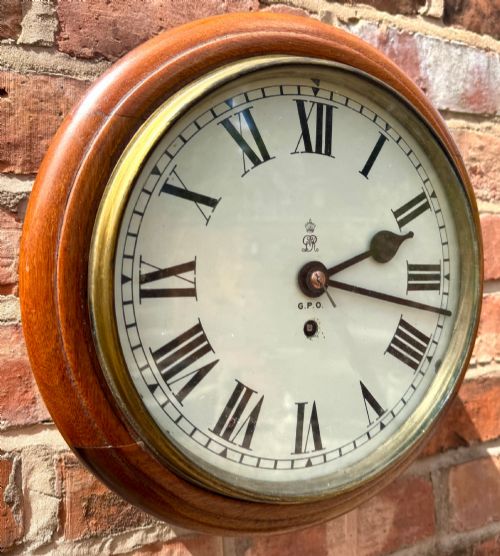
- A round-faced wall clock mounted in a timber surround, frequently utilised by railways, shipping lines, and public offices. They prioritize clear legibility.
- Skeleton clock
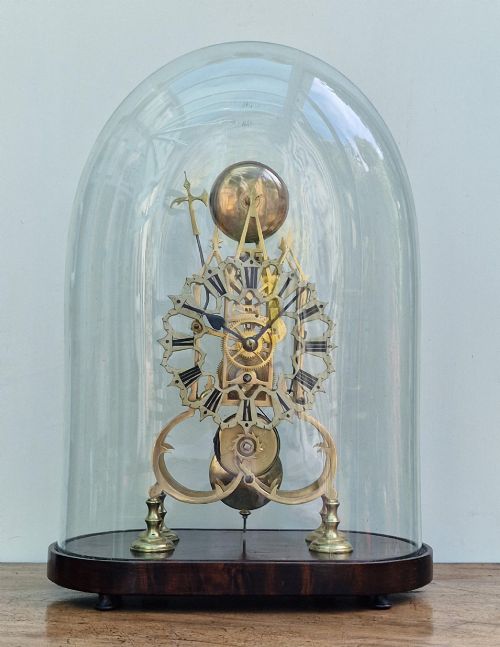
- A timepiece with an open framework designed to display the wheel work and escapement. These pieces typically sit beneath a glass dome to reveal the mechanical action.
- Verge escapement
- An early escapement mechanism utilising a crown wheel and vibrating pallets. It provides the regulating control for the gear train.
Brass Fusee Movement Clock: Frequently Asked Questions
How does a fusee movement work?
A fusee movement uses a conical pulley connected to the mainspring barrel by a fine chain or cord. As the spring unwinds, the chain pulls higher up the wider part of the cone, compensating for the drop in spring tension.
This clever mechanical design ensures the driving force remains constant throughout the running period, leading to superior timekeeping accuracy.
Where were railway dial clocks used?
Railway dial clocks hung in station master offices, ticket halls, and platform junctions to maintain strict timetables across the network. Companies like the GWR and LNER placed strict demands on their accuracy.
Today these robust wall clocks bring industrial character to domestic interiors while retaining their original operational provenance.
How do I date a mahogany fusee clock?
Dating involves examining the case timber, dial construction, and the style of the brass movement plates. Georgian and Regency examples often feature distinct proportions and hand-engraved backplates.
Victorian and later railway pieces usually display company lettering on the dial face and stamped serial numbers within the case.
What is a skeleton clock?
A skeleton clock strips away the traditional enclosing wooden case to expose the intricate brass gear trains and wheel work to view. They were designed to showcase the horological skill of the maker.
These pieces usually sit protected beneath a blown glass dome on a wooden base, allowing light to pass through the movement.