

Brass Fire Surround
A brass fire surround anchors a hearth with warm metalwork, framing the fire while protecting the room.
Brass Fire Surround
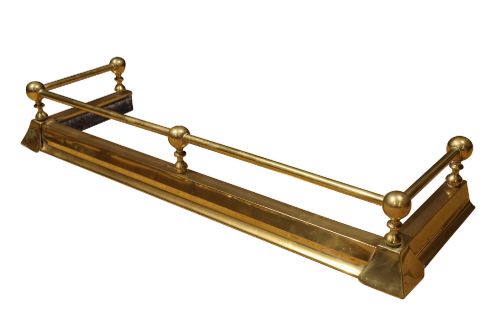
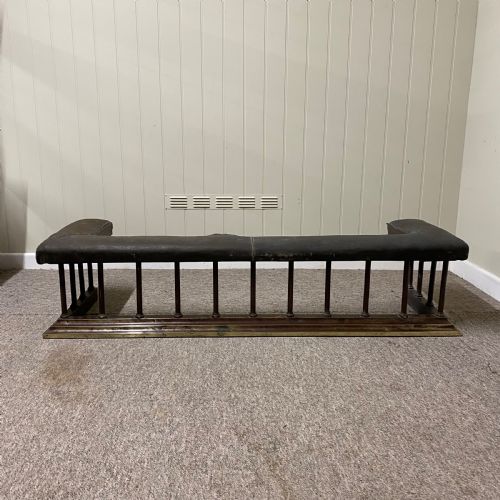
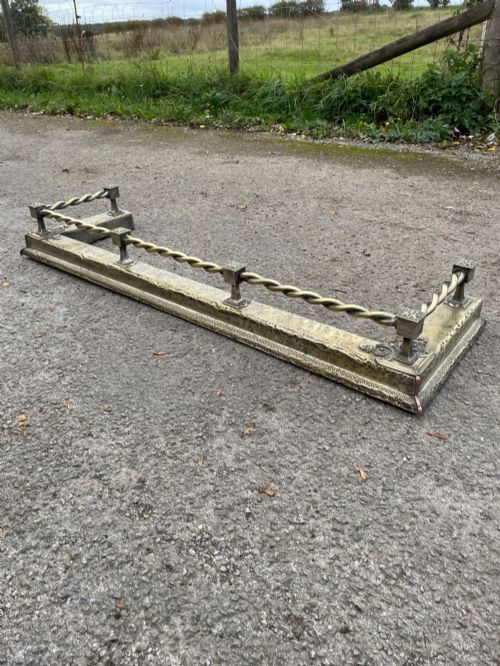
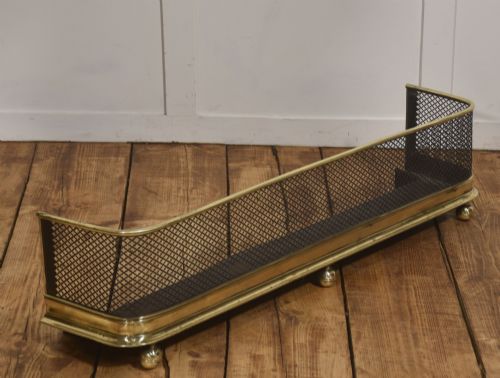
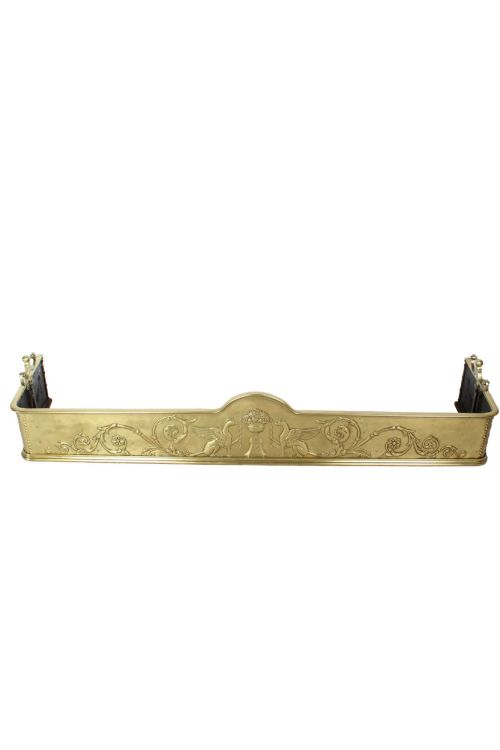
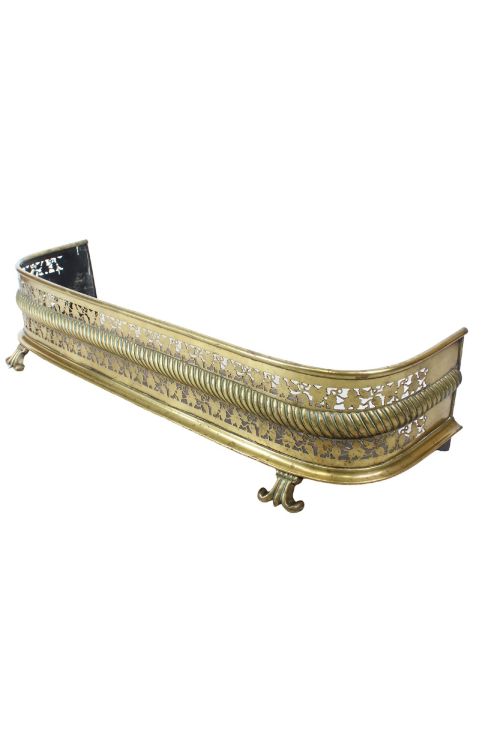
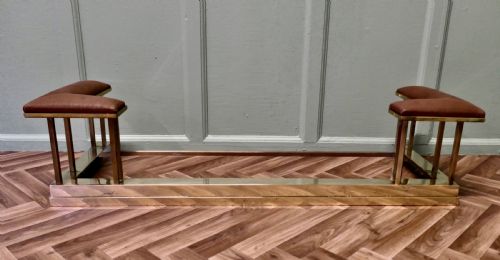
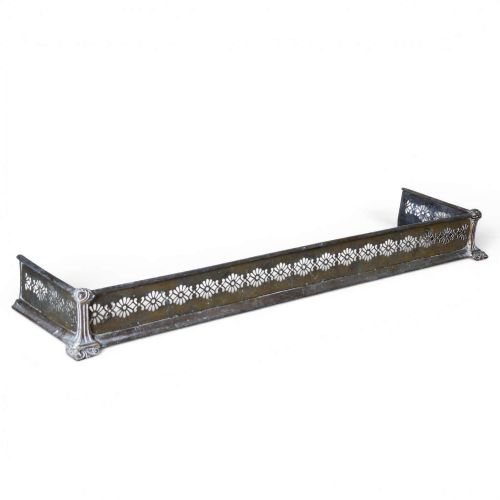
A brass fire surround defines the hearth edge, encompassing variations from slender pierced kerbs to substantial club fenders upholstered in leather. These pieces emerge predominantly from the nineteenth century and the Victorian period, though Edwardian and later twentieth-century examples also appear.
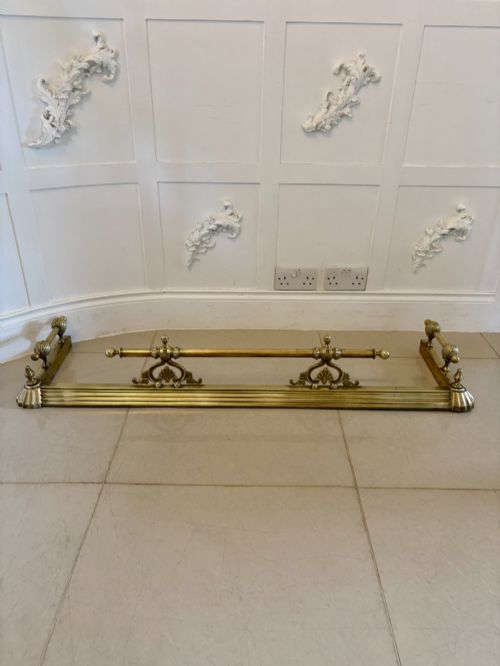
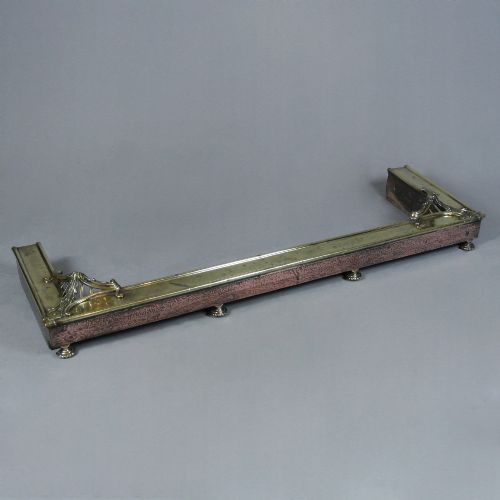
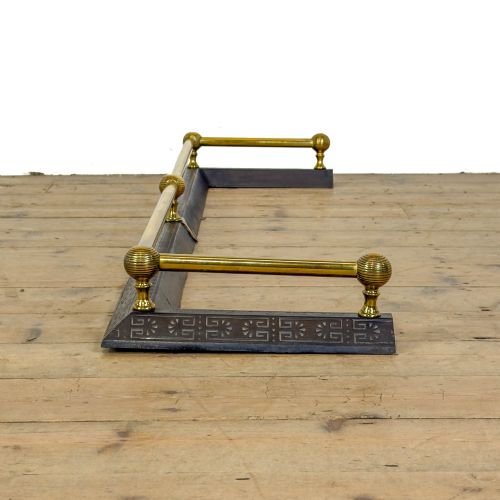
Makers and manufacturers produced these hearth boundaries in various forms, including adjustable designs, extending frames, and corner configurations. The listings frequently feature fireplace fenders and hearth fenders alongside related fireplace accessories and miniature salesman samples.
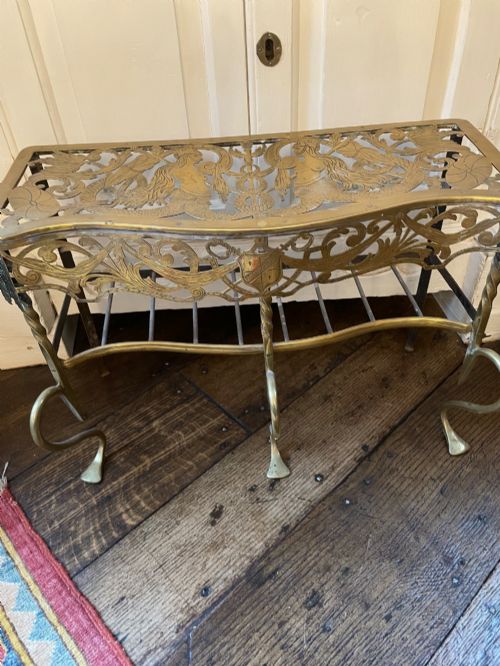
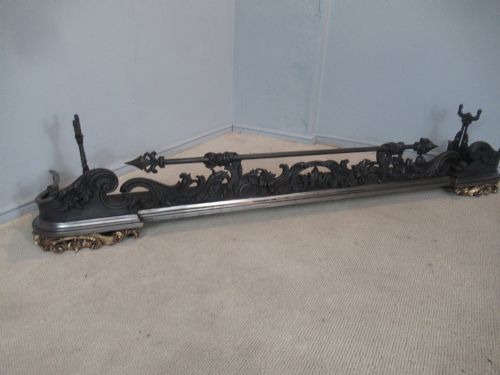
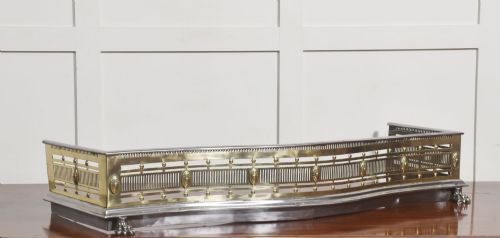
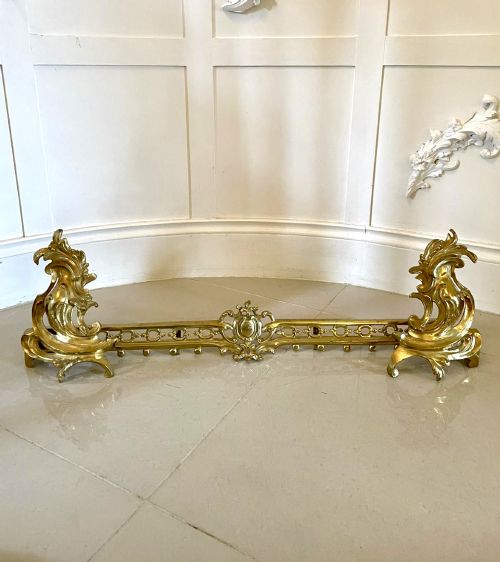
Victorian pieces dominate the selection, often displaying ornate pierced patterns, Neoclassical motifs, or French Rococo styling. Buyers encounter both pure brass constructions and mixed-metal compositions pairing the alloy with iron, steel, or bronze.
Materials and construction methods
Artisans combined brass with structural metals such as iron and steel to ensure rigidity around the hearth. Cast iron and heavy bronze provide substantial weight to the bases, while sheet brass forms pierced gallery rails and decorative outer shields.
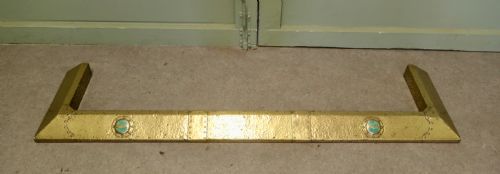
Surface embellishment involved piercing, chasing, and parcel gilding, complemented by applied ormolu mounts and enamel cabochons. Club fenders incorporate padded leather seating surfaces supported by robust brass balustrades or columns.
Brass Fire Surround Retail Price Guide 2026
Typical asking prices for brass fire surround among the pieces listed under this phrase on Sellingantiques today, from the lower quarter to the upper quarter. They describe what is for sale here now, not the wider market.
Miniature salesman samples allowed travelling reps to carry pocket-sized hearths through Victorian drawing rooms.
Distinguishing quality across examples
The refinement of the metalwork and the crispness of pierced or cast ornamentation separate standard utility fenders from masterworks. Heavier gauge brass and substantial iron foundations indicate superior structural integrity and durability.
Attention to detail in corner mounts, patination, and the integration of secondary materials like leather or enamel define the upper tier of craftsmanship.
E F Caldwell New York
The Brass Fire Surround Glossary
- Fender
- A low metal barrier placed around the hearth to contain sparks and rolling embers. It sits directly on the floor to frame the fireplace opening.
- Club fender
- A specialised hearth surround featuring upholstered leather top rails that provide seating. They originate from gentlemen's clubs and country houses.
- Ormolu
- Gilded bronze or brass applied as decorative mountings on furniture and metalwork. The technique involves mercury amalgamation or modern electroplating to achieve a brilliant gold finish.
- Pierced brass
- Metal sheet perforated with decorative repeating motifs using saws or punches. This technique lightens the visual weight of the surround while maintaining strength.
- Andiron
- A horizontal support iron raised on legs, used to hold logs in an open fireplace. They often accompany matching fenders and fire guards.
Brass Fire Surround: Frequently Asked Questions
What is a club fender?
A club fender is a hearth surround fitted with cushioned leather top rails designed for sitting close to the fire. These sturdy structures often feature internal corner spaces.
They appeared frequently in country houses and clubs during the nineteenth and early twentieth centuries, offering both warmth and social seating.
How do I measure for a fire fender?
Measure the width and depth of your hearth stone or fireplace opening to ensure the surround fits comfortably without blocking foot traffic. Take note of any protruding baseboards or hearth stones that might interfere with corner angles.
Adjustable fenders offer flexibility if your hearth dimensions fall between standard measurements.
Are these surrounds adjustable?
Many nineteenth-century and Victorian fenders feature sliding mechanisms that allow the width to expand or contract. This design enabled households to adapt the surround to different hearth sizes.
Fixed-frame models rely on precise original dimensions and cannot be altered without professional metalwork intervention.
How do I care for antique brass?
Maintain antique brass by dusting regularly with a soft cloth and avoiding harsh chemical polishes that strip historical patination. Gentle cleaning preserves the rich surface character developed over decades of use.
Leather seats on club fenders benefit from periodic conditioning to keep the hide supple.