

Victorian Brass Curb
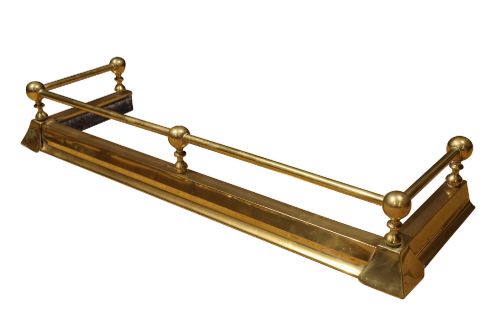
A victorian brass curb frames the hearth with warmth and metalwork, protecting the floor while anchoring the room.
Victorian Brass Curb
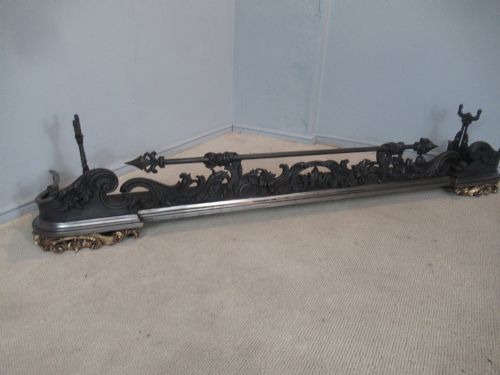
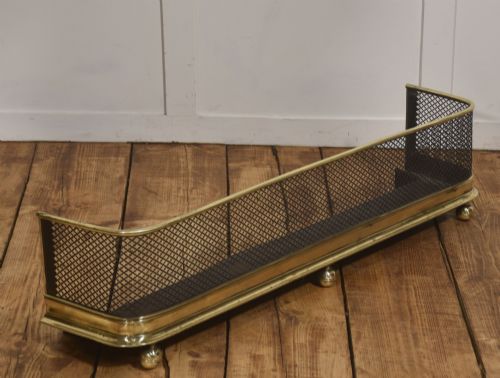
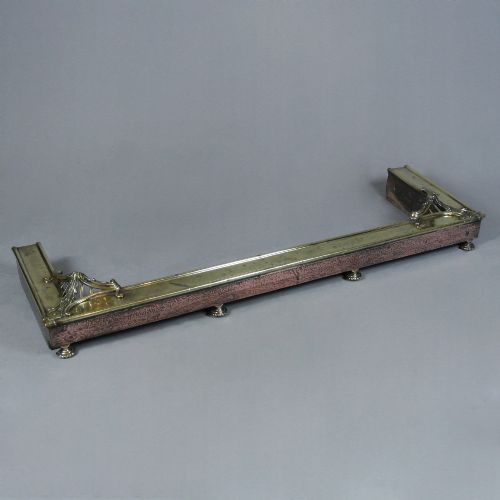
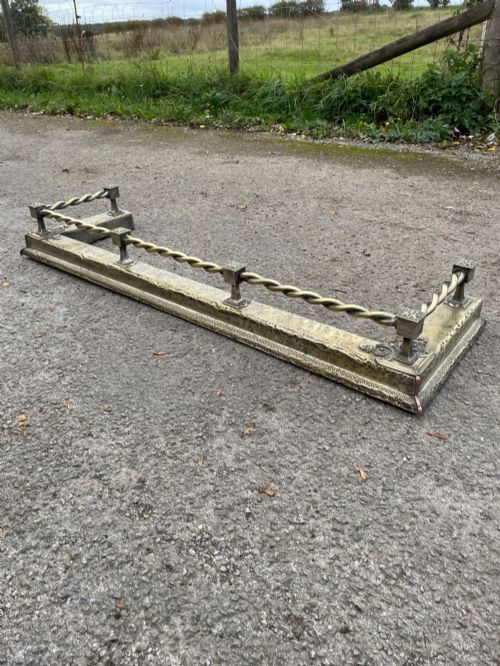
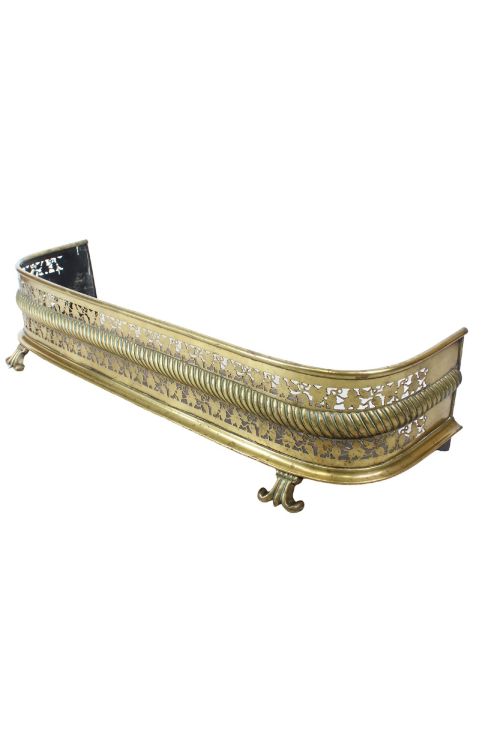
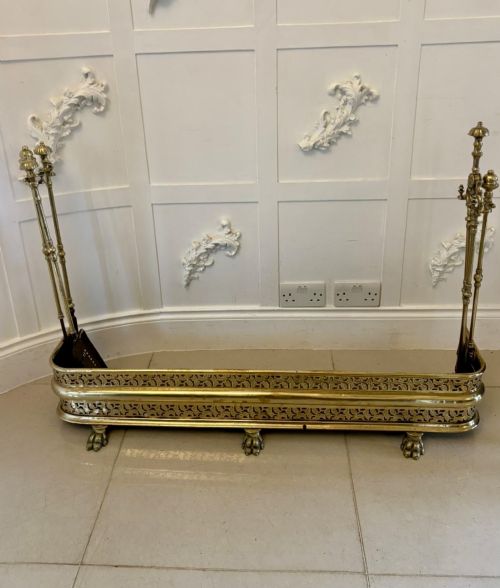
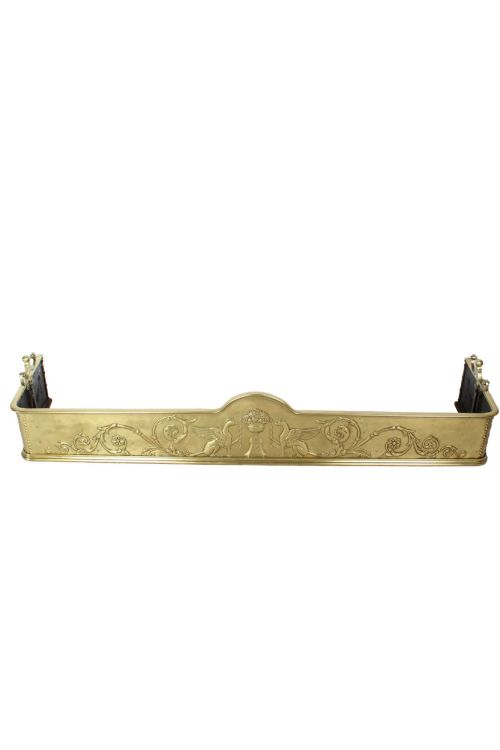
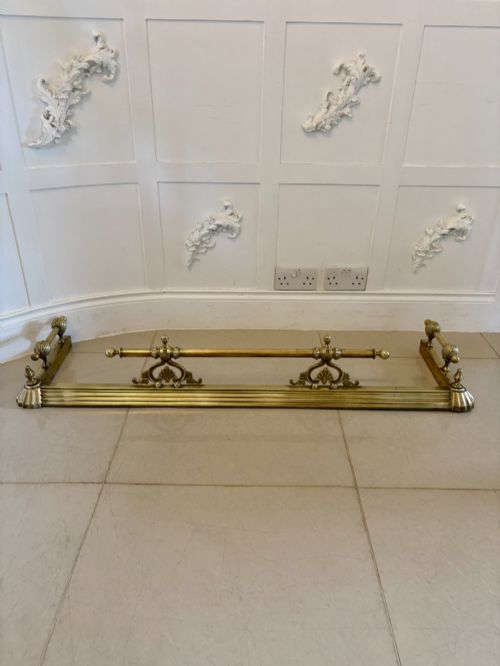
A victorian brass curb protects the hearth and frames the fireplace, functioning as both a practical barrier against stray embers and a decorative anchor for the room. You will most frequently encounter fireplace fenders and hearth fenders dating from the nineteenth century, often fashioned with adjustable widths to fit various fireplace openings.
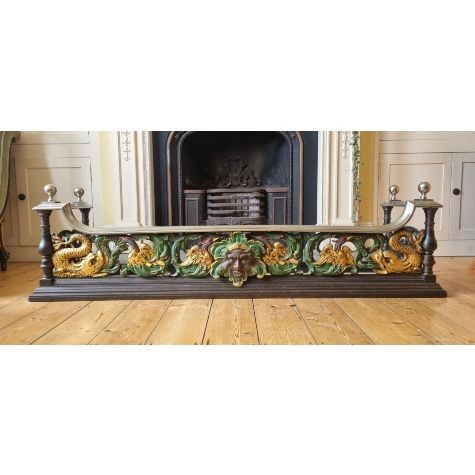
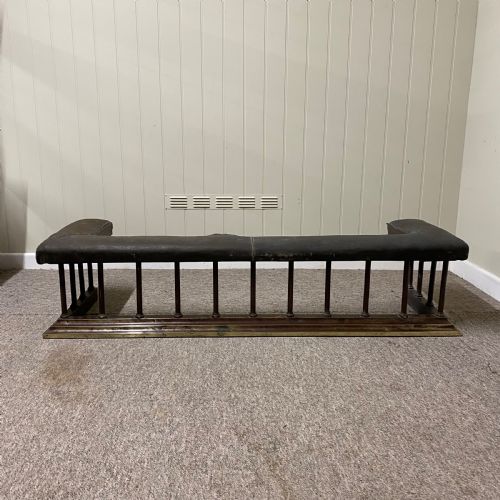
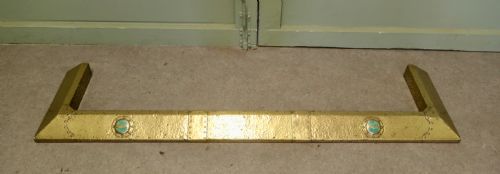
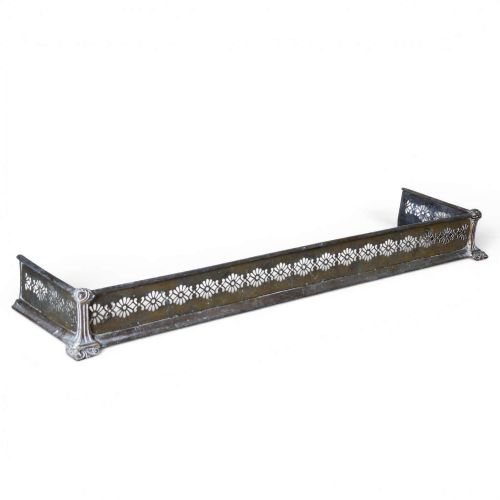
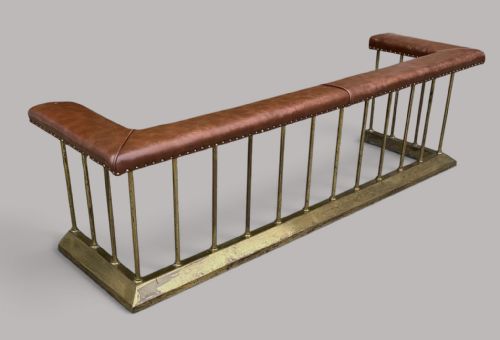
The selection ranges from simple pierced brass bands to elaborate designs incorporating iron, steel, bronze, and copper. Alongside standard hearth fenders, the inventory includes club fenders featuring upholstered leather seats, as well as examples finished with green enamel cabochons or decorative lions.
How they were made
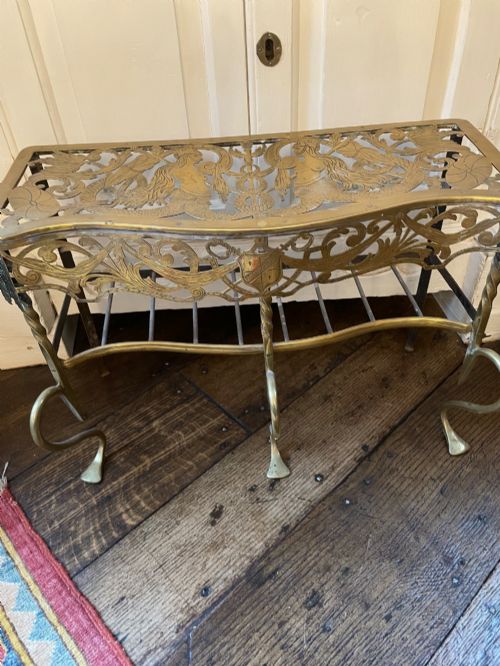
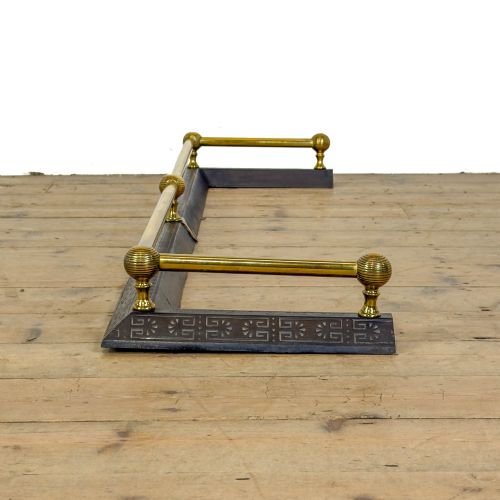
Craftsmen utilised brass alongside iron and steel, combining cast and sheet metal components to build rigid and durable hearth boundaries. Pierced decoration was achieved through careful cutting and punching of the brass plates, whilst other pieces relied on forged steel frames paired with polished brass mouldings.
Surface detailing often involved applied bronze or copper elements, polychrome finishes, and sometimes integrated leather upholstery secured with studwork. Adjustable mechanisms allowed nineteenth-century makers to construct fenders that could be extended to fit specific hearth dimensions.
Victorian Brass Curb Retail Price Guide 2026
Typical asking prices for victorian brass curb among the pieces listed under this phrase on Sellingantiques today, from the lower quarter to the upper quarter. They describe what is for sale here now, not the wider market.
What varies in quality
The distinction between standard production and superior examples lies in the weight of the metal and the crispness of the casting or piercing. Fenders featuring substantial gauge brass and refined decorative motifs display a higher degree of workshop skill than lighter, plain variants.
Original details such as matching fire irons, undamaged leather on club seats, and intact enamel cabochons elevate a piece significantly. The integrity of the frame construction and the depth of the metal polishing also separate ordinary hearth guards from exceptional nineteenth-century specimens.
The Victorian Brass Curb Glossary
- Club fender
- A low-padded hearth boundary featuring upholstered leather seats on either side. These allowed people to sit close to the fire.
- Fender
- A protective metal frame placed around the base of a fireplace to contain sparks and ash. They define the hearth edge in domestic interiors.
- Pierced brass
- Sheet brass decorated by cutting or punching openwork patterns through the metal. This technique created light, ornamental borders.
- Fire kerb
- An alternative term for a hearth fender, marking the boundary between the fire and the room. They appear frequently in nineteenth-century records.
- Cabochon
- A polished, unfaceted gemstone or coloured glass ornament set flush into metalwork. Arts and Crafts examples often utilised green enamel versions.
Victorian Brass Curb: Frequently Asked Questions
How do I measure for a fender?
Measure the width and depth of your hearth space directly on the floor, accounting for any protruding stone or brickwork. Ensure you leave clearance for the fire opening itself.
Note whether you require a fixed width or an adjustable model, as many nineteenth-century examples can be expanded to fit precise spatial requirements.
Can I sit on a club fender?
Club fenders with leather upholstery were specifically designed as seats close to the hearth. The sturdy brass and iron frames support weight safely.
Inspect the condition of the leather and internal padding to ensure the seating surface remains stable and comfortable for regular use.
How do I clean brass and steel?
Remove surface dust with a soft, dry cloth before applying a suitable metal cleaner to the brass components. Avoid harsh abrasives that might strip patination.
Steel and iron sections require light oiling or specialised wax to prevent oxidation while preserving the dark contrast against the polished brass.
Were these made to match fire irons?
Some sets were produced alongside matching pokers, tongs, and shovels that rested within integrated holders on the fender. These complete ensembles are less common.
When fire irons accompany a piece, they share the brass or steel construction style of the main hearth guard.