

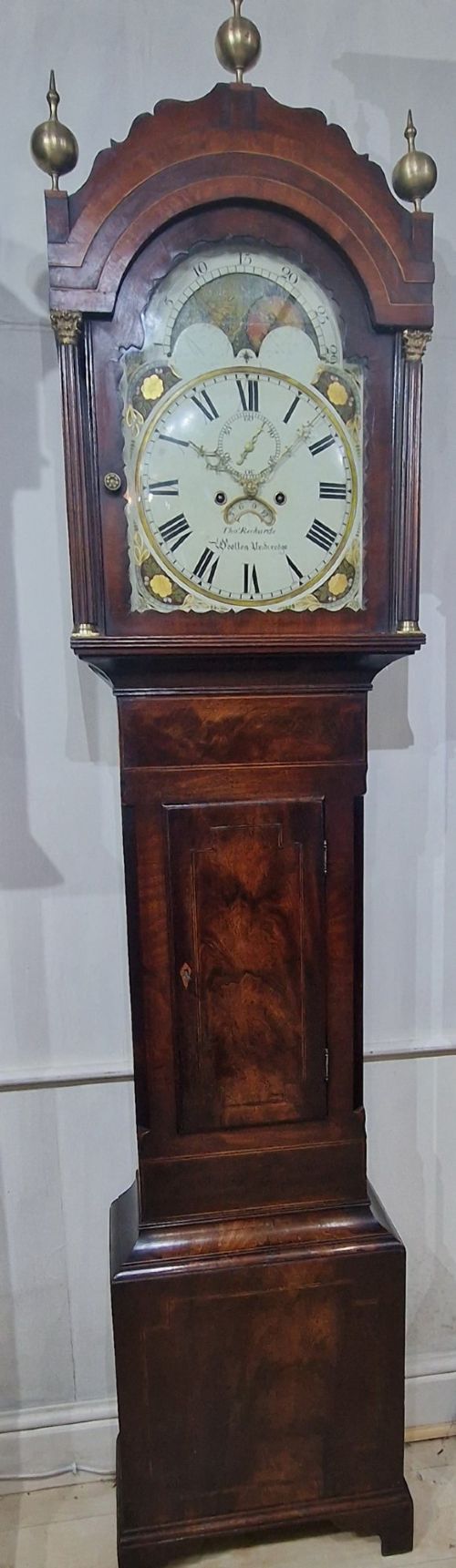
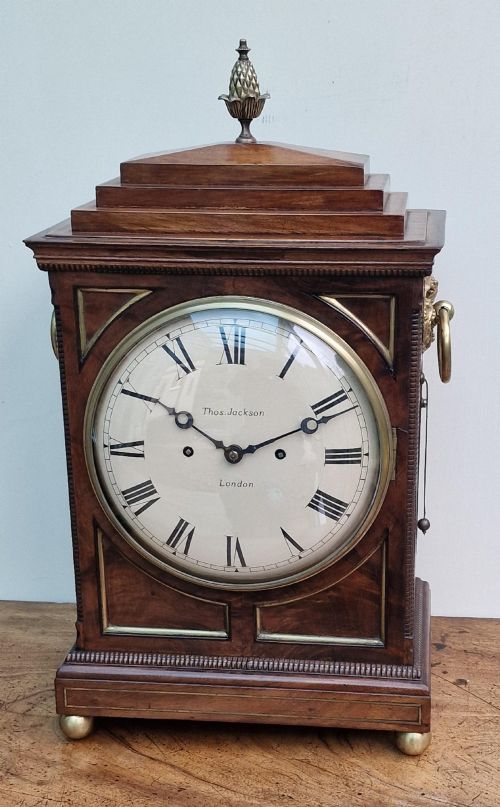


Brass Finial Clock
These brass finial clock examples combine period timber cases with metal mounts, offering an authentic timepiece for the home.
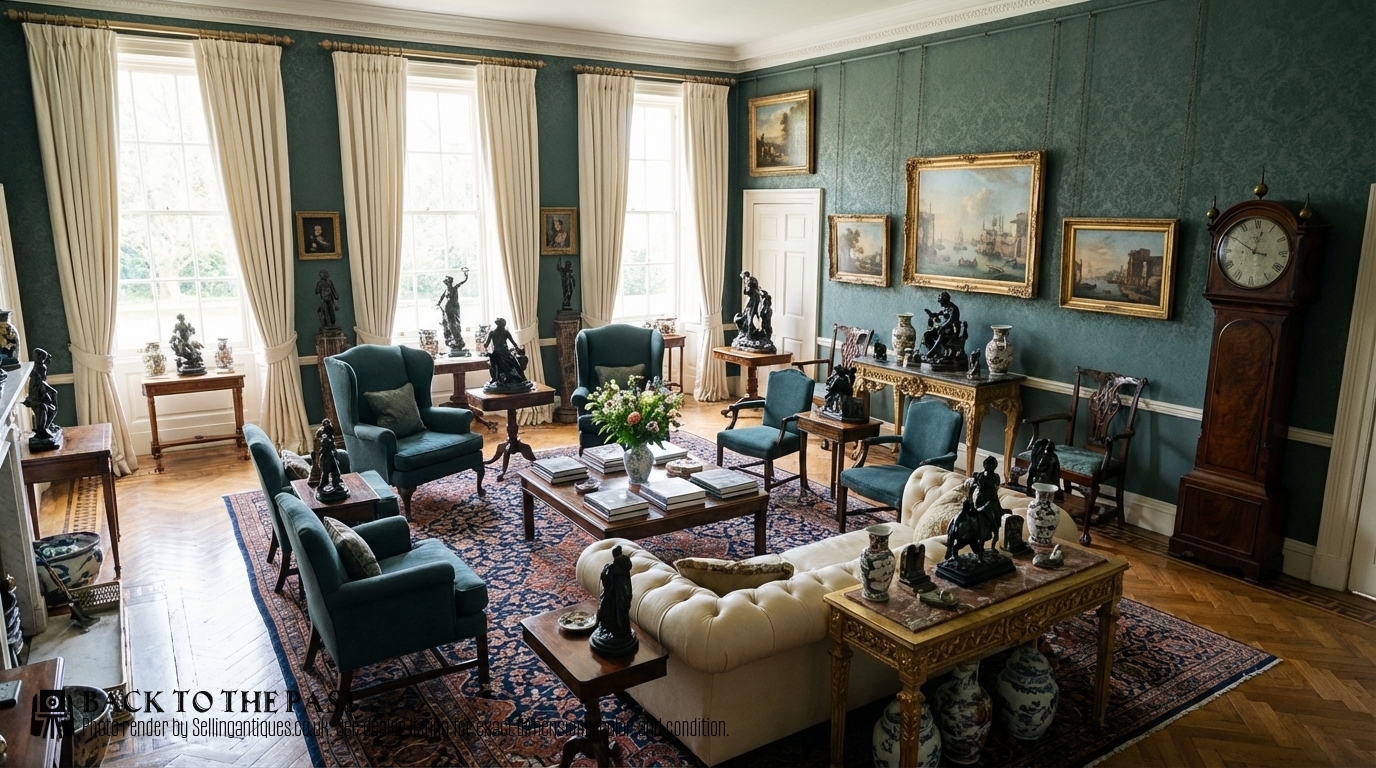
Brass Finial Clock
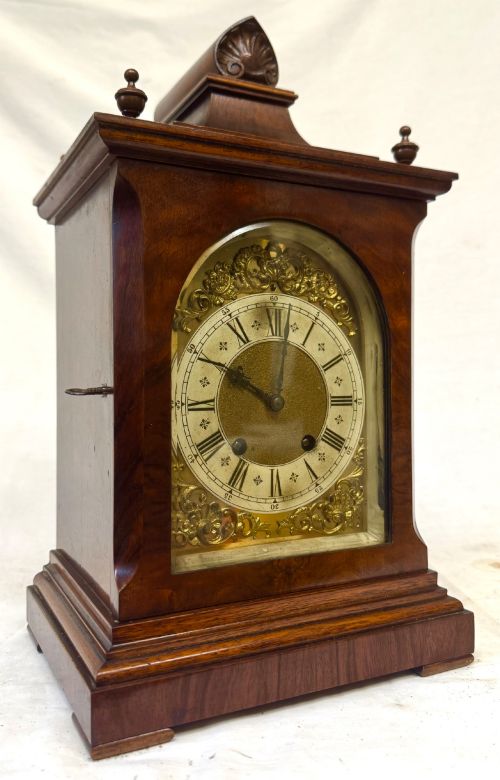
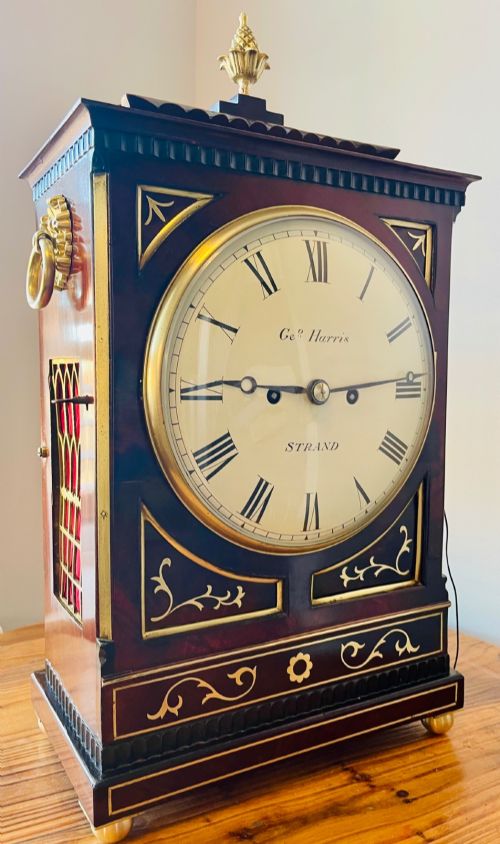
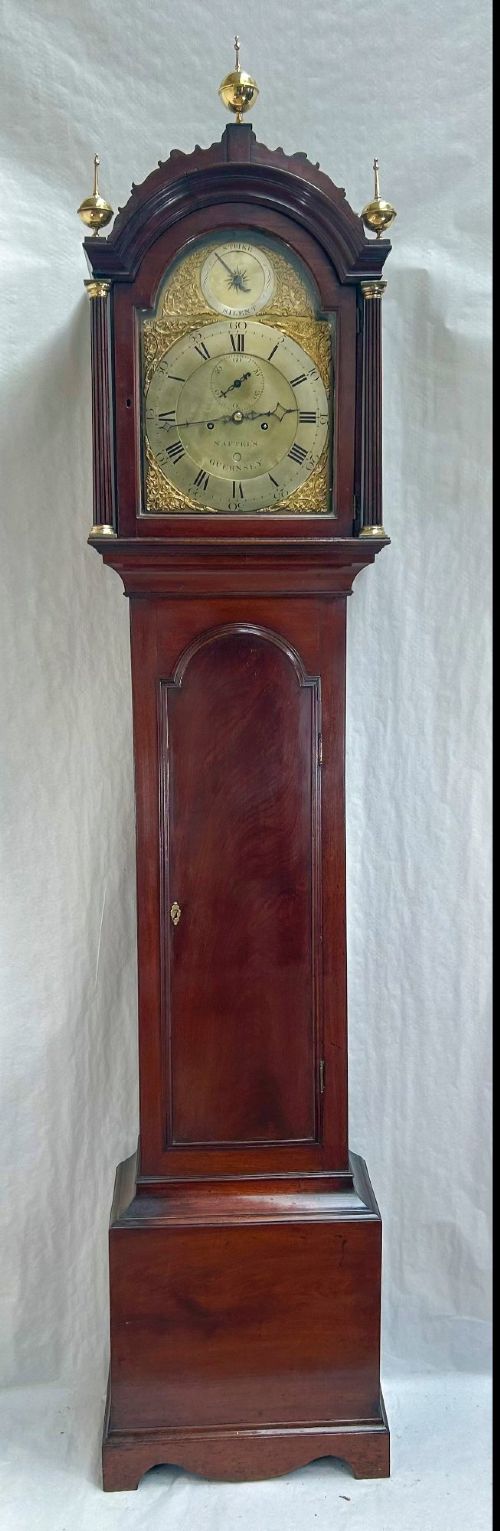
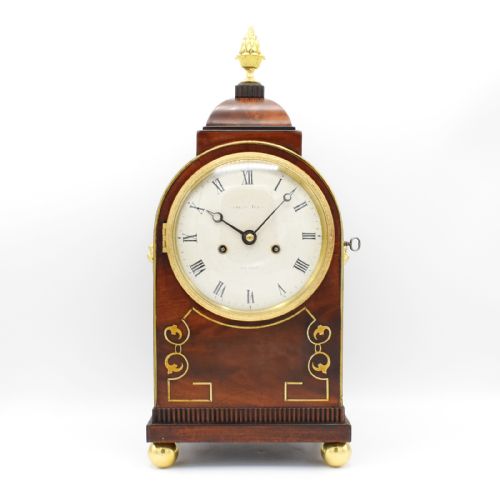
A brass finial clock brings together tall floor-standing longcase examples and smaller bracket or mantel designs from the eighteenth and nineteenth centuries. These pieces typically display mahogany, oak, or ebonised wood housing alongside distinct metal decorative elements.
The selection ranges from regional English and Scottish grandfather clocks to refined Regency fusee bracket clocks and French revival pieces. Buyers encounter various forms spanning George III, Regency, and Victorian periods.
Tall longcase variations dominate the record, though mantel and bracket clocks appear frequently with brass dials and movement signatures. Each piece reflects the dominant cabinet-making and horological standards of its specific decade.
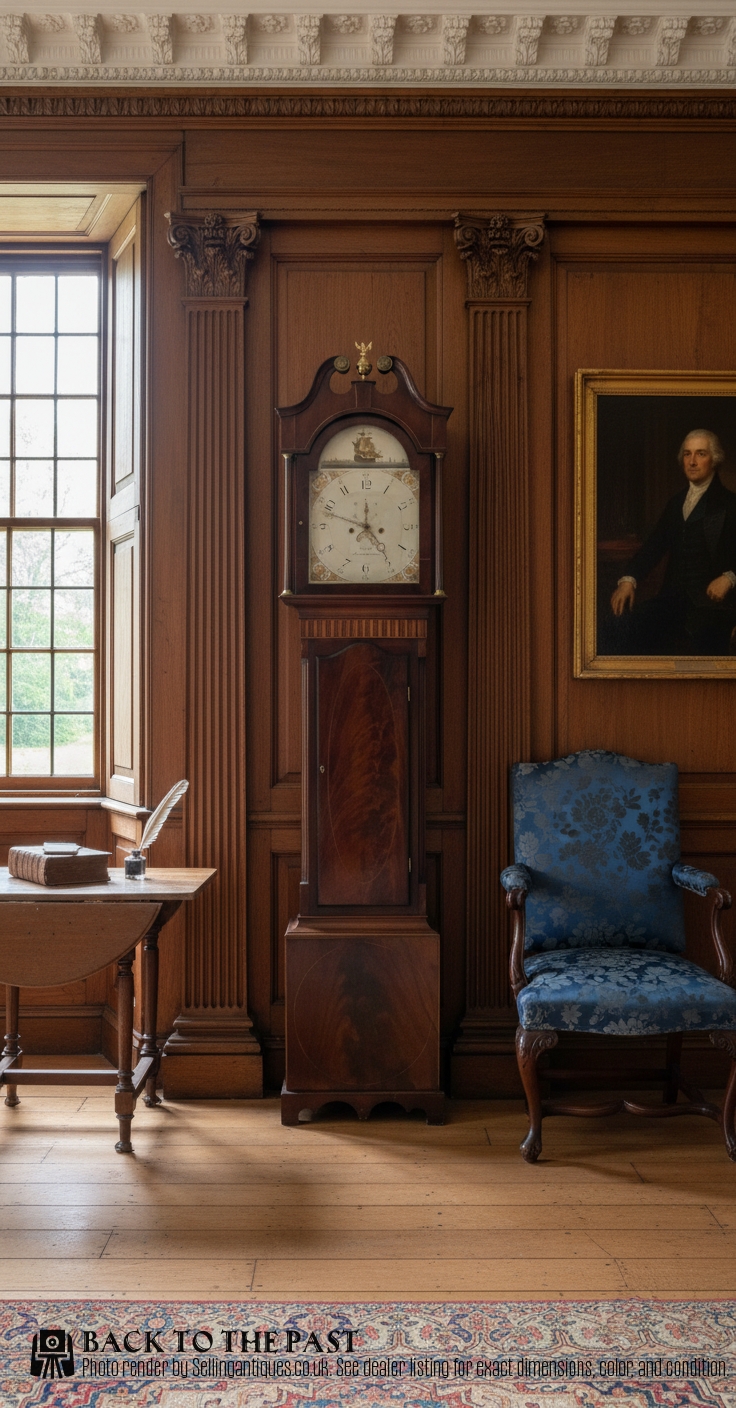
Materials and Construction
Cabinet makers utilised dense hardwoods such as mahogany and oak, often selecting flame mahogany veneers for prominent longcase hoods and trunk doors. Ebonised wood and ormolu also appear on specific bracket and mantel pieces.
Metal components including brass dials, bezels, and decorative finials were cast and hand-finished to complement the timber cases. Movements incorporated fusee or eight-day gear systems constructed by skilled horologists.
Brass Finial Clock Retail Price Guide 2026
Typical asking prices for brass finial clock among the pieces listed under this phrase on Sellingantiques today, from the lower quarter to the upper quarter. They describe what is for sale here now, not the wider market.
Cupid occasionally oversees the passage of time from atop an ormolu mantel clock.
Judging Quality
The refinement of the cabinet work and the crispness of the brass casting separate standard examples from finer pieces. Flame mahogany figuring and well-executed inlay indicate superior workshop output.
Signed movements by known makers add distinction to a clock, particularly when the original dial and brass work remain intact. The overall proportion and balance of the case relative to the dial size determine aesthetic success.
Tait Peebles·Lenzkirch·Charles Pratt London·Thomas Jackson·Webster Cornhill London·Thwaites London·John Bull of Bedford·Samuel Marti·Francis Perigal of Bond Street·Leplastrier of London·John Salmon Nantwich·Packer Of Reading·Richard Northen·Berguer of the Strand
The Brass Finial Clock Glossary
- Fusee
- A conical pulley used in spring-driven clocks to equalise the torque of the mainspring as it unwinds. This mechanism helps maintain steady timekeeping.
- Bracket clock
- A portable table or shelf clock traditionally designed to sit on a bracket. These pieces often feature brass carrying handles.
- Longcase clock
- A tall pendulum clock housed in a wooden case consisting of a hood, trunk, and base. They are also commonly called grandfather clocks.
- Ormolu
- Gilded bronze used for decorative mounts and ornaments on period clock cases. The technique involves applying a gold amalgam to a bronze base.
- Boulle
- A form of marquetry utilising tortoiseshell and brass inlay developed in France. It frequently appears on nineteenth-century mantel clocks.
Brass Finial Clock: Frequently Asked Questions
What is a fusee movement?
A fusee movement uses a conical drum and cord to regulate the power delivered from the mainspring to the gear train. This ensures consistent force drives the escapement.
Such mechanisms are typical in higher-grade English bracket and table clocks from the Georgian and Regency eras.
Where should I place a bracket clock?
Bracket clocks suit heavy sideboards, tables, or dedicated wall brackets where their detailed wood cases and brass dials remain visible.
Their portable nature allows them to move between rooms easily, unlike floor-standing longcase clocks.
What timber was used for these clocks?
Cabinet makers relied primarily on mahogany and oak for structural and decorative case work throughout the eighteenth and nineteenth centuries. Flame mahogany veneers provided striking grain patterns on high-status pieces.
Ebonised wood and specialised inlay also appear across specific styles.