






Brass Chapter Ring Clock
A brass chapter ring clock brings the precision of centuries past into a room, combining meticulous metalwork with reliable timekeeping.
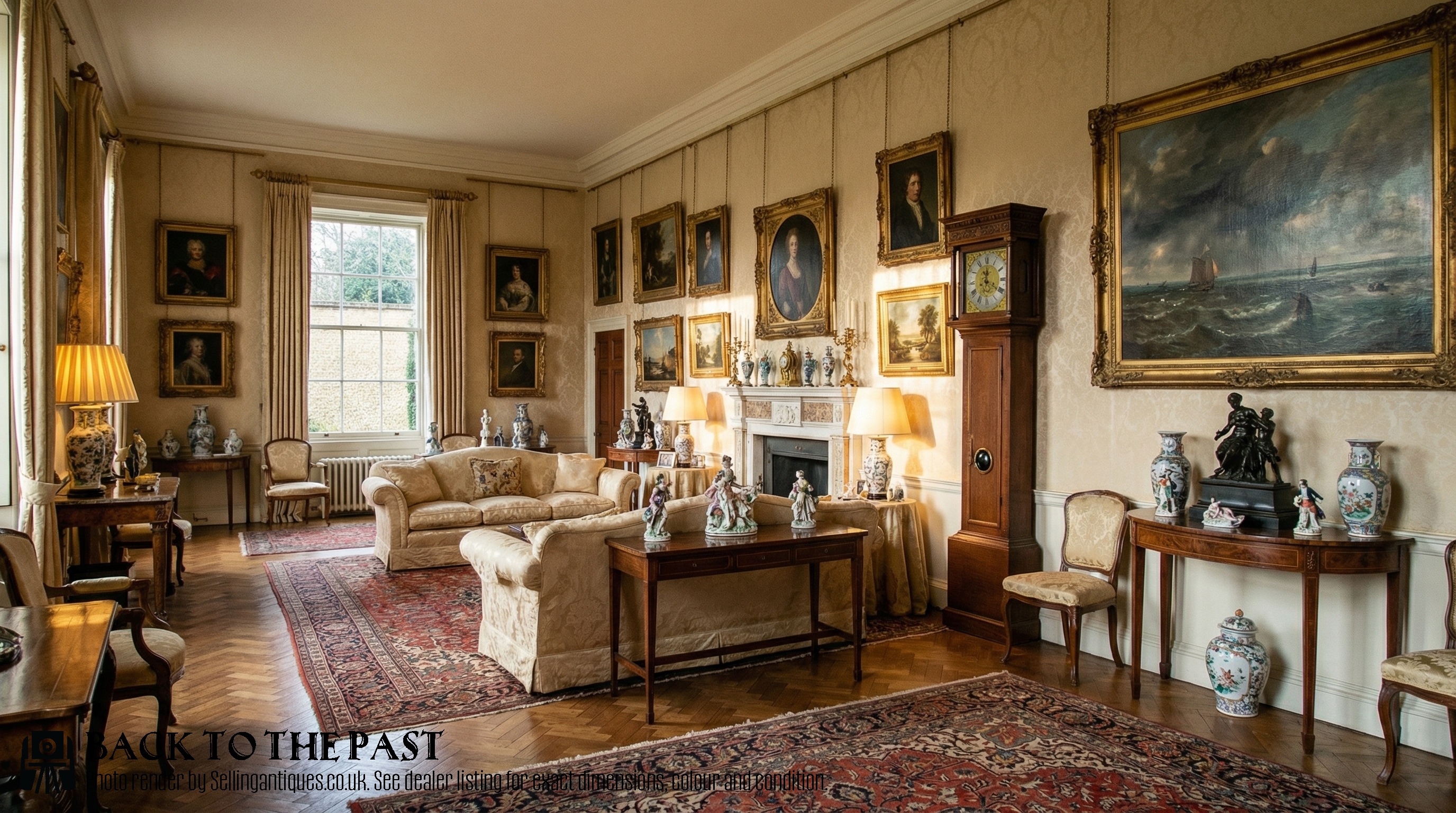
Brass Chapter Ring Clock
When you search for a brass chapter ring clock, you examine timepieces where the hours are displayed on a distinct metal band encircling the dial. These items appear across several centuries, originating in periods such as the seventeenth and eighteenth centuries, as well as the Victorian era. The selection includes longcase clocks, bracket clocks, and wall clocks housed in materials like oak, mahogany, and ebony.
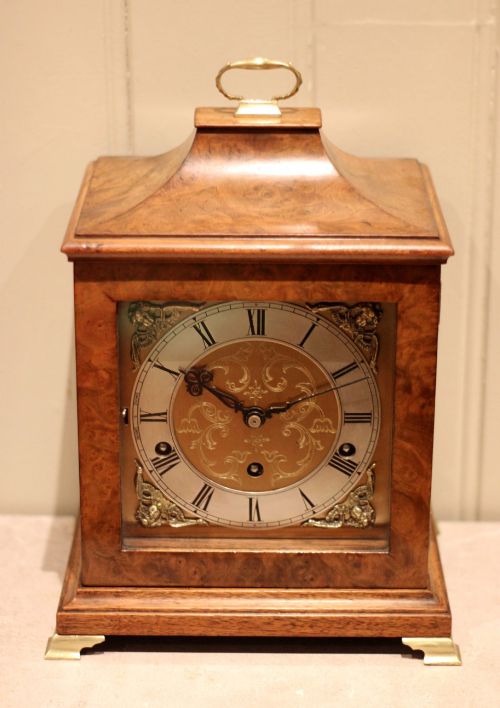
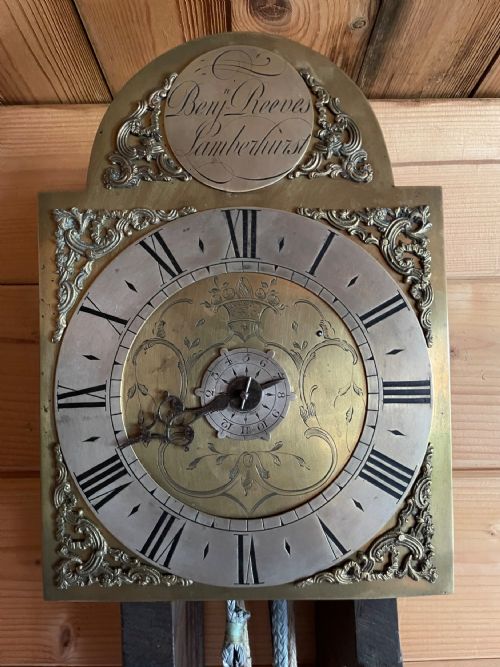
The version most commonly encountered on this page is the longcase or bracket clock featuring a brass dial with a separate silvered or polished brass chapter ring. These examples often display Roman numerals for the hours and Arabic markers for the minutes. They connect a direct lineage of British horology from regional makers and London workshops alike.
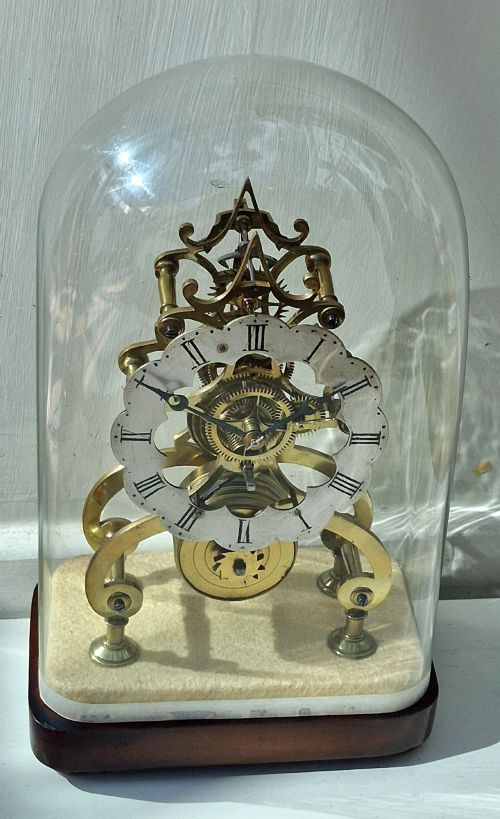
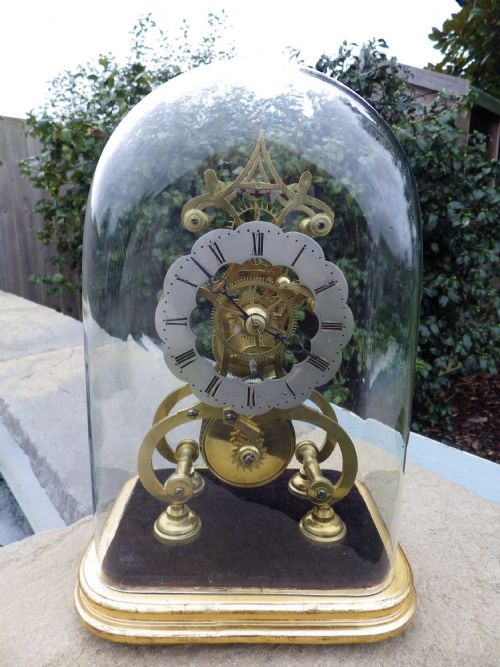
Beyond grand floor-standing grandfather clocks, the selection reaches smaller table and mantel formats, including skeleton clocks and lantern clocks. Each type utilises the prominent outer ring to anchor the visual weight of the face. Collectors encounter both movements housed in traditional wooden cases and exposed mechanical designs under glass domes.
How they were made
Clockmakers shaped the foundations of these timepieces using heavy brass for movements and dials, paired with cabinet timbers such as oak, mahogany, walnut, and ebony. Dial plates frequently received a silvered finish to contrast sharply against dark cast brass spandrels and hands. Glass domes protected delicate skeleton movements, while wooden floor cases utilised traditional joinery.
The mechanical assemblies relied on hand-cut gear trains, fusee movements, and anchor escapements driven by weights or springs. Craftsmen engraved chapter rings with precise minute tracks and hour numerals, often filling the engraved lines with black wax for legibility. Individual makers signed their brass dial plates directly, anchoring the provenance of each piece.
Brass Chapter Ring Clock Retail Price Guide 2026
Typical asking prices for brass chapter ring clock among the pieces listed under this phrase on Sellingantiques today, from the lower quarter to the upper quarter. They describe what is for sale here now, not the wider market.
Listings feature longcase, bracket, and skeleton clocks spanning the seventeenth to the twentieth centuries, constructed in oak, mahogany, ebony, and brass.
What varies in quality
The refinement of the engraving on the chapter ring and the crispness of the brass spandrels set finer examples apart from standard production. Superior longcase and bracket clocks demonstrate meticulous hand-finishing on the movement plates and wheelwork, reflecting the skill of the original workshop. Case timber selection also dictates grade, with figured burr walnut or deep ebony veneers commanding greater appreciation than plain pine.
Preservation of original components significantly influences the standing of a piece within its period. Clocks retaining their matching original dial, movement, and case show a cohesion that rebuilt or assembled examples lack. The clarity of the silvering on the chapter ring and the legibility of the maker signature further distinguish superior survivals.
Thwaites of London·John Pepys London·William Speakman·Winterhalder & Hofmeier·Mappin & Webb
The Brass Chapter Ring Clock Glossary
- Chapter ring
- The circular metal band on a clock face that bears the hour and minute numerals. It is frequently silvered brass to stand out against a matte brass dial plate.
- Fusee
- A conical pulley used in spring-driven clocks to maintain equal force on the gear train as the mainspring unwinds. This mechanism is central to the accuracy of better table and bracket clocks.
- Spandrel
- The decorative corner piece applied to the dial outside the chapter ring, often cast in brass as foliage or cherub masks. Victorian and Georgian makers used various casting styles to date their dials.
- Skeleton clock
- A timepiece with an open framework designed to expose the gear train and escapement to view. These are commonly displayed beneath a glass dome to keep dust from the delicate wheels.
- Lantern clock
- An early type of brass-cased house clock, traditionally hung on a wall or placed on a bracket. They represent some of the earliest portable domestic timepieces in British horology.
Brass Chapter Ring Clock: Frequently Asked Questions
What is a chapter ring on a clock?
The chapter ring is the annular band attached to the dial face that displays the hours and minutes. On antique examples, it is typically made of brass and often silvered to provide high contrast against the darker dial centre.
This ring forms the visual anchor of the clock face. It carries the engraved Roman numerals for hours and smaller subdivisions for minutes, allowing the hands to indicate time accurately.
Where should I place a bracket clock?
A bracket clock needs a stable, level surface away from direct sunlight, central heating vents, and exterior doors. Historically designed to sit on wall brackets or sturdy tables, they perform best when isolated from heavy floor vibrations.
Keeping the clock in a room with a stable ambient temperature prevents timber cases from warping and helps the metal components maintain consistent timekeeping without frequent regulation.
How do I tell a 17th-century clock from a Victorian one?
Seventeenth-century clocks typically feature square brass dials with simple linear engraving, slender chapter rings, and dark oak or ebony cases. Their movements often rely on early balance springs or anchor escapements.
Victorian pieces show greater variety, ranging from gothic Revival brass frameworks under glass domes to ornate architectural wooden cases. The typography on the chapter rings and the complexity of the escapements also reflect the industrial techniques of the later nineteenth century.