


Brass Case Clock
When you encounter a brass case clock, you are looking at a timekeeping instrument where metal and timber combine to record the hours of past centuries.
Brass Case Clock
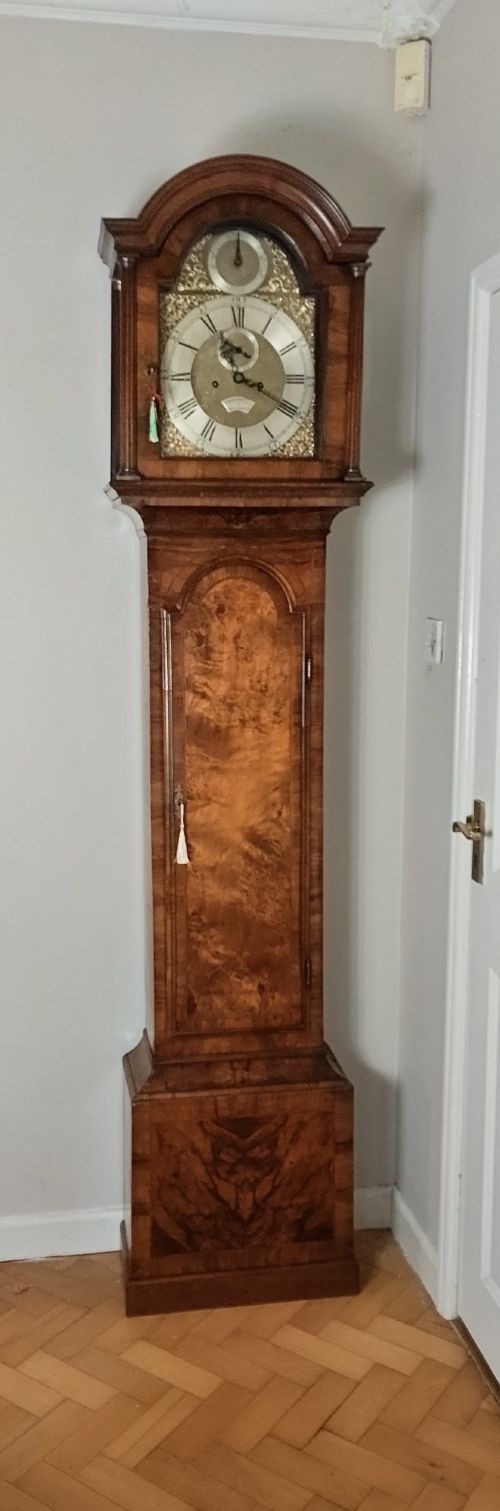
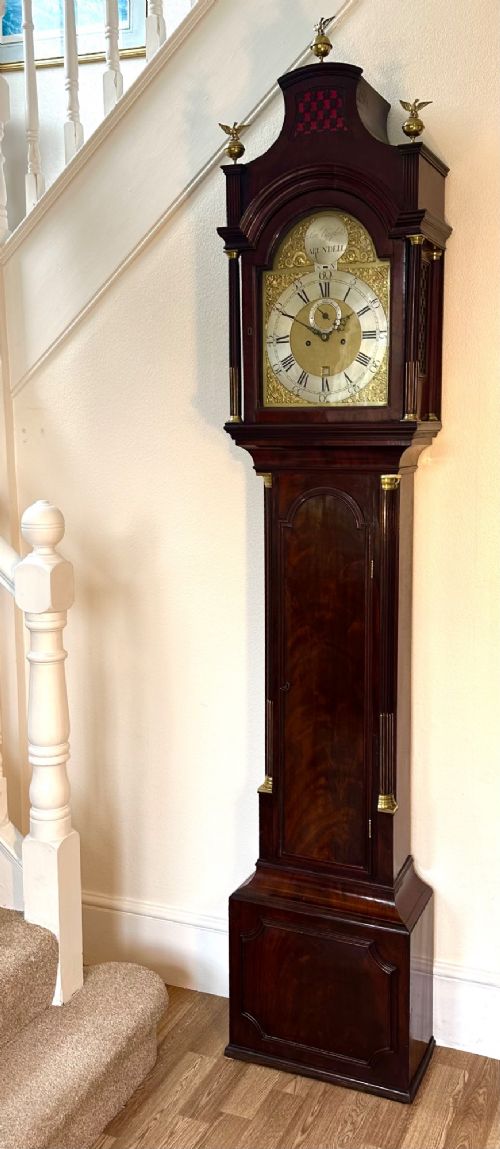
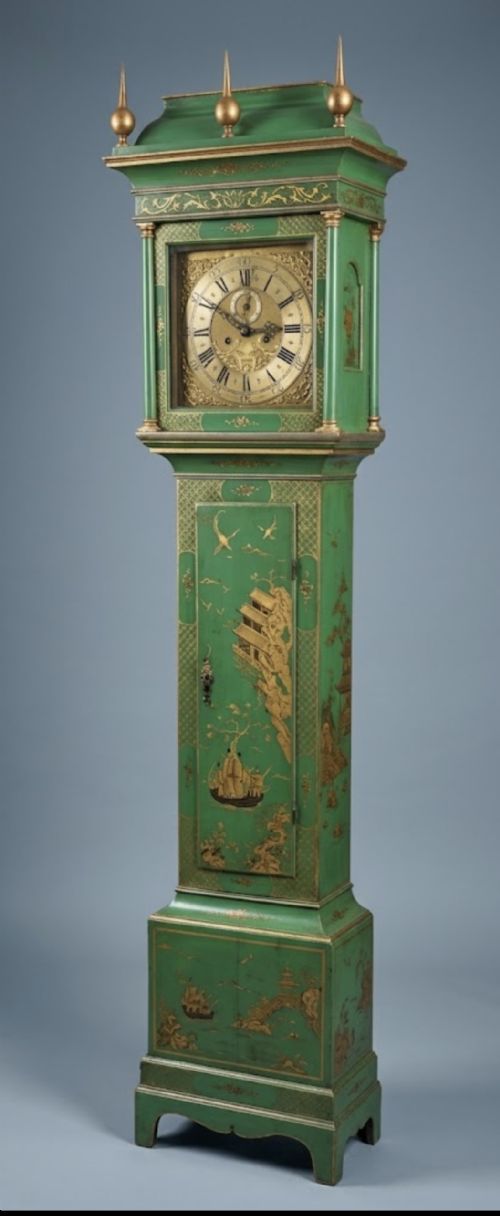
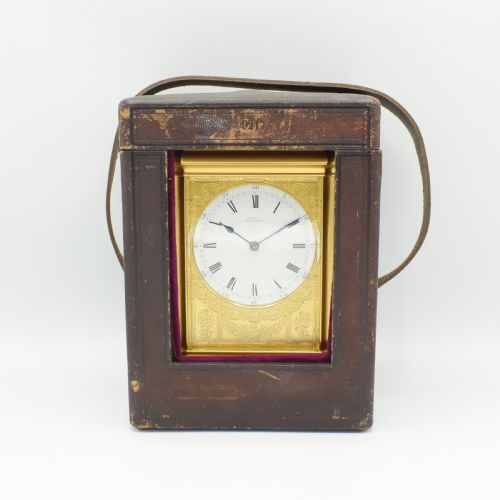
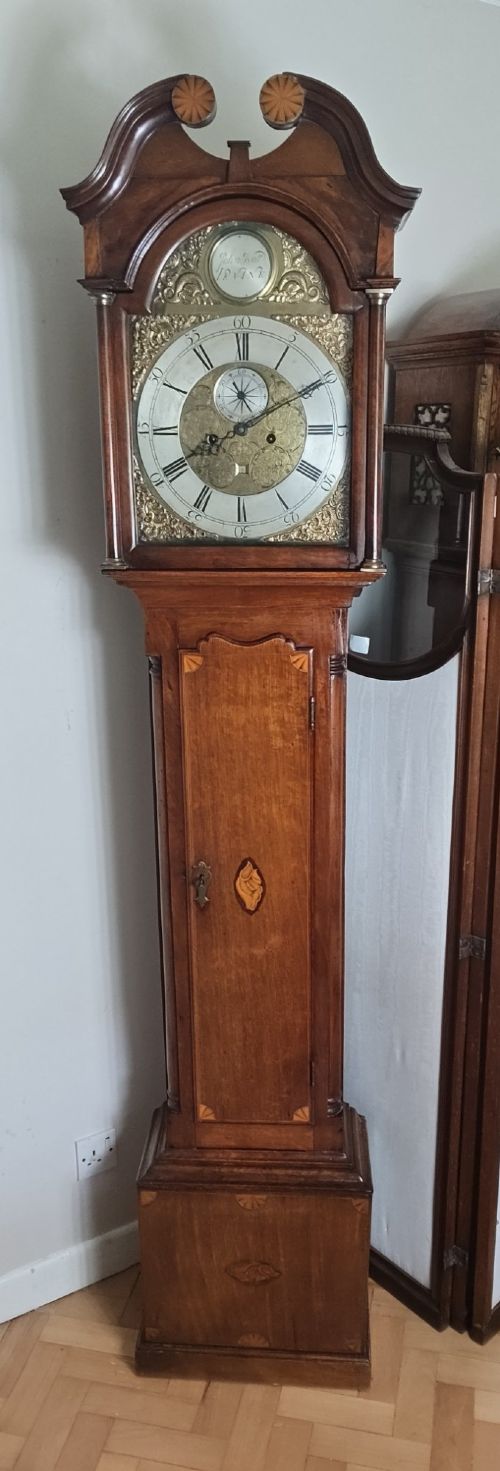
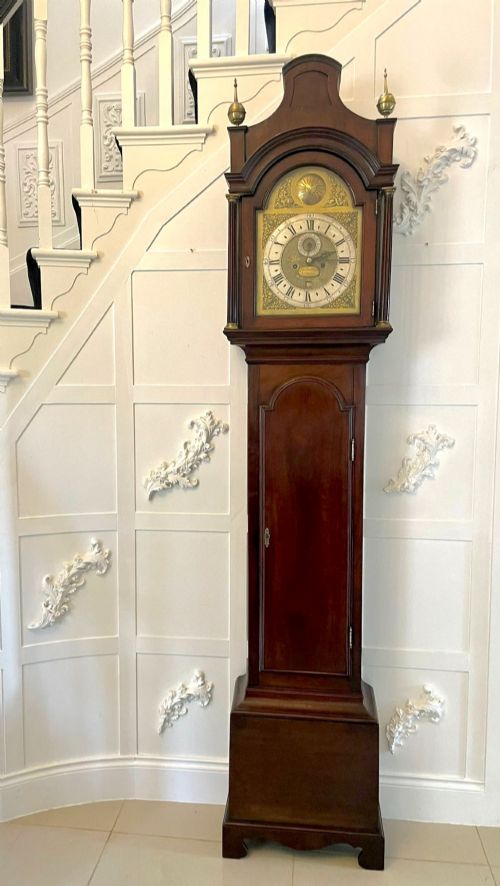
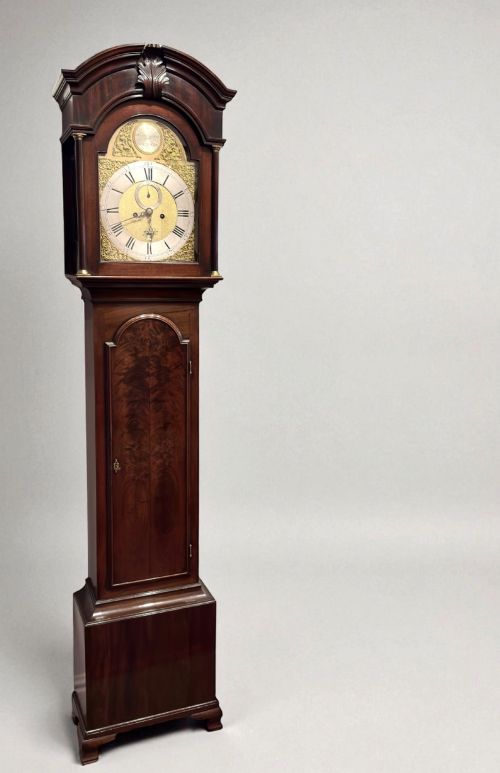
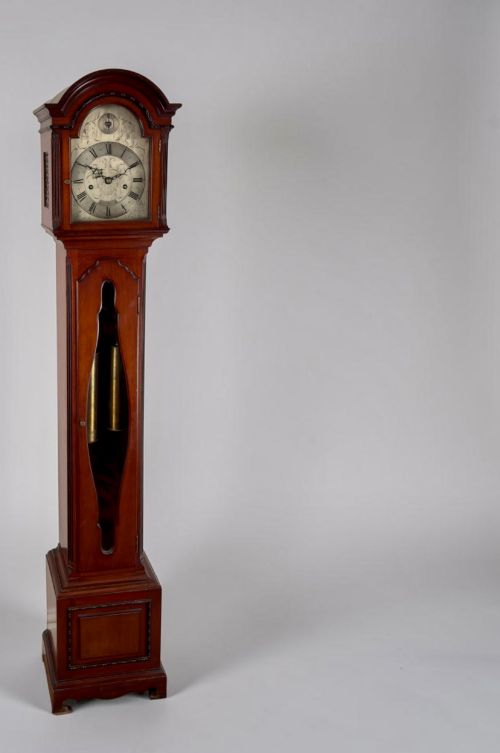
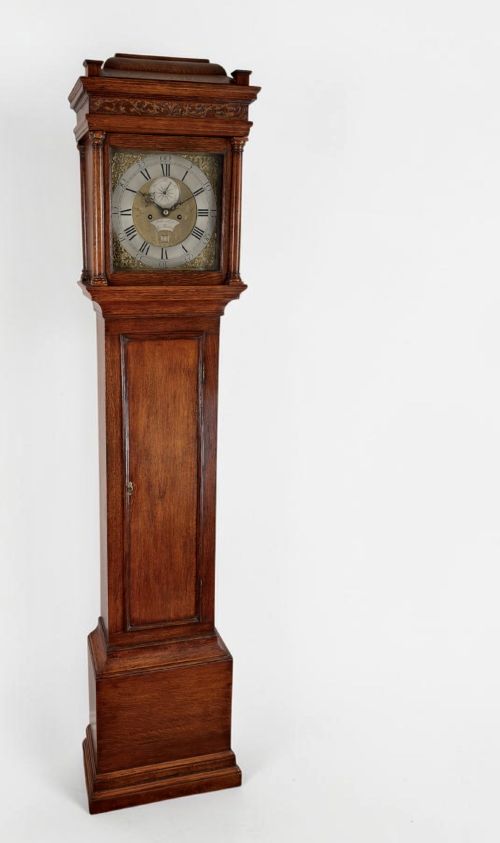
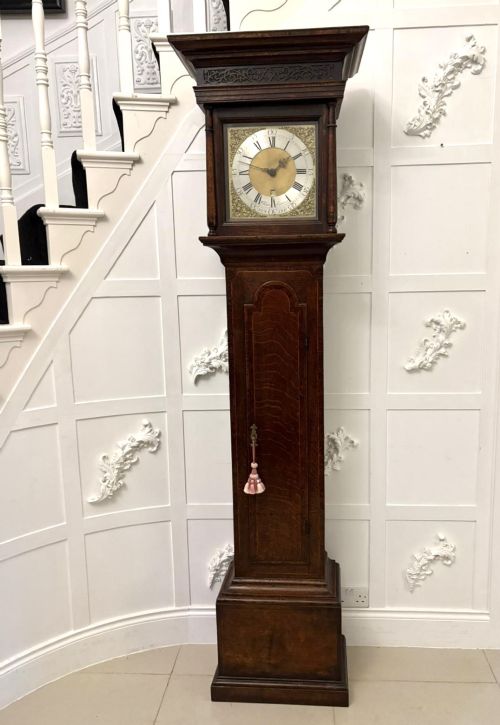
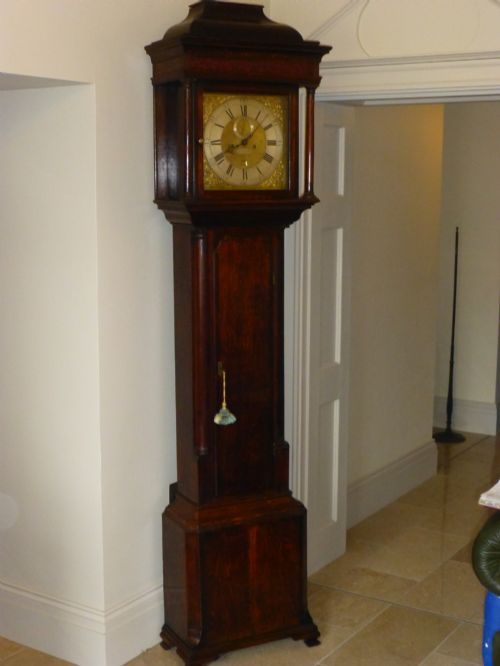
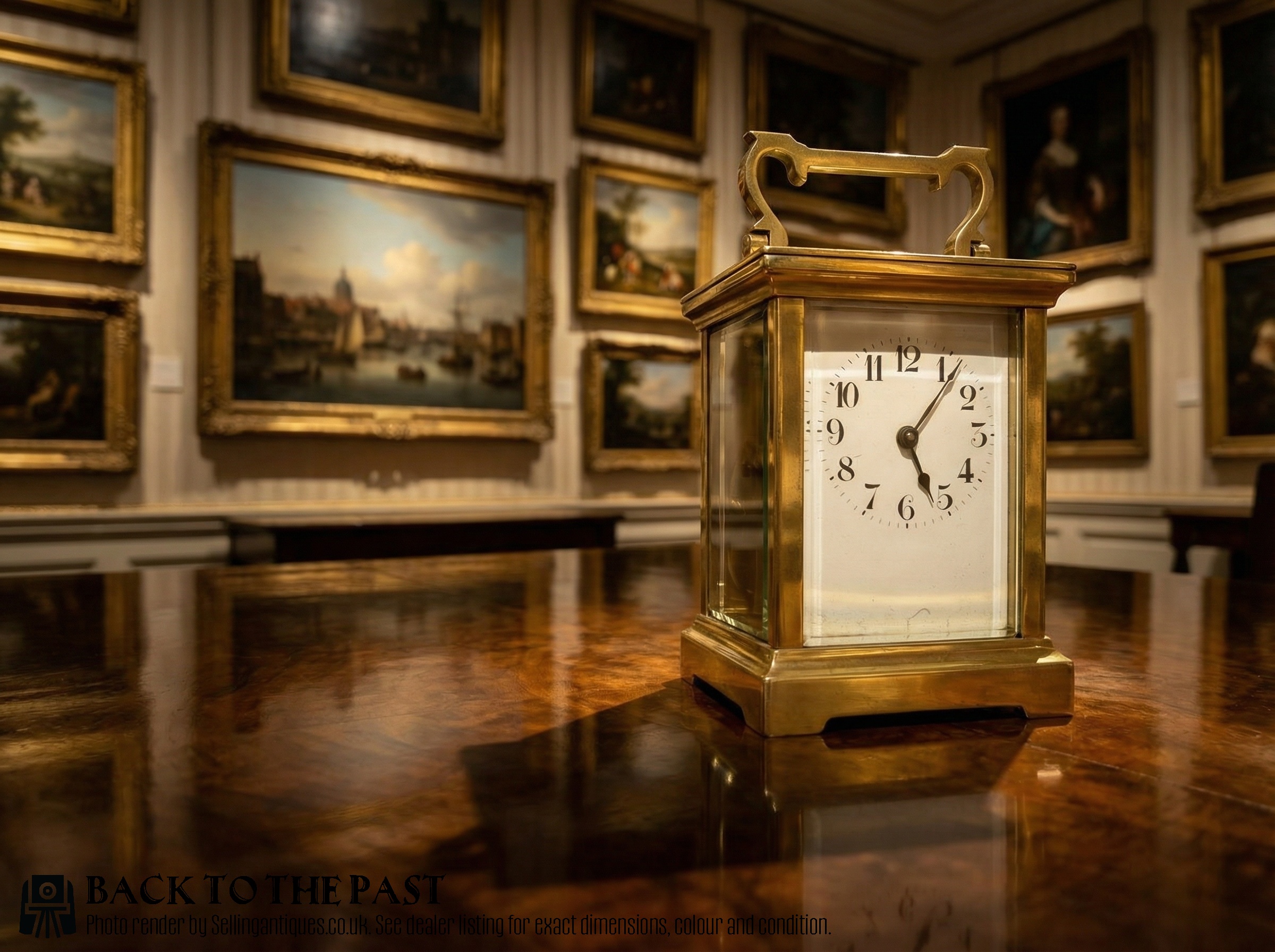
A brass case clock encompasses a wide variety of timepieces, from towering floor models to portable travel pieces designed for a desk or shelf. When searching for a brass case clock, the buyer most frequently meets tall longcase versions with brass dials alongside smaller carriage clocks housed in glazed metal frames.
The objects span multiple eras, with Georgian, Victorian, and Edwardian examples dominating the selection. Forms range from substantial oak and mahogany grandfather clocks to delicate French mantel and carriage pieces equipped with travel cases.
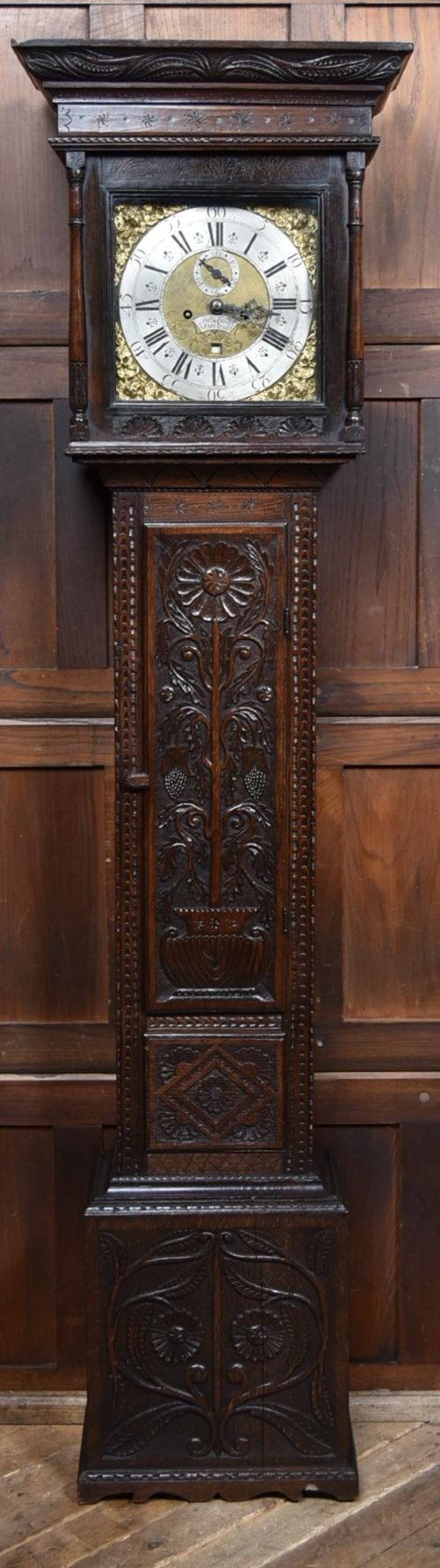
Regional variations appear regularly, including Scottish and provincial English longcase clocks signed by local makers alongside London workshop productions and imported French designs.
Materials and construction
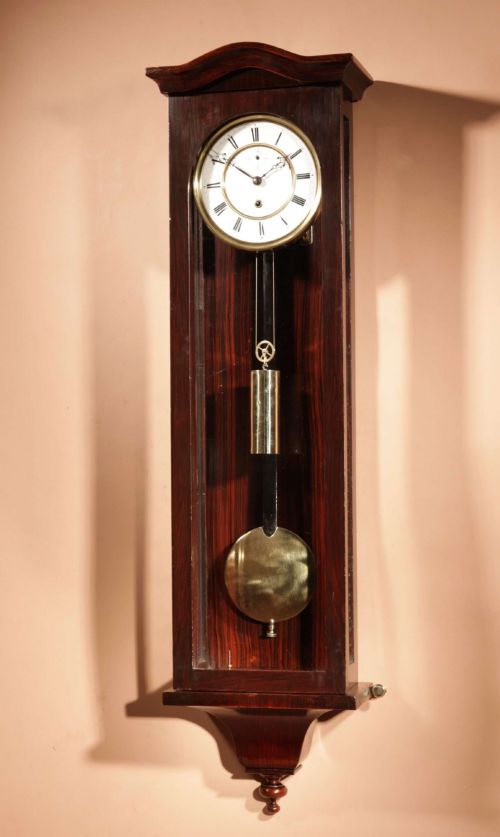
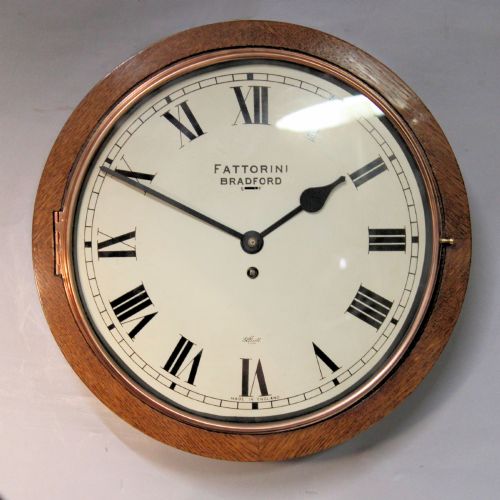
Makers constructed these timepieces utilising sturdy timber frames of oak, mahogany, walnut, or ebonised wood to house intricate internal movements of steel and brass. Glass panels protect delicate dials and permit views of the mechanical escapements within carriage clocks and wall regulators.
Dials combine engraved and silvered brass plates, often featuring applied brass spandrels in the corners, enamel chapters, or moon phase mechanisms. Exterior cabinetry frequently incorporates marquetry, inlay, or carved details executed in the prevailing style of the period.
Some travel clocks arrived with their original leather cases, proving that previous owners took timekeeping very seriously on the move.
Assessing quality
Quality reveals itself in the precision of the engraved brass dial, the depth of the casting in the spandrels and bezels, and the selection of figured timber veneers for the housing. Superior examples feature complex movements, such as three-train chiming mechanisms, strike-repeat functions, or musical bells.
The integrity of the original components, from the brass finials and dial plates to the fitted leather travel cases on portable models, distinguishes standard production from exceptional workshop output.
Charles Shuckburgh·Gillett & Johnston·Henri Jacot·James McCabe·Handley & Moore·Winterhalder
The Brass Case Clock Glossary
- Carriage clock
- A portable spring-driven timepiece designed for travel, typically featuring a glazed brass case with a handle on top.
- Longcase clock
- A tall pendulum clock enclosed in a wooden case, commonly known as a grandfather clock.
- Fusee
- A conical pulley used in clock movements to maintain an even pull as the mainspring unwinds.
- Spandrel
- An ornamental corner piece applied to the dial of a clock, frequently cast in brass.
- Gorge case
- A specific stepped-top brass case style commonly found on French carriage clocks from the nineteenth century.
Brass Case Clock: Frequently Asked Questions
What is a carriage clock?
A carriage clock is a portable timepiece housed in a brass frame with glass panels, originally built for travellers in the nineteenth century.
These pieces often include a folding handle and come with a protective leather travel case for mobility.
How do I tell an 18th-century longcase clock from a Victorian one?
Eighteenth-century longcase clocks typically feature square or arched brass dials with cast brass spandrels mounted on oak or mahogany trunks. Victorian examples often display darker finishes, ebonised details, or different dial proportions influenced by later revival styles.
Examine the timber grain, dial construction, and interior movement signatures to establish the period accurately.
Were all grandfather clocks made in London?
Many fine longcase clocks originated in London workshops, but provincial makers across England, Scotland, and Wales produced substantial numbers of signed timepieces.
Regional variations in timber choice and dial engraving often identify the local maker and origin town.
How do I care for a mechanical clock?
Mechanical timepieces require a stable environment away from direct heat sources and dramatic temperature fluctuations to maintain accuracy. Regular professional servicing ensures the brass and steel gears operate smoothly without excessive wear.
Wind the clock carefully according to its specific movement type, whether eight-day, single fusee, or multi-train.