
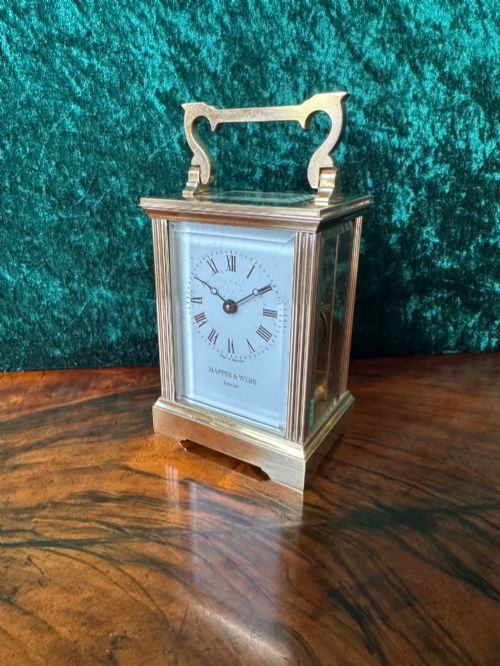
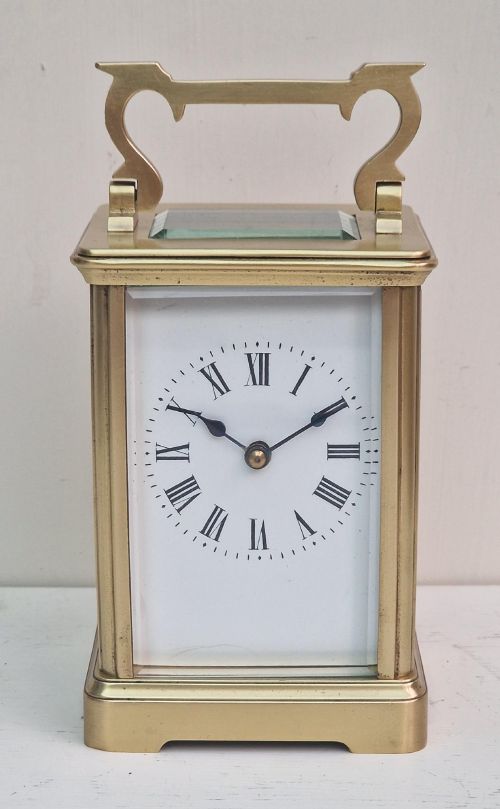
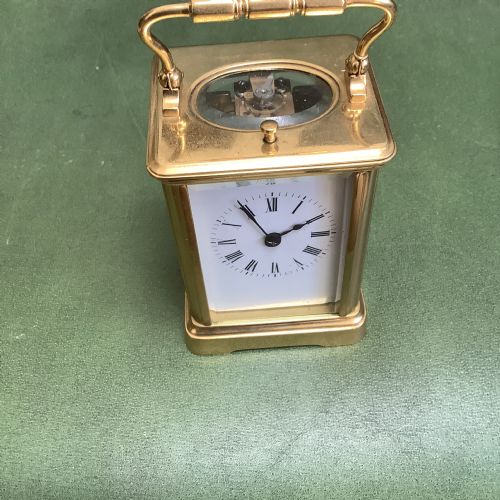
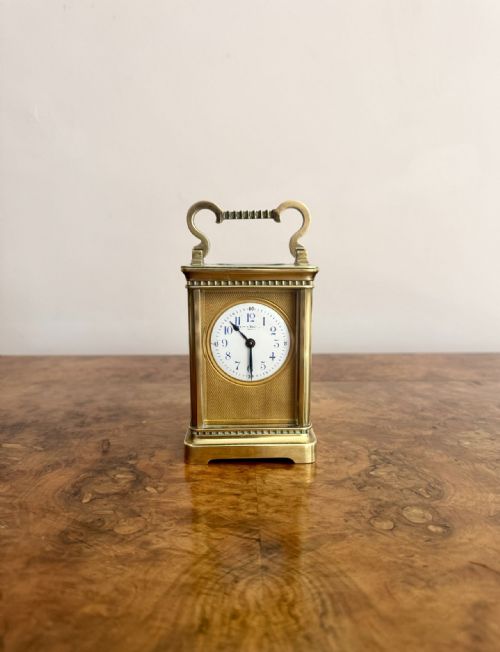


Victorian Glass Carriage Clock
A victorian glass carriage clock brings precision engineering into a portable brass frame, offering the timeless charm of nineteenth century horology.
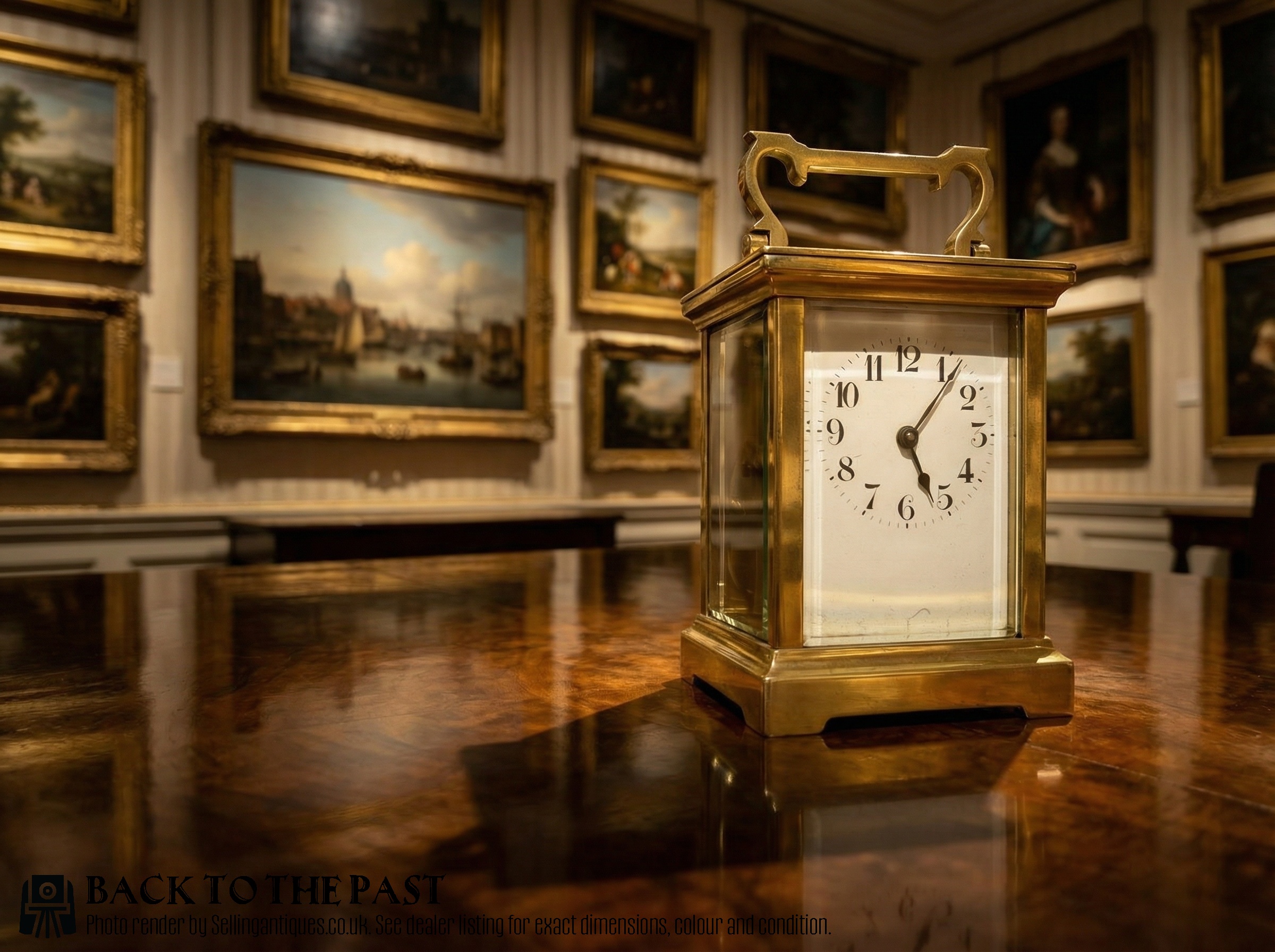
Victorian Glass Carriage Clock
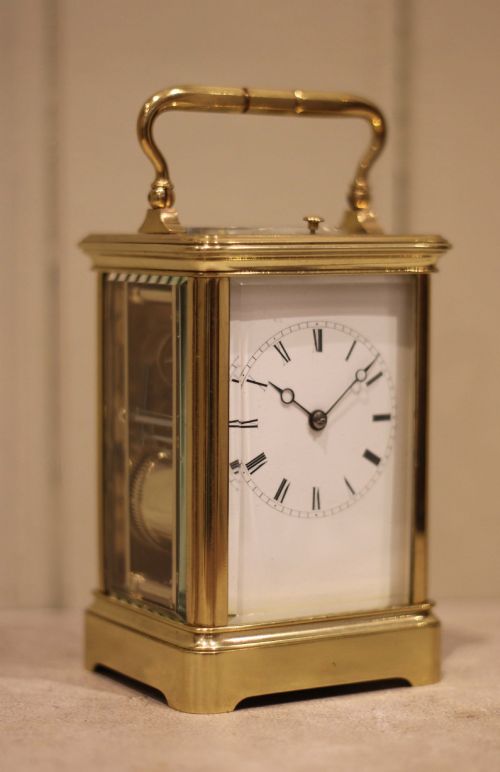
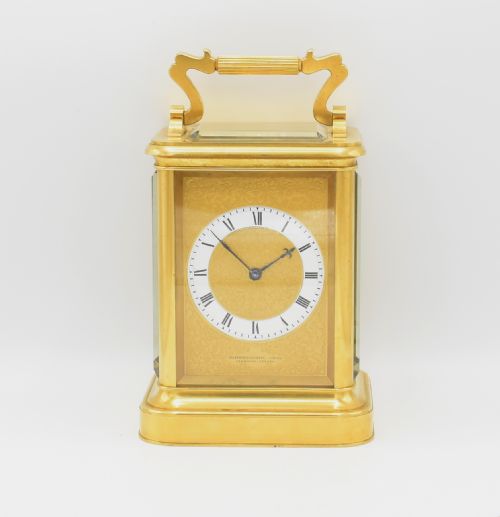
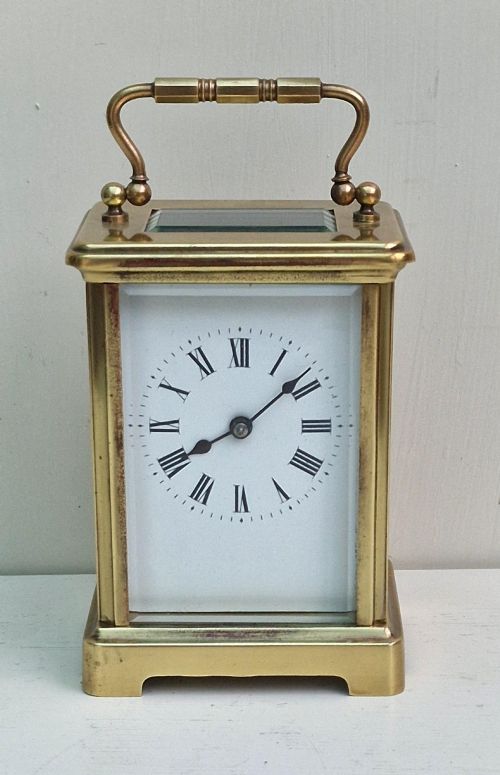
When you search for a victorian glass carriage clock, you encounter timepieces that bridge the gap between portable travel instruments and elegant domestic objects. These pieces typically feature a brass or gilt brass frame inset with bevelled glass panels that reveal the intricate movement within.
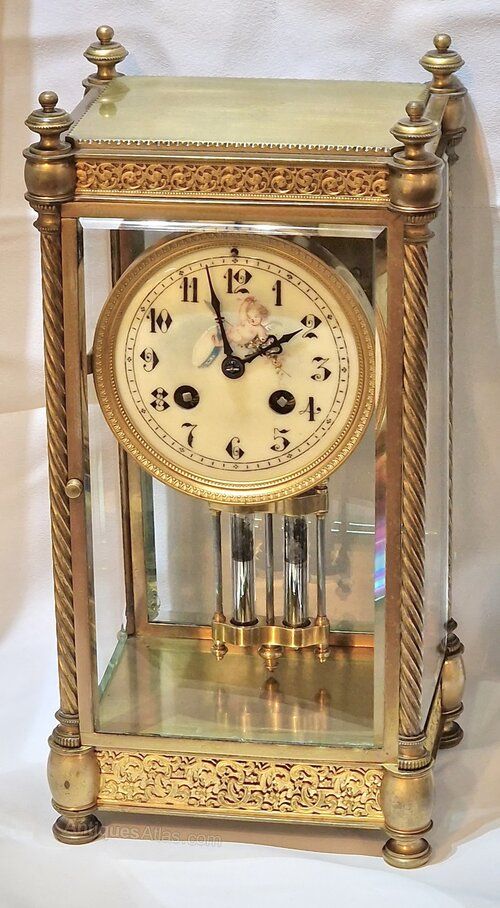
The selections available span the nineteenth century, with strong representation from French workshops and British retailers. Forms range from miniature timepieces and serpentine cases to large striking and repeating carriage clocks alongside related four glass mantel clocks.
Materials and construction
Makers built these clocks using substantial brass, gilt brass, or ormolu frames fitted with thick bevelled glass panels. Steel components operate within the mechanical gear trains, while enamel dials provide a clean surface for roman or arabic numerals.
Many examples incorporate leather for presentation or travel cases, protecting the polished metal exteriors. Engraved brass masks, gilt mounts, and chased side panels frequently decorate the structural housing.
Some travel clocks arrived with sturdy leather cases so officers could track hours while bouncing across rough colonial roads.
Assessing quality
Quality reveals itself in the weight and thickness of the brass casting, the crispness of the engraving on the case, and the complexity of the movement. Pieces with repeating mechanisms, bell strikes, or alarms demand finer adjustment and more intricate parts than simple timepieces.
The clarity of the enamel dial and the presence of signed plates from known makers elevate an example above standard production models. Details such as serpentine glass forms and fully engraved gilt masks distinguish the superior pieces from plain variants.
Goldsmiths Alliance Ltd·Mappin and Web·Duverdrey and Bloquel·Delépine Barrois·Samuel Marti·Drocourt
The Victorian Glass Carriage Clock Glossary
- Carriage clock
- A small spring-driven clock designed for travelling during the nineteenth century. These clocks usually feature a swinging handle on top and glazed panels on all sides.
- Gorge case
- A distinct style of carriage clock case featuring stepped mouldings at the top and bottom of the frame. This form appears frequently in better quality French productions.
- Repeating movement
- A mechanism that chimes the last hour or quarter-hour on demand when a button or pendant is pressed. This complication adds considerable mechanical interest to the timepiece.
- Four glass clock
- A mantel clock housed in a brass and glass case that exposes the entire movement and pendulum to view. These larger formats share stylistic elements with standard carriage clocks.
- Escapement
- The internal mechanism that controls the release of the gear train to maintain accurate time. The platform escapement is standard in portable carriage clocks.
Victorian Glass Carriage Clock: Frequently Asked Questions
How do I wind a carriage clock?
Use the appropriate key on the winding squares located on the backplate of the movement. Turn steadily until you feel firm resistance, taking care not to overwind.
Most eight-day movements require attention roughly once a week to maintain continuous operation. Ensure the clock stands on a level surface while winding.
Why does my clock run fast or slow?
Temperature changes and ageing oils affect the expansion of the balance spring within the platform escapement. Adjustments are made via the small regulating lever visible on top of the movement.
Move the regulator slightly towards the fast or slow indicator as needed. Small incremental adjustments yield the best results over a twenty four hour period.
Were these clocks actually carried in carriages?
Originally designed for military officers and travellers, they provided reliable portable time before reliable wristwatches existed. Sturdy leather outer cases protected them during transit across rough roads.
Over time, they transitioned from practical travel accessories into decorative domestic ornaments for the mantelpiece or desk.
How do I identify a French movement?
French movements often feature maker stamps, serial numbers, or exhibition medals struck directly onto the brass backplate. The use of a platform cylinder or lever escapement is typical of nineteenth century French workshops.
British examples occasionally bear retailer signatures on the dial or movement, reflecting different trade practices of the period.