

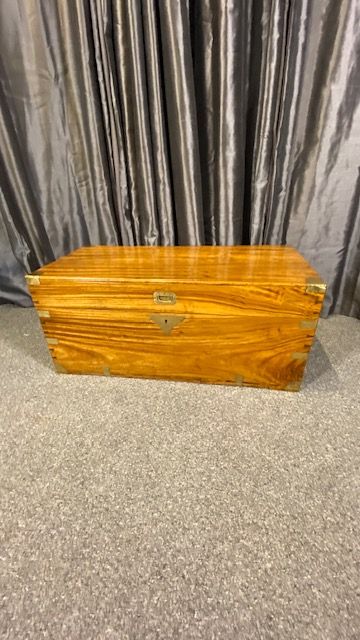
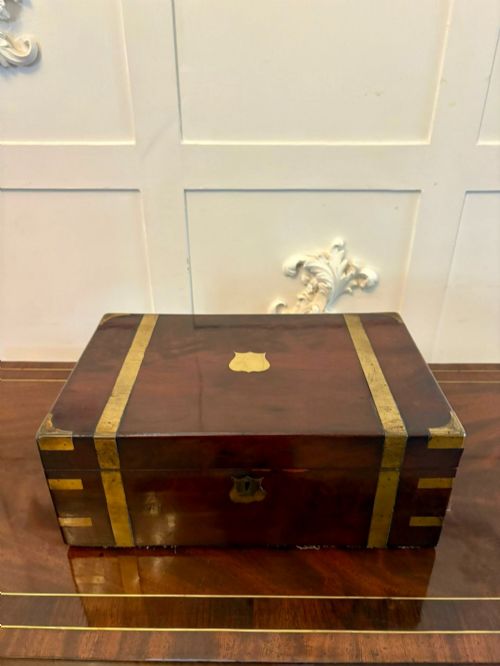
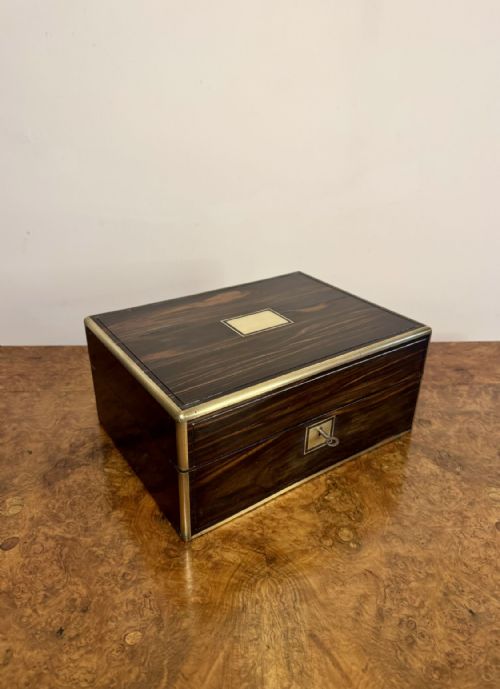
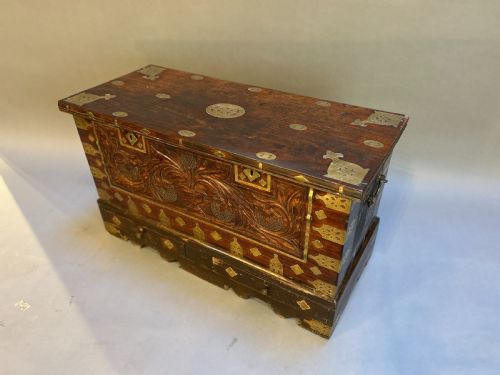
Brass Bound Wooden Box
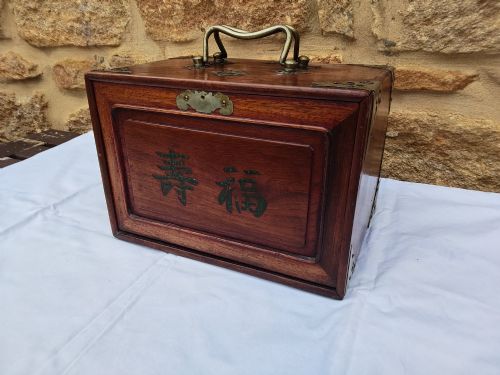
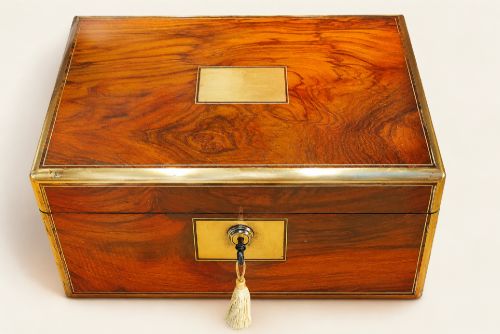
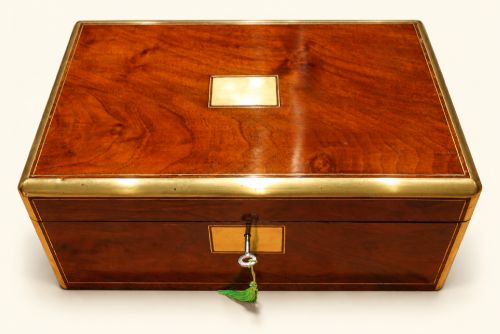
A brass bound wooden box combines functional transport with polished timber and heavy metal fittings designed to travel.
Brass Bound Wooden Box
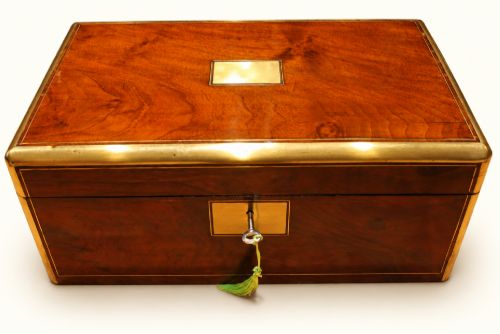
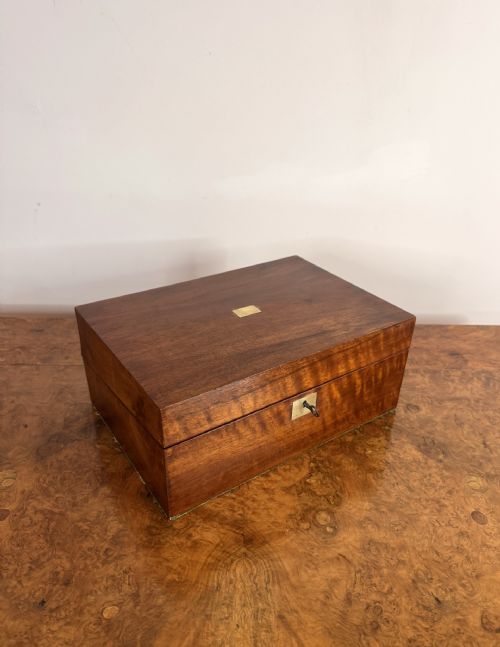
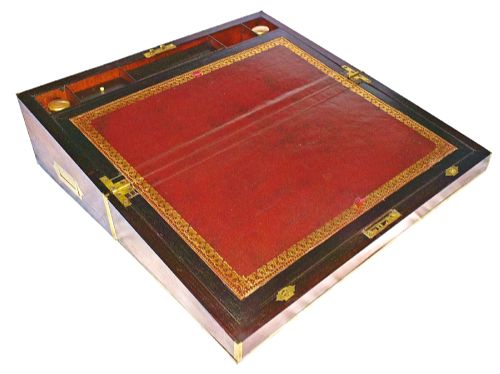
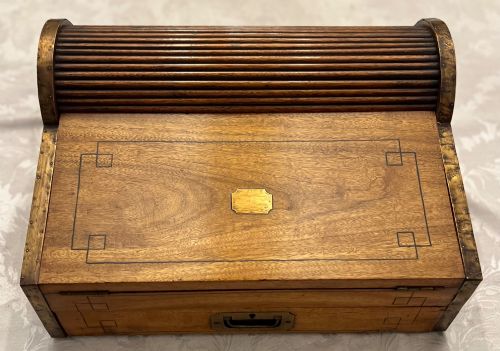
A brass bound wooden box serves as a durable receptacle built for storage, correspondence, or travel during the seventeenth, eighteenth, and nineteenth centuries. Buyers searching for a brass bound wooden box encounter forms such as military campaign chests, writing slopes, deed boxes, and storage trunks.
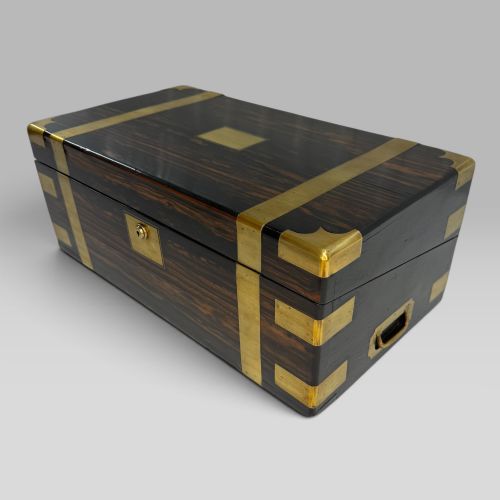
The Victorian and Georgian periods dominate the selection, alongside earlier seventeenth and eighteenth-century examples originating from Anglo-Indian, Portuguese Colonial, and Scandinavian makers. Mahogany, camphor wood, and walnut provide the primary timber structures, reinforced with brass corners, straps, and corner brackets.
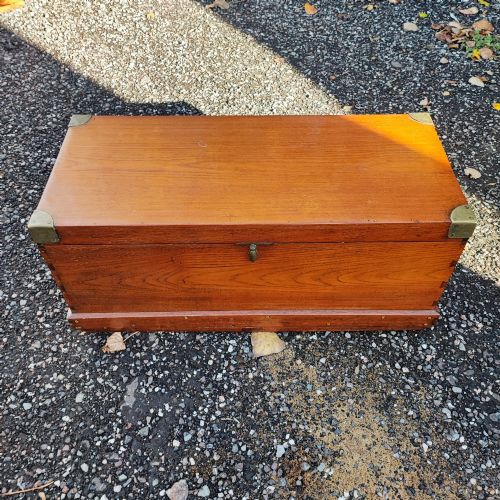
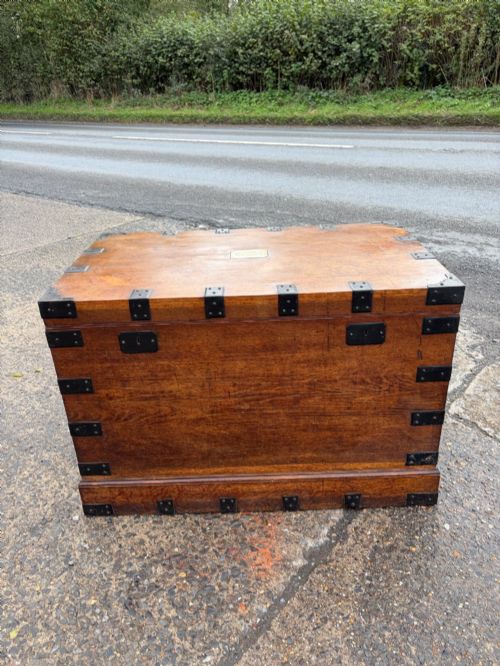
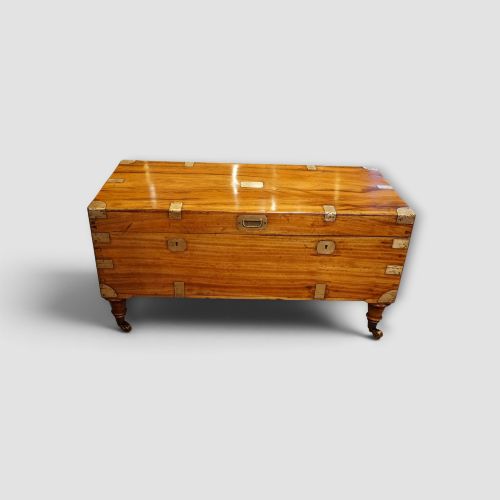
Smaller tabletop writing boxes sit alongside large camphor wood trunks and travelling chests equipped with hinged lift-up tops and iron or brass hardware. These objects reflect a history of global transit, domestic record-keeping, and portable property.
How they were made
Cabinetmakers constructed these pieces using dense hardwoods such as mahogany, teak, padouk, and camphor wood, which resisted humidity and heavy handling during transit. Timber panels joined through precise joints to house fitted interiors, secret drawers, and sloping writing surfaces.
Metalworkers embedded brass corners, binding strips, strapping, and flush-fitting drop handles directly into the wood to protect vulnerable edges from impact. Iron hardware and brass stud decoration also appear on heavy storage trunks and colonial coffers.
Brass Bound Wooden Box Retail Price Guide 2026
Typical asking prices for brass bound wooden box among the pieces listed under this phrase on Sellingantiques today, from the lower quarter to the upper quarter. They describe what is for sale here now, not the wider market.
Listings feature pieces spanning the seventeenth through the early twentieth centuries, constructed in mahogany, camphor wood, walnut, oak, and teak.
What varies in quality
The distinction between ordinary utility items and superior examples lies in the selection of figured timbers, such as burr walnut, coromandel, and rosewood, paired with heavy gauge brass work. Superior pieces retain original recessed carrying handles, working locks with keys, and finely dovetailed internal compartments.
Construction robustness and the precision of the metal binding differentiate standard domestic boxes from pieces built for military officers and distant voyages. The integrity of the timber joints and the retention of original surface patination dictate the standing of each piece.
The Brass Bound Wooden Box Glossary
- Campaign chest
- A modular storage chest built in two or more stacking sections for easy transport by military officers on active service. These units feature recessed brass handles and corner brackets to prevent snagging.
- Writing slope
- A portable desktop box with an angled, hinged lid that opens to reveal a velvet or leather-lined writing surface, inkwell compartments, and stationery storage. Many include hidden secret drawers beneath the primary writing platform.
- Camphor wood
- An aromatic hardwood native to Asia, utilised extensively for military trunks and overseas storage chests because its natural scent repels insects. The timber exhibits a distinct grain and warm tone.
- Deed box
- A secure container designed for holding legal documents, land titles, and important correspondence, typically reinforced with heavy brass banding and fitted with a robust lock.
- Coffre fort
- A strongbox or heavily reinforced chest used for storing valuables, currency, and precious documents securely during travel or domestic storage.
Brass Bound Wooden Box: Frequently Asked Questions
What is a brass bound wooden box used for?
These boxes served multiple functions, ranging from the transport of military equipment and personal papers during campaigns to domestic storage for letters and valuables.
Today, they operate as functional coffee table storage, desktop writing desks, or decorative focal points within a room.
How do I identify a military campaign box?
Military pieces feature flush-fitting brass handles, reinforced corners, and sectional designs that allowed officers to pack and transport their belongings easily.
They are frequently constructed from durable timbers like camphor wood or mahogany to withstand harsh climates.
What woods are commonly found in these boxes?
Mahogany, camphor wood, walnut, and oak form the primary body of these pieces, with occasional use of exotic hardwoods like padouk and coromandel.
Decorative veneers such as burr walnut and rosewood appear on finer Victorian and Georgian writing slopes.
How should I care for an antique wooden box?
Keep wooden boxes away from direct sunlight and sudden temperature changes to prevent the timber from warping or splitting.
Apply a traditional wax polish occasionally to nourish the surface and maintain the natural lustre of the grain and brass.