
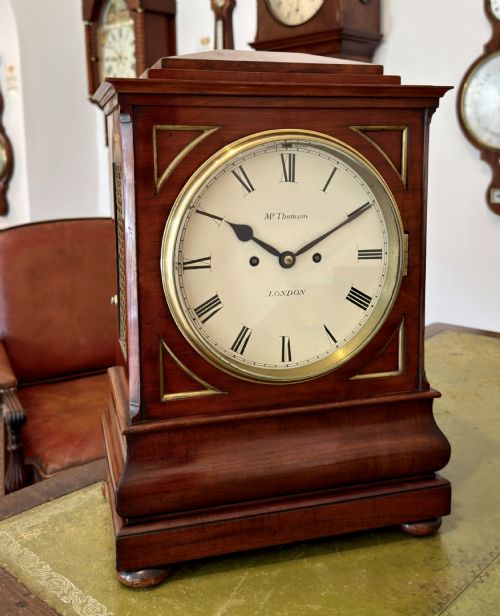
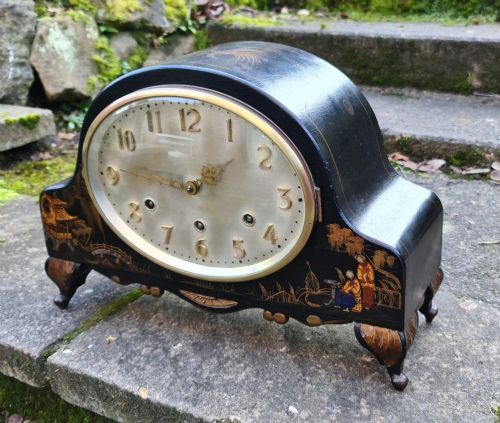
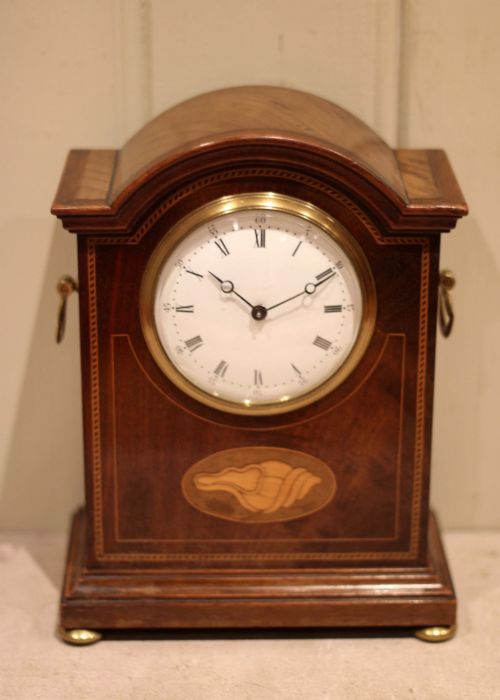
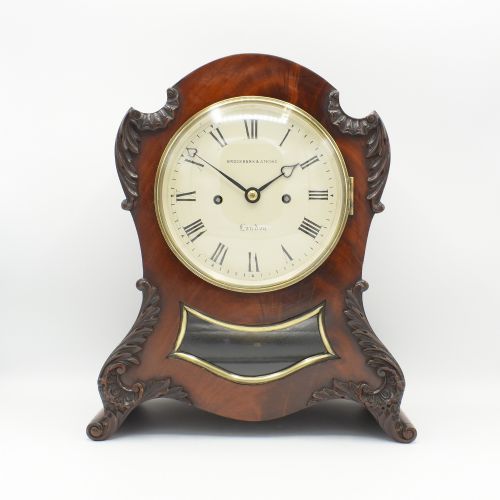


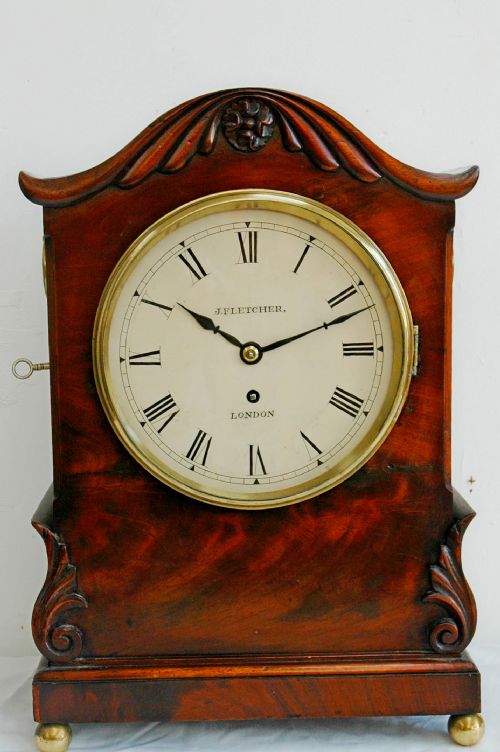
Brass Bezel Table Clock
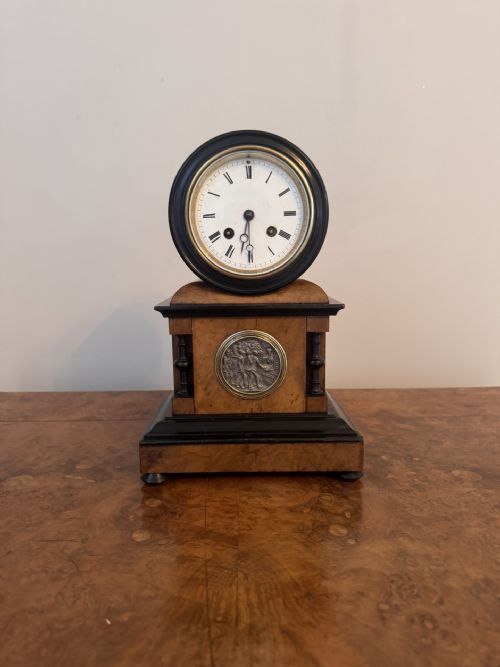
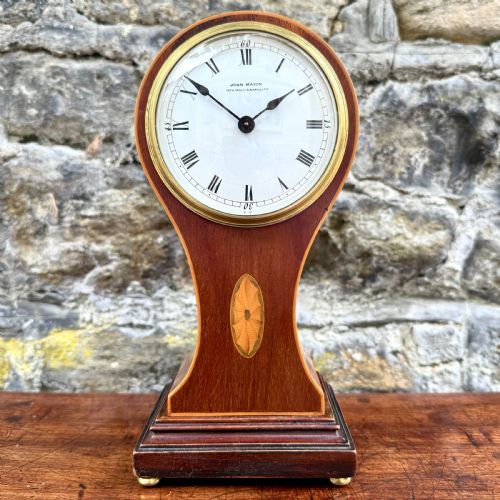
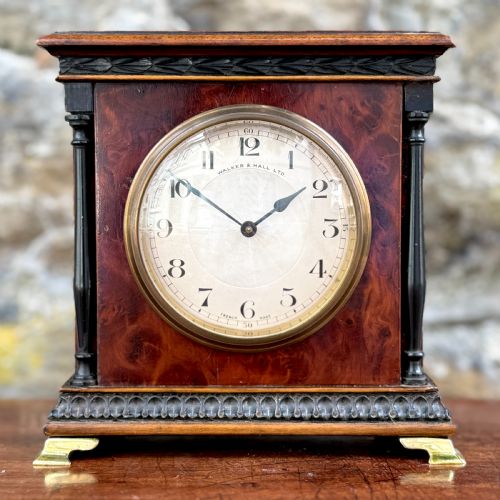
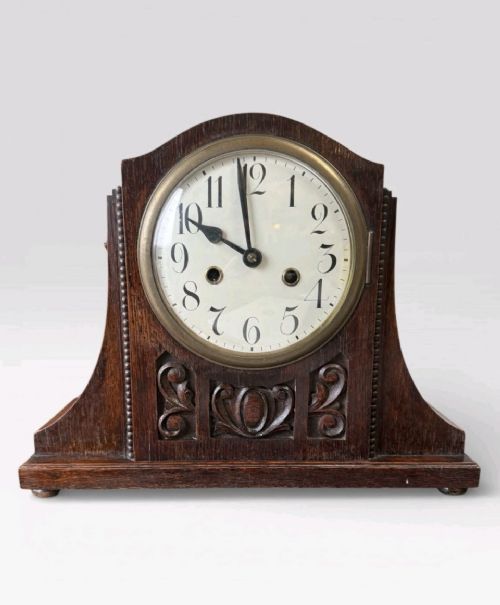
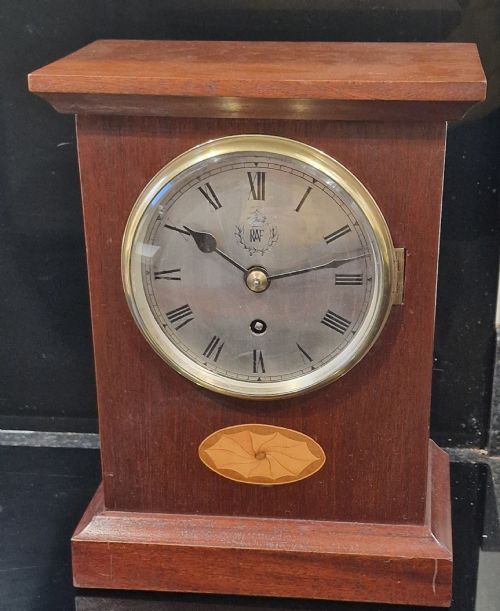
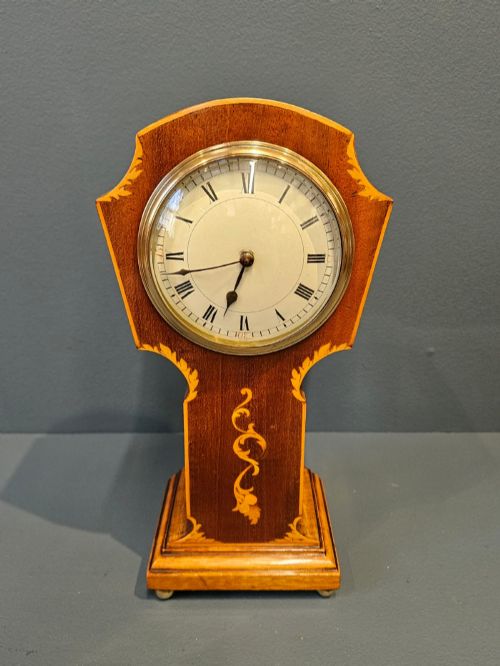
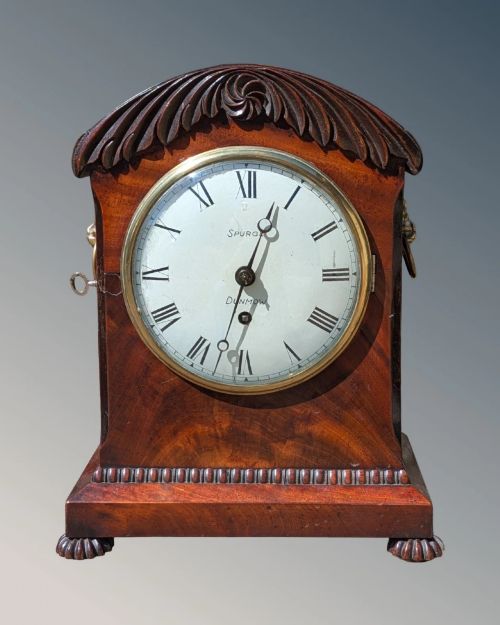
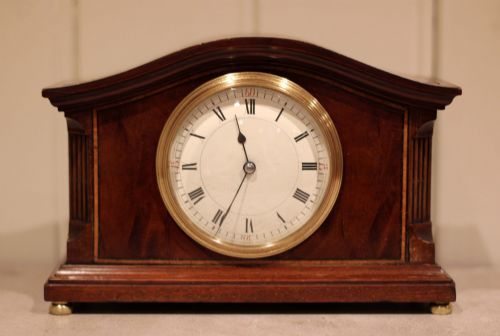
A brass bezel table clock sits on the mantel or desk, enclosing a white enamel or silvered dial behind heavy glass.
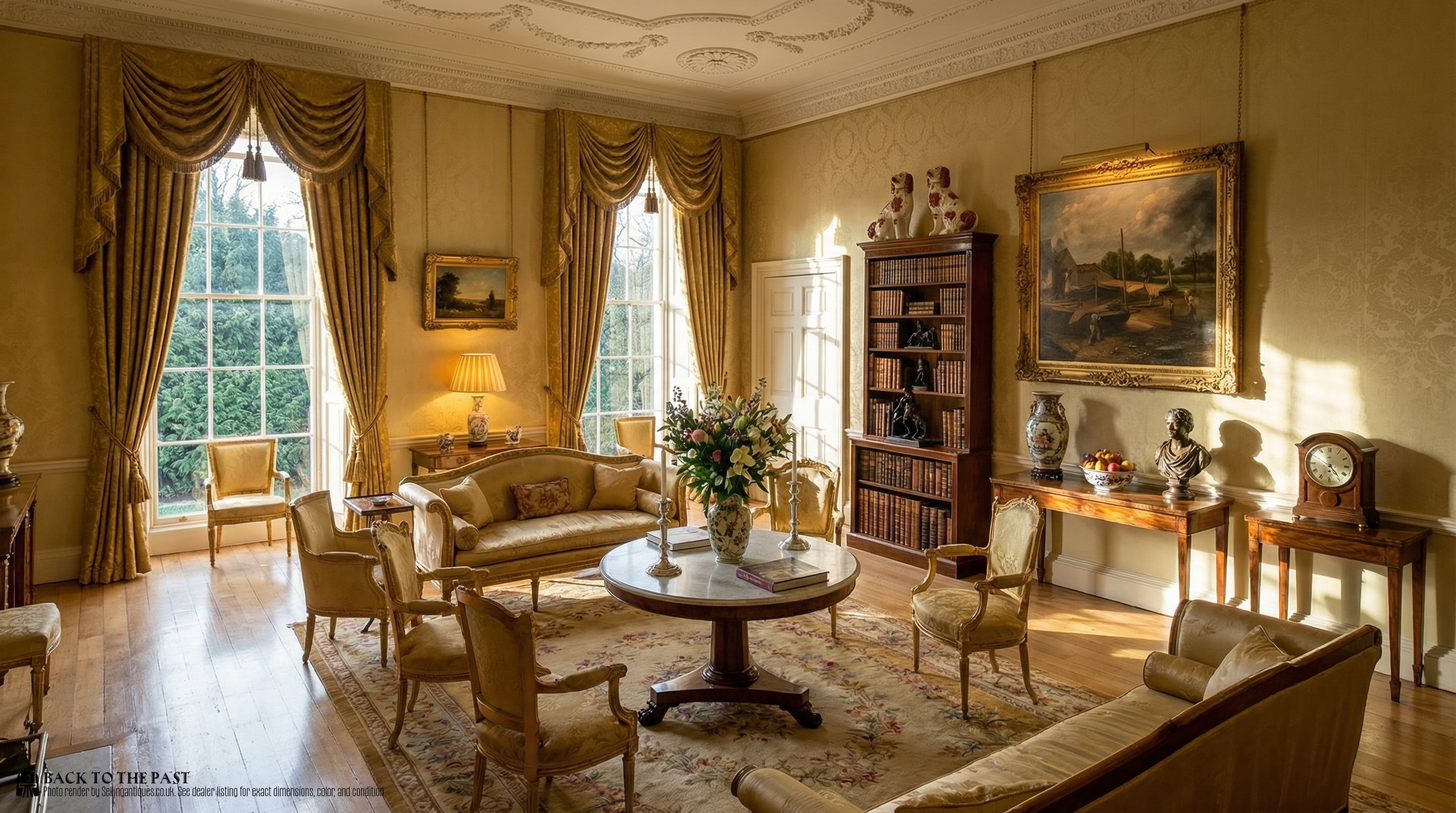
Brass Bezel Table Clock
A brass bezel table clock is a timekeeper designed for domestic or institutional interiors, ranging from compact desk pieces to large mantel and bracket clocks. When searching for a brass bezel table clock, buyers encounter forms that span several centuries and varying architectural styles.
The materials enclosing the movement shape the character of each piece. Common timber housings include mahogany, satinwood, oak, ebony veneer, and rosewood, alongside marble, lacquered finishes, and faux tortoiseshell cases.
The origins and dates stretch from the Regency and Victorian eras through the Edwardian period and into the interwar years. These timepieces served in domestic drawing rooms, officers' messes, and public spaces, reflecting the prevailing taste of each decade.

Materials and construction
Casework relies heavily on seasoned timbers such as mahogany and oak, frequently enhanced with boxwood inlay, marquetry, or painted Chinoiserie decoration. Metal components, particularly brass bezels and cast mounts, frame glass viewing panels that protect delicate dials.
Movements span mechanical fusee designs, pendulum regulations, and standard spring-driven mechanisms. Dials are constructed from white enamel, brass, or silvered metal, marked with Roman or Arabic numerals and fitted with delicate hands.
Brass Bezel Table Clock Retail Price Guide 2026
Typical asking prices for brass bezel table clock among the pieces listed under this phrase on Sellingantiques today, from the lower quarter to the upper quarter. They describe what is for sale here now, not the wider market.
Listings feature mahogany, oak, rosewood, and marble cases housing mechanical movements from the nineteenth and early twentieth centuries.
Assessing craftsmanship
Quality rests in the weight of the brass bezel, the clarity of the glass, and the crispness of timber inlay. Superior examples display restrained carving, balanced proportions, and robust mechanical movements signed by reputable makers.
Lesser pieces feature simpler box construction and unbranded movements with standardised components. The integration of materials, such as tight joints in mahogany cases and precise enamel firing on dials, separates utilitarian timepieces from exceptional decorative works.

Thomson of London·Brockbanks & Atkins·Walker and Hall·Spurge Dunmow·W. Burton·Piggin Norwich·Baby and Jannings·Hampson & Son·Louis Recordon·Henry Marc·Jas Whitelaw of Edinburgh
The Brass Bezel Table Clock Glossary
- Bezel
- The metal ring, usually made of brass, that holds the glass protecting the clock face. It often opens on a hinge to allow hand-setting.
- Fusee
- A conical pulley connected to the mainspring by a chain or cord, designed to equalize the driving force as the spring unwinds. This mechanism improves timekeeping accuracy across the power reserve.
- Bracket clock
- A portable timekeeper originally designed to sit on a wall bracket or table. Many feature substantial wooden cases with carrying handles.
- Timepiece
- A clock that indicates the time without striking the hours or quarters. These movements focus solely on going trains.
- Enamel dial
- A face made by fusing powdered glass to a metal substrate at high temperatures. These dials offer a smooth, durable finish that resists tarnishing.
Brass Bezel Table Clock: Frequently Asked Questions
How do I wind a mechanical table clock?
Most mechanical pieces require a winding key inserted into the dial holes to tension the mainspring.
Care must be taken not to over-wind the movement, stopping when resistance is felt.
Where should I place a heavy mantel clock?
Position the clock on a stable, level surface such as a mantelpiece, sideboard, or sturdy desk.
A level foundation ensures the pendulum swings evenly and the movement runs reliably.
How do I identify a fusee movement?
Look inside the case for a conical grooved pulley attached to the mainspring barrel.
This distinct shape houses a chain or cord that regulates the power delivery.
What maintenance do these clocks need?
Periodic professional servicing keeps the mechanical gears clean and lubricated over decades.
Dusting the wooden case with a soft cloth preserves the original polish and timber grain.