


Botanical Porcelain Plate
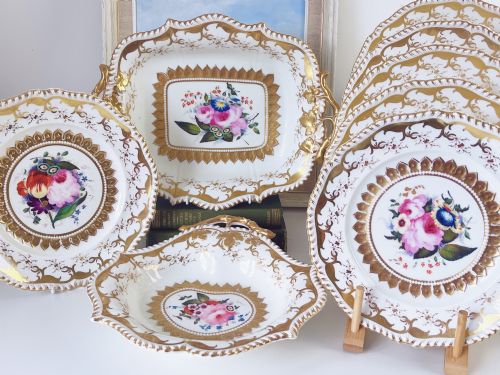
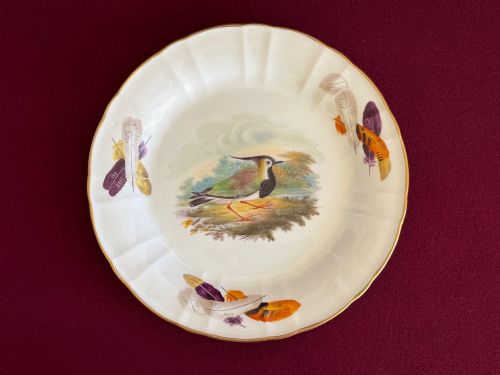
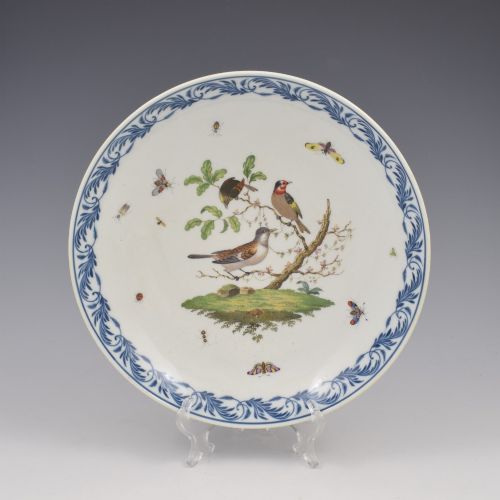
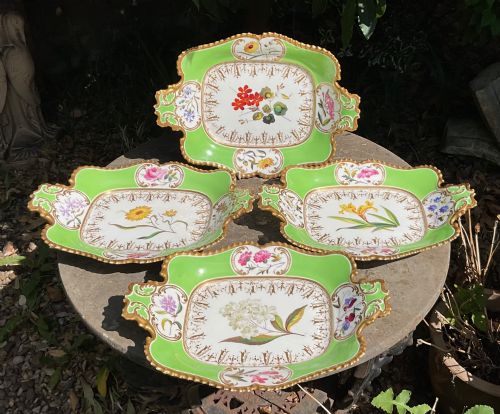
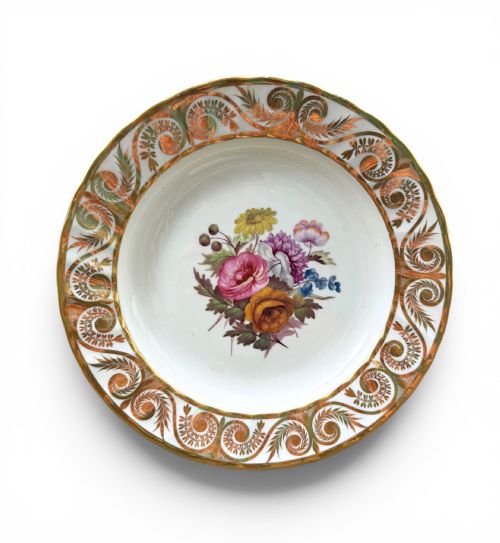
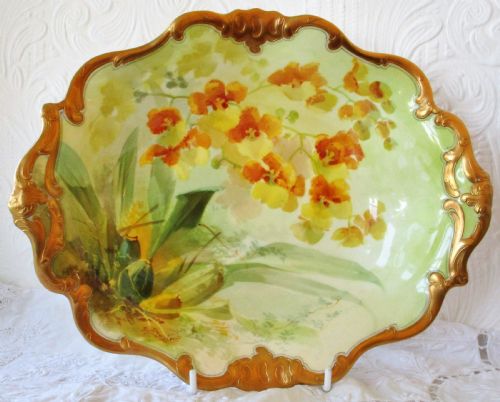
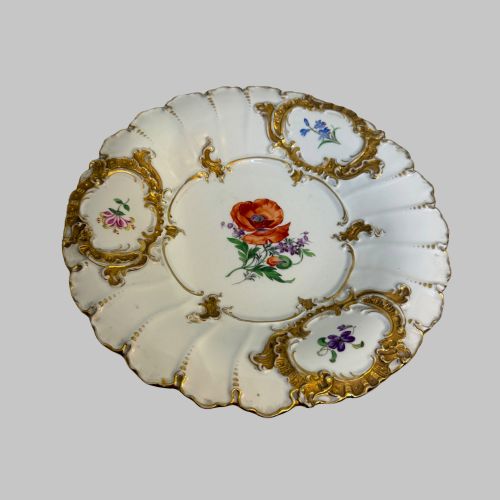
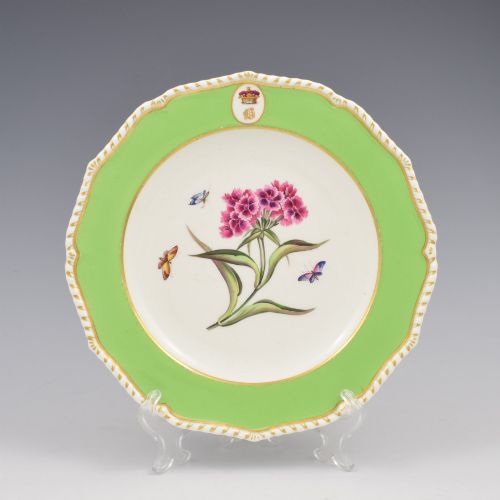
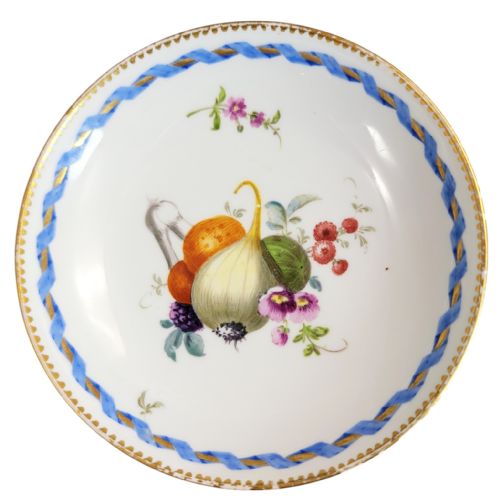
When you search for a botanical porcelain plate, you are looking at hand-painted table wares and cabinet pieces adorned with flora, fauna, and armorial details from the eighteenth century onwards.
Botanical Porcelain Plate
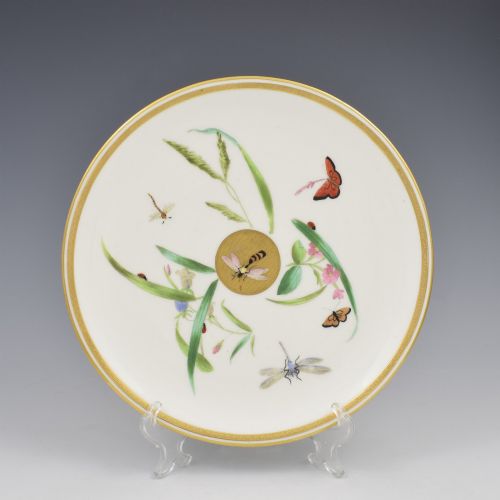
A botanical porcelain plate is typically a cabinet plate, dessert dish, or serving piece created to showcase detailed botanical and ornithological illustrations. Buyers seeking this category encounter English and European factory wares spanning the Georgian, Regency, and Victorian periods.
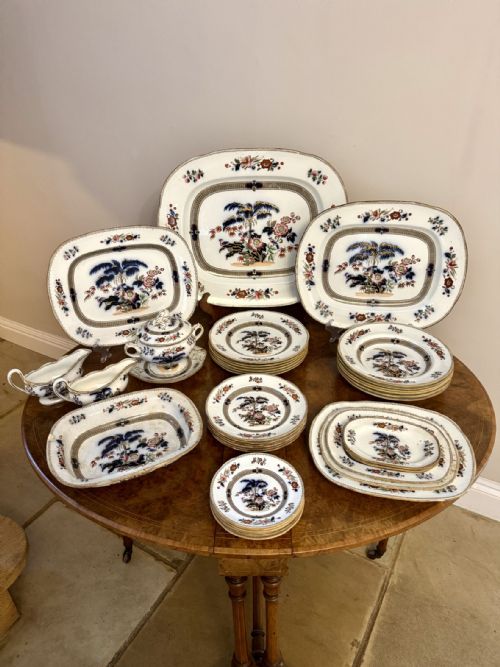
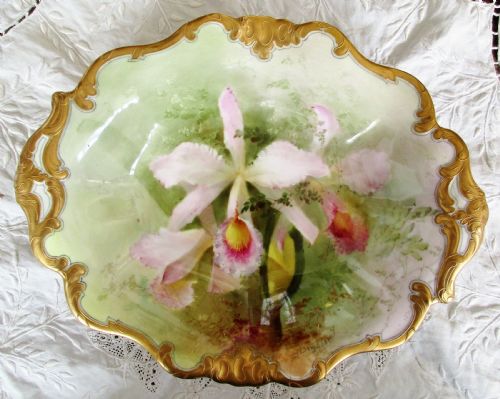
The selections range from single cabinet display dishes to partial dessert services and armorial plates featuring named flowers, birds, and butterflies. Makers utilised hard-paste porcelain, bone china, and enamel decoration to render natural specimens with scientific precision and decorative appeal.
Pieces frequently reflect the aesthetic interests of their era, shifting from eighteenth-century botanical classifications to nineteenth-century romantic floral arrangements and Japanese-inspired motifs. These items served both functional dining roles and display purposes in formal drawing rooms.
Distinctions in quality and execution
Quality rests in the precision and realism of the hand-painted botanical or ornithological subject, where fine brushwork and accurate botanical detail distinguish superior painterly skill. The intricacy of surrounding gilding, armorial crests, and specialised border colours also separates standard production from exhibition pieces.
The reputation of the manufactory and the documented hand of a known porcelain painter elevate the standing of a dish. Preservation of the enamel colours and minimal wear to the gilt highlights across the surface indicate how carefully a piece was kept over the centuries.
Objects span cabinet plates, dessert services, and serving dishes originating from English, German, French, and Asian factories.
Grainger Lee And Co·Chamberlains Worcester·Royal Doulton·Bloor Derby·Barr Flight And Barr
The Botanical Porcelain Plate Glossary
- Cabinet plate
- A decorative ceramic plate intended primarily for display in a cabinet or on a wall rather than for everyday dining use.
- Armorial
- A plate or service featuring painted family coats of arms or crests, frequently commissioned for noble households.
- Hard-paste porcelain
- A true ceramic composition fired at high temperatures using kaolin and petuntse, resulting in a durable, vitrified body.
- Bone china
- An English ceramic body incorporating bone ash, known for its milky translucency and strength.
- Enamel
- Opaque or translucent glass-like material applied to porcelain and fired to create permanent, colourful painted decorations.
Botanical Porcelain Plate: Frequently Asked Questions
What is a botanical plate?
A botanical plate is a ceramic dish featuring hand-painted illustrations of flowers, plants, or birds, often identified with Latin or common names on the reverse.
These pieces were produced by major European and English potteries to celebrate natural history and horticulture during the Georgian and Victorian eras.
How were botanical plates used?
Many of these items formed part of larger dessert services used for the final course of formal dinners, serving fruit, sweetmeats, or confectionery.
Others were made specifically as cabinet plates to be displayed on walls, sideboards, or inside glass-fronted furniture.
How do I date an antique plate?
Dating relies on factory marks stamped, painted, or impressed on the reverse, alongside the style of the border, paste composition, and painting technique.
Handwritten titles of flowers on the back often point toward specific Regency and Georgian production periods when botanical naming was fashionable.
Can I use these plates for food?
While structurally sound, antique porcelain and delicate hand-painted enamel with gold leaf are generally reserved for display and collection.
Modern dishwashers, microwaves, and acidic foods can damage the historic glazes and wear away the fine nineteenth-century gilding.