

Bone Inlay Furniture
Bone inlay furniture brings intricate geometric patterns and exotic timbers into the home, offering striking visual texture.
Bone Inlay Furniture
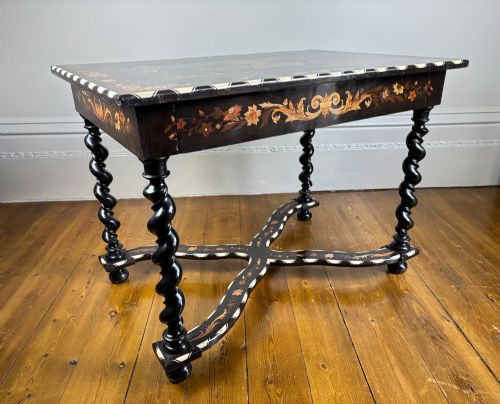
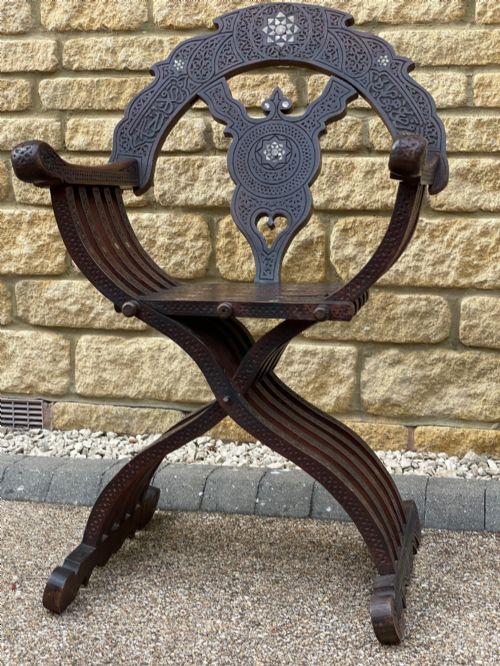
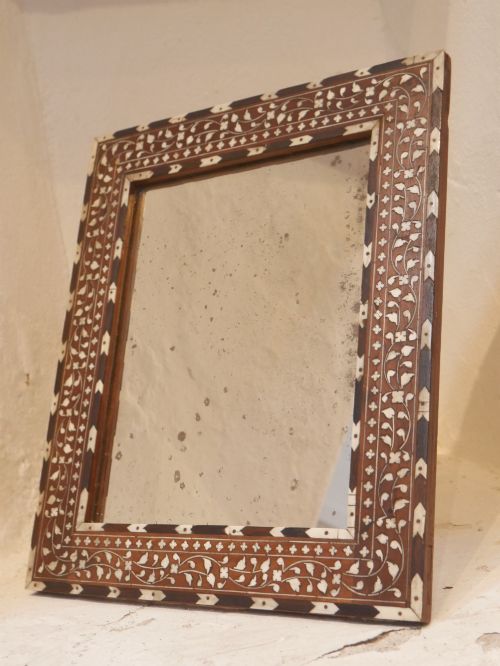
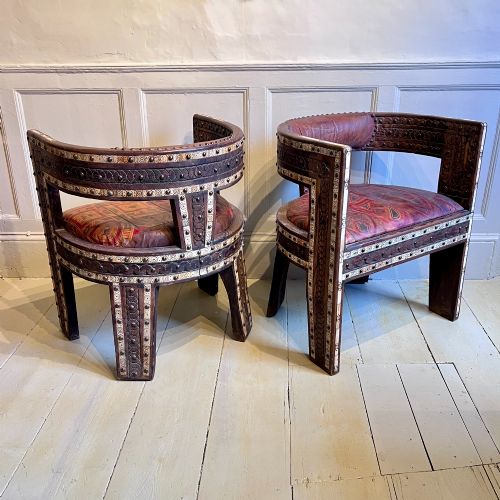
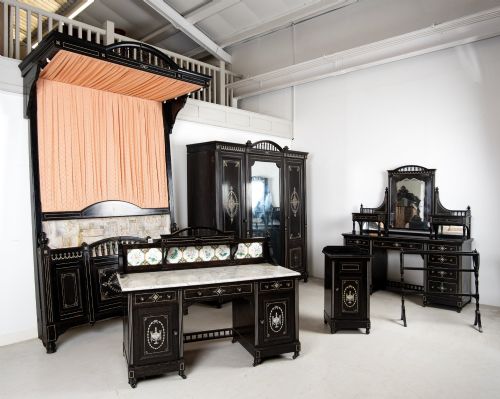
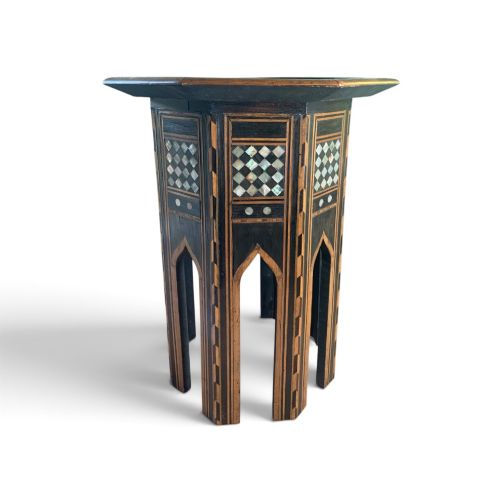
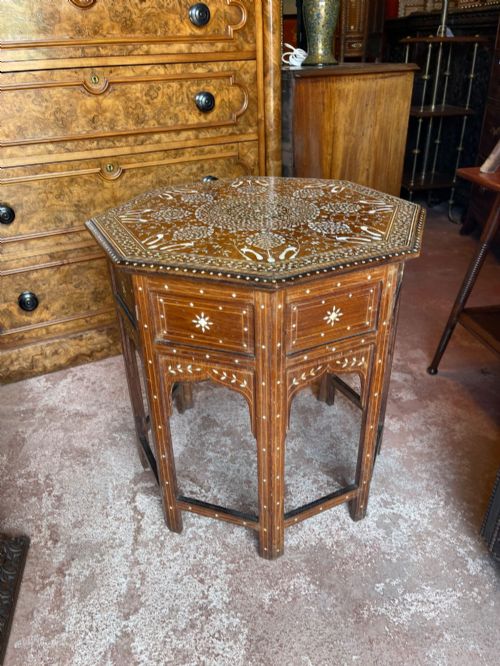
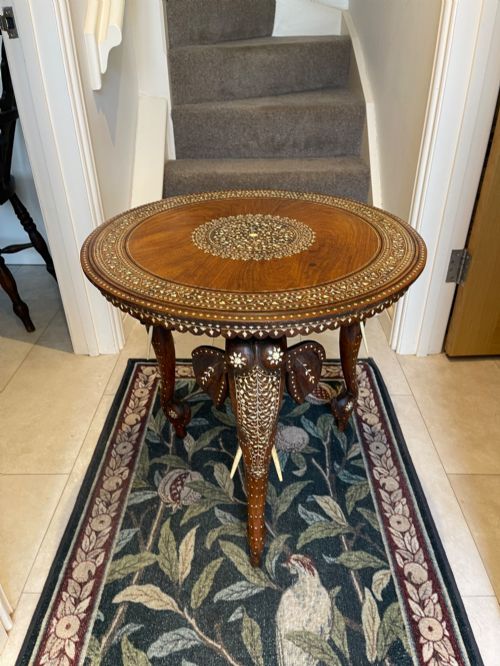
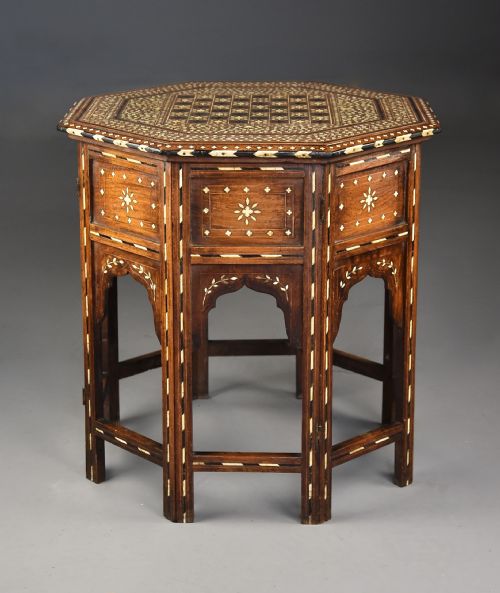
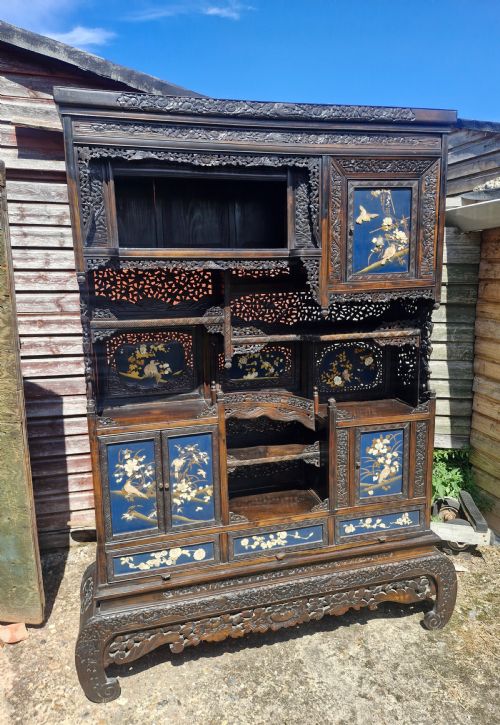
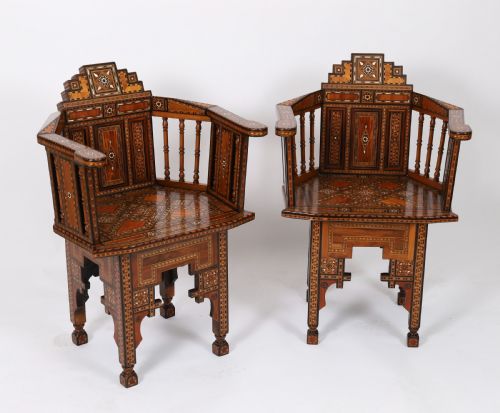
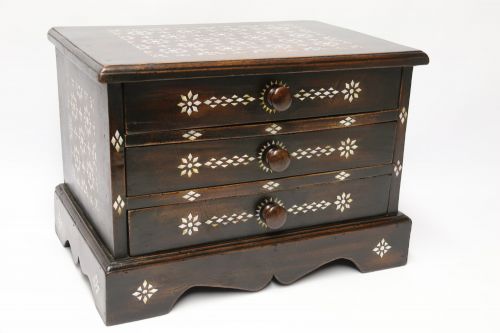
Bone inlay furniture encompasses decorative tables, cabinets, chairs, and mirrors originating from diverse cultural traditions including Anglo-Indian, Moorish, and Syrian workshops.
The pieces on this page span from the seventeenth century through to the early twentieth century, reflecting varied regional aesthetics and craftsmanship.
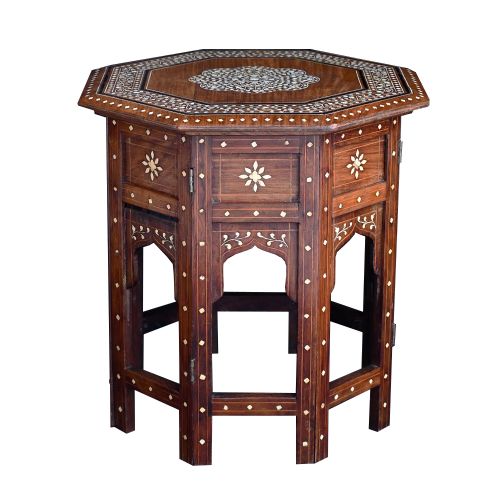
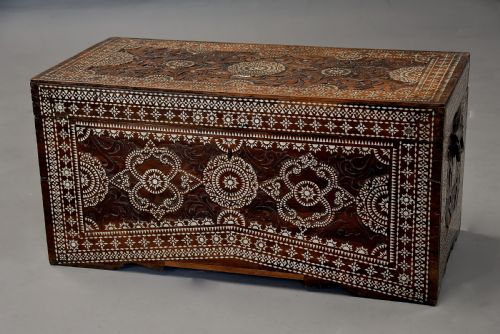
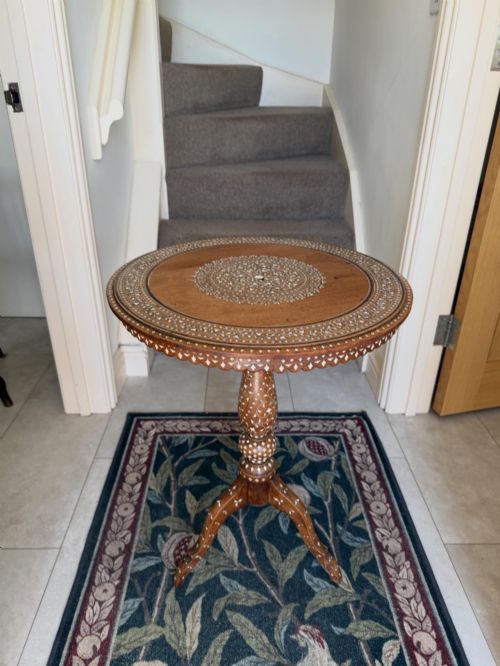
Occasional tables and side tables in octagonal or hexagonal forms appear most frequently, alongside armchairs and chests.
Materials and construction
Constructed primarily from hardwoods such as teak, walnut, rosewood, and ebonised timber, these objects form a robust foundation for intricate ornamentation.
Craftsmen inset pieces of animal bone and mother-of-pearl into carved recesses within the wood, creating detailed surface patterns held together with natural adhesives.
The inventory spans the seventeenth century to the early twentieth century, featuring Anglo-Indian, Moorish, and Syrian traditions.
What determines quality
The precision and density of the inlay work separate standard utilitarian pieces from exceptional examples of regional craftsmanship.
The choice of secondary materials, such as the inclusion of mother-of-pearl alongside bone, indicates a higher tier of production.
The integrity of the underlying hardwood frame and the survival of the delicate mosaic surface without significant loss or modern replacement dictate the standing of an individual piece.
Liberty and Co·Adriano Brambilla
The Bone Inlay Furniture Glossary
- Hoshiarpur
- A region in India renowned for its distinct school of wood carving and intricate inlay work using bone and shesham wood.
- Moorish Revival
- A nineteenth-century architectural and decorative style drawing inspiration from traditional North African and Spanish Islamic design.
- Parquetry
- A geometric mosaic of wood pieces used for decorative effect on furniture surfaces, often combined with bone or mother-of-pearl.
- Cabinet on stand
- A freestanding storage compartment raised upon a dedicated supporting frame or table structure.
- Octagonal
- Having eight sides and eight angles, a common geometric format for tables produced in Anglo-Indian and Middle Eastern workshops.
Bone Inlay Furniture: Frequently Asked Questions
How do I clean bone inlay furniture?
Dust surfaces regularly with a soft, dry cloth to prevent dirt settling into the recesses of the intricate pattern.
Avoid liquid cleaners, polishes, or excessive moisture, which can damage the organic bone and weaken the traditional adhesives.
Are these pieces suitable for daily use?
Many items serve well as occasional tables, side chairs, or display cabinets in modern rooms.
Care should be taken with placement, keeping them away from direct heat sources and strong sunlight to protect the aged timber and bone.
How can I date an inlaid table?
Examine the construction methods, tool marks on the underside, and the wood species used for the carcass.
Stylistic indicators such as Aesthetic Movement or Moorish Revival motifs also help narrow down the period of production.
What is the difference between bone and ivory inlay?
Bone typically shows microscopic striations or Haversian canals under magnification, whereas ivory displays distinctive intersecting grain patterns known as Schreger lines.
Bone appears more frequently on nineteenth-century Anglo-Indian and Middle Eastern domestic furniture.