

Blue Woven Wall Hanging
A blue woven wall hanging brings deep indigo tones and historical texture to a room through centuries-old textile traditions.
Blue Woven Wall Hanging
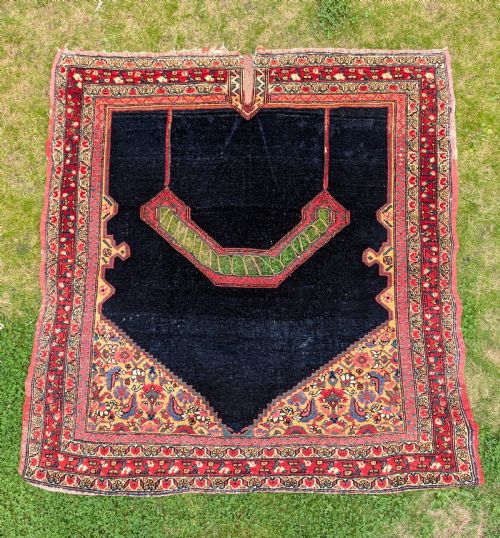
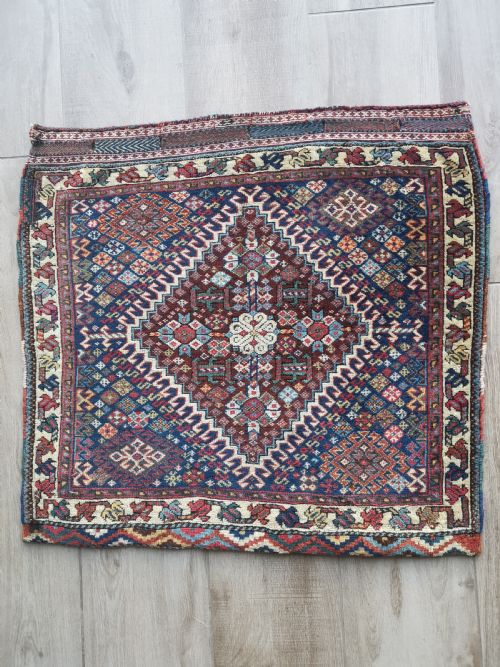
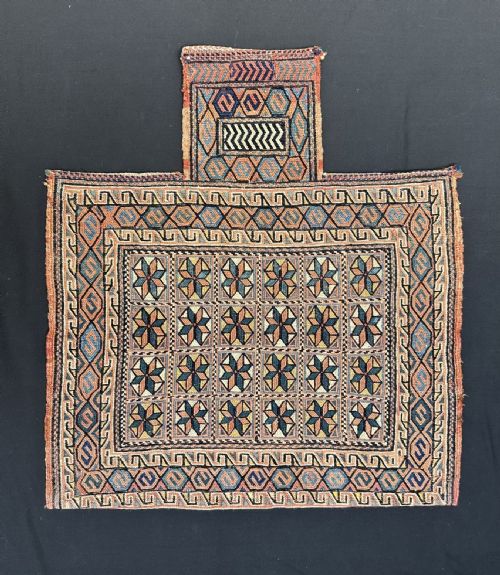
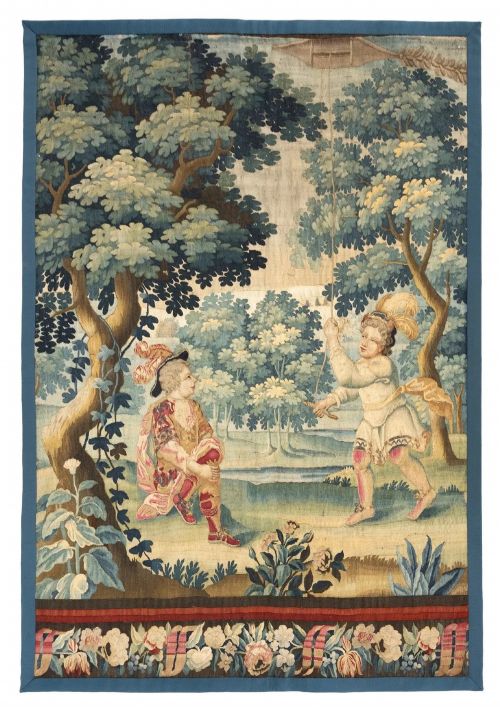
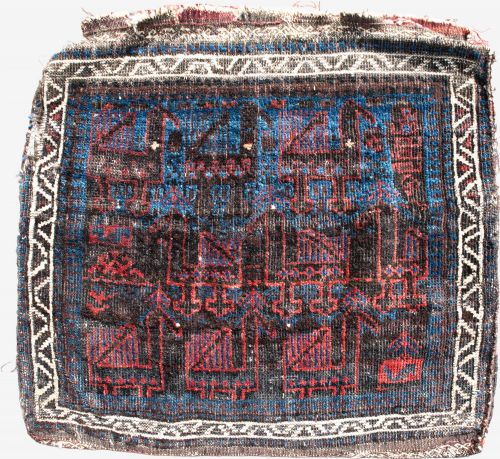
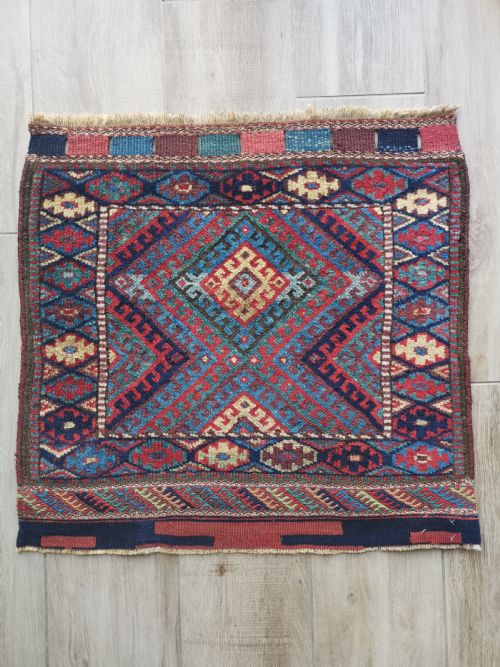
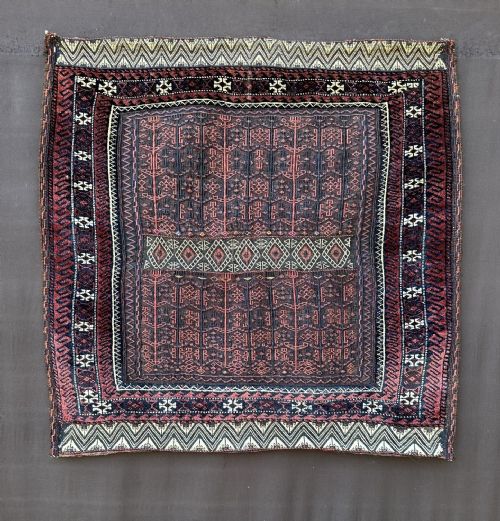
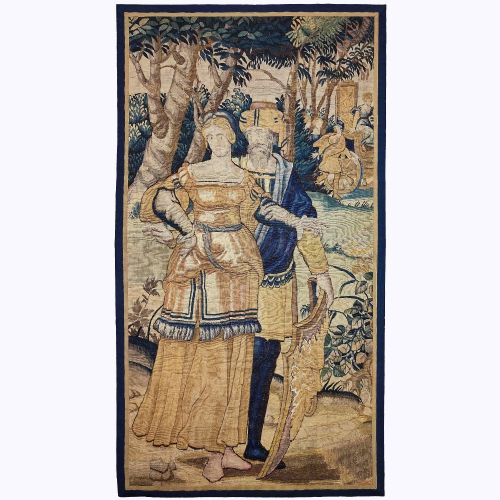
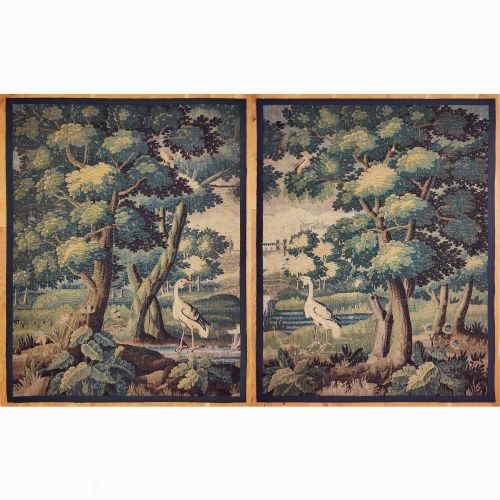
A blue woven wall hanging encompasses a range of antique textiles from European verdure tapestries to Persian tribal bagfaces and saddle covers. These pieces date from the seventeenth century through to the early twentieth century, reflecting diverse regional weaving traditions.
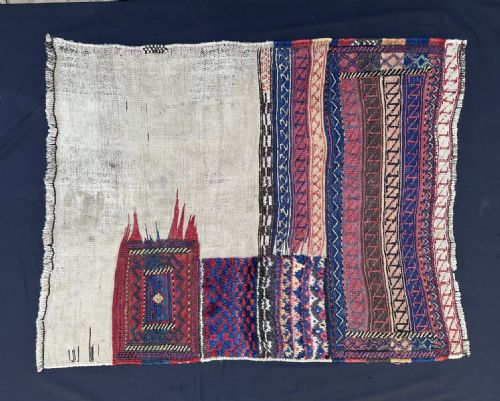
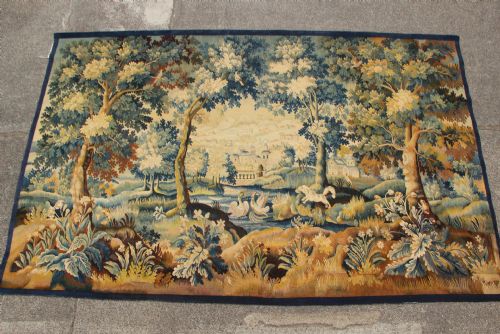
The selections on this page are dominated by large French and Flemish verdure tapestries alongside nomadic tribal weavings from Persia, Afghanistan, and Turkmenistan. Buyers will find everything from grand mythological scenes to geometric village sofreh cloths utilised as wall art.
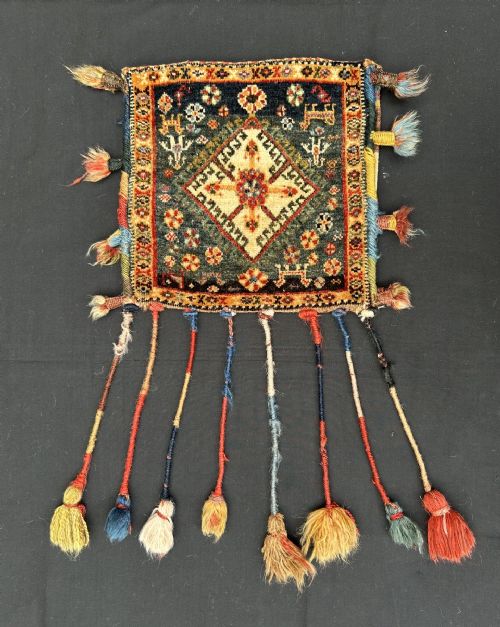
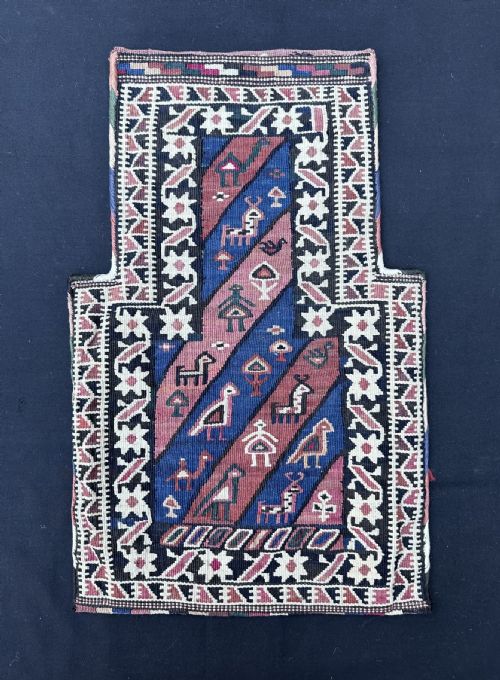
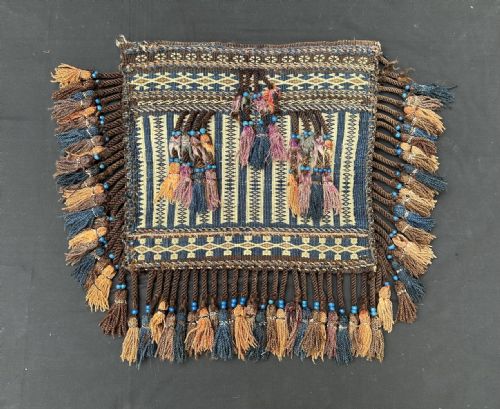
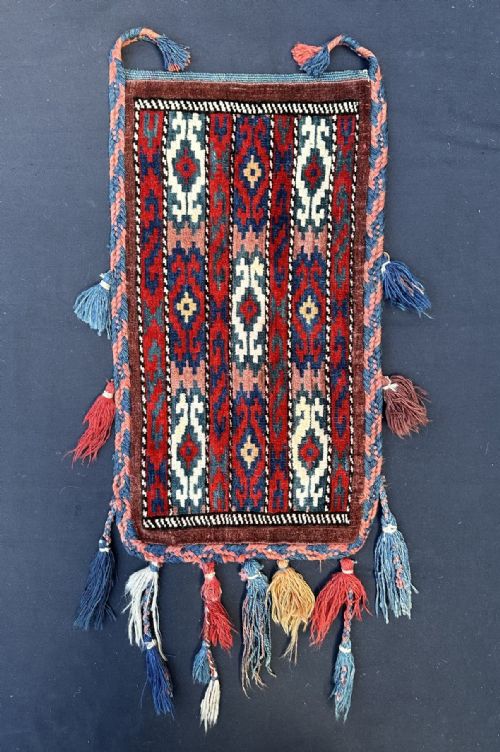
Objects include specialised forms such as salt bags, spindle bags, and kilim panels, each possessing a distinct function in its original nomadic or domestic setting. Their survival provides a tangible link to historical domestic interiors and tribal artistry.
What varies in quality
Quality rests upon the fineness of the weave, the complexity of the design, and the integrity of the surviving materials. Tightly packed wool and silk yarns in early Flemish verdure panels create a denser pictorial depth than simpler village productions.
The stability of the natural dyes and the completeness of the original borders or panels dictate the overall standing of a textile. Expert execution of tribal motifs or mythological scenes separates standard domestic items from superior examples of historic textile art.
Listings span seventeenth-century Flemish tapestries to early twentieth-century Central Asian tribal weavings, employing wool, silk, and natural dyes.
The Blue Woven Wall Hanging Glossary
- Verdure tapestry
- A European wall hanging dominated by lush botanical foliage, woodland scenes, and often birds or animals. These panels were woven in centres such as Aubusson and Audenaarde.
- Sofreh
- A flat-woven cloth traditionally used for spreading meals or handling bread in Persian and Afghan nomadic households. Their geometric designs make them popular for modern wall display.
- Soumac
- A wrapping technique utilised in tribal weaving that creates a sturdy structure resembling embroidery on the front face. It appears frequently on saddlebags and salt bags.
- Bagface
- The decorated front panel of a nomadic storage bag, salvaged and mounted for display after the utilitarian back section wore away. These pieces showcase concentrated tribal iconography.
- Torba
- A wide tribal storage bag traditionally hung inside a tent to hold household possessions. Turkmen and Baluch weavers produced these with characteristic gul patterns.
Blue Woven Wall Hanging: Frequently Asked Questions
How do I hang a heavy antique tapestry safely?
Large tapestries require an evenly distributed weight system, typically utilising a fabric sleeve sewn to the reverse that accepts a flat wooden batten or metal rod.
This method prevents local strain on the old wool and linen fibres, ensuring the textile hangs flat against the wall without distortion.
What is the difference between a verdure tapestry and a tribal bagface?
Verdure tapestries originate from European workshops and depict large-scale wooded landscapes, foliage, and mythological or game park scenes.
Tribal bagfaces come from nomadic groups in Persia and Central Asia, featuring geometric patterns and symbols tied to specific regional tribes.
How should I clean an antique woven wall hanging?
Surface dust can be removed gently using a soft brush or a low-suction vacuum cleaner applied through a protective mesh screen.
Water and chemical cleaning agents risk causing dye runs or fibre shrinkage, so professional textile conservators should handle deep cleaning.
Why do some wall hangings lack borders?
Many nomadic pieces were originally functional storage bags, grain sacks, or eating cloths where borders were either absent or utilised differently than in grand European salon tapestries.
European tapestries sometimes lost their borders over centuries due to trimming to fit specific wall spaces during redecorating.