




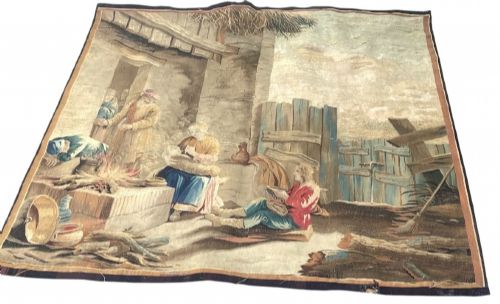
Baroque Flemish Tapestry
These baroque flemish tapestry pieces bring monumental 17th century textiles into modern interiors.
Baroque Flemish Tapestry
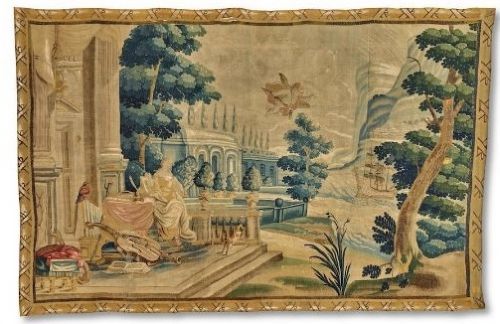
When you search for a baroque flemish tapestry, you are looking at large-scale wall hangings, verdure scenes, and smaller fragments or cushions originating from the 17th century. These works capture pastoral landscapes, mythological narratives, and game parks executed in the distinct Flemish Baroque style.
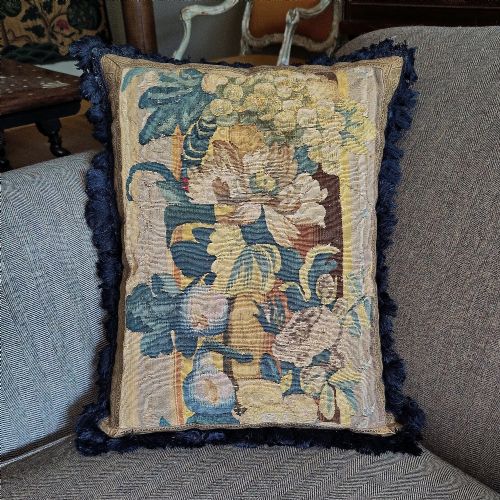
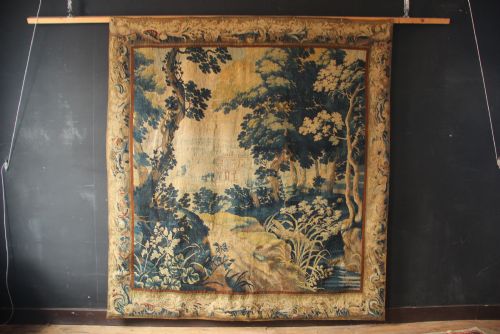
You are most likely to encounter verdure tapestries featuring dense foliage and garden views, alongside fragments and cushions fashioned from historic borders. Pieces range from grand scale wall tapestries to narrow panels and domestic cushion covers.
How they were made
Weavers constructed these textiles using combinations of wool, silk, linen, and cotton yarns on loom setups. The integration of fine silk alongside robust wool threads allowed makers to achieve varied texture and depth within foliage and figures.
Structural elements frequently involve supplementary backing or framing, while smaller items such as cushions incorporate wood components or secondary fabric supports to ensure durability.
Listings span the 17th century, utilising wool, silk, linen, cotton, and wood in forms ranging from grand wall tapestries to cushions.
What varies in quality
The distinction between standard and exceptional pieces rests in the complexity of the weave and the preservation of the original dyework. Dense pictorial detail in mythological or verdure scenes indicates superior workshop output compared to simpler, repetitive border patterns.
Scale and integrity also dictate standing, with grand scale wall tapestries retaining greater compositional narrative than isolated fragments or adapted cushion covers.
The Baroque Flemish Tapestry Glossary
- Verdure tapestry
- A wall hanging dominated by lush botanical designs, trees, foliage, and frequently small animals or birds. These scenes focus on natural landscapes rather than human figures.
- Tapestry fragment
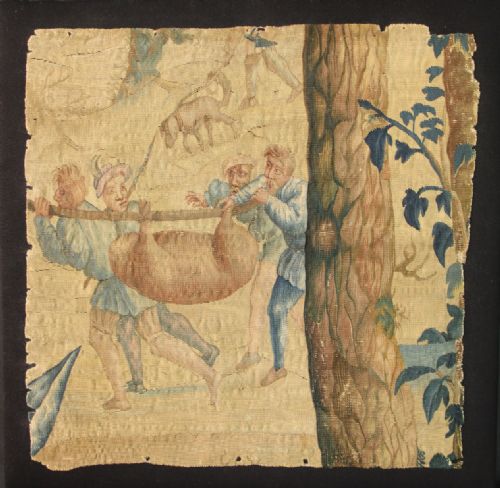
- A surviving portion of a larger historic textile, often salvaged from a damaged wall hanging and repurposed into a smaller panel or decorative object.
- Game park tapestry
- A specific category of landscape textile depicting fenced hunting grounds, woodland animals, and aristocratic leisure pursuits in a Flemish Baroque setting.
- Border
- The decorative outer band framing the central narrative of a tapestry, often populated by floral motifs, urns, or architectural elements.
- Brussels tapestry
- Textile work produced within the weaving workshops of Brussels, recognised for high technical proficiency during the 17th century.
Baroque Flemish Tapestry: Frequently Asked Questions
How do I hang a large wall tapestry?
Large wall hangings require specialised weight-distributing support systems, such as a concealed Velcro heading attached to a batten or a lined fabric sleeve along the top edge.
Directly nailing or pinning the textile causes localized fibre strain and accelerates structural degradation over time.
What is a verdure tapestry?
A verdure tapestry depicts a dense landscape of trees, plants, foliage, and sometimes birds or game animals in a stylized garden or forest setting.
These pieces were popular for bringing lush outdoor scenery into domestic interiors during the seventeenth century.
Can I use tapestry cushions daily?
Cushions fashioned from historic fragments or border sections require gentle handling and are best reserved for display rather than heavy everyday use.
Friction from sitting against old wool and silk threads causes accelerated wear on delicate historic weaves.
How do I clean old tapestries?
Historic textiles should only be surface-cleaned using specialised low-suction vacuum techniques through a protective mesh screen.
Water washing or chemical cleaning risks dissolving weak historic dyes and shrinking natural fibres.